Crude prices have fallen. So why is petrol still expensive? Consumers demand relief, while marketers insist on sustainable margins, reports Festus Akanbi
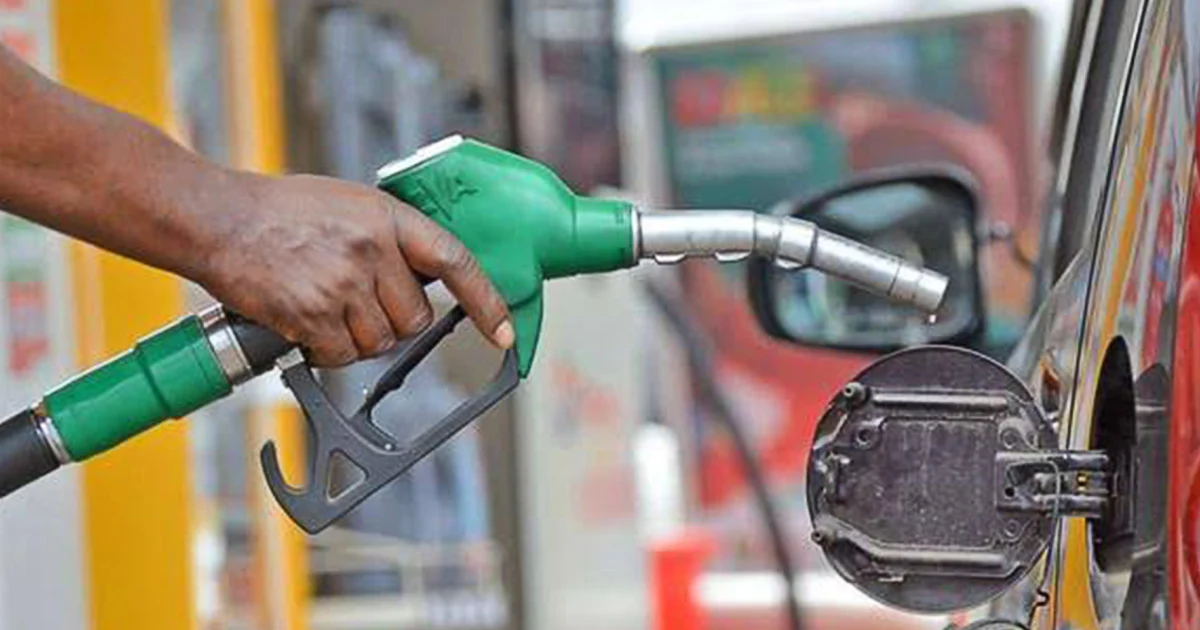
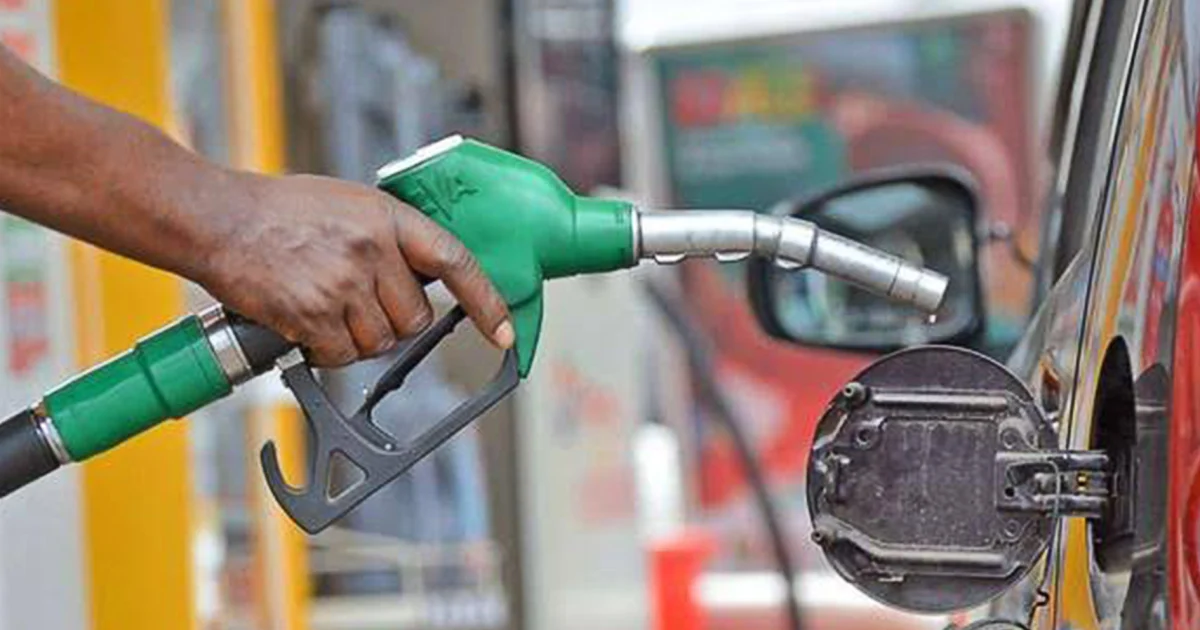
For millions of Nigerians, the recent decline in global crude oil prices has brought little relief at the filling station.
Although international oil prices have retreated sharply following the easing of tensions in the Middle East, the pump price of Premium Motor Spirit (PMS) has remained stubbornly high, rekindling debate over whether Nigeria’s deregulated downstream petroleum market is truly delivering the benefits of competition or merely protecting industry margins.
The controversy has drawn regulators, marketers, refiners, economists and consumer groups into a familiar argument: should petrol prices have fallen more rapidly in response to the drop in crude oil prices?
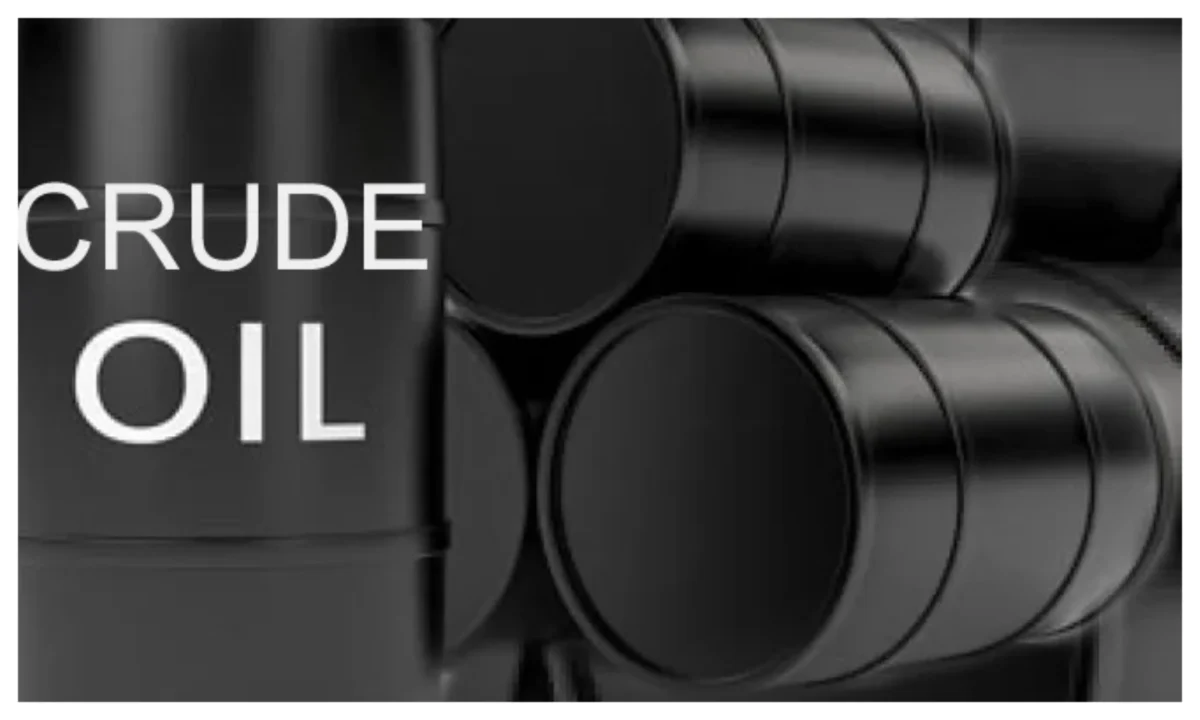
Consumers believe they have a strong case. Brent crude, which surged above $110 per barrel during the Middle East crisis, has since declined to about $70-$75 per barrel. Yet petrol continues to sell for around N1,200 per litre in many parts of the country, compared with N800-N900 before the crisis. The gap has reinforced public perception that marketers respond swiftly to rising costs but are reluctant to pass on the benefits of lower international prices.