Support CleanTechnica's work through a Substack subscription or on Stripe.
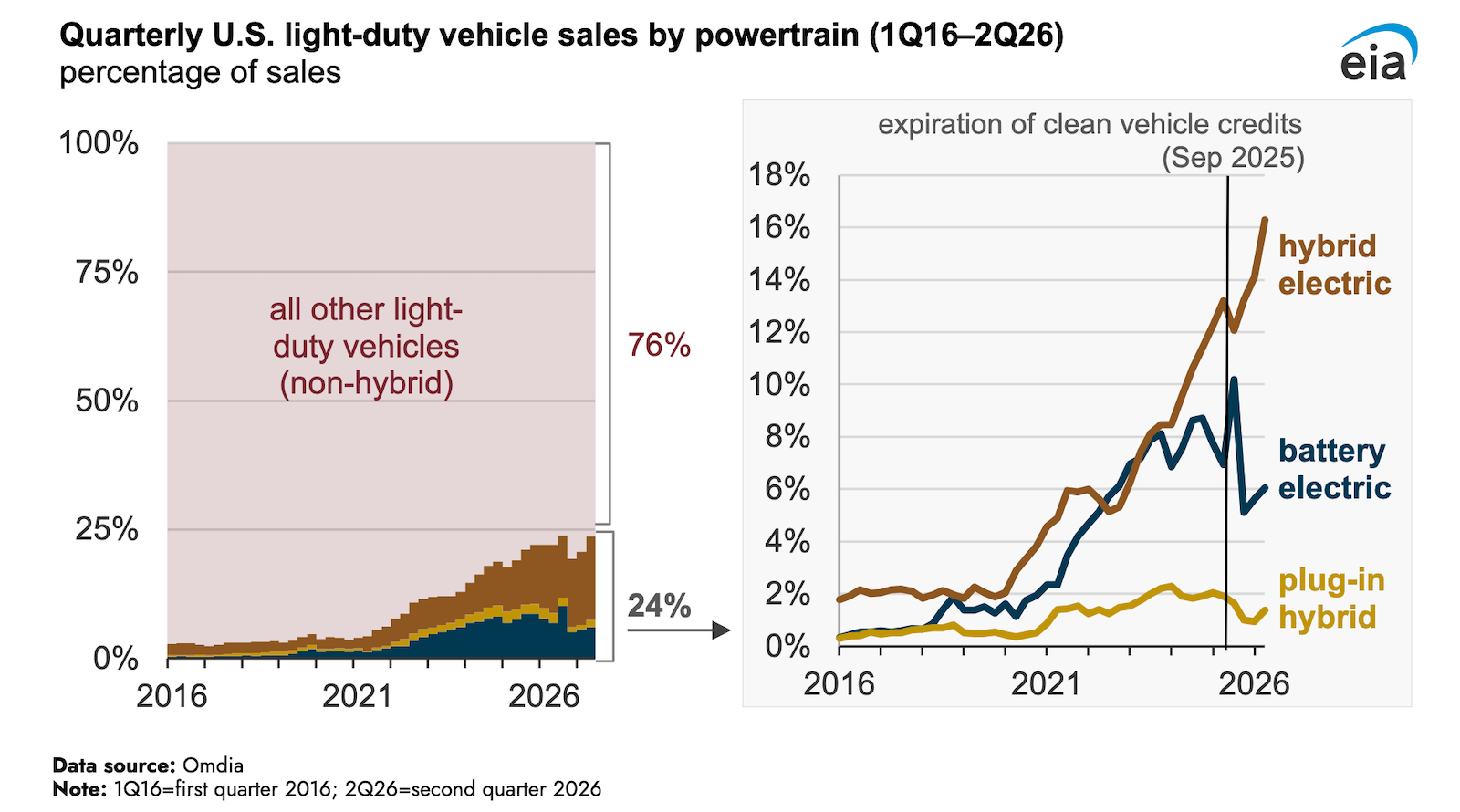
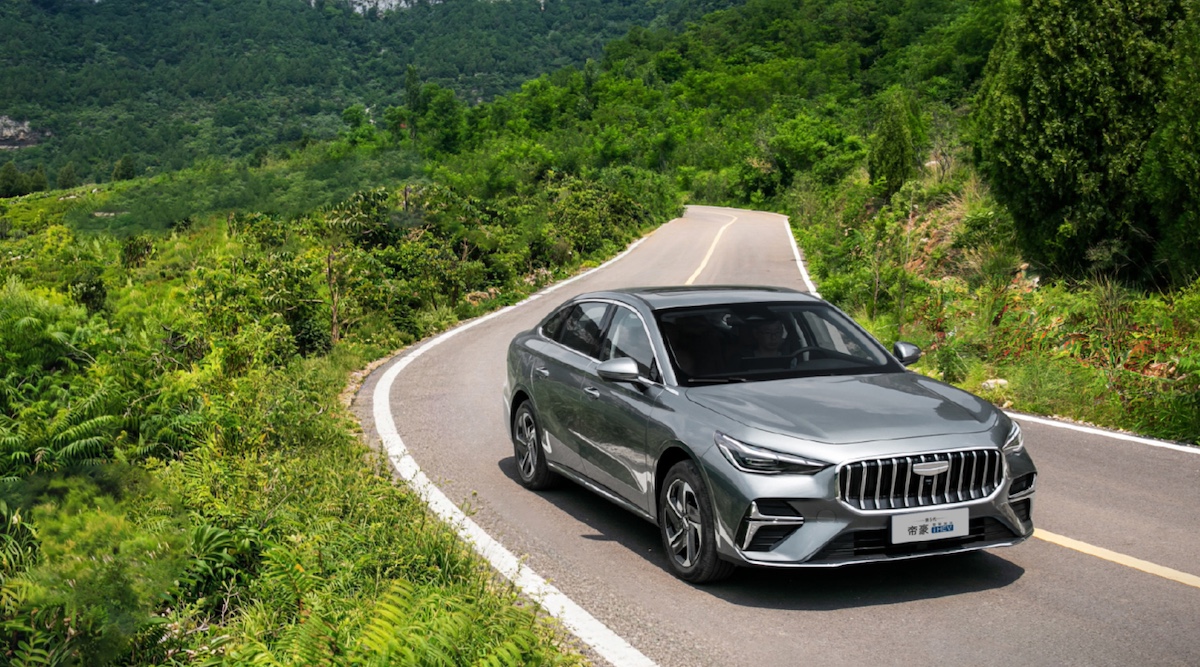
I’ve been driving electric vehicles (EVs) for 15 years, so you may think this is a strange question for me to ask, but I’m not asking for me, I’m asking for the “regular Joe” in the US. If everyone was like me, it would be easy to answer — EVs all day and twice on Sunday. But everyone isn’t like me, so I’ll present the evidence that we should go all electric from here and the evidence that we should take a gradual approach. The answer is of course that some people will take each path if given a choice. In this article, I show how highly efficient hybrids like Geely’s new i-HEV could slow full EV adoption among average buyers. While EVs offer lower maintenance, greater longevity, and environmental benefits, most people resist change and may not prioritize these advantages when hybrids reduce fuel use with minimal “disruption.”
Why Hybrids Might Be The Next Step
The biggest reason is most people hate change, so if you buy a hybrid, you save some money on fuel and you don’t change anything (like finding charging stations or installing a home charger), except you go to the gas station less often. People do change when they see something clearly worth the effort, and people have embraced things like smartphones because the perceived benefit is worth the effort and cost to adopt. What could change people’s resistance to change? The biggest factor is if their friends, family, or coworkers go electric and tell them how great it is (preferably without being annoying). [Editor’s note: I would also note that it did take many people a long time to adopt cell phones and smartphones. It’s not like that happened overnight. It’s just that because the transition is essentially complete, we don’t think much about the laggards any more. —ZS]