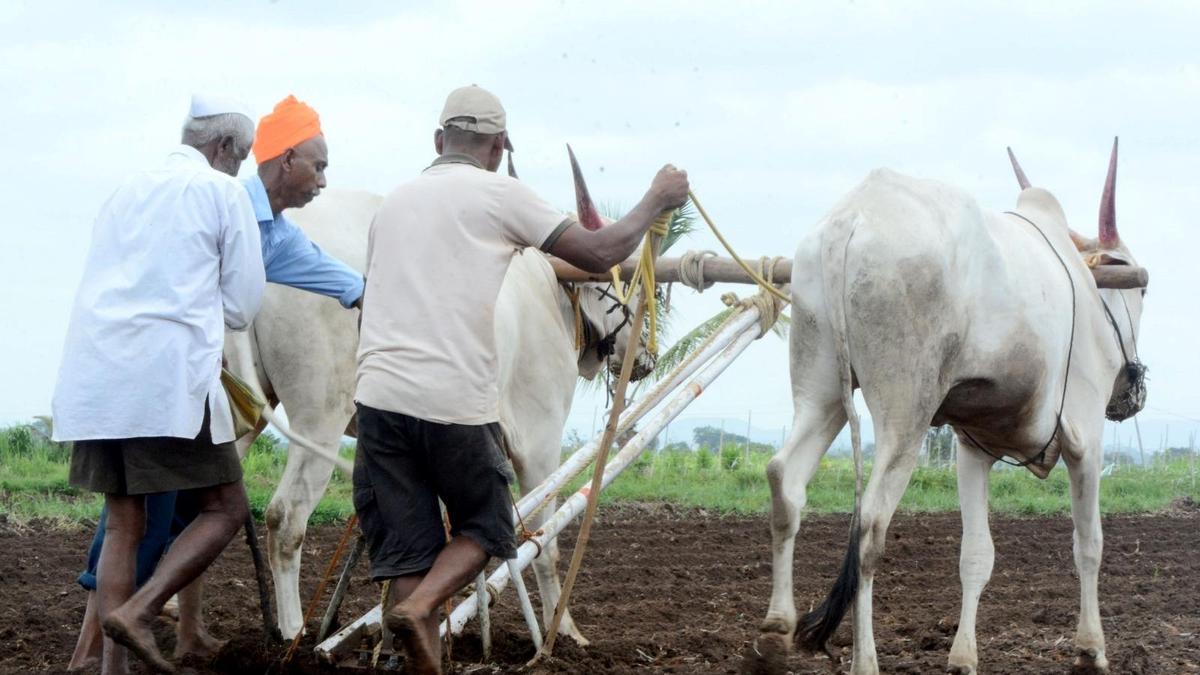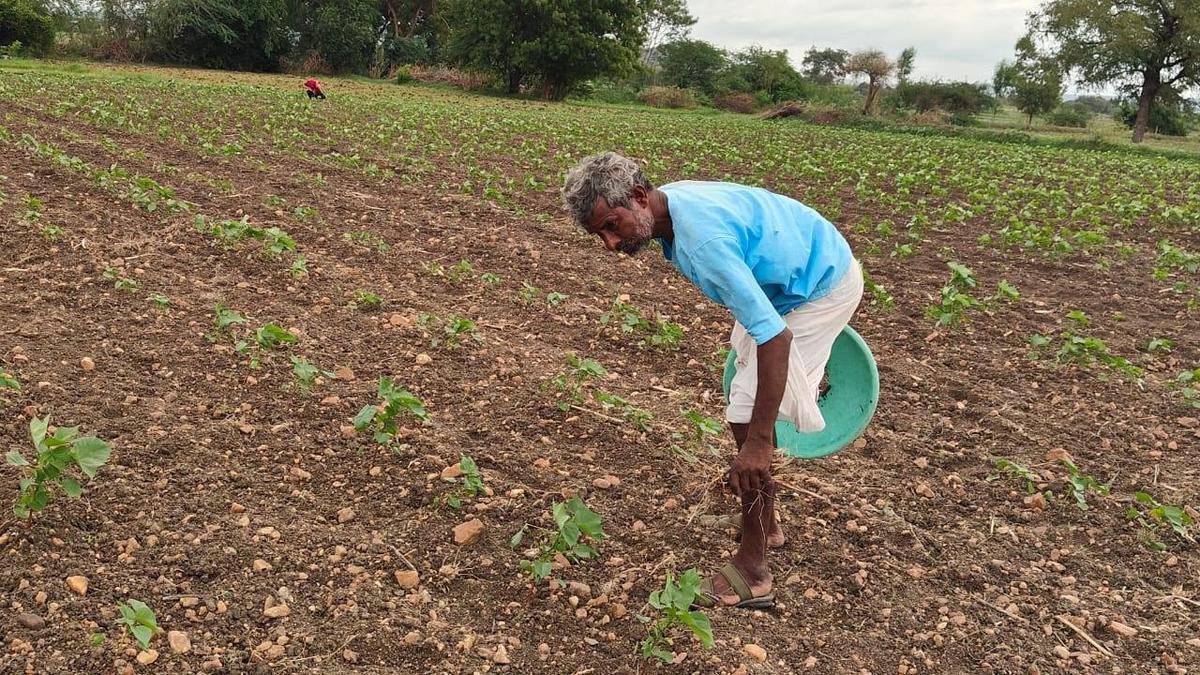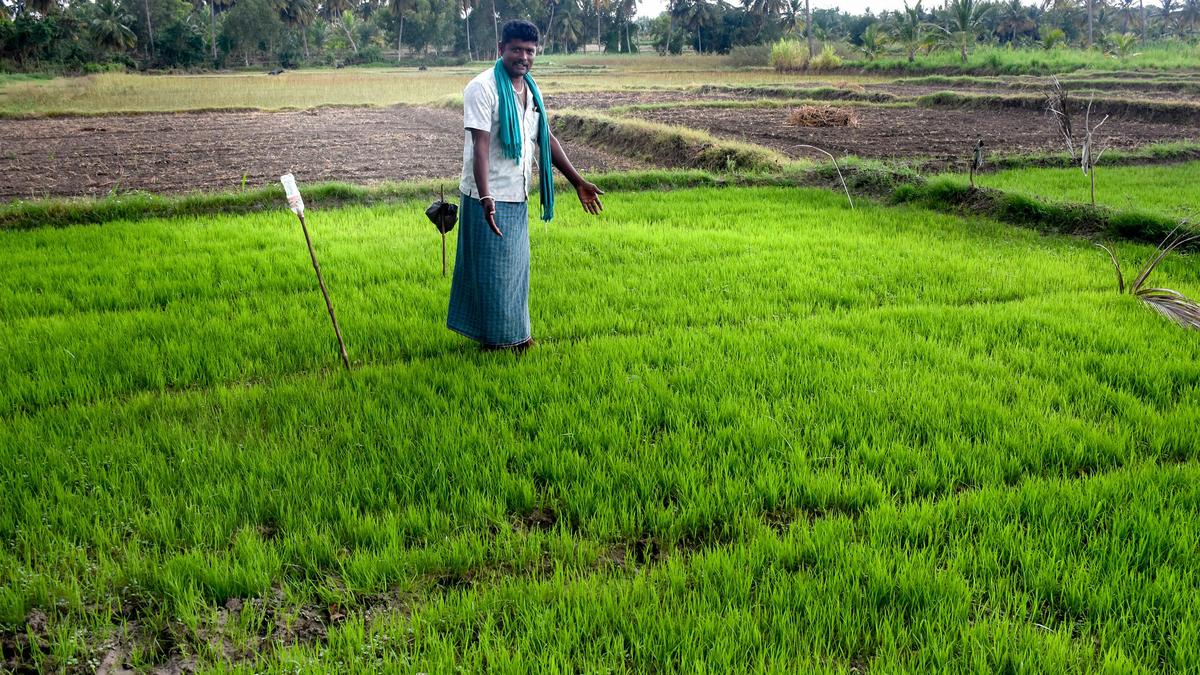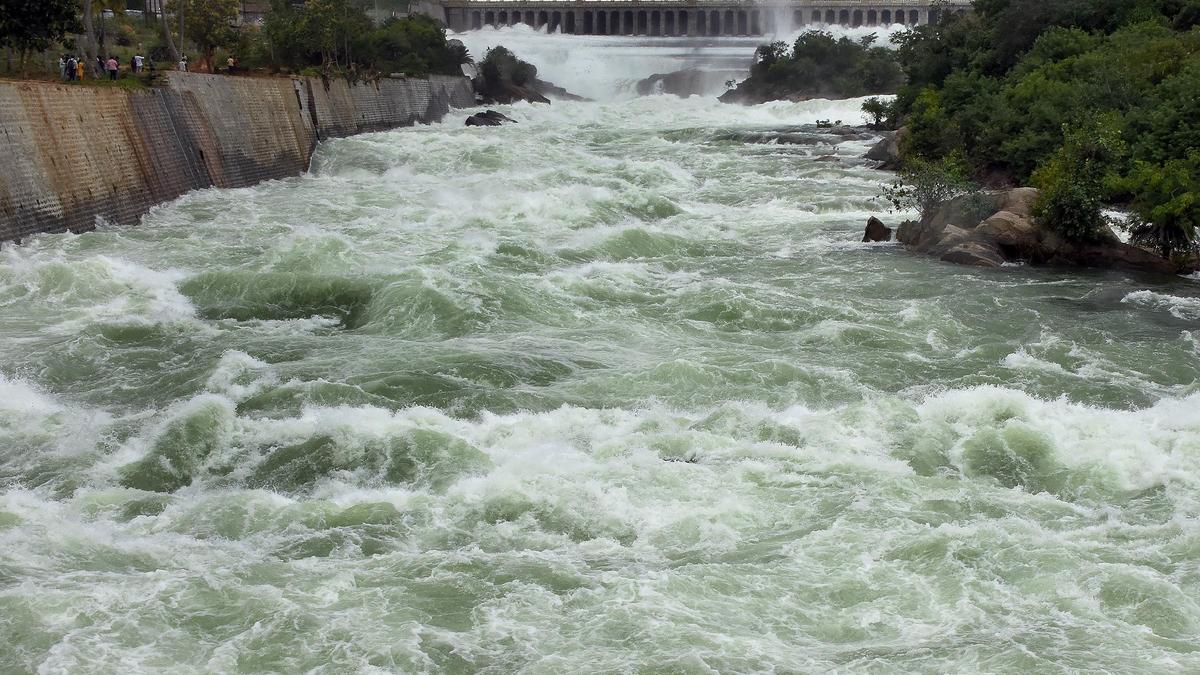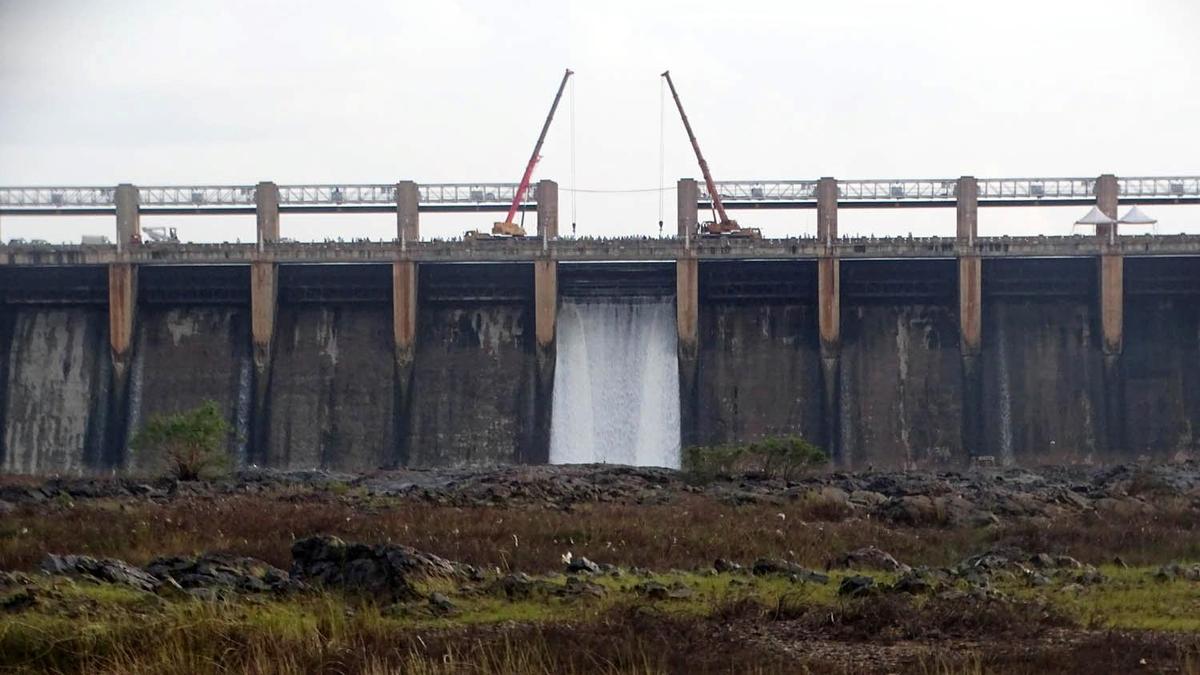
BELAGAVI/ KALABURAGIThe delayed monsoon has caused great concern among farmers in north Karnataka, with the dry spell already reducing the percentage of sowing. However, rainfall in several districts over the past week and heavy showers in Maharashtra have led to increased inflows into reservoirs, resulting in a rise in sowing coverage.Wide range in deficitAll districts of Kalyana Karnataka and Kittur Karnataka have recorded rainfall deficits, though the extent varies widely. While Belagavi district, which receives an average of 1,450 mm of rain annually, is facing a deficit of around 24%, the shortfall in the low-rainfall districts of Kalaburagi and Ballari is about 60%. In Bagalkot, which receives the lowest average annual rainfall in the State at around 450 mm, the deficit stands at 41%.The Lal Bahadur Shastry Reservoir at Almatti, the largest reservoir on the Krishna river in Karnataka, had a gross storage of just 20 tmcft as of Saturday, July 4, about 2.4% of its total impounding capacity. Inflow is almost nil, while outflow is around 100 cusecs. Officials said water from Maharashtra, moving at about half a kilometre an hour, is expected to reach Almatti on Monday, July 6.Reservoir levelsIn the two major reservoirs serving vast irrigated tracts of Kalyana Karnataka, the situation is grim. The Tungabhadra reservoir had just 9.283 tmcft of water as on Saturday, July 4, against its full storage capacity of 105.788 tmcft. An outflow of 102 cusecs is being maintained to meet essential requirements. On the corresponding day last year, the reservoir held 75.837 tmcft, with an inflow of 27,441 cusecs.The Narayanpur reservoir across the Krishna had a gross storage of 20.155 tmcft on Saturday, July 4, and a live storage of 5.395 tmcft, compared with 26.779 tmcft gross storage and 12.019 tmcft live storage a year ago. Inflows have dwindled to 19 cusecs, against 86,964 cusecs on the same day last year. Outflows have been restricted to 789 cusecs, largely for drinking water and industrial needs, with no releases for irrigation.The Tungabhadra reservoir irrigates about 12.1 lakh acres across Karnataka, Andhra Pradesh and Telangana, including nearly 8.7 lakh acres in Karnataka through its Left and Right Bank canal systems serving Koppal, Raichur, Ballari and Vijayanagara districts.The Narayanpur reservoir supplies water through the Narayanpur Left and Right Bank canals and allied lift irrigation schemes, irrigating more than 3.7 lakh acres in Raichur, Yadgir and parts of Kalaburagi district.Ray of hopeDue to heavy rainfall in Maharashtra, inflow into the Koyna dam has crossed 2 tmcft, which officials say offers a ray of hope. As of now, there is no discharge from Koyna. However, outflow from Rajapur has exceeded 2,000 cusecs a day over the past 48 hours.Inflow into the Raja Lakhamagouda reservoir on the Ghataprabha at Hidkal has reached around 1,665 cusecs. The Renukasagar reservoir across the Malaprabha, which supplies drinking water to Hubballi and Dharwad, has just around 8 tmcft of water, including only about 5 tmcft of live storage. The only solace is that inflows are slowly increasing following rains in the Khanapur region. The outflow is around 194 cusecs.Less sowingAccording to the revised cultivation figures, sowing has been completed on only 43% of the targeted area in 14 districts of northern Karnataka. However, these figures are skewed by higher sowing levels in four districts — Belagavi and Uttara Kannada, which received good rainfall, and Yadgir and Bagalkot, which have the highest irrigation density in the region.The sowing percentage in water-scarce districts is much lower: 10% in Bidar, 13% in Kalaburagi, 19% in Vijayanagar and 24% in Ballari. The average sowing coverage across the State stands at 34%. State-wide, commercial crops have the largest percentage of existing area, including fresh sowing and rotund, perennial and plantation crops. The biggest drop is in food crops, with just 26% of sowing completed. This includes cereals at 23% and pulses at 31%. Oilseeds have a coverage of 38% and commercial crops at 62%. The sugarcane area, however, remains stable at around 5.01 lakh hectares. This includes around 1.27 lakh hectares of new sowing and around 3.7 lakh hectares of rotund crops. “Some farmers with borewells have started raising paddy nurseries in the hope that the monsoon will revive and reservoirs will receive inflows. If the dry spell continues for another 10 days, the State could face a severe drought. However, the recent rainfall in Maharashtra and the Western Ghats of Karnataka has offered some hope,” said Chamarasa Malipatil, honorary president of the Karnataka Rajya Raitha Sangha.El Nino and other factorsExperts stressed the need for urgent remedial measures. “It appears that the super El Nino and other factors, such as reduced African sea winds, have led to this drought. Studies suggest that such conditions occur only once in about 140 years. Both the Union and State governments need to address the situation on priority,” said Vithal Benagi, former Vice-Chancellor of the University of Agricultural Sciences (UAS), Dharwad.“A drought is a socio- economic problem. A weak or delayed monsoon can lead to reduced food production and low yields of commercial crops, reduce farmers’ income, increase migration to urban areas, increase the cost of food and farm produce, lead to panic sale of cattle including milch cows and draught bulls,” he warned.
Situation grim, but recent rains in Maharashtra have raised some hope in north Karnataka
The delayed monsoon has caused great concern among farmers in north Karnataka, with the dry spell already reducing the percentage of sowing. However, rainfall in several districts over the past week and heavy showers in Maharashtra have led to increased inflows into reservoirs, resulting in a rise in sowing coverage.
864 words~4 min read