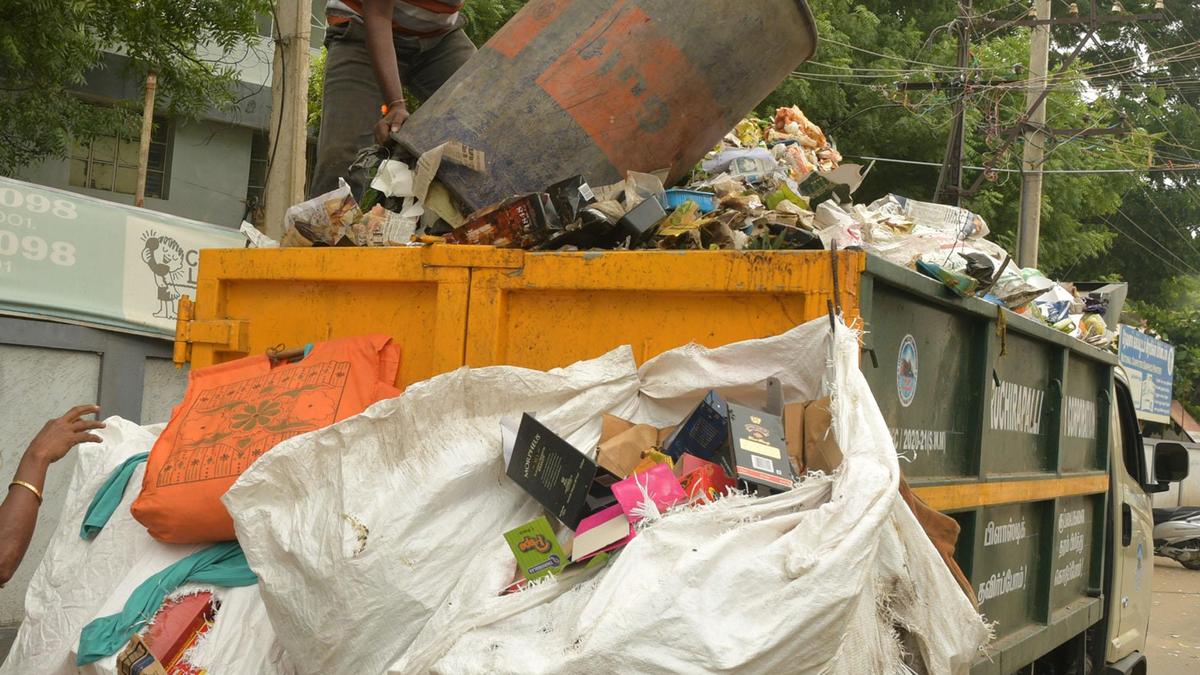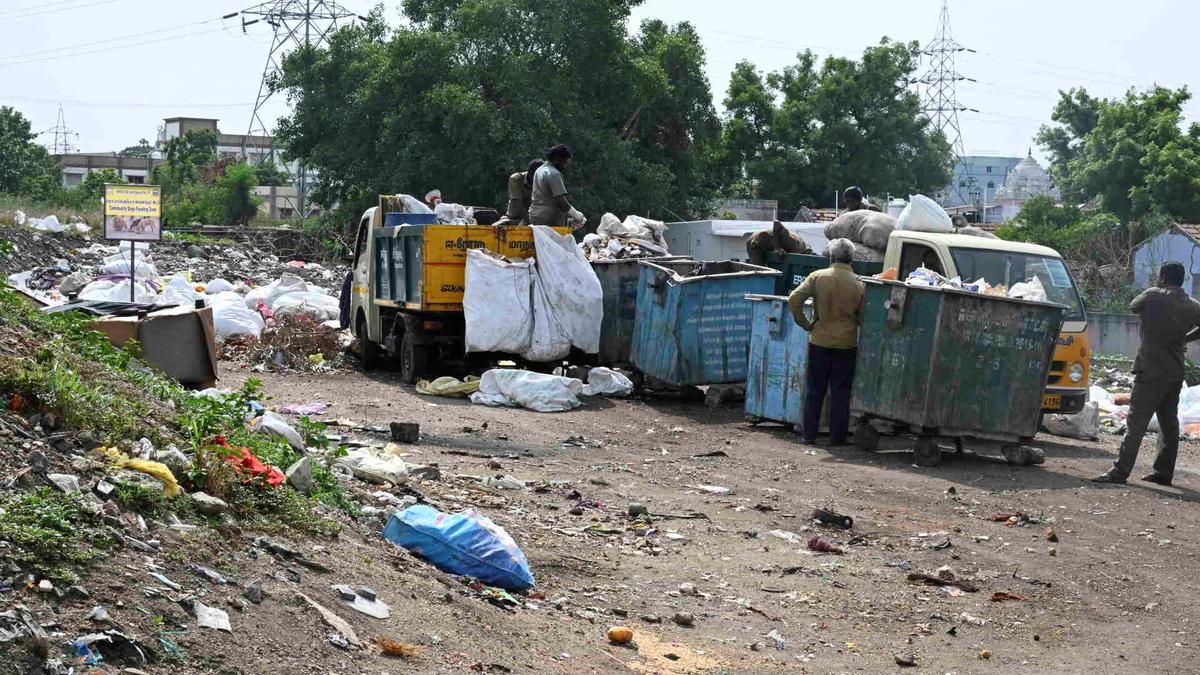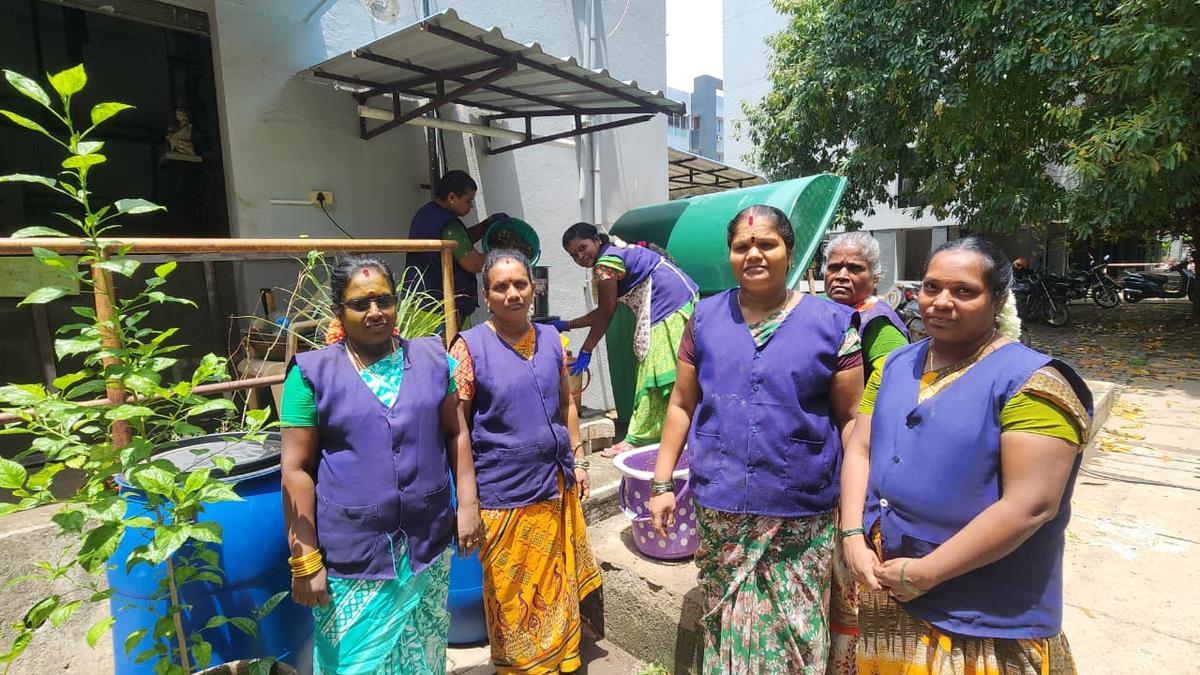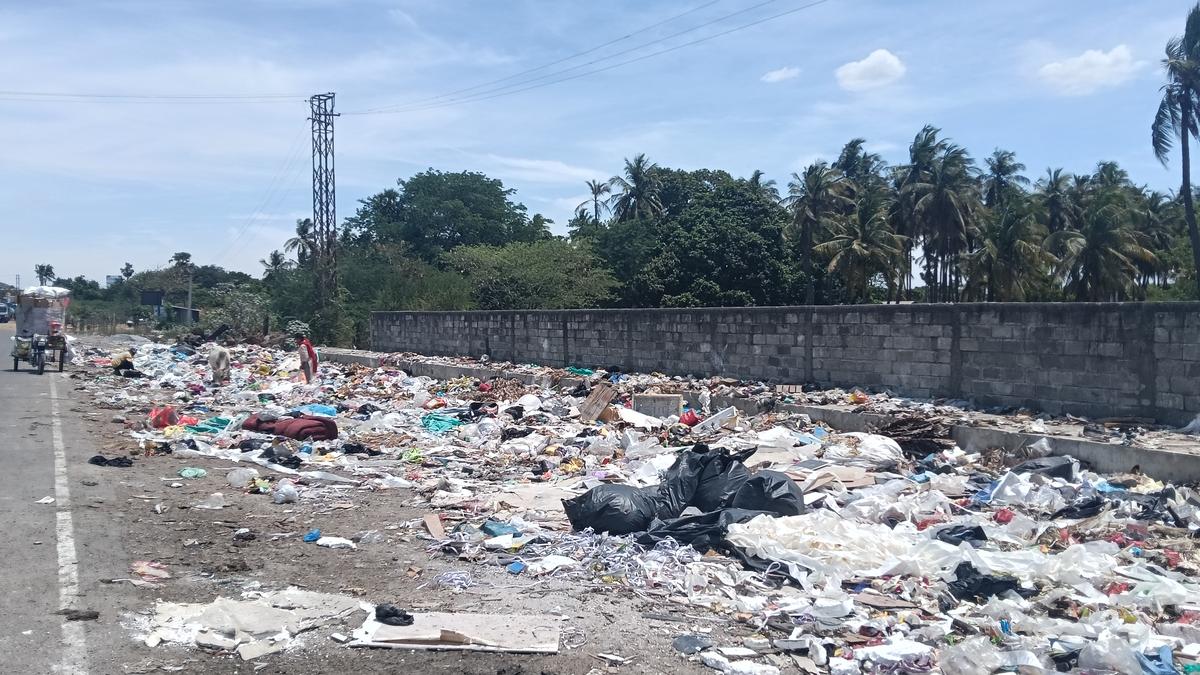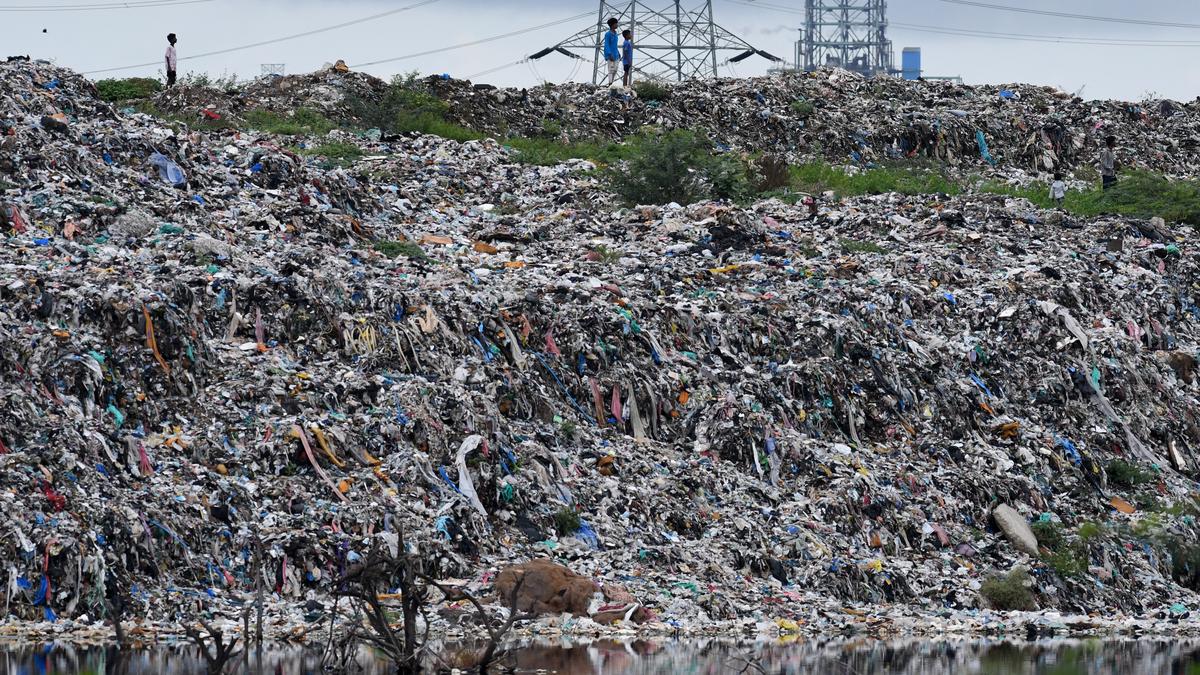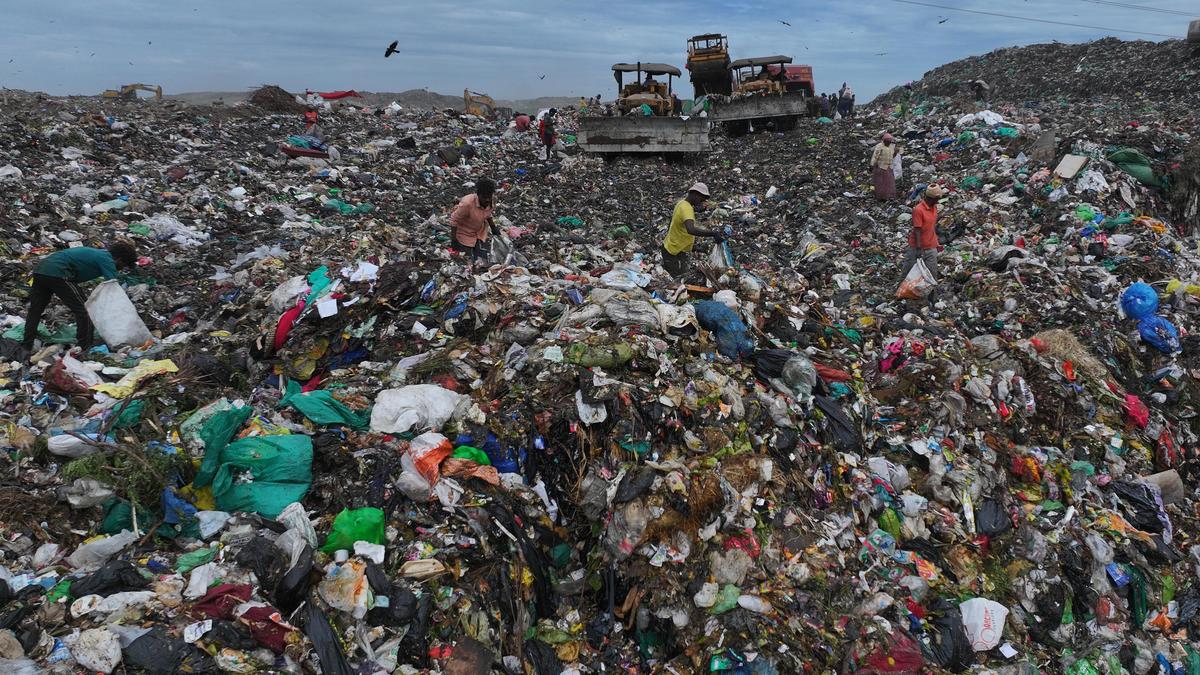
On July 2, a drone camera captured unnerving visuals of the vast Kodungaiyur dump yard — women squelching through the mounds of trash to collect materials that could be recycled. For these women from the Perambur Assembly constituency, ragpicking has been the only source of livelihood. They claim many members of nearly 3,000 families in the area have lost their lives owing to health risks associated with ragpicking.Chennai Corporation Councillor Dilli Babu says the women are being exposed to health risks because fresh waste continues to accumulate in the dump yard without segregation at source. This happens even as biomining of the waste yard has started for eco-restoration of the 352-acre area located in the heart of a thickly populated locality in north Chennai. “After the Solid Waste Management Rules, 2026, kicked in on April 1, officials have suggested source segregation as the solution. But 100% source segregation has been a challenging task,” he said.Speaking about the new Rules, Ward 35 Councillor S. Jeevan says there are other major issues that have worried residents. “The new Rules refer to waste-to-energy plants multiple times, along with duties and responsibilities of various departments. This shows the Union government has been exploring the possibility of setting up waste-to-energy plants. Residents who have opposed waste-to-energy plants in Chennai are worried as the risk of pollution is high,” he says.Public consultationFederation of North Chennai Residents’ Welfare Association president T.K. Shanmugham said the State government and civic agencies should ensure that public consultation is conducted in the presence of the residents of the Perambur and Dr. Radhakrishnan Nagar Assembly constituencies before implementation of any such waste management projects. “We will not accept waste-to-energy plants. They pollute our neighbourhoods. But we are ready to support source segregation. We intend to mobilise 2,000 volunteers to sensitise residents to the new Rules and the need for source segregation. We want the government to close the dump yards, complete biomining, and start eco-restoration,” he said.As urban local bodies (ULBs) are unable to implement waste management projects owing to opposition from residents, the new Rules framed by the Union government have reportedly provided a ray of hope for such waste management projects, albeit with strict pollution control norms and digital tracking. However, residents remain sceptical about the efficacy of pollution monitoring systems. The Rules have strengthened digital tracking to reduce the impact of pollution caused by such waste management projects and promote 100% source segregation. In a bid to sensitise all stakeholders and ensure successful rollout of the new Rules, training programmes will be held for Mayors and Deputy Mayors of various cities in Tamil Nadu this month. The Tamil Nadu Institute for Urban Studies, Coimbatore, is organising the programme.Chennai Deputy Mayor M. Magesh Kumaar said the Corporation Council will discuss ways to reduce the burden of penalties and taxes on residents and traders under the new Rules. “Residents and traders should never be penalised. We are against the penalty and taxes proposed by the new Rules,” he said.L. Gopan, a resident of Avadi, a suburb in western Chennai, says, “Dumping of waste has increased in waterbodies such as Paruthipattu lake on the outskirts of Chennai. The government should strive to achieve 100% source segregation. We are ready to support the government, but some people are afraid that charges will increase for waste collection in large apartment complexes.”‘Robust framework’According to the new Rules, the Union Ministry of Housing and Urban Affairs will support the State in assessing waste management infrastructure in all urban areas and in drawing up policies and strategies for solid waste management, including waste-to-energy facilities, in consultation with stakeholders and taking into account solid waste management guidelines, by September 30, 2026. K.P. Subramanian, retired Professor of Urban Engineering at Anna University, says, “The new Rules provide a comprehensive and robust framework over their predecessors. The Rules must prioritise participation over regulation. Involvement of residents’ welfare associations, NGOs, and citizens groups is the key to success.”
It’s time for Tamil Nadu to segregate solid waste at source
Explore Tamil Nadu's shift towards effective solid waste management through source segregation and its impact on urban communities.
1,606 words~7 min read