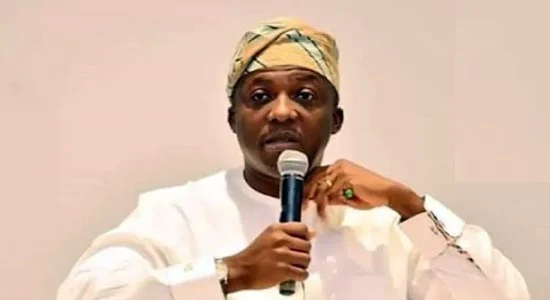
The Commissioner for Environment and Water Resources, Tokunbo Wahab, spoke with DARE AKOGUN on why the state continues to witness “flash flooding,” ongoing investments in drainage infrastructure, enforcement against illegal developments, and why residents must take greater responsibility for keeping drainage channels waste-free
Many residents believe flooding in Lagos is becoming worse despite government interventions. From your assessment, what is our assessment of the situation?
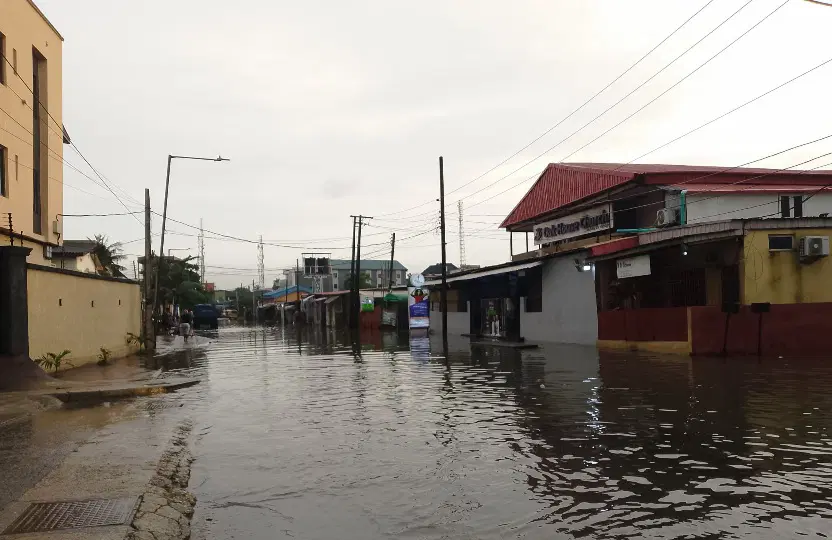
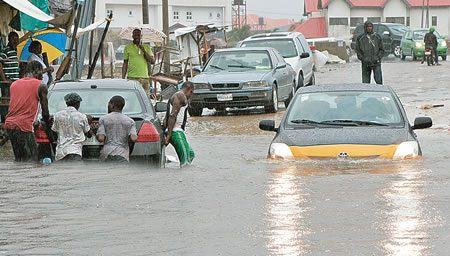
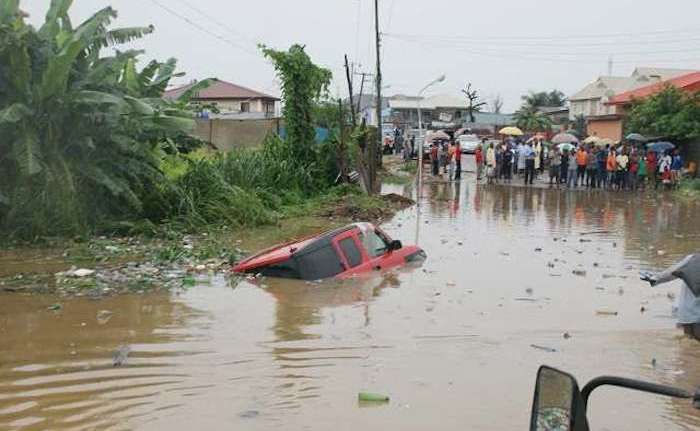
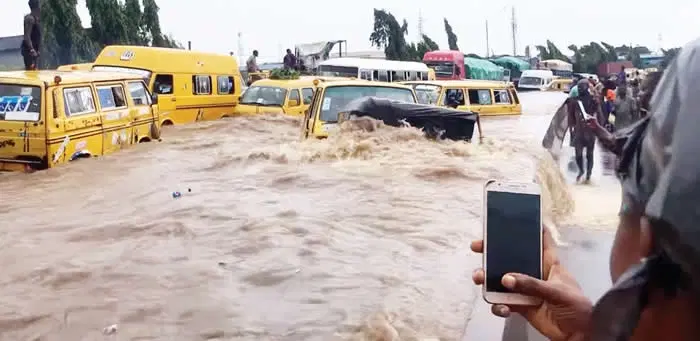
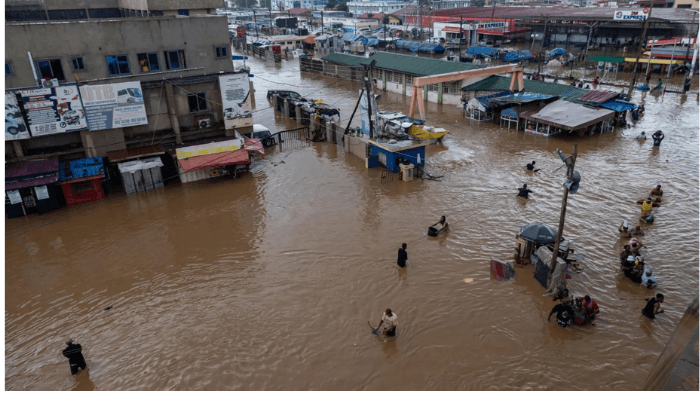
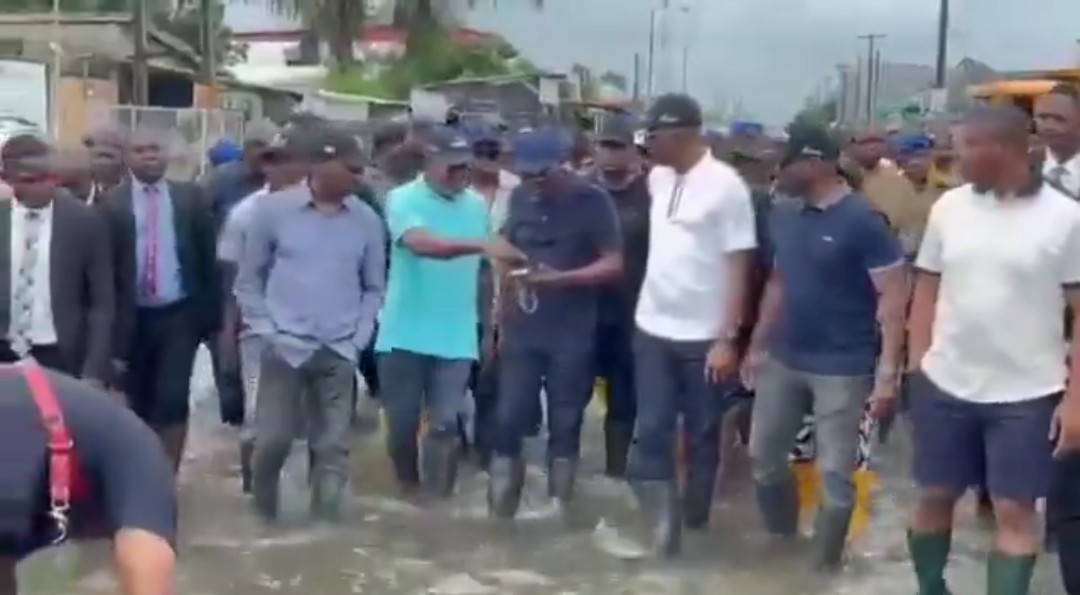
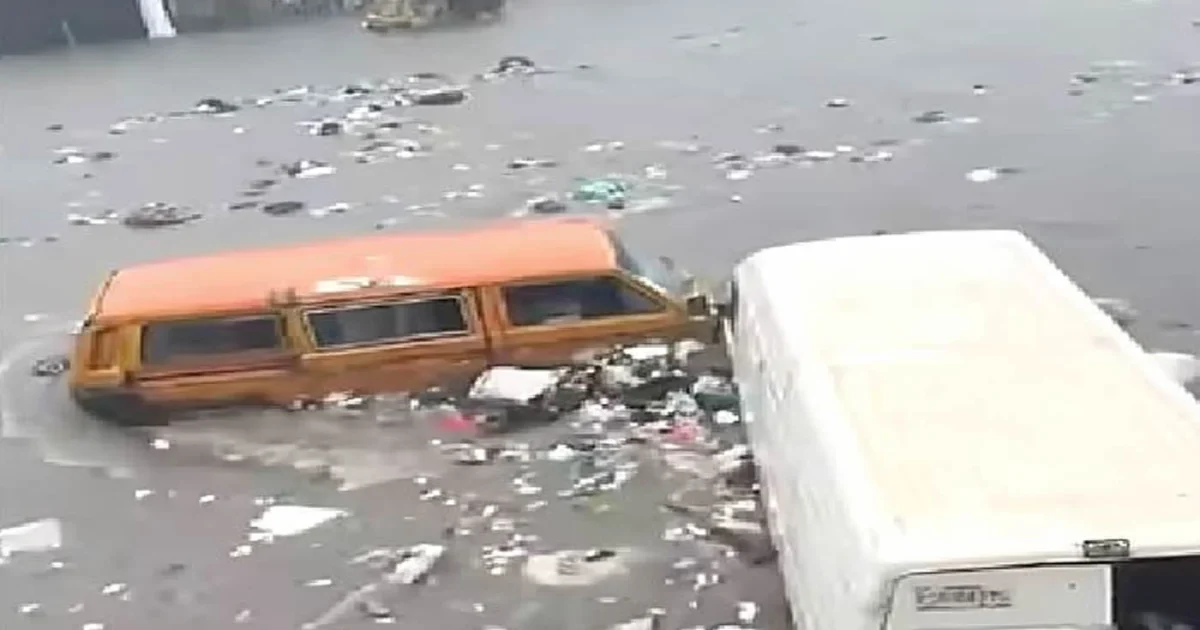
The first thing we need to understand is the difference between flooding and flash flooding. Lagos does not have a flooding problem in the sense and way that many people describe it. What we witnessed last week after the rainfall was flash flooding, which is completely different from prolonged flooding.
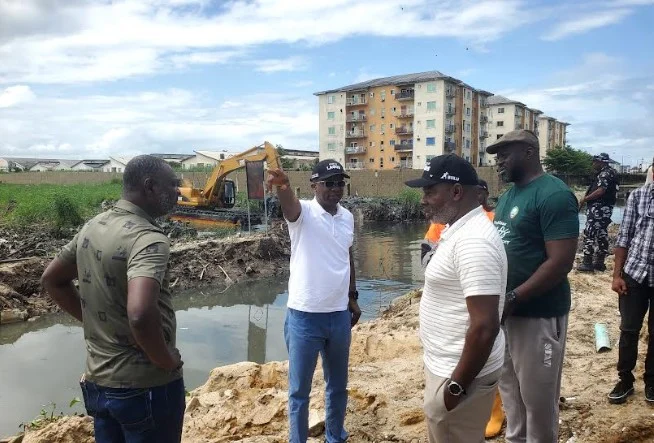
The rainfall itself was unusually intense. It was excessively heavy within a very short period. When such a volume of rain falls over a coastal city like Lagos, it naturally overwhelms some drainage channels temporarily before the water begins to discharge. Fortunately, Lagos has a network of primary drainage infrastructure built to evacuate stormwater into lagoons and eventually into the Atlantic Ocean.
For example, around Acme Road, Ikeja, we have a very large trapezoidal drainage channel that discharges into System One. Because of the intensity of the rainfall, the water level rose very quickly. However, within about 35 minutes after the rain stopped, the water had completely receded.