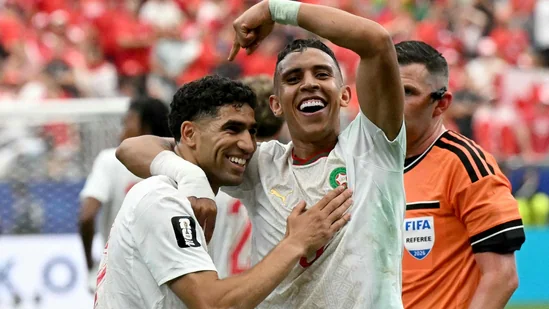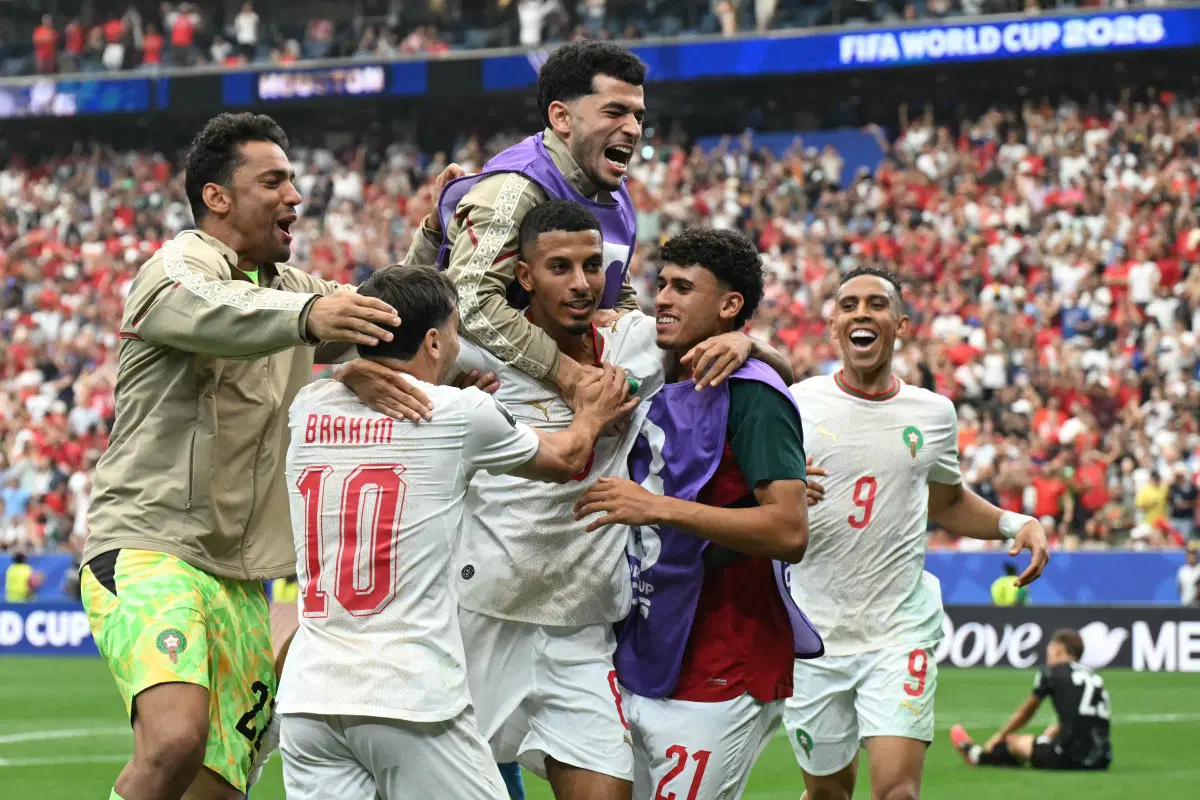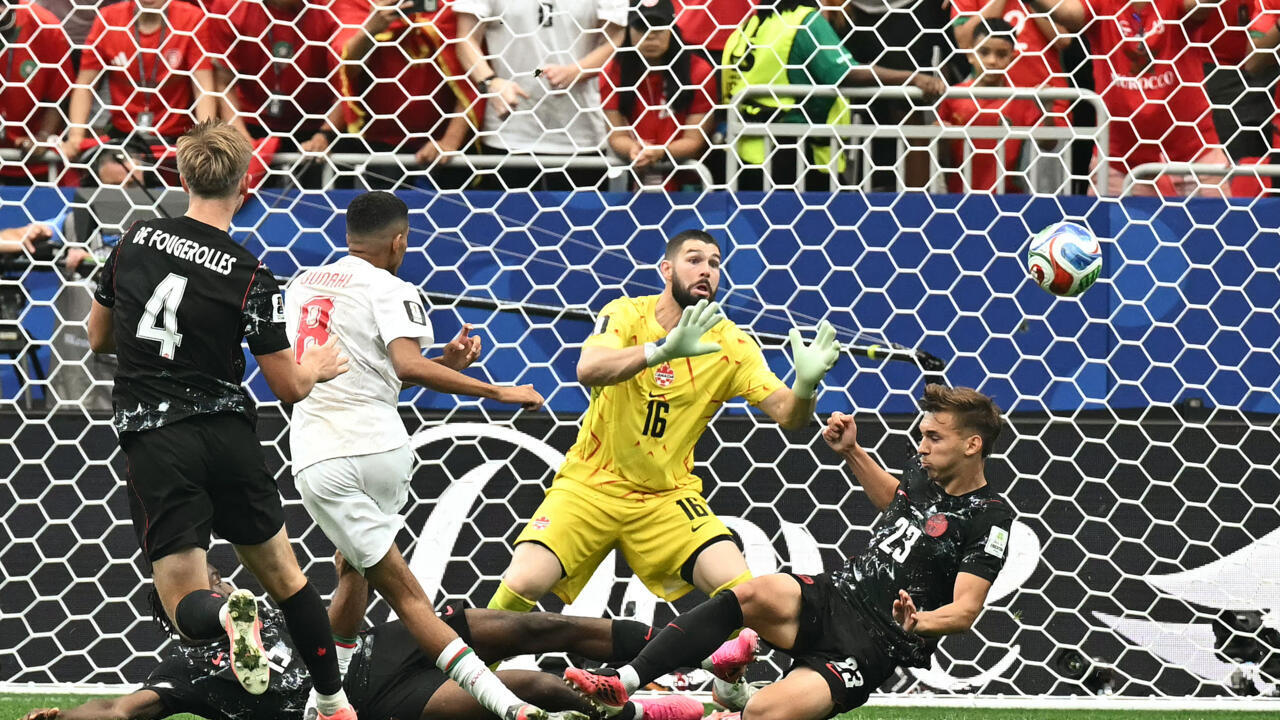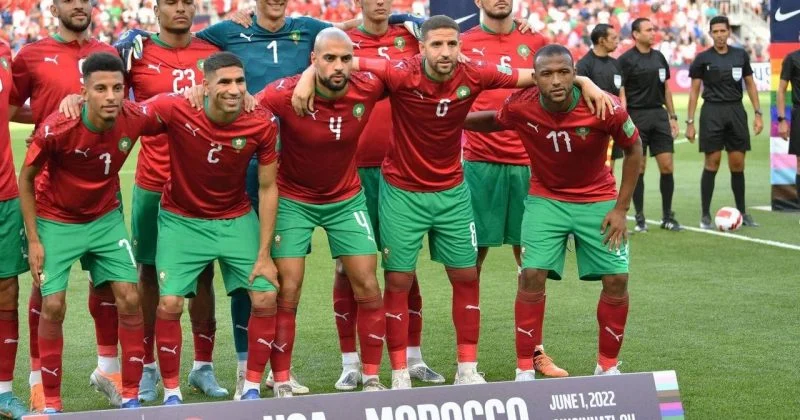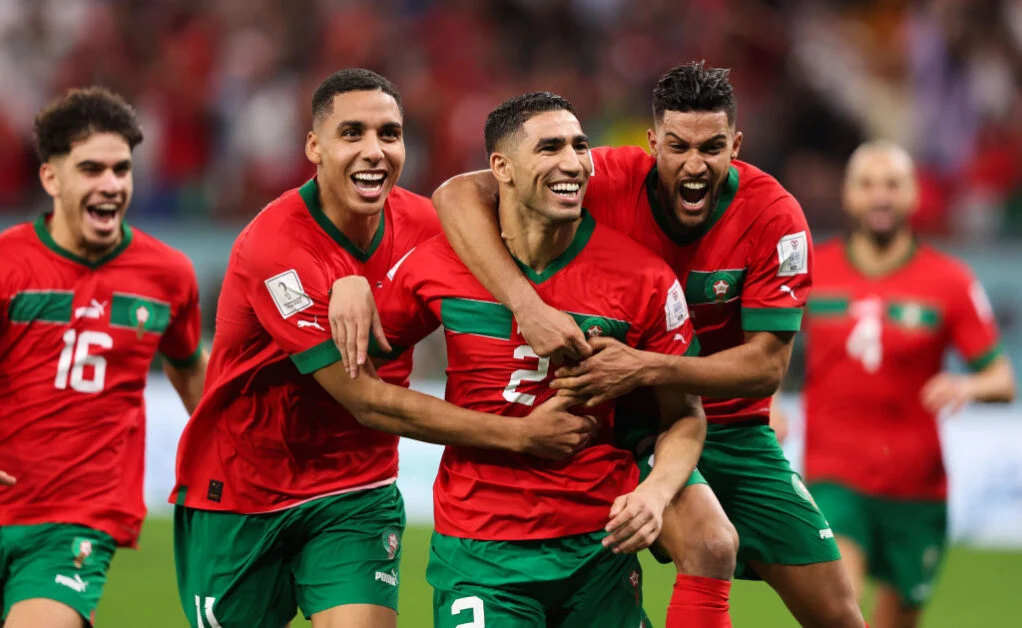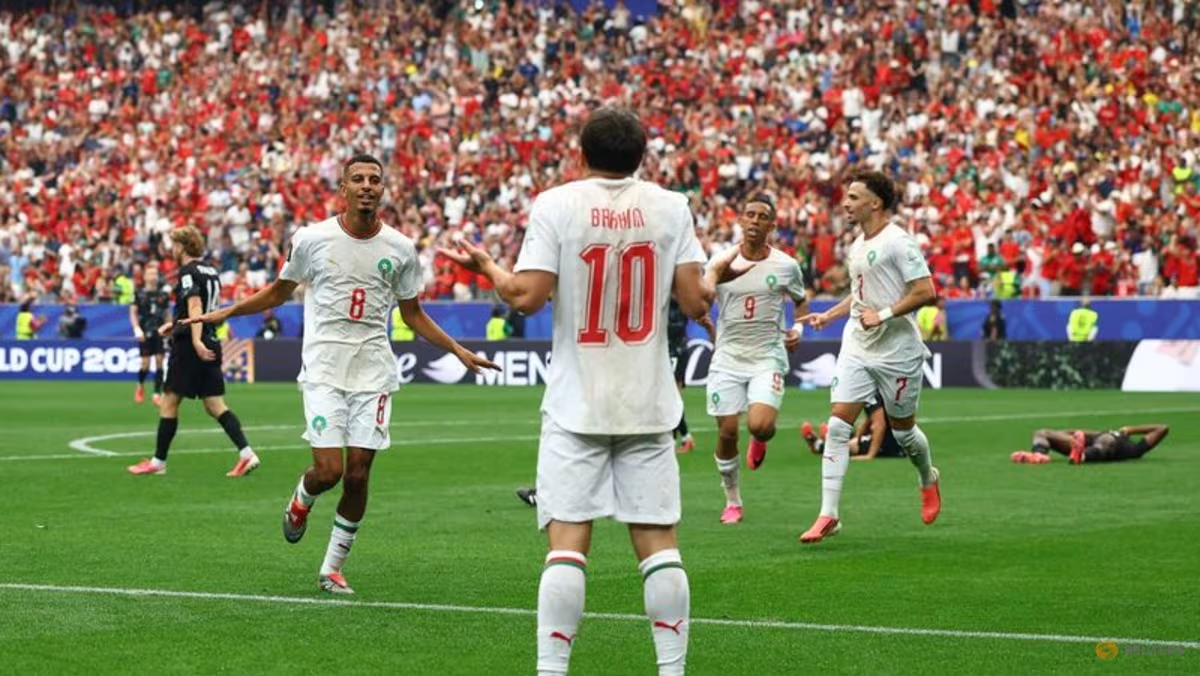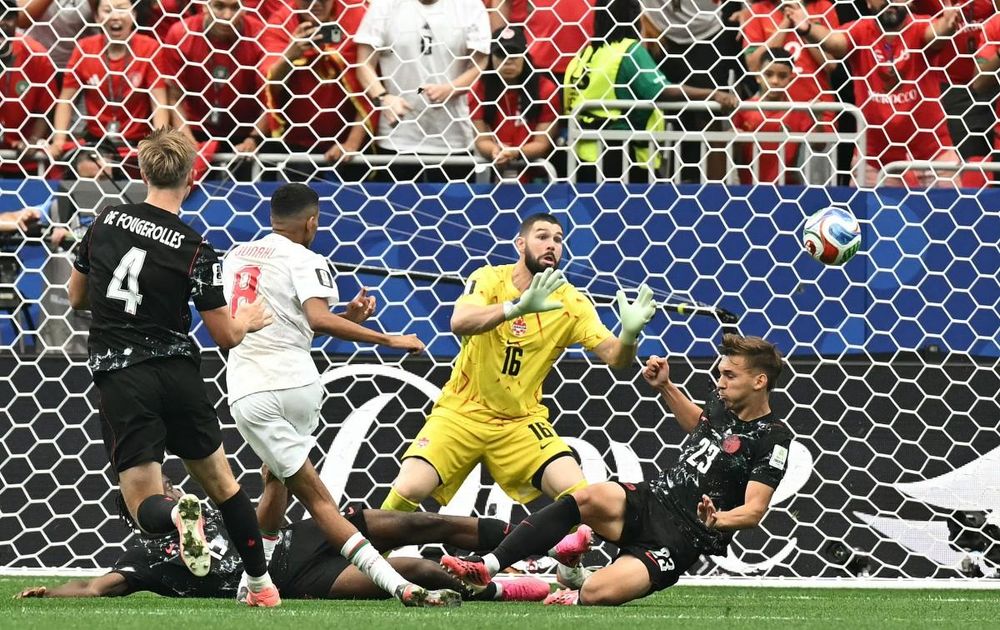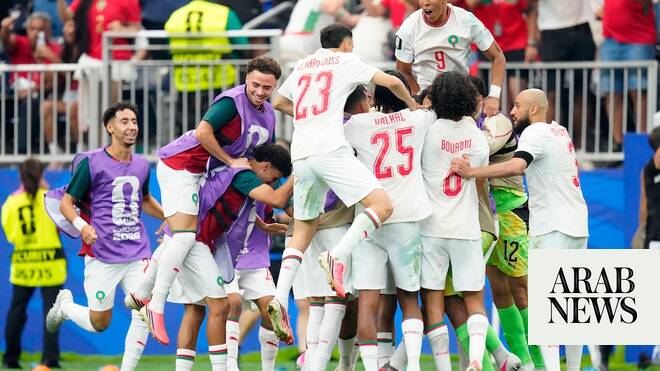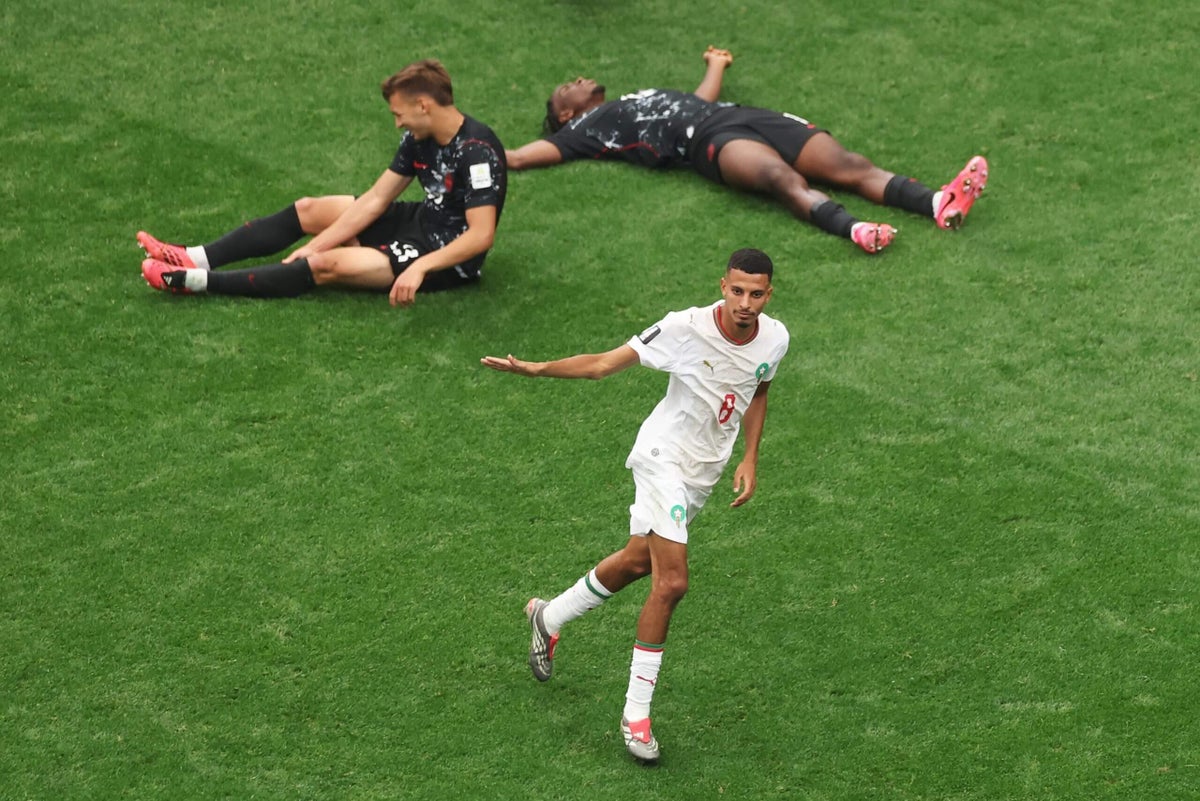
Canada’s dream World Cup came to an end on Saturday as it lost 3-0 against Morocco to exit the competition in the round of 16.The World Cup co-host had never even won a point at the competition before this edition of the tournament. Not only did it overcome draw against Bosnia and Herzegovina to achieve that feat in its first game, it beat Qatar, qualified from Group B and then managed to beat South Africa in the round of 32 to advance to this stage.However, Morocco, a team that reached the World Cup semi-finals in 2022, proved to be too much for Jesse Marsch’s team. Morocco will now play in a quarter-final on July 9.Canada was the better team during the first-half without creating any clear-cut chances. Morocco suffered a blow in the 22nd minute as Ismael Saibari had to leave the pitch with an injury.But after a difficult first-half for Morocco, it responded after the break. A well-worked free-kick in the 50th minute led to Azzedine Ounahi striking from the edge of the box to put his side ahead. Ounahi doubled his team’s lead in the 82nd minute, before Soufiane Rahimi added a third in added-time to wrap up the game.Here, The Athletic’s Joshua Kloke, Nick Miller, Carl Anka and Liam Tharme break down the key talking points.Canada’s dream ends, but how will the country reflect on it?You can use a lot of words to describe Canada’s World Cup run, and most of them should be positive.Canada getting out of the group stage, complete with one of the World Cup’s great barnstorming performances against Qatar, led an entire nation still curious about the sport to buy into this team’s possibilities. And then, with their first-ever knockout round win against South Africa, Canada showed they deserve to be classified in a different tier of international soccer.Yet Morocco is in a different tier, and the Canadian public need to understand that. Canada’s energetic and aggressive approach kept Morocco on its heels in the first half. That alone is worth celebrating, considering the gap in experience and quality between Canada and Morocco. Canada never stopped playing in a way that should have the country believing in their potential in future World Cups.In the end, it was the cunning game management that Canada lacked, as they have for some time now. That could come with experience. Considering where Canada finished at the 2022 World Cup – 31st of 32 teams – to where they finished on Saturday, this World Cup has to be viewed as a success for Canada.Joshua KlokeMorocco reaches the quarter-finals. Can it become the first African nation to win a World Cup?At the 2022 World Cup, Morocco defeated Canada 2-1 to close their group stage campaign on their way to a brilliant run to the semi-finals. Back then, their attack was charged by the likes of Hakim Ziyech on the wing and Youssef En-Nesyri’s phenomenal heading ability.Four years later, and the Atlas Lions have a squad that’s stronger and deeper than ever before. This 3-0 victory over Canada was good, but also comes after a successful (depending on legal rulings) AFCON campaign and further development of Morocco’s youth teams. There is no team stronger on the African continent. There is no nation better equipped to have a successful World Cup in 2030 (which Morocco will co-host with five other nations.Pele once predicted an African side would win the World Cup before 2000. In 2026, Morocco has reached the quarter-final stages with confidence and control.Rahimi celebrates his goal (Ronaldo Schmeidt / AFP via Getty Images)The problem is… their opponents will likely be France, a team that looks impervious. Morocco has some tactical weapons that can hurt Didier Deschamps’ side, particularly thanks to Achraf Hakimi’s buccaneering runs at full-back and Ayyoub Bouaddi’s technical security in midfield. But few would pick Morocco to defeat the likes of Kylian Mbappe, Michael Olise and co.The Athletic’s Jay Harris has written an excellent piece on how close African nations are to winning a World Cup, which you can read here.Morocco will join Egypt as the two CAF nations remaining in the round of 16. African football is stronger thanks to Morocco successful lobbying of FIFA to change its eligibility rules.Morocco is unlikely to be the first African side to win the World Cup in 2026. But in the future? Who knows…Carl AnkaWhere was Alphonso Davies?Even with Canada’s stirring World Cup that landed them further than some expected, there are still questions to ask about how their tournament unfolded. The most pressing one: what happened with their captain and star, Alphonso Davies?Davies entered the World Cup with a hamstring injury. Canada’s World Cup ended with Davies making just one substitute appearance in five total games. Davies, thought to be the face of Canadian soccer before this World Cup, did not appear in Canada’s final game.Why didn’t he play? Was Davies even fit enough to even play in this World Cup? If not, was it the right move to use a squad spot on him, considering the players that did not make the team? And with an independent specialist in Matthias Blankenburg essentially training Davies throughout the entire tournament, which was agreed upon by Davies, Bayern Munich and Canada, who was making the final call on when Davies would play?Canada could have used Davies’ pace to get back into the game after going 1-0 down to Morocco. But he stayed on the bench, ensuring his absence will linger over Canada’s World Cup long after its finish.Joshua KlokeDavies did not feature against Morocco (Kevin C. Cox/Getty Images)Was this the most physical game at this World Cup?At the very core of Canada’s approach under Jesse Marsch is intensity and physicality. Put simply, assistant coach Ewan Sharp has said, “It should feel like hell to play against us.”They had things played their way in the opening 45 minutes. Marsch had them defend in a zonal 4-4-2 and time their aggressive moments, waiting for passes to go wide before locking on to trap Morocco by the touchline. On multiple occasions, they made regains and should have produced more shots from those quick attacks.What cost them was being a little too physical, even if English referee Michael Oliver was whistle-happy. Canada made 15 fouls in the first half, the most by a team in a men’s World Cup match since Marcelo Bielsa’s Chile in 2010 against Spain.
Canada’s dream World Cup ends with Morocco through but where was Alphonso Davies?
Canada's dream World Cup came to an end on Saturday as it lost 3-0 against Morocco to exit the competition in the round of 16
1,741 words~8 min read