Understanding DMARC and the 'p=none' Policy
DMARC (Domain-based Message Authentication, Reporting, and Conformance), defined in RFC 7489, is an email authentication protocol. It builds upon SPF (Sender Policy Framework, RFC 7208) and DKIM (DomainKeys Identified Mail, RFC 6376) to provide domain owners with greater control. DMARC instructs recipient mail servers on how to handle emails that fail authentication and provides reporting on these failures.
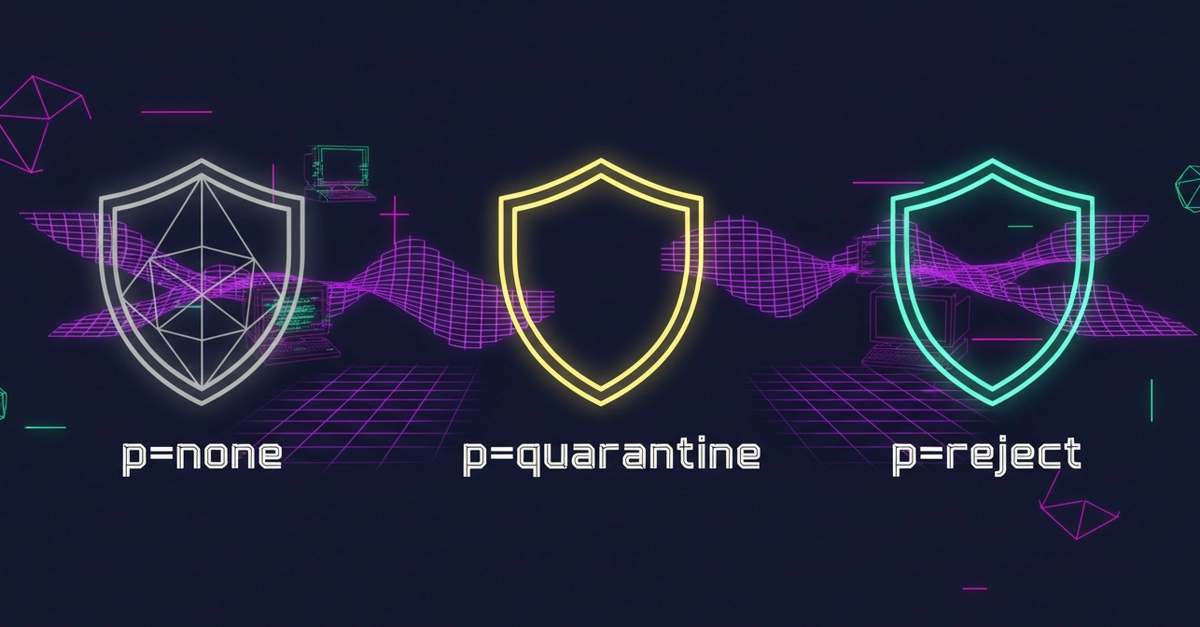
The p=none policy is often adopted as a preliminary step in DMARC implementation. It instructs recipient servers to take no specific action on emails failing DMARC alignment. Its primary function is to enable the collection of aggregate and forensic reports without impacting email deliverability.
Many organizations view p=none as a safe, non-disruptive way to begin their DMARC journey. This initial perception, however, overlooks critical security implications. While it offers visibility, p=none provides no actual enforcement against malicious email.
The Critical Security Vulnerability of p=none