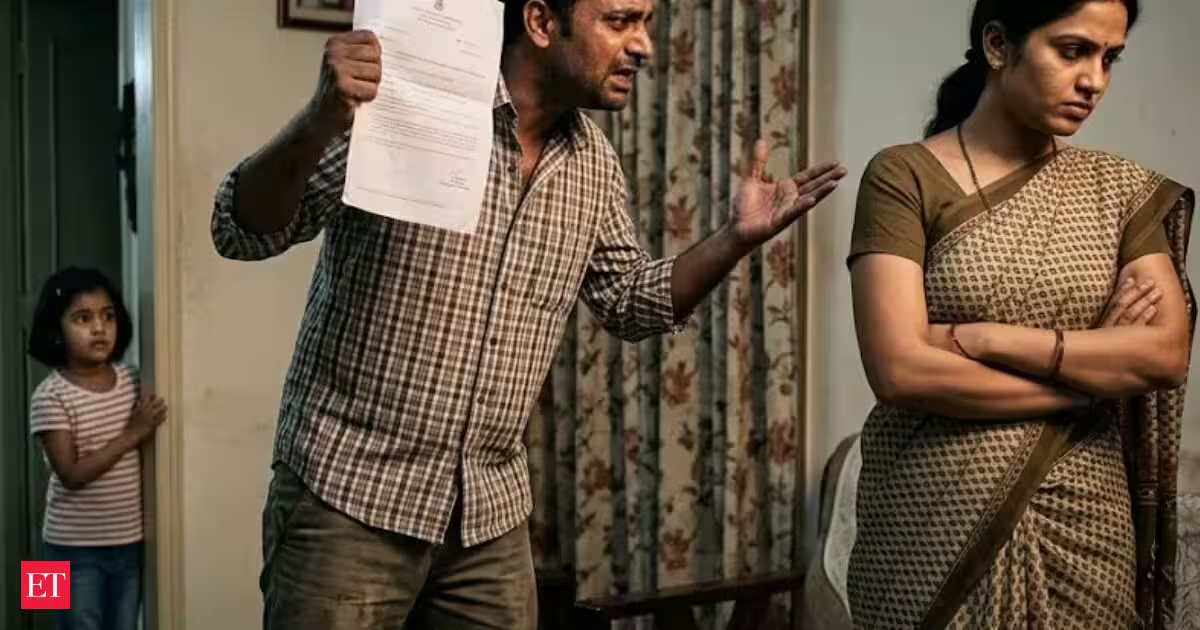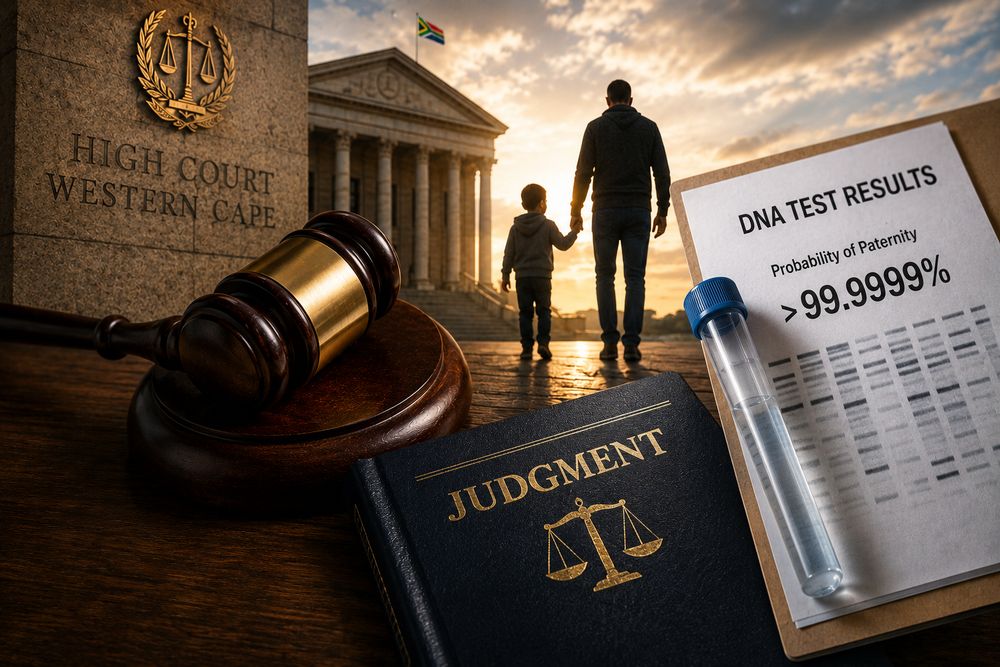
New Delhi: A child’s right to establish their biological parentage prevails over concerns of social stigma or the reputational interests of adults, the Delhi high court has held, while upholding a trial court’s order for a man’s DNA test to ascertain paternity.In the present case, the man challenged the trial court’s March 2024 order directing DNA testing of him and three children born to a woman claiming to be his wife to determine their paternity. (Representative photo)A bench of justice Swarana Kanta Sharma, in its verdict delivered on Friday, held that children cannot become casualties of adult choices, since determination of a child’s parentage is fundamental to their identity and legal entitlements, including maintenance and is also connected with their identity and dignity.In its 32-page judgment, the court observed that the law cannot permit adults to enjoy the privileges of personal choice while shifting the resulting burdens onto children born from those choices.The constitutional guarantee of personal liberty must be accompanied by personal accountability, it added.“The law, however, cannot permit history to be rewritten merely because a person’s present social circumstances make him uncomfortable about his past. To contend that permitting a DNA test would cause grave injustice to the petitioner and his legally wedded wife is, in essence, to argue that the judicial process should refrain from uncovering facts merely because the truth may cause embarrassment,” the court held.In the present case, the man challenged the trial court’s March 2024 order directing DNA testing of him and three children born to a woman claiming to be his wife to determine their paternity.The man, who married in Bihar in February 1986, was later sued for maintenance by another woman, who alleged that she had married him in Delhi in May 1991 and that they had three children together. She claimed they lived as husband and wife until he abandoned her and the children in 2005 and failed to provide maintenance. Denying the allegations and disputing the alleged marriage, the man challenged the trial court’s decision permitting DNA testing to establish the children’s paternity.The man, through his lawyer Babita Seth, asserted that conducting a DNA test would harm his reputation since his legally wedded wife holds a public office.Opposing the plea, the woman, through advocate Sarthak Karol, contended that the direction for a DNA test went to the root of the dispute in the maintenance proceedings as the man had consistently denied both their marriage and the paternity of the three children. She argued that determining paternity was foundational to adjudicating their claim for maintenance and that the Family Court had rightly exercised its discretion in ordering a scientific examination.In its ruling, the court, however, upheld the order, saying, “In such peculiar facts and circumstances, the direction for DNA testing cannot be termed as a mechanical exercise of jurisdiction.”
HC upholds paternity DNA test order, prioritises child’s right over stigma
The Delhi High Court upheld a DNA test order for paternity, stating a child's right to know their parentage outweighs adult reputational concerns. | Latest News Delhi
468 words~2 min read