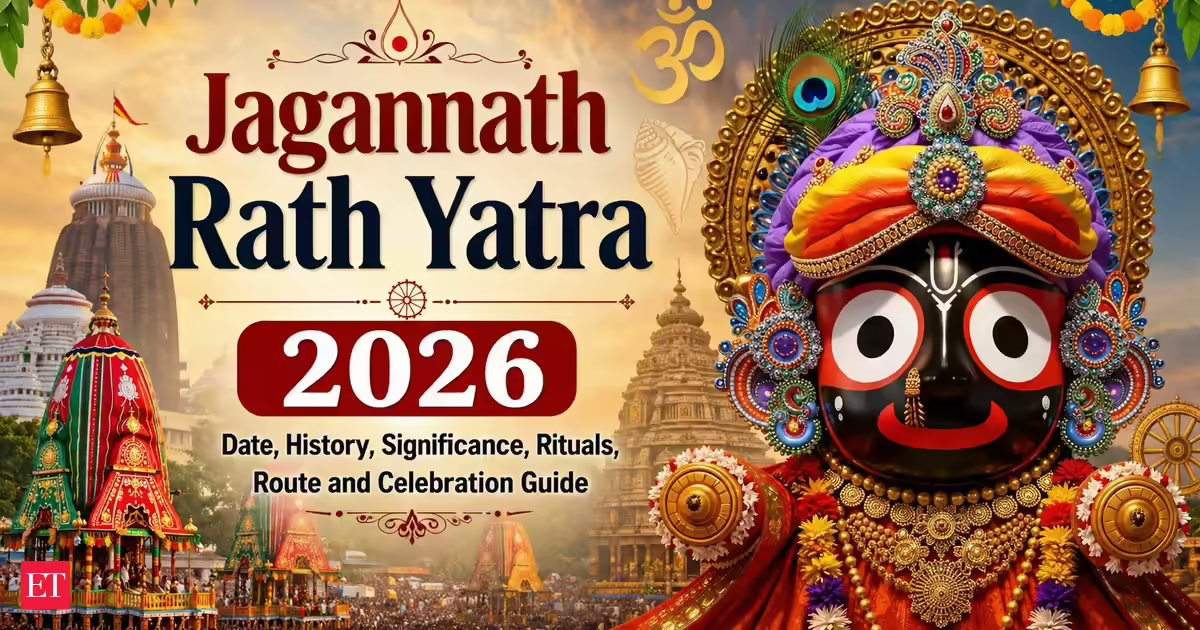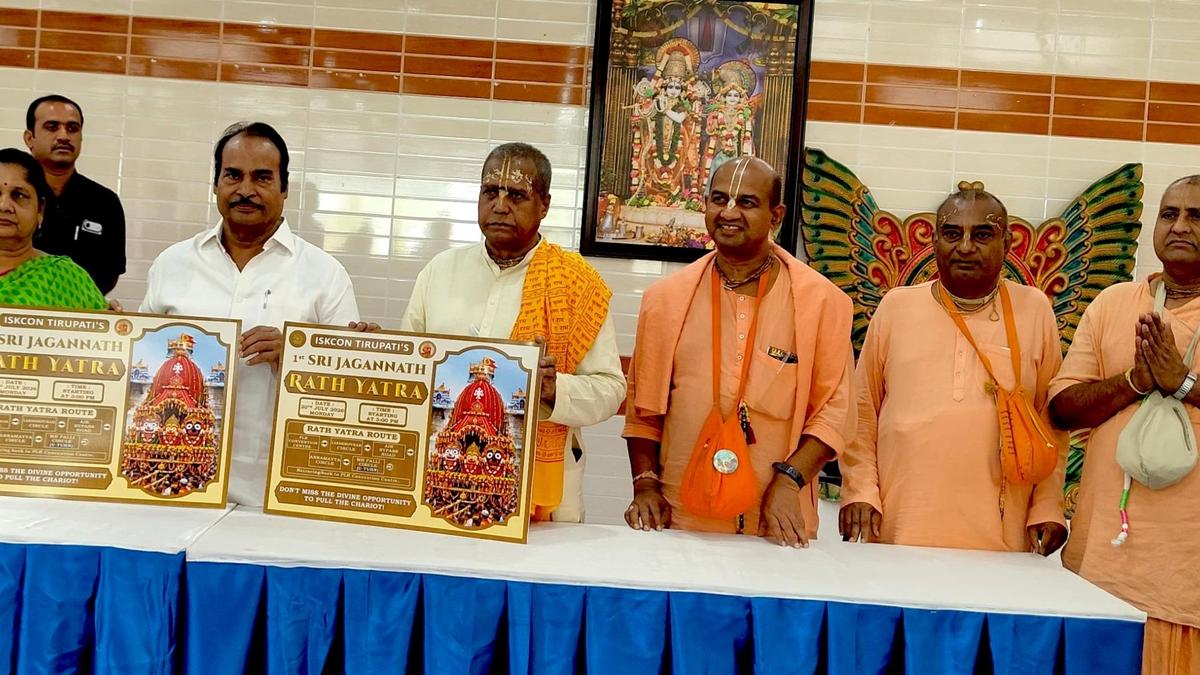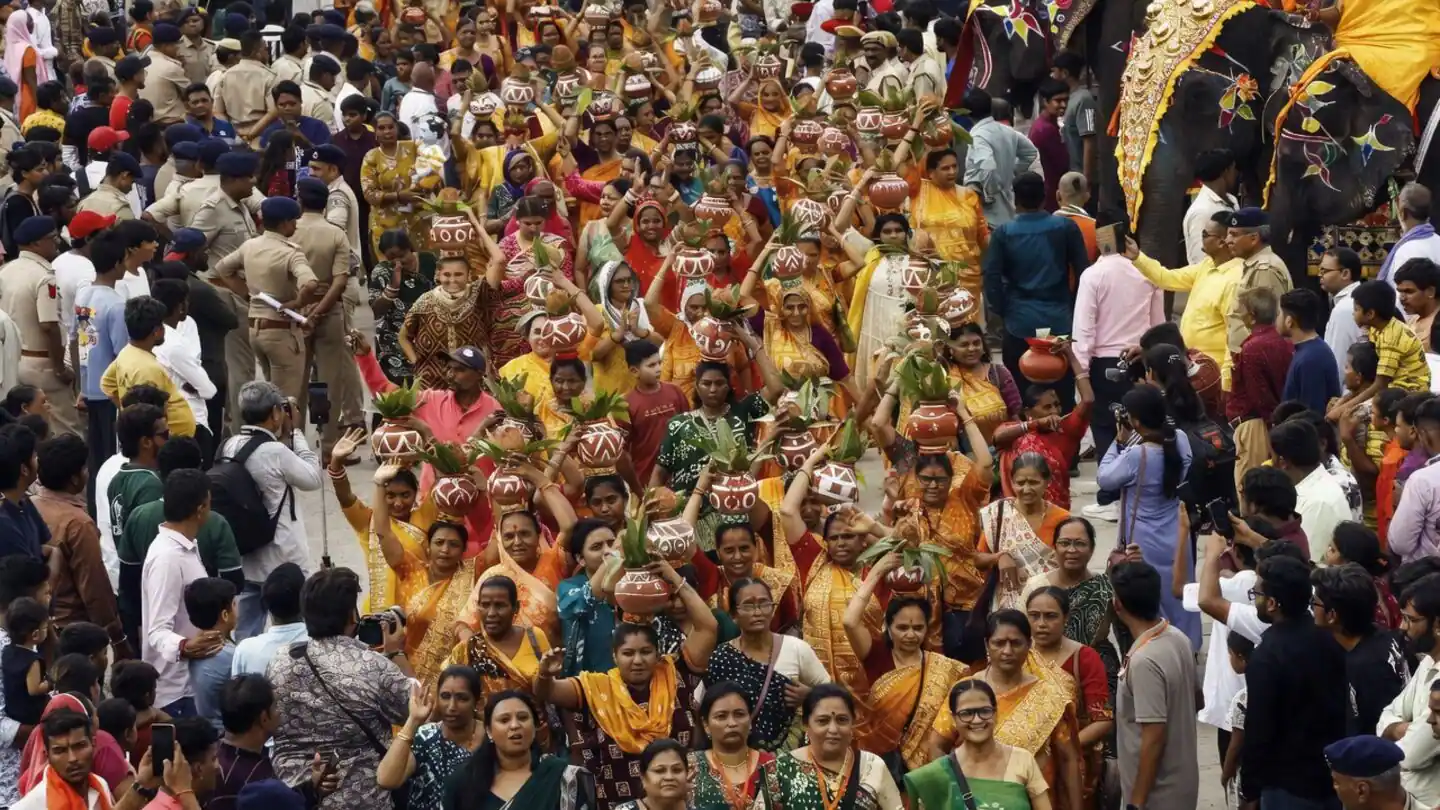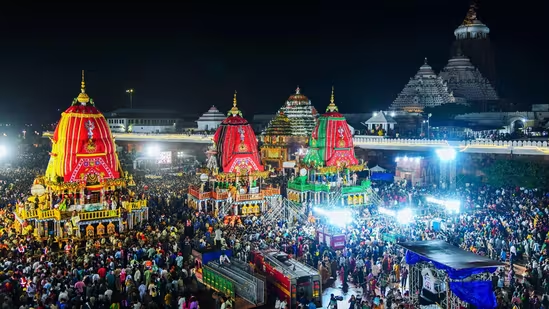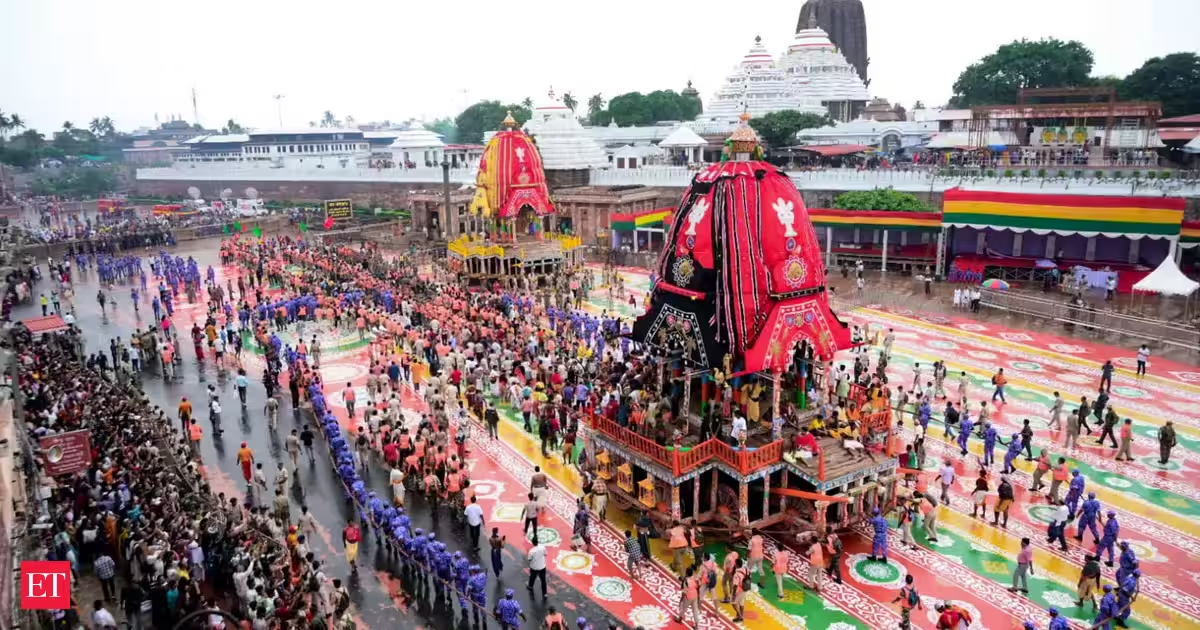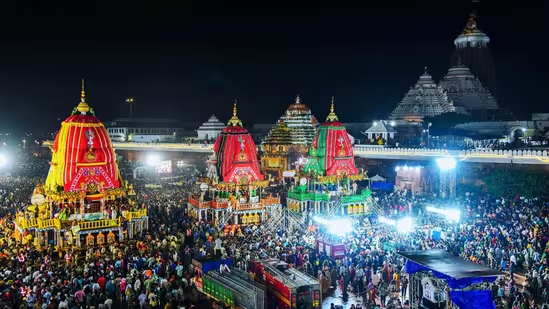
Rath Yatra, one of the most celebrated festivals dedicated to Lord Jagannath, is approaching. Observed with grand processions in Puri and celebrated across India, the festival holds deep religious significance. According to Vedic astrologers, it is also considered a spiritually powerful time for reflection and new beginnings. For many devotees, it marks a period of devotion, renewal and seeking divine blessings.According to temple sources, the deities adorn around 30 different designs of ornaments which include gold, diamond, silver and other precious metals. (PTI)Also Read Mercury Retrograde 2026: Date, time, and astrological significanceRath Yatra 2026 Date and timings:According to the traditional Hindu lunar calendar and Drik Panchang, Rath Yatra will be observed on Thursday, July 16, 2026, on Ashadha Shukla Dwitiya.Dwitiya Tithi Begins - 11:50 AM on Jul 15, 2026Dwitiya Tithi Ends - 08:52 AM on Jul 16, 2026When is Bahuda Yatra (Ulto Rath) 2026?The return journey, known as Bahuda Yatra or Ulto Rath, will be celebrated on Friday, July 24, 2026.What is the astrological significance of Rath Yatra?According to Vedic astrologers, Rath Yatra falls during Ashadha Shukla Dwitiya, the second lunar day of the waxing Moon. The waxing phase is believed to symbolize growth, optimism and fresh beginnings, making this period spiritually auspicious.Astrologers believe the symbolic journey of Lord Jagannath, accompanied by Lord Balabhadra and Goddess Subhadra, represents moving forward in life with faith while letting go of emotional burdens and past obstacles. The festival is therefore seen as a favourable time for introspection, strengthening family bonds and beginning a new spiritual chapter.Many Vedic astrologers also recommend using this period for:Prayers and meditationActs of charity (daan)Seeking forgiveness and emotional healingSetting spiritual intentionsVisiting temples and participating in devotional activitiesWhy is Snana Yatra important?Rath Yatra is preceded by Snana Yatra, the ceremonial bathing festival of Lord Jagannath, Lord Balabhadra and Goddess Subhadra. During this ritual, the deities are bathed with 108 pots of sacred water drawn from the Sona Kua (Golden Well) inside the Jagannath Temple.According to Hindu tradition, the deities then enter the Anasara period, during which they are believed to rest before reappearing for the grand Rath Yatra procession.Why is Rath Yatra celebrated?According to Hindu tradition, Lord Jagannath, along with Lord Balabhadra and Goddess Subhadra, travels to the Gundicha Temple, where the deities stay for seven days before returning to the Jagannath Temple during the Bahuda Yatra.Beyond its religious importance, the festival also holds cultural significance, particularly in eastern India. In West Bengal, Rath Yatra is often seen as the symbolic beginning of the countdown to Durga Puja, with communities preparing for the festive season that follows.
Rath Yatra 2026: Date, timings and astrological significance
According to Vedic astrologers, Rath Yatra is also considered a spiritually powerful time for reflection and few beginnings.
427 words~2 min read