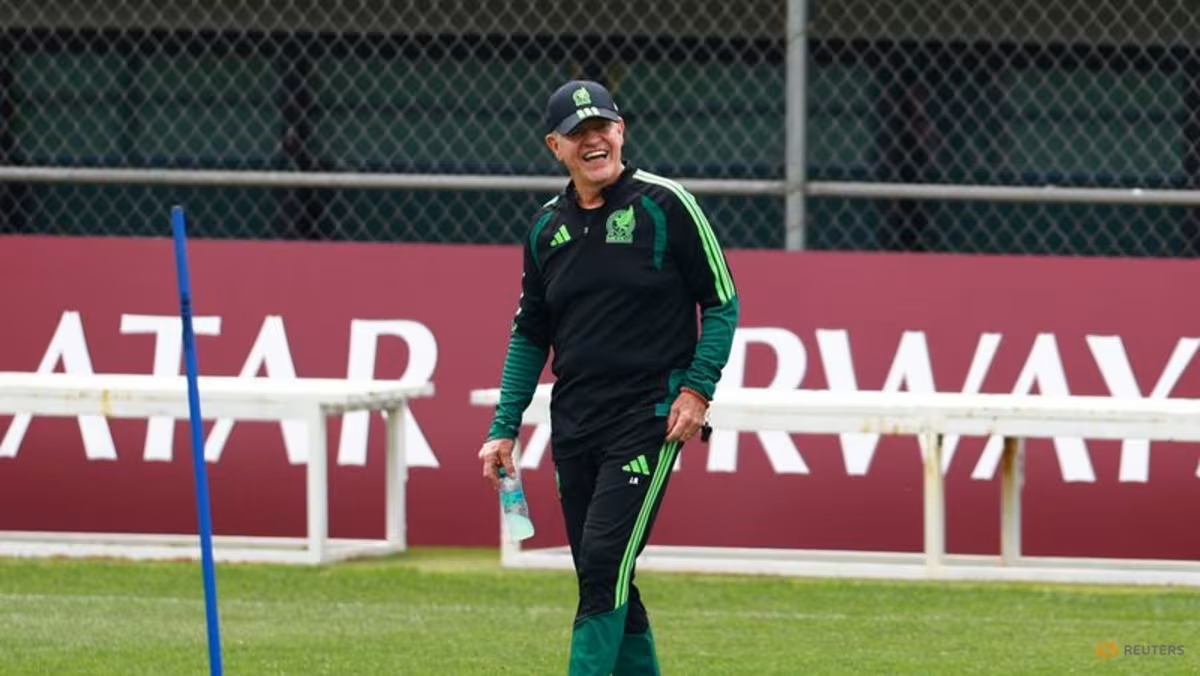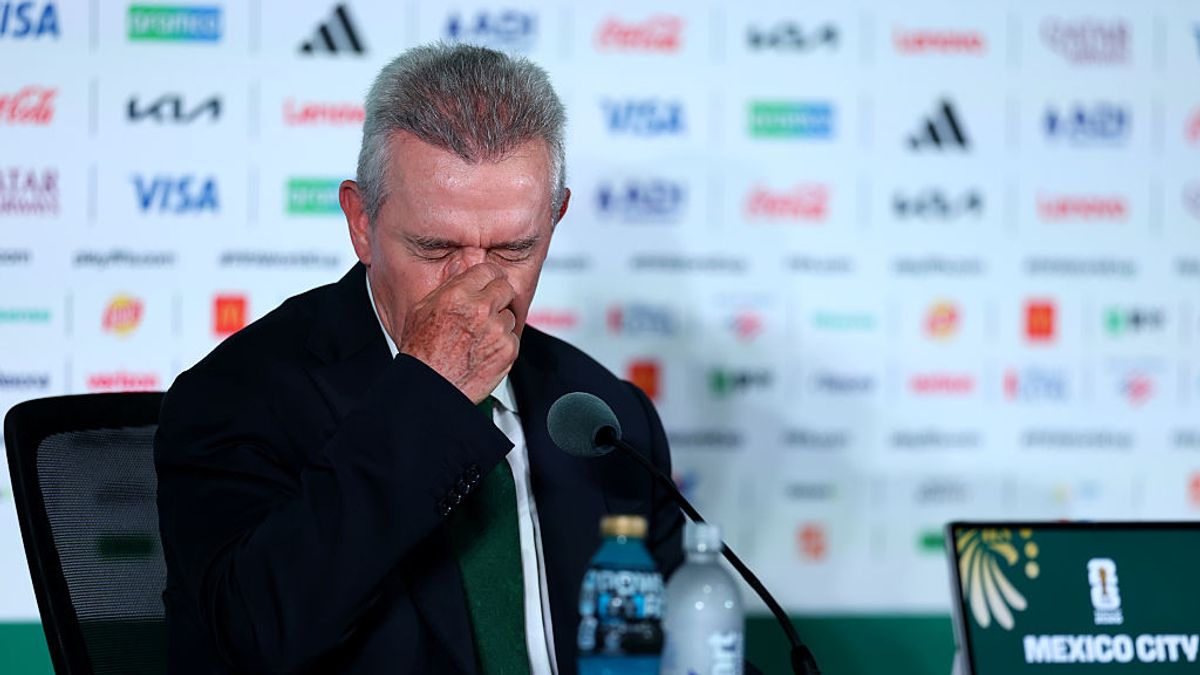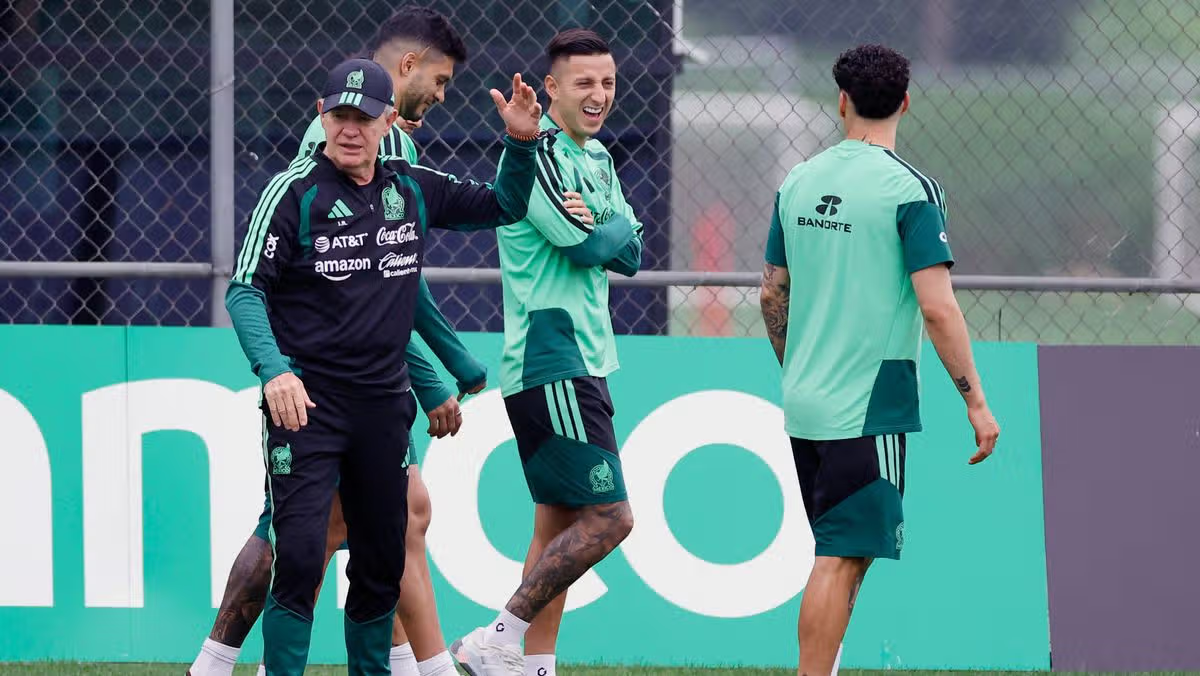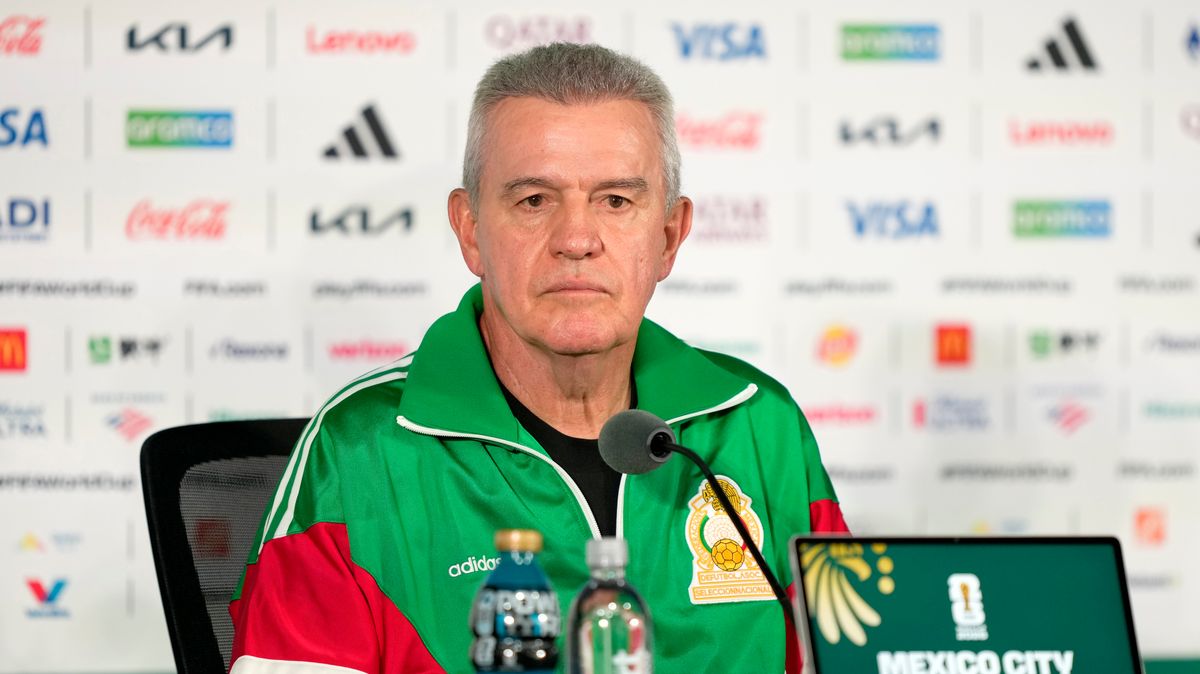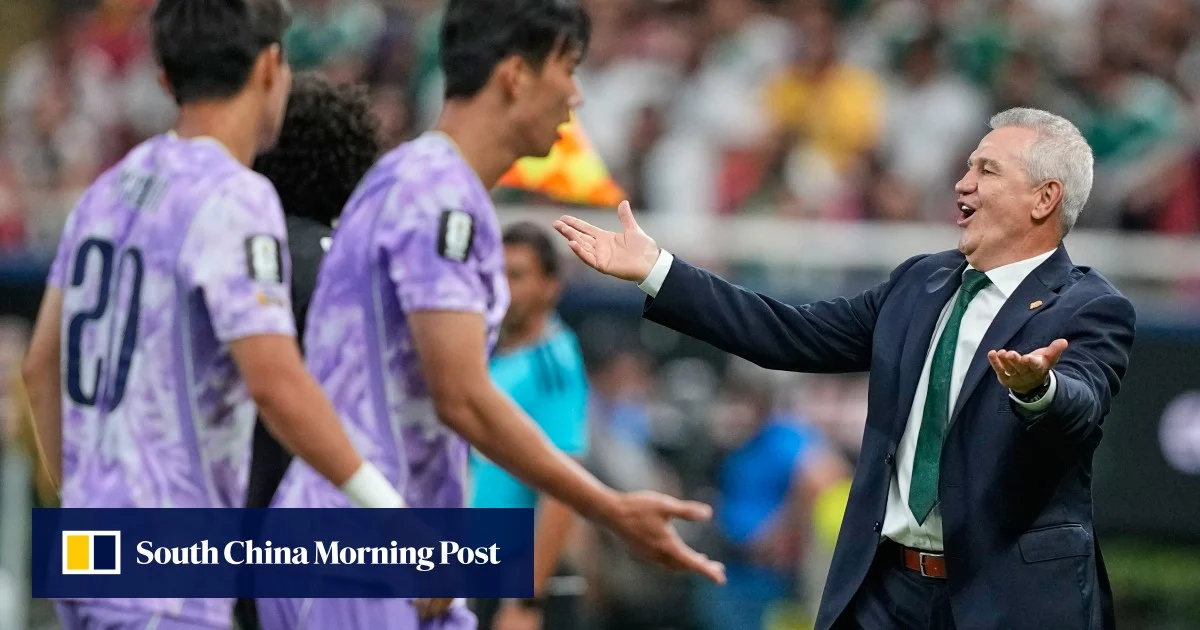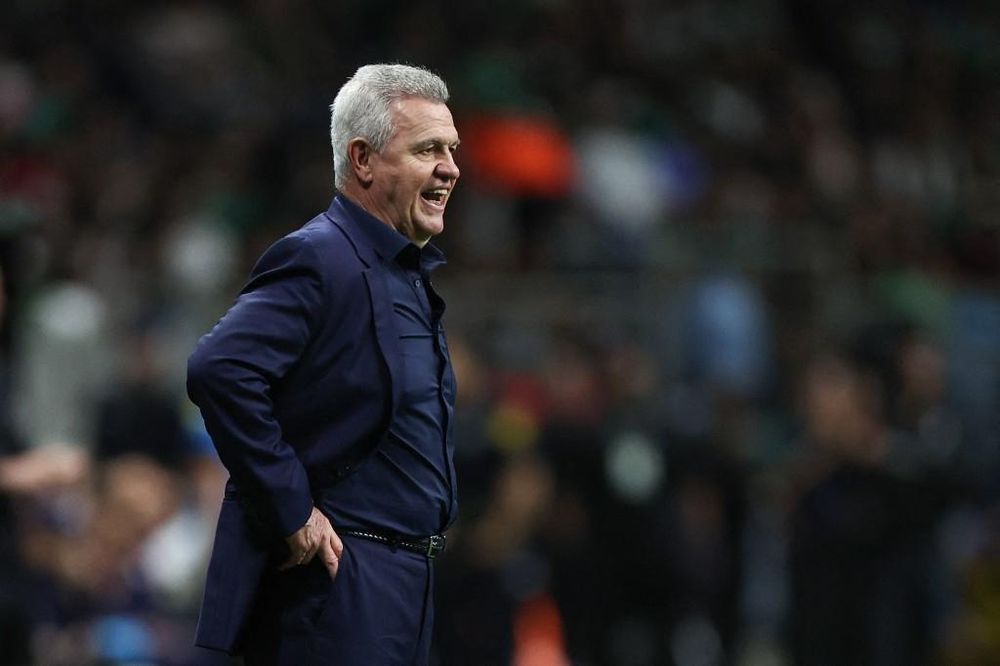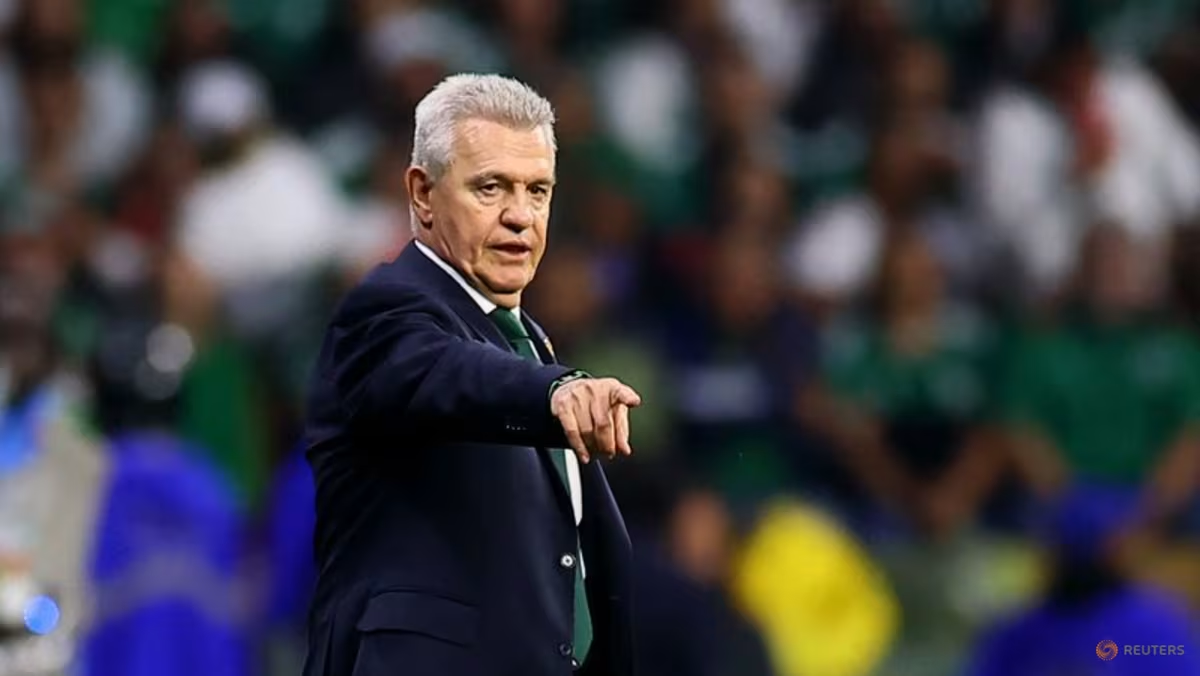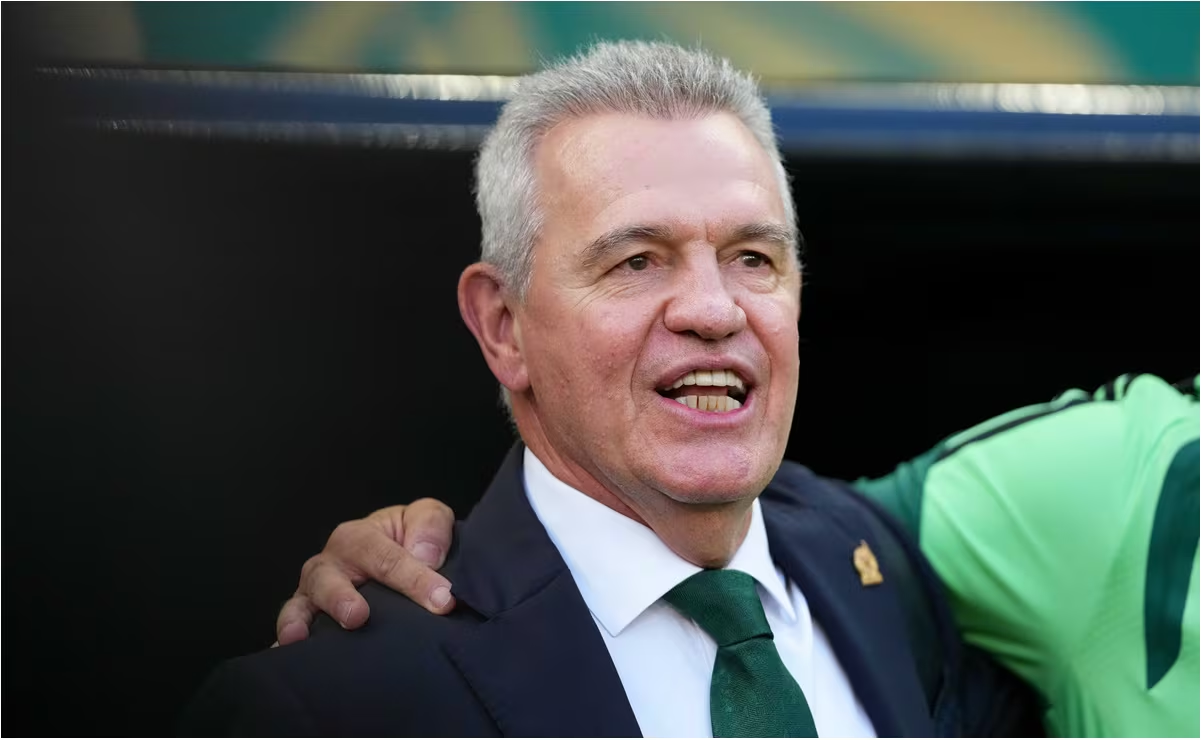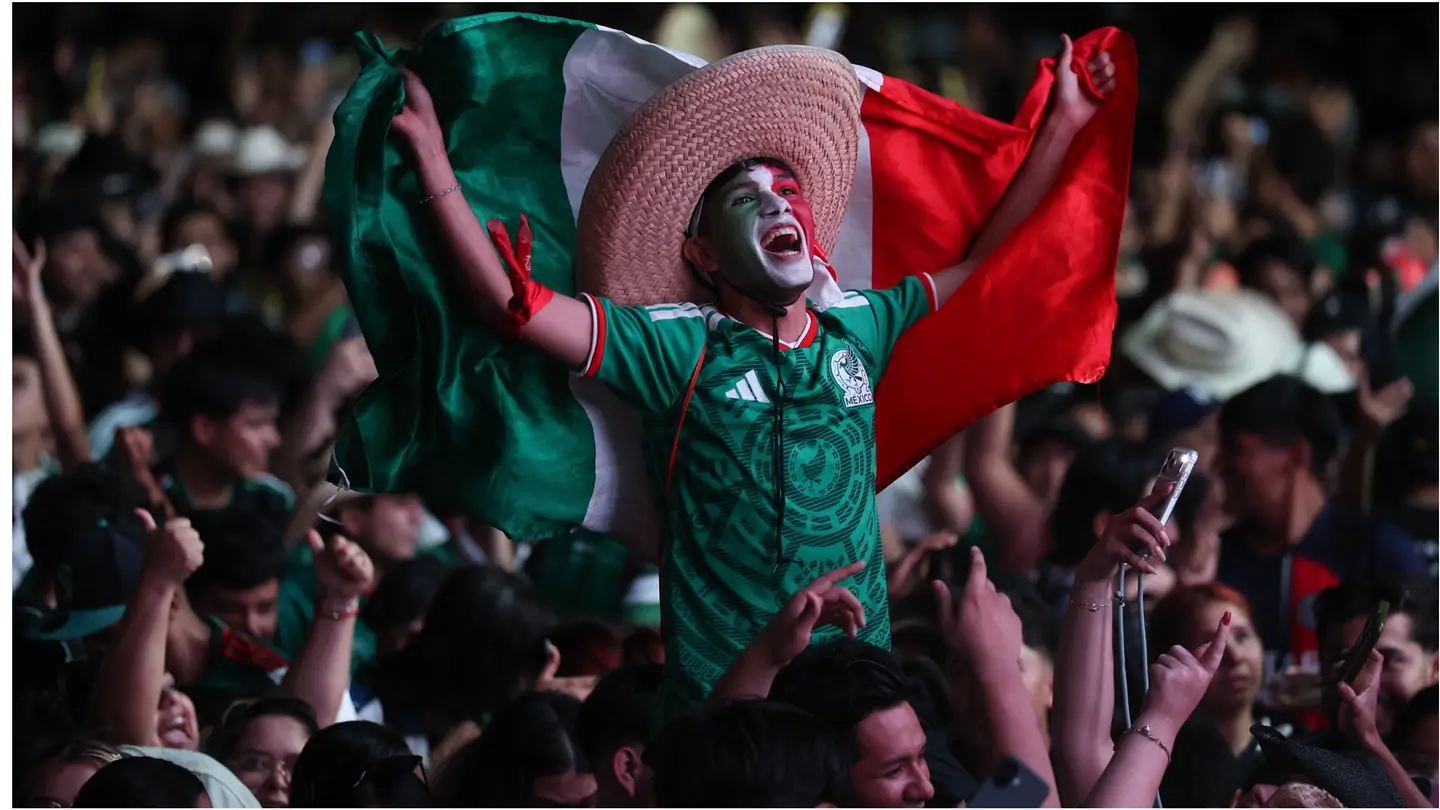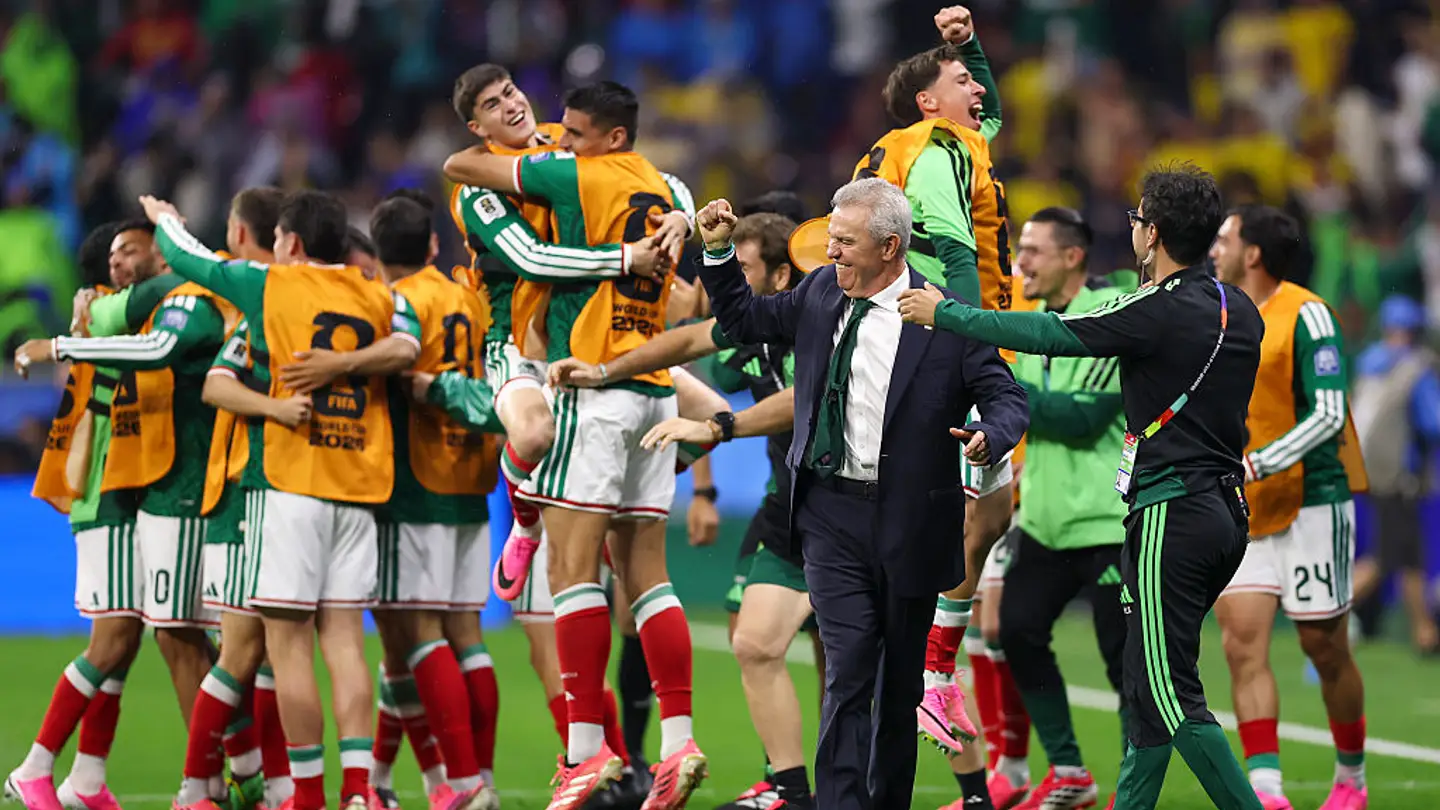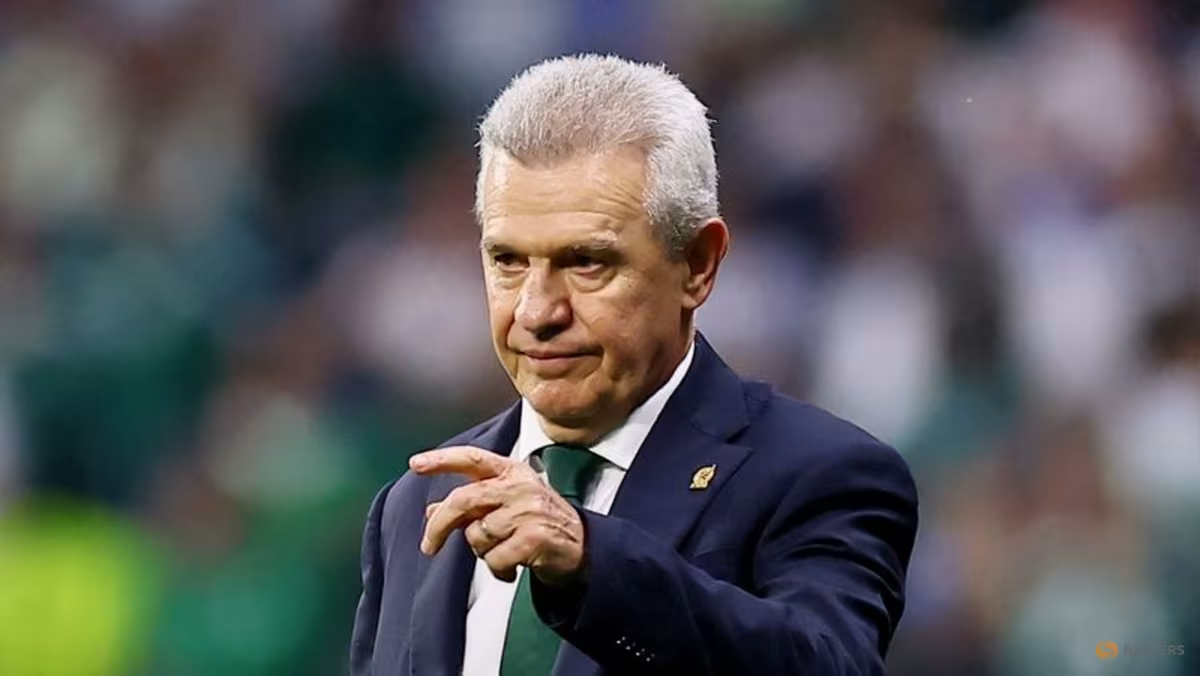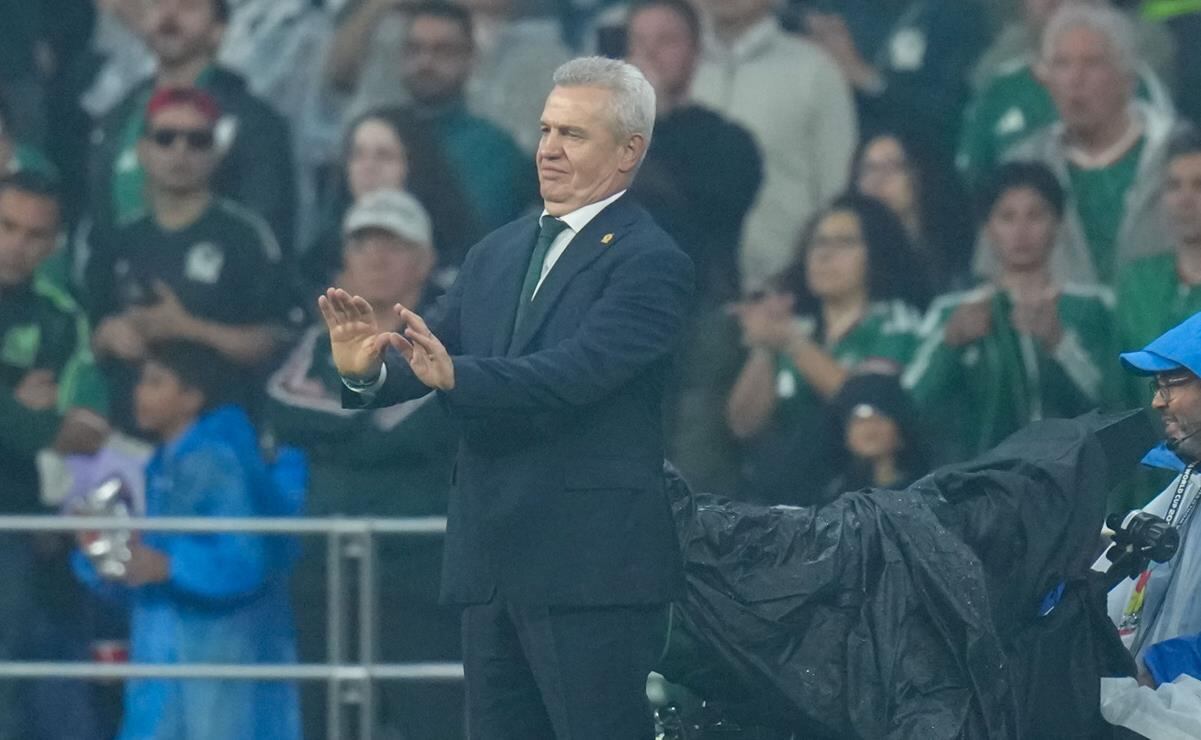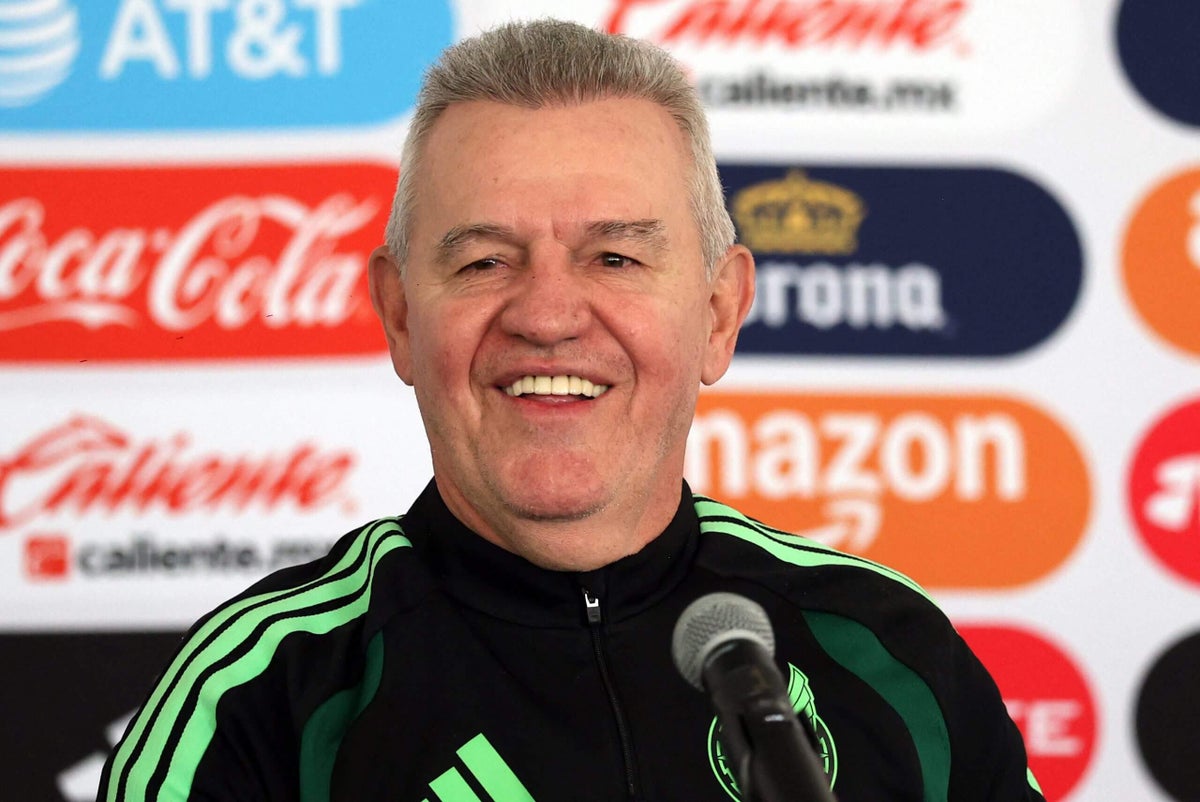
Get free access to the most comprehensive World Cup coverage in The Athletic app.Forty years ago, Javier Aguirre could not stop his tears.He was sent off in extra time in Mexico’s home World Cup quarter-final against West Germany. Mexico lost that game on penalties but Aguirre was not crying because of his red card or the result. He was emotional because it was over.“That group we had built together was going to break up and it wouldn’t ever happen again,” Aguirre told ESPN in 2020.Little did Aguirre know at the time but that experience would define a managerial career that has passed 900 matches. He was inspired by Bora Milutinovic, Mexico’s head coach from that tournament, to set off on his own coaching path.On Sunday, Aguirre’s Mexico will host England in the World Cup last 16. His nation are again the hosts. A lot has changed in those four decades, but Aguirre’s priority has been to ensure the Mexico spirit of 1986 has not: that togetherness, grittiness, work rate and fighting spirit.For the 67-year-old, his career has come full circle.Aguirre grew up in the Lindavista neighborhood of Mexico City. His teenage years were spent watching the Oakland Athletics dominate the World Series in the early 1970s but his football ability made more of an impression than his baseball skills.His parents had migrated to Mexico from the Basque region of Spain. Few figures are as synonymous with Mexican football as Aguirre, now in his third stint coaching the national team after being in charge for the 2002 and 2010 World Cups, but this co-exists with his El Vasco nickname. He grew up in a Basque-speaking home and he named his sons Iker, Ander, and Inaki — all traditionally Basque — in what he said was a “tribute and show of gratitude” to his own upbringing.Aguirre greets Diego Maradona ahead of a match between Argentina and Mexico at the 2010 World Cup (Alex Livesey/Getty Images)“I have an identity crisis,” Aguirre has said. “In Mexico, I am known as the Basque. In Spain, I am known as the Mexican.” His European passport helped his pathway of managing six clubs in Spain’s La Lig, but his “dream” job of managing Athletic Club from Bilbao — another nod to his familiar ties — has never come to fruition.Within Spain, Aguirre gained a reputation as a firefighter: a coach who could enter a club and make an immediate impact, conveying his ideas quickly and overseeing an upturn in results. Aguirre consistently makes his teams more aggressive, more direct, defensively organised and tactically disciplined.He simplifies tactical instructions to ensure full player buy-in and, he believes, to give them more confidence. For Aguirre, player self-belief is everything and gives him credit to oversee physically tough, intense training sessions.Why Estadio Azteca is Mexico’s secret weaponJack Lang and Rachael TindeAt this World Cup, Mexico have not conceded a goal through their four matches. The Estadio Azteca, which will host the England game, sits 2,240 metres above sea level, which not only gives the hosts an acclimatisation advantage but shifts greater focus onto physical stamina and endurance.Aguirre has described his own playing career as “mediocre” and he only made it because of his work-rate. His one non-negotiable is that his players take a similar approach and are exhausted when leaving the pitch.He is also an engaging orator and raconteur. He speaks candidly to the media, to his players, and to officials, using vulgarities and swear words liberally regardless of his target audience. He once defended his red card for swearing at an official by justifying himself: “That’s just the way I talk. ‘Hijo de p–a’ is something I say a dozen times a game.”Aguirre’s interviews are carefully edited with bleeps, censoring the ‘cabr—s’, the ‘hijos de p—s’ and ‘carambas’. In one infamous press conference, he explained to a Spanish audience the difference between their interpretation of graphically insulting another’s mother was different than his understanding in Mexico.Often, before games, he will walk around his side’s dressing room and look into the eyes of everyone in his team, telling them how they’re going to make their opponent cry.This unvarnished, no-nonsense authenticity helps explain Aguirre’s relatability with players and his ability to convey his instructions. It is a perceived sincerity and authenticity that helps explains his popularity, and allows him to get away with techniques that others might not.In 2011, Aguirre devised a technique to motivate his Real Zaragoza players ahead of a league match against Real Madrid. He had been clandestinely messaging the wives and partners of his players with instructions to focus minds and subliminal motivations to the players.Ahead of the game, he brought the players into a meeting and showed them a video which was a compilation of the players’ partners, one by one, addressing the camera with the paraphrased message: “I love you, but you have to win this bloody game”.Aguirre is thrown in the air by his Mexico players after winning the 2025 Gold Cup (Robbie Jay Barratt/Getty Images)Aguirre’s directness can often come across as derogatory. At Mallorca, he described his striker Vedat Muriqi as a “weird, ugly monster”. This, however, was intended to be and was received as a compliment. “He’s right, and there must something wrong with my wife’s eyesight,” Muriqi responded, before adding: “And Aguirre’s not so handsome, either.” Muriqi continued he felt comfortable to speak with Aguirre about anything.The coach’s sincerity can sometimes get the better of him. When interviewed on Spanish TV after Mallorca drew against Barcelona, he was shown a replay of his striker Cyle Larin missing a wonderful chance to score a late winner.xAguirre could not hide his frustration: “You can’t miss that … shoot at goal! My boy … you should be regretting that.”Despite speaking fluent English, complete with colourful swearing, Aguirre has never managed in England nor has he ever been on the radar of English clubs. Basque coaches have been flavour of the month in the Premier League in recent years: Xabi Alonso joining Andoni Iraola, Unai Emery, Mikel Arteta and, previously, Julen Lopetegui.Aguirre, now 67, may not fit the profile of club’s preferred managerial shortlists. His achievements are notable. Osasuna’s only top-four La Liga finish came under Aguirre in 2005. That same season, he guided the club to their first Copa del Rey final and coached in the final 18 years later with Real Mallorca. His managerial career has spanned three decades and his methods have continued to convince players they can compete a higher level.He has shown no sign of slowing down. “You are born with it, that passion,” Aguirre told Mexican outlet Excelsior in 2015. “That passion will stay with me as long as my body holds out.” His straight-talking and cliche-less approach hasn’t stopped, either.Aguirre’s red card against West Germany in 1986 started a miserable run for Mexico. It was the first of eight World Cup knockout matches that they failed to win. That pattern of results lasted four decades, but Mexico’s two-goal victory over Ecuador in the last-32 stage this summer finally ended it.“I need a whiskey now,” Aguirre said after the win. “A small shot of whiskey, with ice. I have run out of it in my room.” He finished by adding: “Oh well… just don’t tell anyone.”
Meet Javier Aguirre: Mexico’s charismatic, foul-mouthed manager aiming to take down England
Aguirre is at his fourth World Cup with Mexico - his third as their head coach - and is unlikely to back down without a fight
1,209 words~5 min read