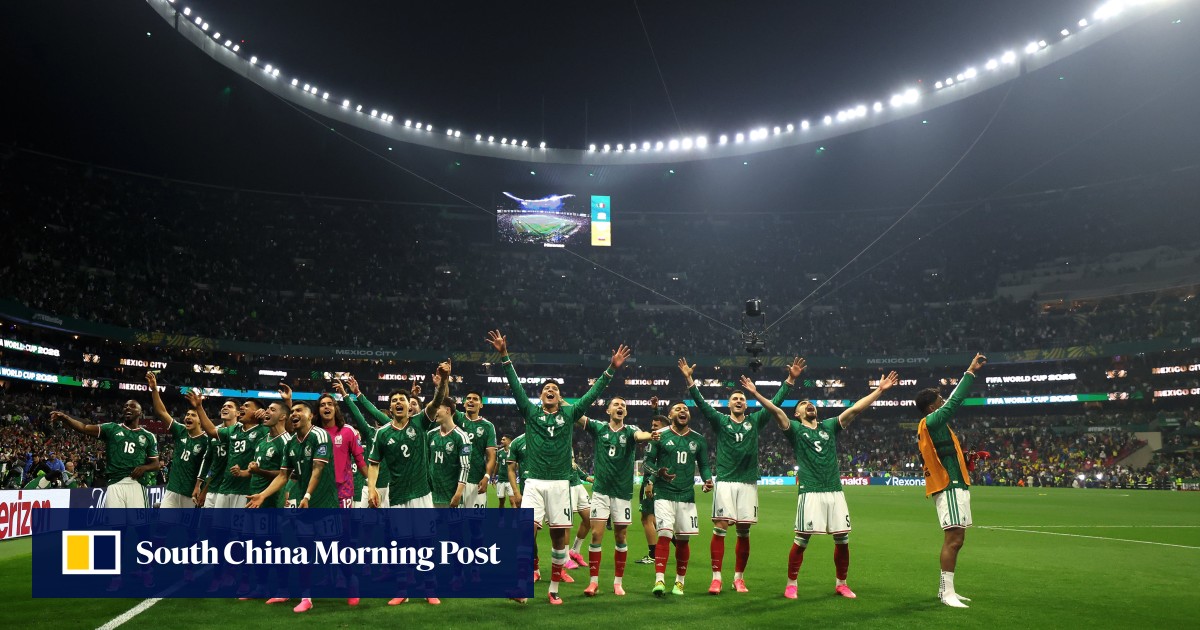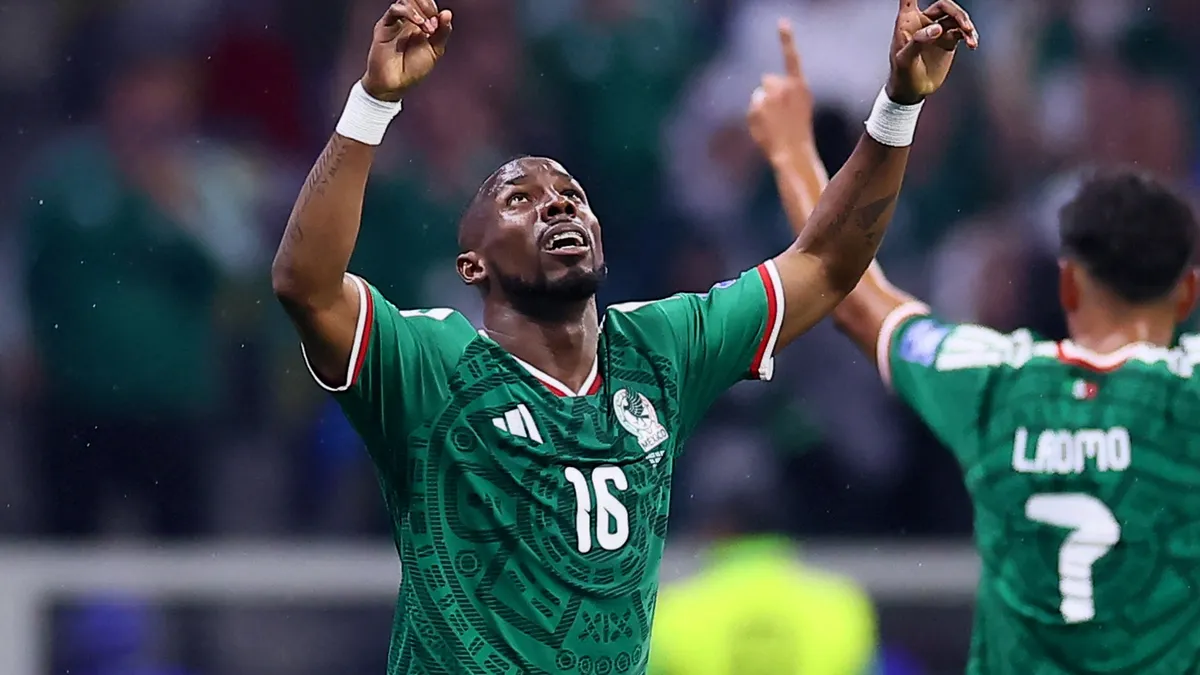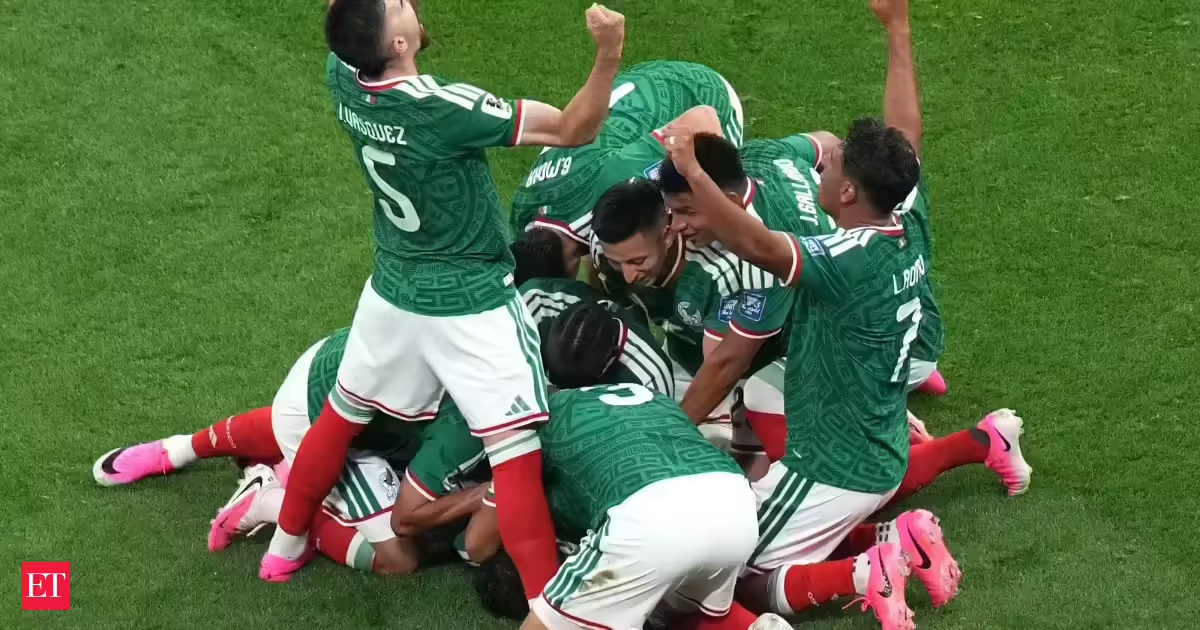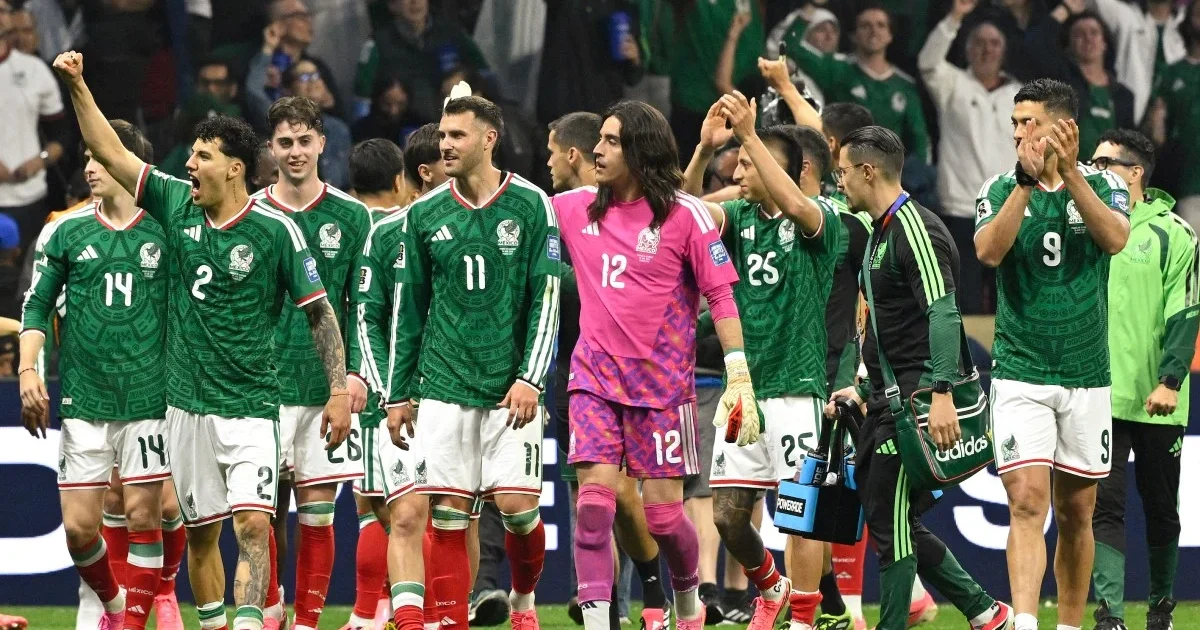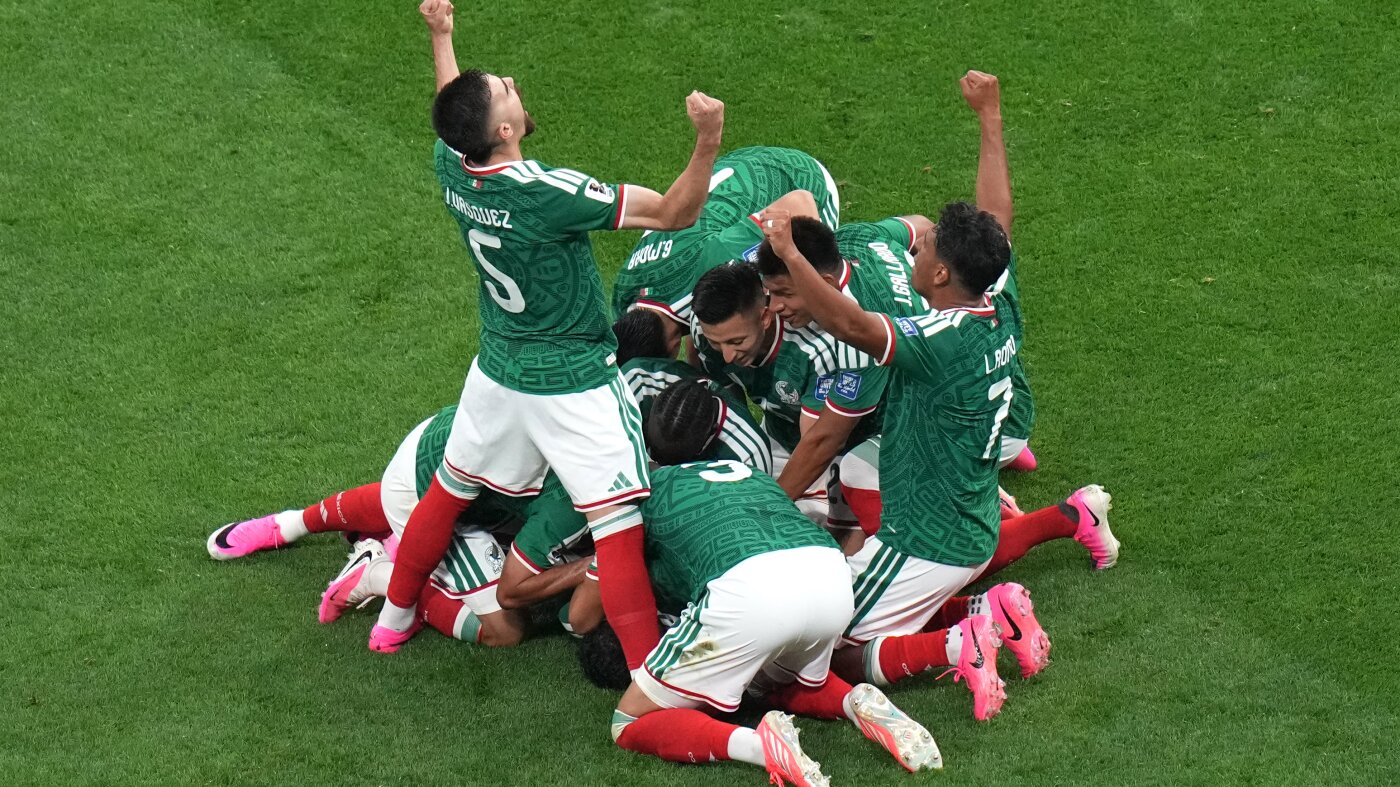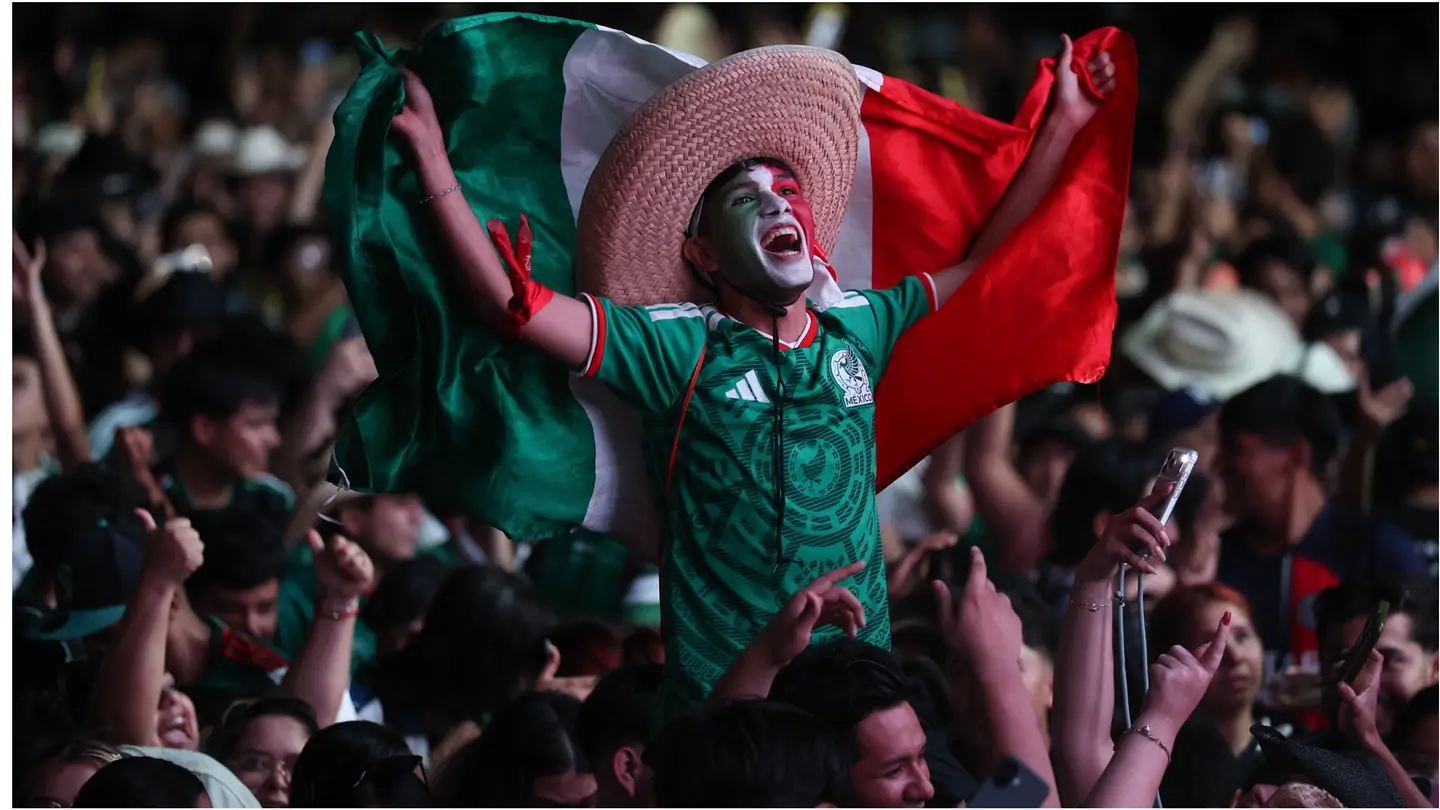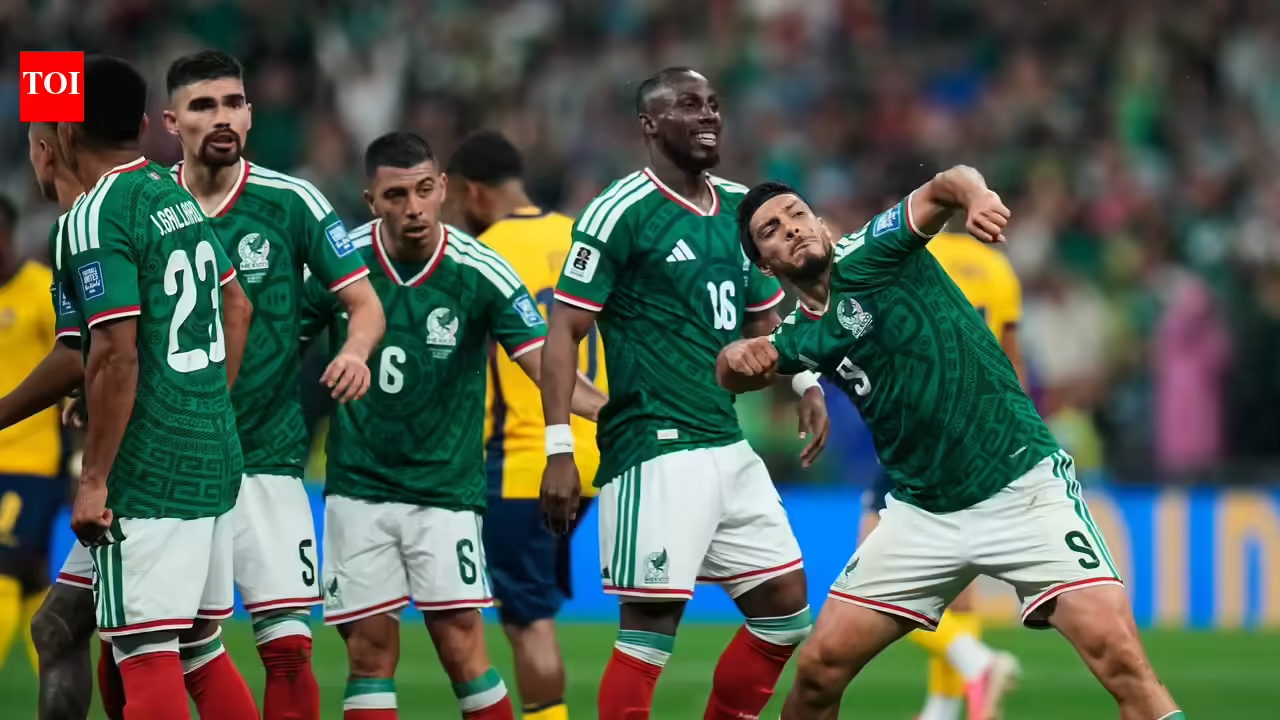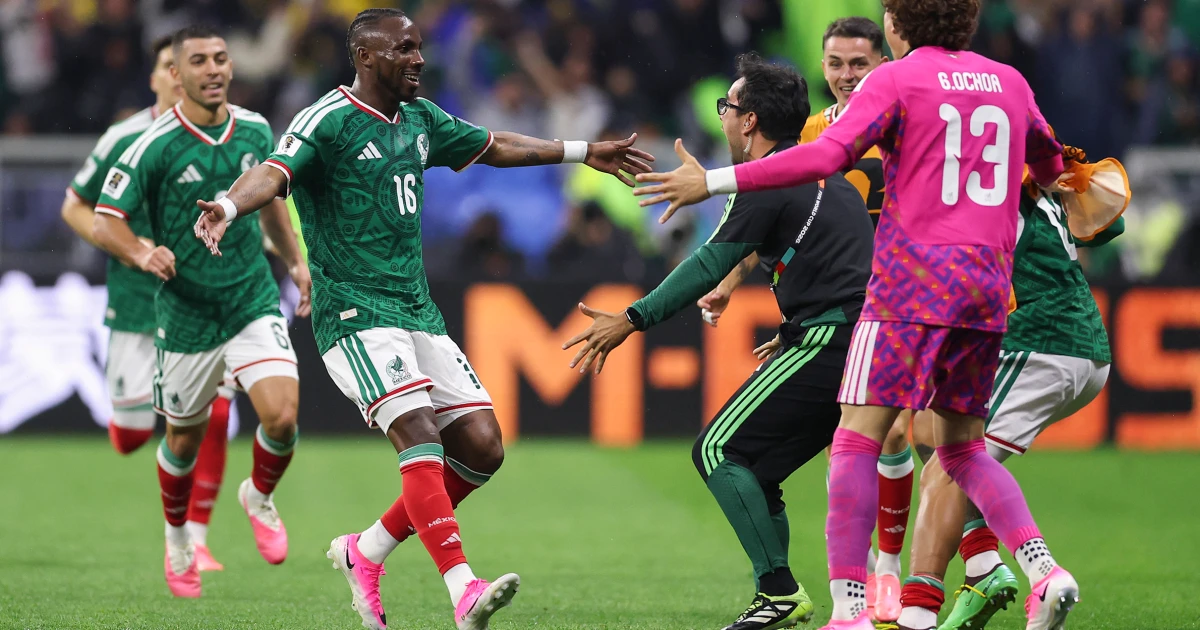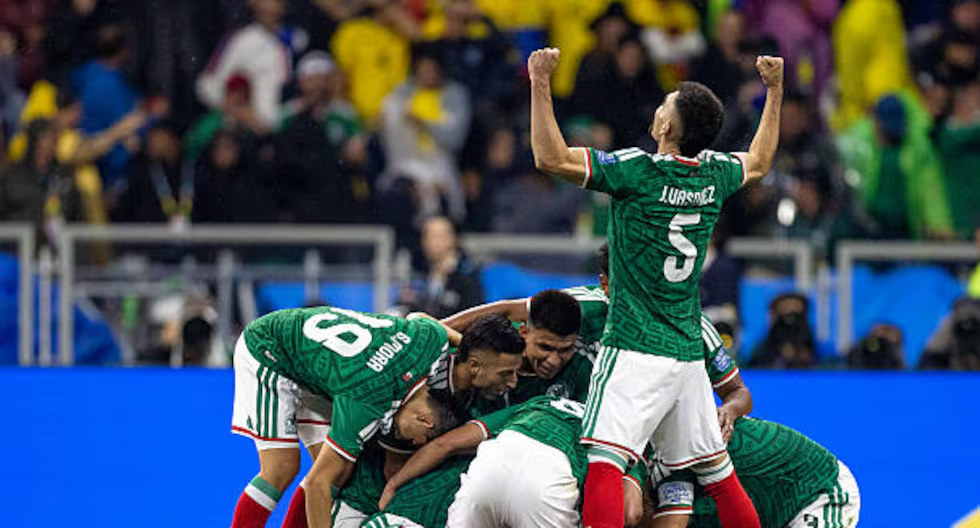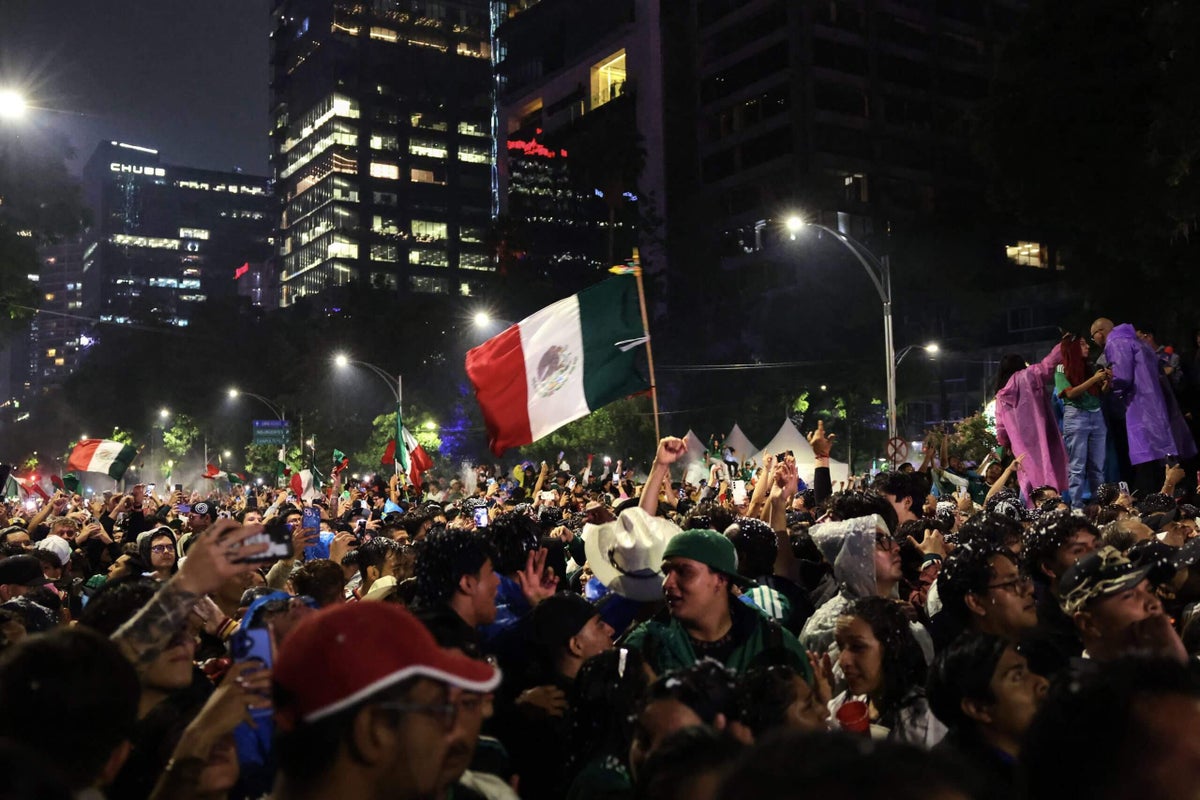
MEXICO CITY — After a 2-0 win over Ecuador in the round of 32, several global outlets proclaimed that Mexico’s knockout curse had been broken. The win on Tuesday night at the Estadio Azteca was their first World Cup knockout win since 1986. But the curse that has haunted the Mexican national team continues to linger. The infamous quinto partido (fifth game), or the quarter-finals, remains the one hurdle that Mexico has failed to overcome since it last hosted the World Cup 40 years ago. At the 1986 tournament, Mexico, bolstered by rabid home crowds, reached the quarter-final but lost to West Germany on penalties. Ask a Mexican if Tuesday’s win carried the same weight as a quarter-final win and you would earn a shake of the head or an eye-roll. Defeating Ecuador in style was a big moment for Mexico, but the job is not done yet. With an expanded field of 48 teams, Mexico needs another knockout win to reach the quarter-final stage, or, well, the sexto partido.Its fifth game is a date with England at Mexico’s formidable home fortress in the round of 16. A win on Sunday would officially break the quinto partido curse. It would also move Mexico within two wins of its first World Cup final. Mexican fans believe this squad will be the one that makes history. Led by head coach Javier Aguirre, they have brought the country together as political divisiveness and socioeconomic inequality embroil the country. A winning national team can change hearts and minds. Fans at the Paseo de la Reforma celebrate victory over Ecuador (Hector Quintanar/Getty Images)On the streets of Mexico City, men, women and children proudly wear Mexico’s home green kit. It’s not uncommon to see a dog in the same shirt being walked by its owner. National pride is booming. It’s a day after the Ecuador win and the connection between the people and the national team is nearly unbreakable. The historically Mexican rally cry of Sí Se Puede (Yes We Can), which is also heard at stadiums across Latin America, is now considered taboo, as it exalts the insecurities of a country and a national team. It has been replaced with a new viral slogan. ¡Y Sí Sí! It’s emphatically confident and tied directly to the 2026 World Cup squad. After the final whistle on Tuesday night, the Reforma area of Mexico City was packed full of Mexican fans. Streets were closed down to traffic. The sound of celebratory car horns and vuvuzelas filled the night sky as Mexico celebrated their fourth-straight win and clean sheet. On Wednesday, Reforma returned to its regular bustling environment. Taxis zoomed by and nine-to-five professionals walked hurriedly to their offices. Many of them, however, wore Mexican kits and a blazer on top. Walking hand-in-hand in Mexico’s home green shirt were Ilse and Iván, 30-year-old newlyweds from Mexico City. They have been married for just eight months. This World Cup, and Mexico’s current rise, feels like a second honeymoon. “During the World Cup,” Iván said, “You get caught up in all of this a little more, you feel a vibe. Luckily the national team is playing well right now, and that brings us all together.”Ilse wasted no time in mentioning Mexico’s 17-year-old midfield prodigy Gilberto Mora, who she referred to as “el niño” (the kid). “The (team’s) stars are producing, and (Mora) is playing really well. What makes the biggest difference is the atmosphere around the team itself. The group looks a lot more united than in the last World Cup.” Four years ago, Mexico limped into the group stage of the tournament in Qatar. Head coach Gerardo Martino, an Argentinian with extensive coaching experience, including a quarter-final run with Paraguay in 2010, never connected with the country’s demanding press corps. Martino and the players never recovered from a World Cup qualifier loss to the U.S. in 2021 and another defeat to their arch-rivals in the 2023 Concacaf Nations League final. Mexico failed to progress from the group stage in Qatar, something that had not occurred since 1978. Diego Cocca, another Argentinian, and Mexican Jaime Lozano briefly succeeded Martino, before the Mexican Football Federation called upon Aguirre, a member of Mexico’s 1986 World Cup team, to return for a third stint as Mexico’s head coach. Following the win over Ecuador, The Athletic asked Aguirre to describe how important it is for this Mexico squad to be led by a Mexican-born manager. “It matters,” he said. “It’s important to know where we came from. I’m the type of coach who wants to have close relationships with the players, to embrace them.”
Mexico has finally reached the ‘fifth game’, but is its World Cup curse truly broken?
By reaching the important landmark of the last 16, Javier Aguirre's side have rewarded the faith of their supporters
1,203 words~5 min read