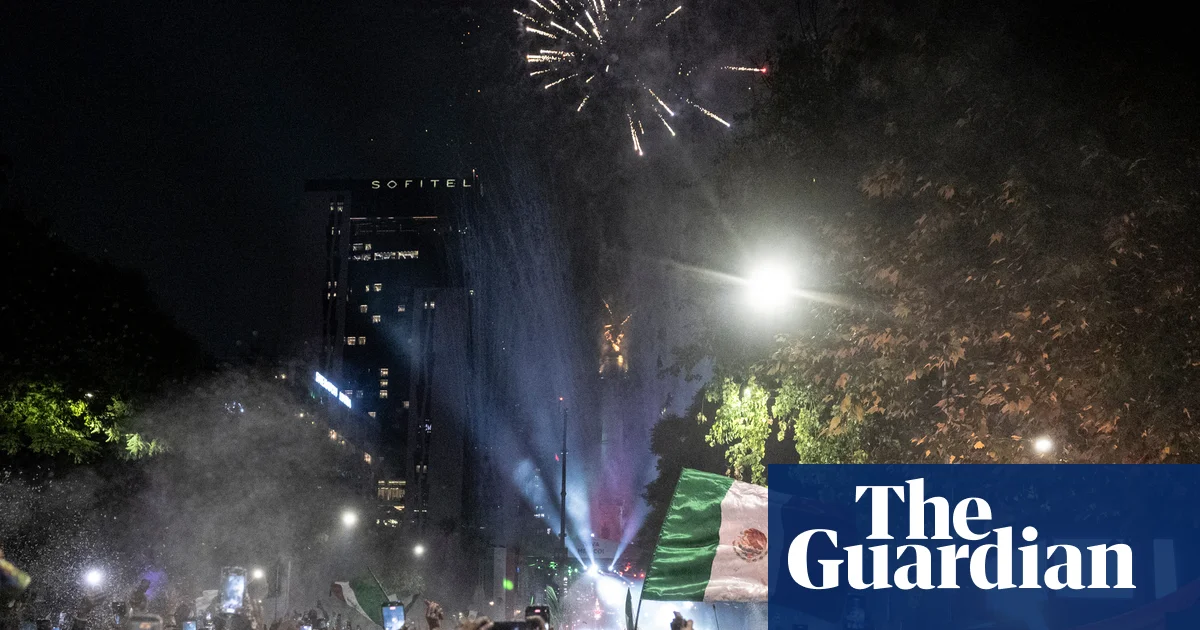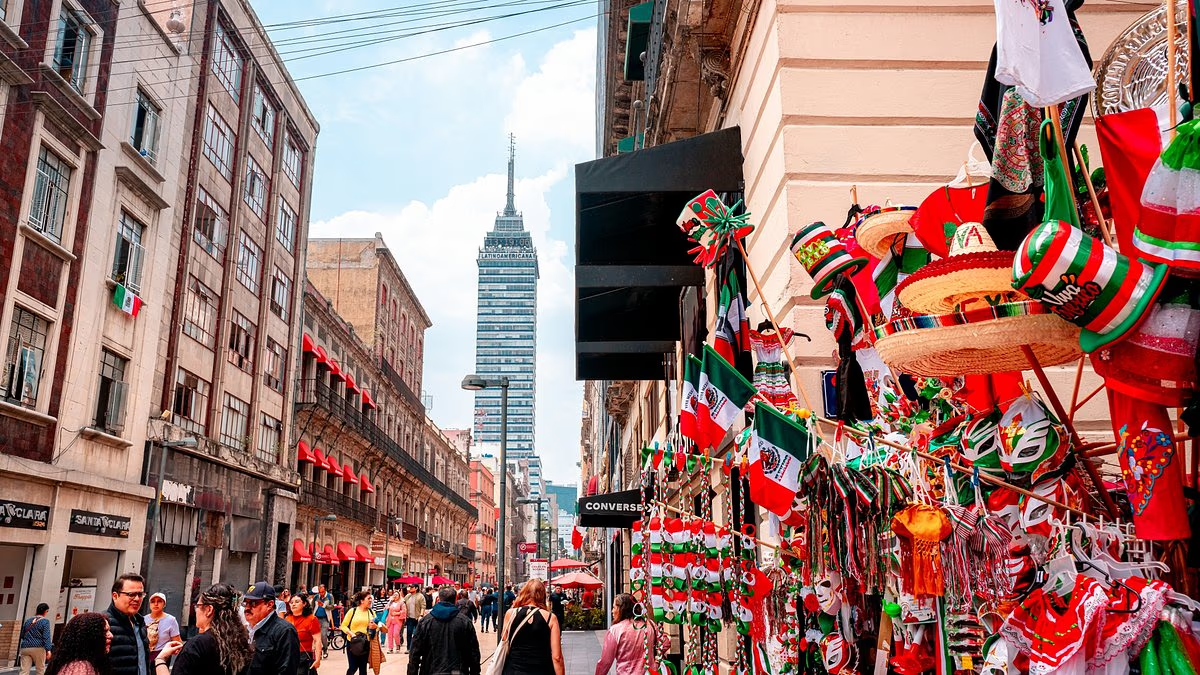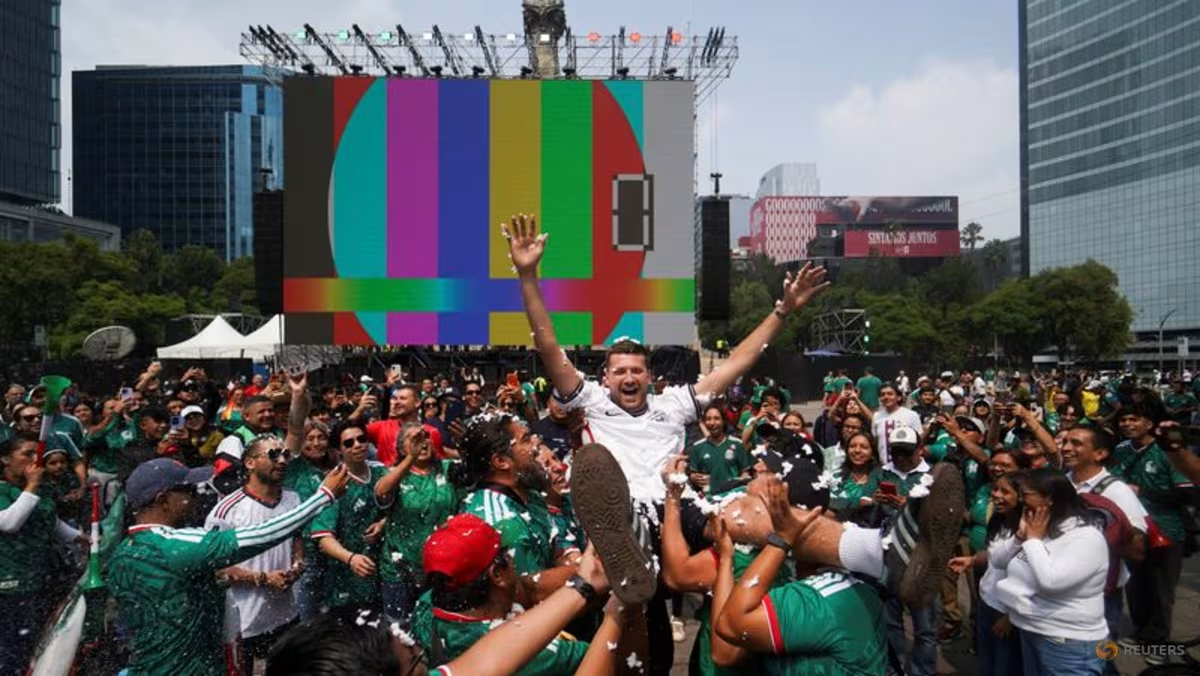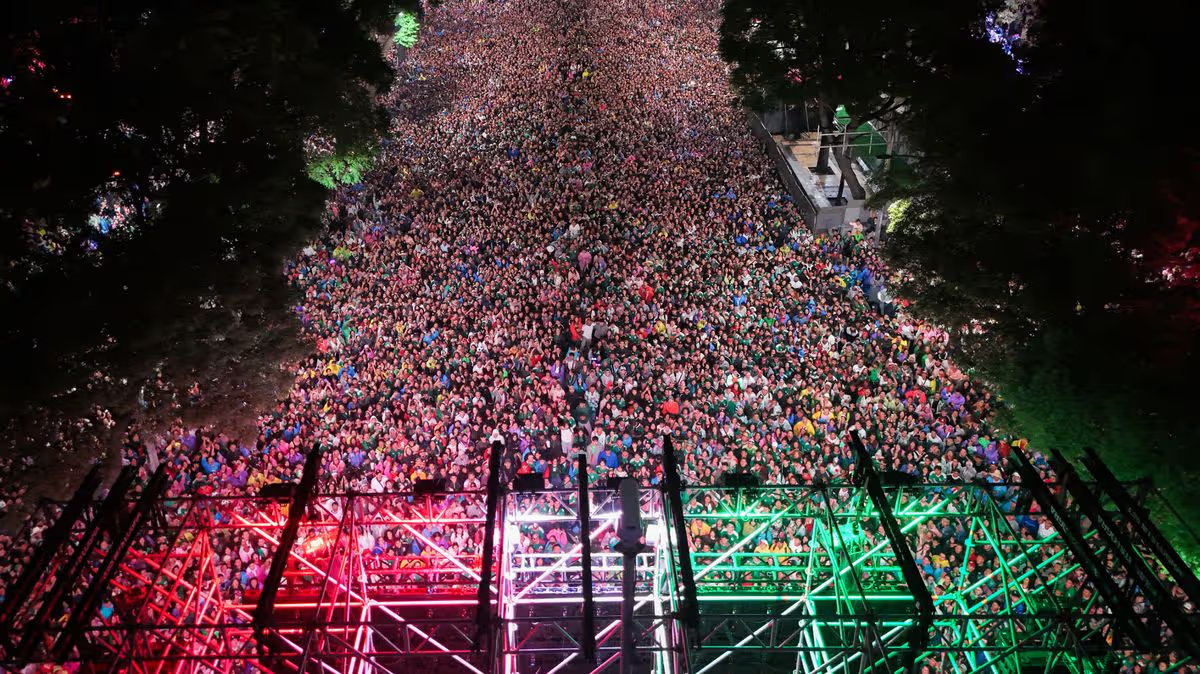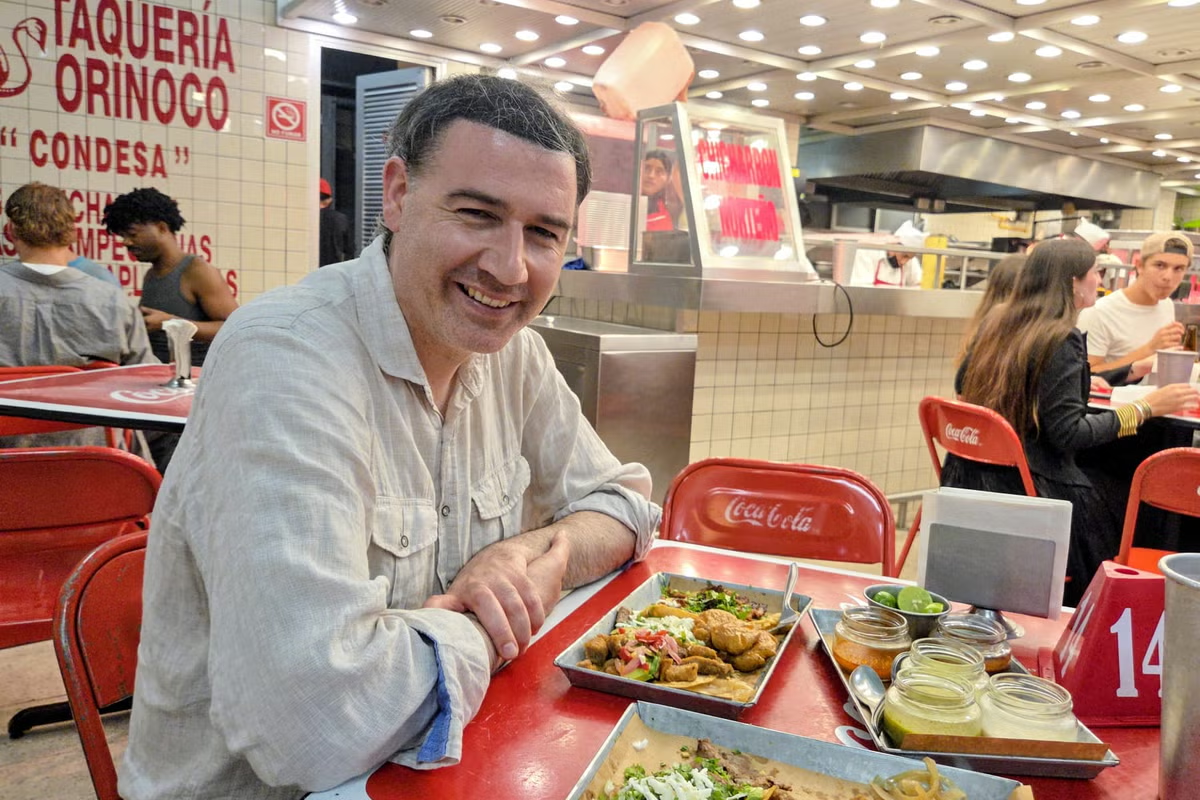
England football fans in Mexico City this weekend, ahead of a crunch Fifa World Cup match against Mexico, will encounter a very different city from the one I did at the turn of the millennium. It was my first visit, and my then partner’s parents, both locals, advised against going out after dark for security reasons. When I returned to the city earlier this year – for the umpteenth time – the streets were far safer, and I noticed that people’s concerns had changed. “Restaurants are reducing the chilli content in their food”, chef Nano Padilla told me. “In some cases, they’re removing chilli altogether. “That can’t be right!” he added, sincerely but with a smile on his face, as we grabbed a beer together at his restaurant VORAZ. “This city has been transforming in recent years. Mostly for the better, but not entirely so.”Padilla was referring to the gentrification of many districts of Mexico’s capital – including Roma, where VORAZ is located. This has been driven in large part by the influx of foreigners, particularly since the pandemic, when digital nomads and others arrived to take advantage of affordable rents and lockdown rules that were more lax than those in their homelands. Wandering past jacaranda trees and Belle Epoque buildings in Roma – just like when walking through similar neighbourhoods such as Condesa and Polanco – one hears plenty of English spoken. “Many [of the expats] are creative people, who’ve brought new ideas and enriched the cultural scene here,” Padilla said. Just don’t get him started on the chefs making their food less spicy to cater for gringo tastes.'Future spaces replicate earlier spaces' is an exhibition by Gala Porras-Kim, at Kurimanzutto gallery (Alastair Smart)Read more: I took a Frida Kahlo-themed tour around Mexico CityMexico is a co-host of this summer’s World Cup. Its capital city has staged four matches so far, including the tournament opener, and early on Monday morning (UK time) will host its final game: a last-16 knockout tie between Mexico and England. England fans will have myriad options when it comes to food, drink, art and design. The flip side is that this is the largest city in North America, with 25 million inhabitants and (at times) seriously heavy traffic – so visitors should allow plenty of time even for a seemingly short journey.The capital city was founded by the Aztecs in c.1325, then built over by Spain’s conquistadors two centuries later. It went on to become the centre of countless upheavals.In Mexico City, I am is continually struck by the blend of past and present. I start each visit there by checking out a handful of the many new venues, but then tend to fall back on favourite old haunts. This is my second time at VORAZ, for example, which opened in 2024. As I tuck into a plate of gorditas filled with fried oysters and celery, Padilla tells me that the building it occupies was, for 60 years, a car mechanic’s workshop.Museo Jumex in the Polanco district (Getty Images)Read more: This underrated Mexican city is my favourite of the World Cup hostsWhere to stayI prefer to stay outside the centre in one of the many boutique hotels that have sprung up since the early 2000s. These tend to be old townhouses with leafy courtyards which have been elegantly converted, and decorated with Mexican furniture and artefacts. A fine example is 19-room Casa Polanco, located in the eponymous neighbourhood.Book nowFor a boutique hotel that’s homelier and less expensive, try a family-run establishment – such as Villa Condesa, where (adult) guests are treated to a bottle of Corona upon arrival.Book nowA sociable choice is The Red Tree House, where guests are encouraged to spend time together in the evening before dinner.Book nowWhat to doLa Casa Azul – a museum dedicated to the artist Frida Kahlo, in her former home is visited in droves. Other art-filled spaces include Kurimanzutto, a gallery that resembles an oversized treehouse, and represents leading Mexican artists such as Gabriel Orozco and Minerva Cuevas. In one of its first projects, before it had a permanent home, Kurimanzutto held a group exhibition in a fruit-and-vegetable market, selling art works alongside onions, peppers and mangos.Housed in a $50m building designed by David Chipperfield, Museo Jumex boasts one of the largest collections of contemporary art in Latin America. This summer, the museum hosts an exhibition of works inspired by football.I also recommend a visit to LagoAlgo, located beside a lake in the middle of Mexico City’s vast Chapultepec Park. It occupies a modernist pavilion from the 1960s, which was recently converted into a cultural centre. Visitors will find a series of exhibition spaces with a restaurant, where they can watch ducks and rowboats serenely pass by. Springtime in Chapultepec Park (Getty Images)Read more: Eight beautiful Mexico beach towns away from the mega resortsWhere to eat and drinkWhen Licorería Limantour opened in 2011, old-school watering holes called cantinas abounded in Mexico City, and little was known of mixology. Since then hundreds of other cocktail joints have followed. The upscale Roma venue hasn’t suffered from the competition, though, and perennially figures in the World’s 50 Best Bars list.I drank a Mezcal Stalk there, served with a mine’s worth of worm salt around the rim. I enjoyed it all the more for being seated at Licorería Limantour’s seven-metre-long bar, which encourages conversations with strangers either side of you.The city has a host of old-school coffee houses. Café La Habana is my favourite – partly for its café lechero (two espresso shots mixed with hot milk in a long glass) and partly for its literary heritage. In smokier times, the likes of Gabriel García Márquez and Roberto Bolaño would hang out here.Licoreria Limantour is a top choice for cocktails (Alum Galvez)The food options in Mexico City are legion, from street stalls to Michelin-starred restaurants. The latter includes Pujol, in Polanco, chef Enrique Olvera’s temple to Mexican flavours. Almost as well-known are the zesty tuna tostadas at seafood restaurant, Contramar. A word of warning, though: neither Pujol nor Contramar accept walk-ins. You need to book (well) in advance.No trip to Mexico City is complete without eating tacos. Hotspots include Los Cocuyos, in the city centre, beloved by the late American food icon, Anthony Bourdain.I like the equally no-frills Taquería Orinoco, in Roma, where you sit on a red plastic chair and consume tacos so generously filled that the meat all but falls out. Alastair’s most recent trip to Mexico City was supported by Journey Latin America.
I’ve been visiting Mexico City for 25 years – it’s the greatest city in North America
With all eyes on the Mexican capital as England prepare to take on a host nation in the World Cup, Alastair Smart shares why this city has surged in popularity over the past few years
1,085 words~5 min read