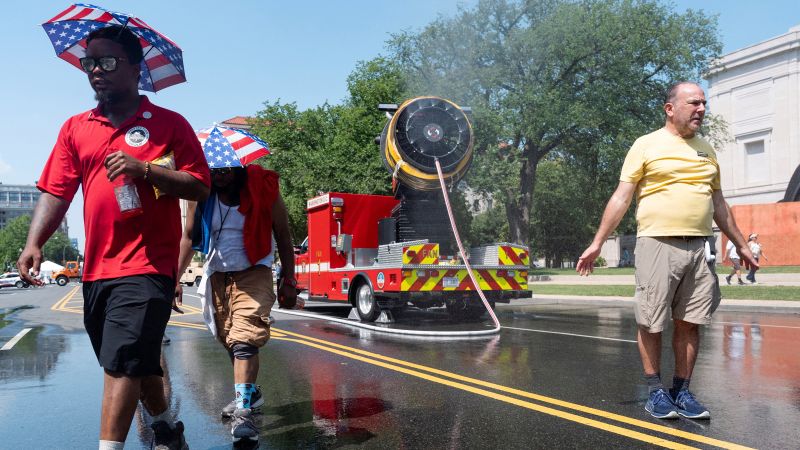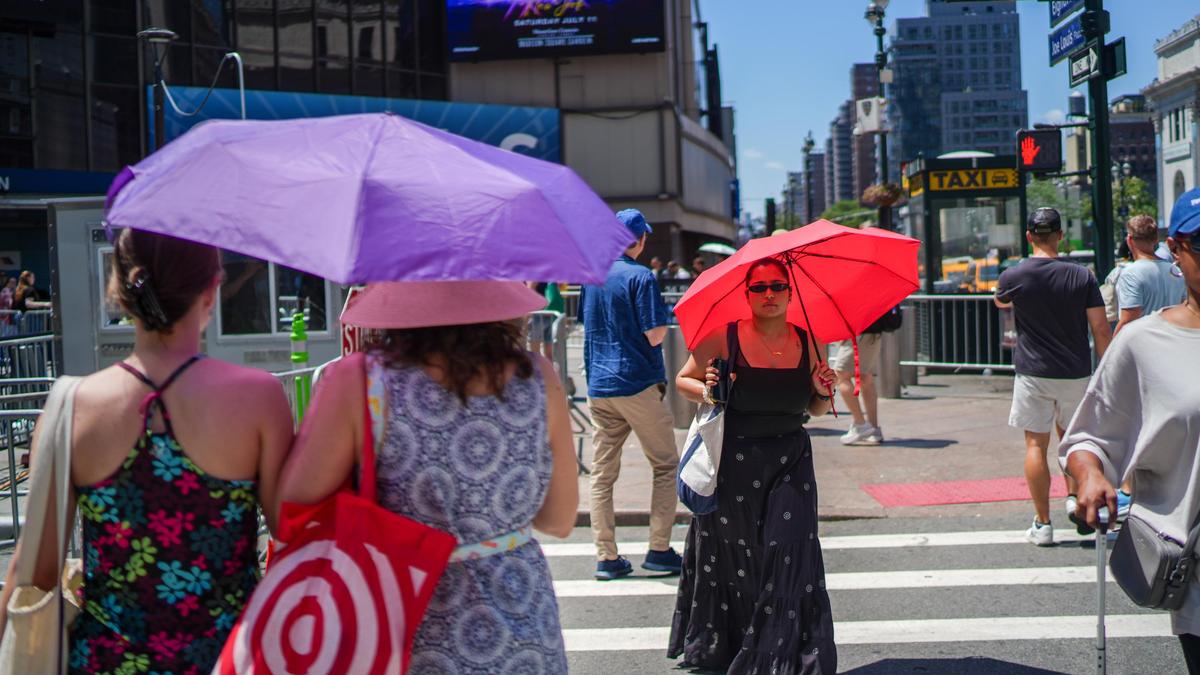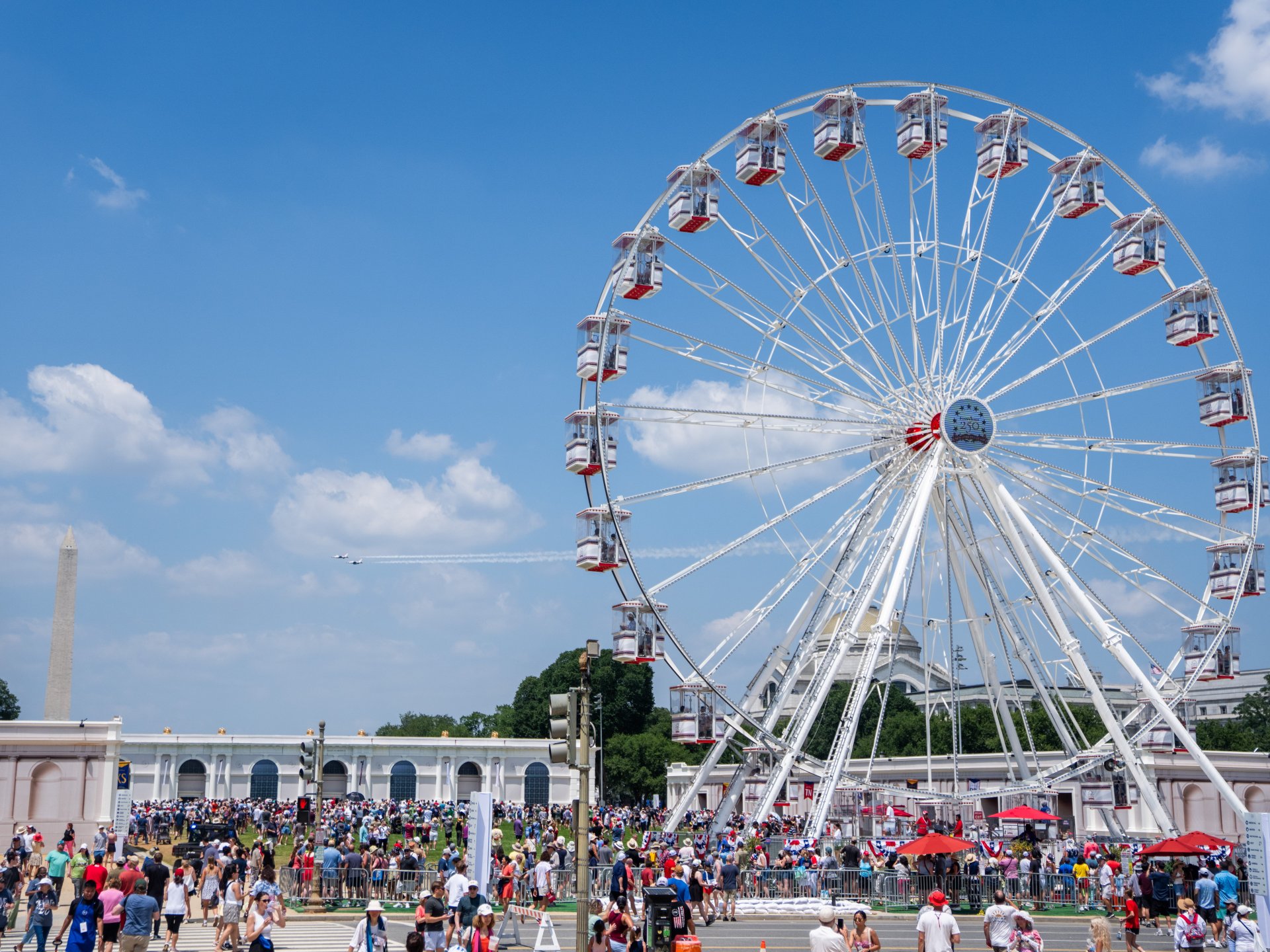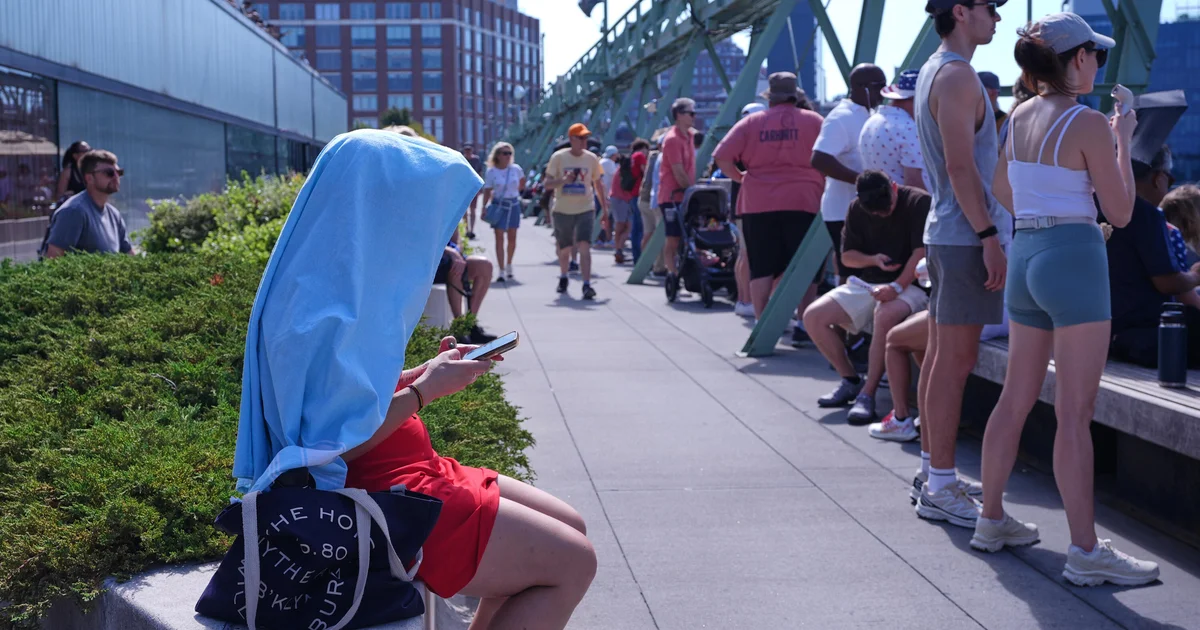
A severe heat wave entered its final stretch across the eastern United States on Friday, disrupting July 4 celebrations, straining power grids and placing nearly 160 million Americans under major or extreme heat warnings. The extreme weather, intensified by climate change, also threatened to trigger severe thunderstorms as the country marked the 250th anniversary of its independence, according to the National Weather Service.The weather agency said "numerous daily temperature records are expected today and Independence Day, with some consecutive-day, monthly, and all-time records possible." Philadelphia and Washington, DC, were expected to endure a third consecutive day of triple-digit temperatures, while dozens of locations either broke or matched daily heat records, CNN reported.The soaring temperatures disrupted celebrations in the US capital. Events on the National Mall were partially postponed after several people required medical attention because of the heat. One young woman was evacuated by paramedics after apparently suffering heat exhaustion at the Great American State Fair.An event staffer told AFP, "It's like the 30th person. They might have to shut this (event) down."Less than 90 minutes later, organisers suspended the fair. US' annual Independence Day Parade in Washington, scheduled for Saturday morning, was also cancelled "due to extreme heat," organisers said. According to CNN, US President Donald Trump's Great American State Fair also opened two hours later than scheduled.Forecasters warned that the combination of extreme heat and humidity could spark severe thunderstorms across parts of the Mid-Atlantic and Northeast, bringing damaging wind gusts and lightning that could disrupt outdoor gatherings and fireworks displays.Despite the conditions, many people continued with holiday plans. In New York City, the heat index climbed to about 105F (41C), prompting authorities to open cooling centres and extend public swimming pool hours to help residents cope with the heat.The heat wave also affected sporting events. In Miami, Argentina and Cape Verde played under sweltering conditions at a partially covered stadium without air conditioning, while France and Paraguay were set to face similar weather in Philadelphia, where the heat index was forecast to reach 105F. Reuters reported that FIFA introduced mandatory hydration breaks during each half of World Cup matches because of the extreme temperatures.The surge in air-conditioning demand also strained electricity infrastructure. Reuters reported that utility provider Con Edison restored power to around 60,000 customers following heat-related outages, although more than 22,000 customers across New York City and nearby suburbs remained without electricity on Friday evening. PJM, the grid operator serving 67 million customers across the eastern US and parts of the Midwest, said emergency measures, including shifting data centres to backup power, remained available if needed.Forecasters said the heat wave was expected to ease after the holiday weekend, but warned that severe storms could pose an additional threat to the Independence Day celebrations across parts of the eastern United States.
America's 250th birthday hit by extreme heat wave, storm threat disrupts July 4 plans
A severe heat wave entered its final stretch across the eastern United States on Friday, disrupting July 4 celebrations, straining power grids and placing nearly 160 million Americans under major or extreme heat warnings. The extreme weather, intensified by climate change, also threatened to trigger severe thunderstorms as the country marked the 250th anniversary of its independence, according to the National Weather Service.
464 words~2 min read