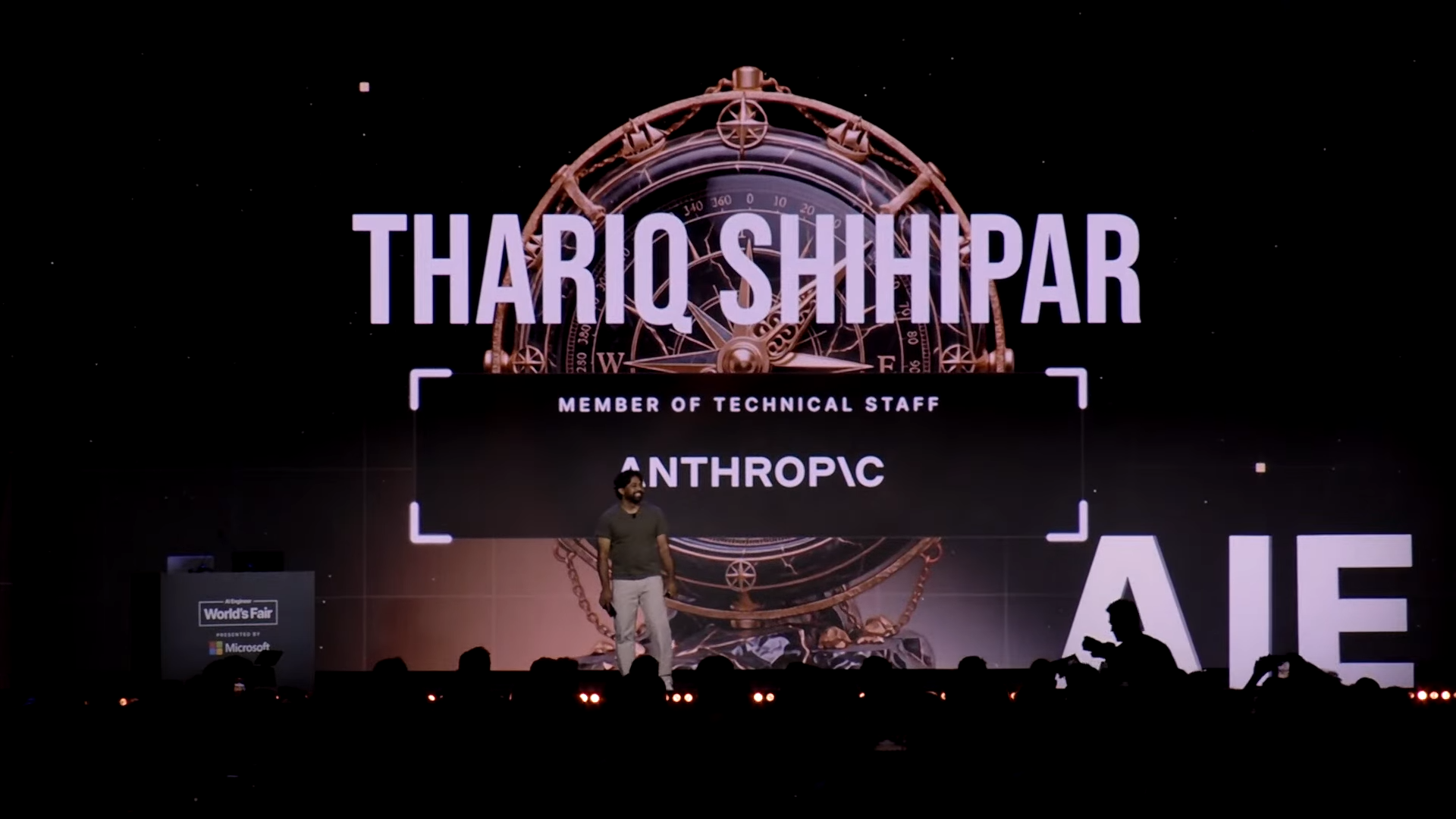
Anyone who codes with AI agents knows the problem. The prompt is set, the plan seems clear, but the result isn't quite right. According to Anthropic developer Thariq Shihipar, with Claude's latest model, Fable 5, this is less and less a problem with the model itself and more a result of the user's own blind spots.
Shihipar says that Fable 5 is the first model where output quality is limited by the user's ability to clarify their "unknowns." "Known Knowns" are what's already in the prompt. "Known Unknowns" are questions you know you haven't figured out yet but are aware you haven't. "Unknown Knowns" describe knowledge so obvious you'd never write it down, but you'd recognize it if you saw it. The critical category, according to Shihipar, is "Unknown Unknowns," meaning things you haven't considered at all.
Being too specific is just as bad as being too vague
Planning ahead alone isn't enough, Shihipar says. Unknowns can surface deep in the implementation or signal that the problem should be solved in a completely different way. The best agentic coders have relatively few unknowns but still always expect them, he argues.
Too much specificity risks Fable 5 rigidly following instructions, even when a change of course would make more sense, according to Shihipar. Too much vagueness gets you decisions based on industry defaults that don't fit the specific task.