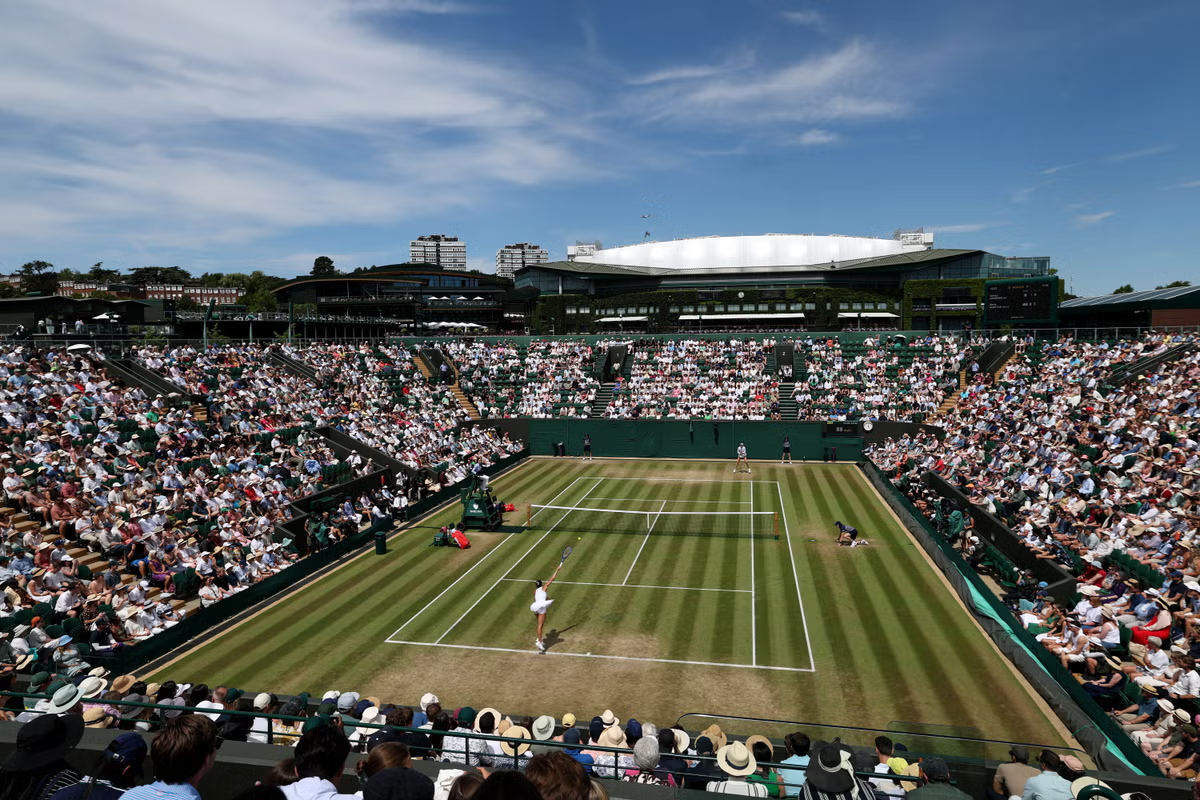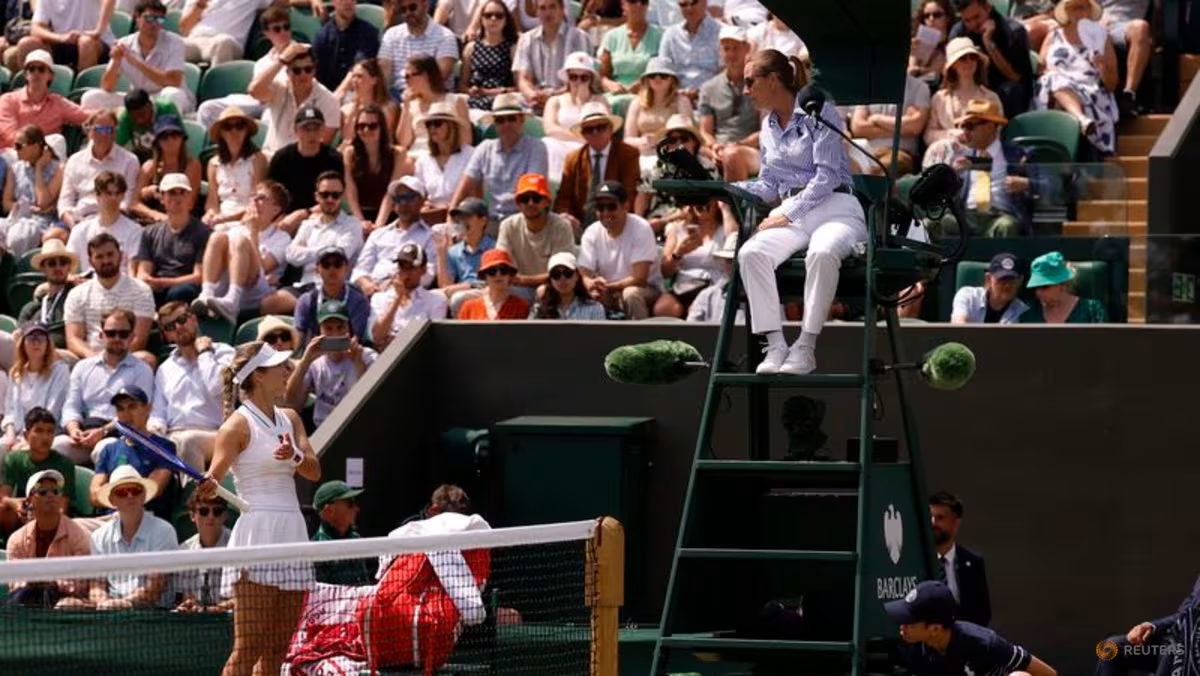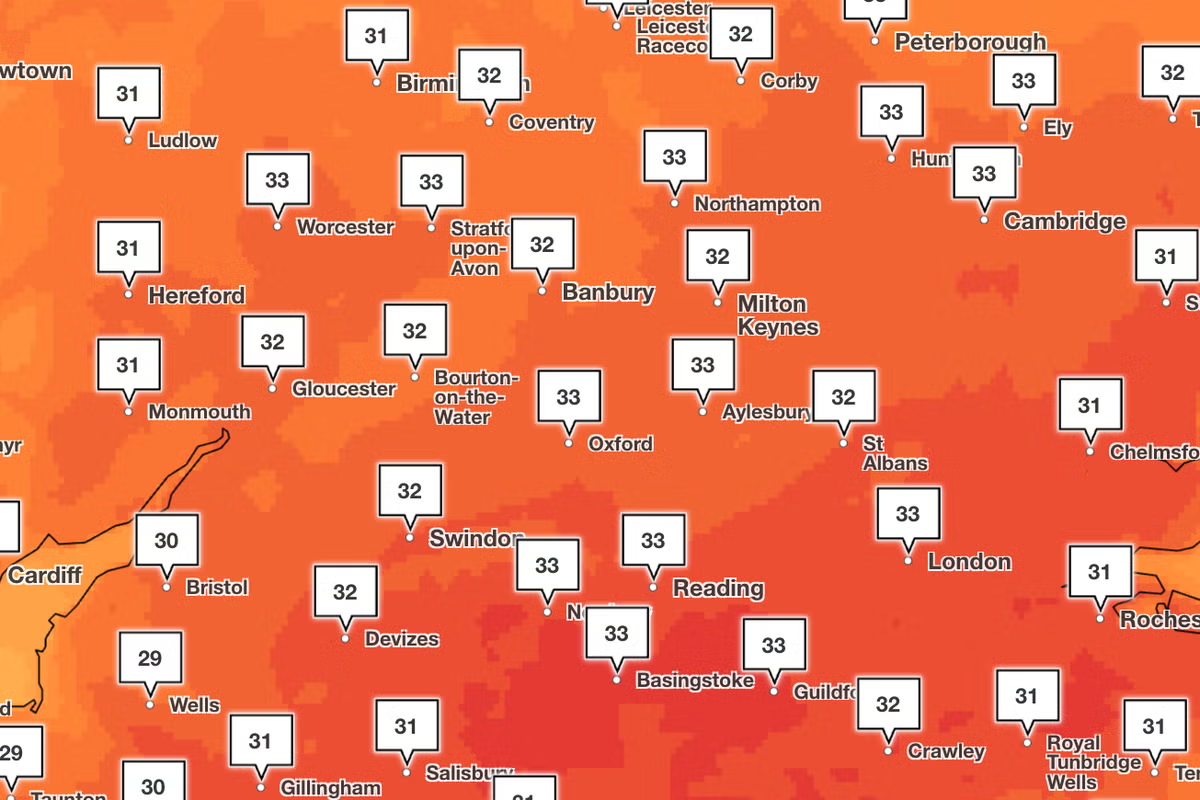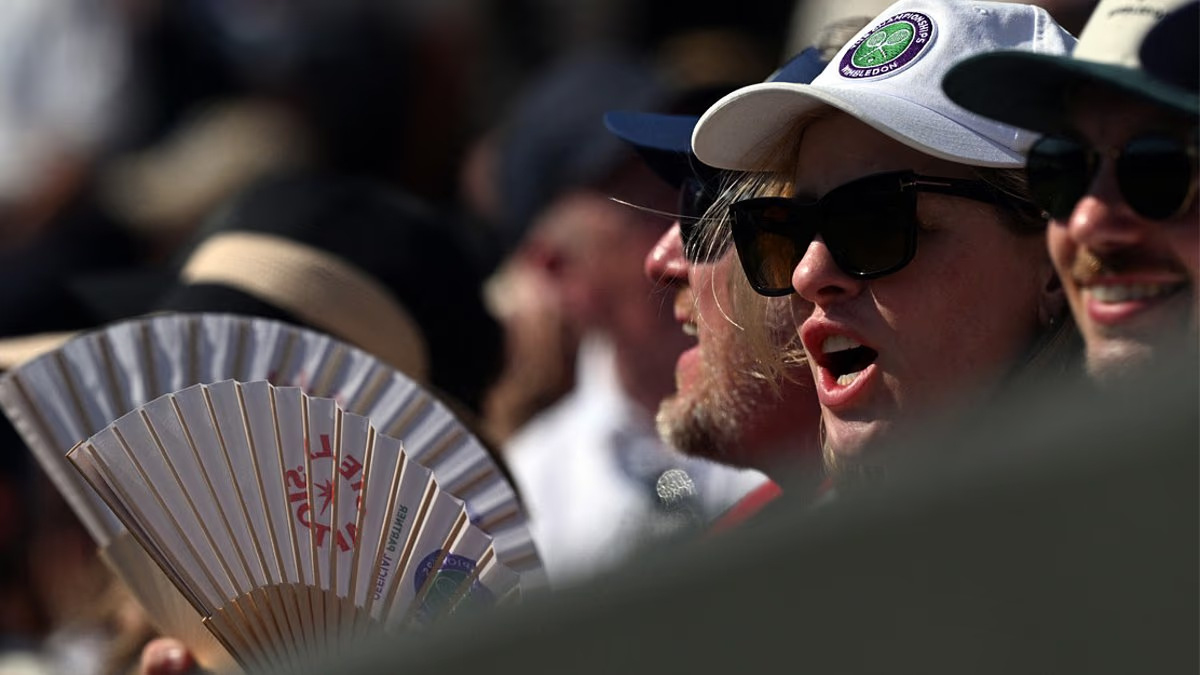
Wimbledon has begun to hand out free suncream to those in the famous Queue as a third scorching heatwave begins with 34C heat due to engulf the UK from this weekend.Meanwhile, millions of people in Hampshire and the Isle of Wight have now been hit with a new hosepipe ban, and things have gotten so hot that even an ice cream van burst into flames in Slough.Back on the tennis courts, sunstroke poses a real risk to spectators at the All England Lawn Tennis Club, military service stewards Able Seaman Michelle Rowlands and Corporal Gillian Craig said.London - the home of the tournament - is frequently one of the hottest places in the UK, but experts predict that this heatwave will bring higher temperatures much further north than usual, with forecasts of 30C in South Yorkshire.Speaking to reporters, Ms Rowlands explained that military personnel are 'all trained in heat protection and heat prevention', adding: 'If someone goes down, we would know what to do.'She added: 'We’ve got free sun cream out this year, extra water kindly donated by Evian, like all these little things we’re learning and putting into place each year.'Plus being on the centre court, we know the schedule of the sun.'There are yellow heat health alerts in place this week, but the heatwave is not expected to be as intense as the record-breaking heatwave in June.However, it is predicted to be significantly longer - potentially running all the way into mid-July. Wimbledon organisers are handing out free suncream as the third heatwave this summer starts this weekend, due to bring temperatures of 34C There are military personnel at the tournament who have said they are prepared 'if someone goes down' in the heat In total, half a million people are expected to attend the tournament over its two weeks. The heatwave is expected to be significantly longer than the last two, continuing into mid-July, experts saidThe heat has already proved too much for an ice cream van, which caught alight while parked on a driveway in 25C heat outside a house in Slough on Salisbury Avenue, Berkshire, on Wednesday at 4.30pm.Firefighters in breathing apparatus coned off the area and rushed to extinguish the van from which massive plumes of black smoke were billowing.After an hour and a quarter battling the blaze, it was brought under control but the van was left a blackened shell.No one was badly hurt but first responders advised multiple people to go to the hospital to treat minor injuries. Despite this, locals decided to make punny quips about the 'ironic' fire.James Clifford joked: 'Hundreds and thousands, up in smoke.'Another local added: 'Flake 999', while one more chimed in: 'Soft scoop?'Others extended their sympathies, with one saying 'I hope everyone is safe.'A Royal Berkshire Fire and Rescue Service spokesperson said: 'Two Royal Berkshire Fire and Rescue Service crews from Slough Fire Station were sent to the scene, alongside one officer from Buckinghamshire Fire and Rescue Service.'Upon arrival, crews found an ice cream van on fire, with the fire affecting the front of a property.'Firefighters wearing breathing apparatus used one hose reel to put out the fire, before advising occupants with minor injuries to self-present to the hospital.'They were on scene for approximately one hour and 16 minutes.'Yesterday, Southern Water announced a hosepipe ban for Hampshire and Isle of Wight residents, which will come into force on July 10, but has asked customers to 'put down their hosepipes now, to avoid putting the network under further pressure'.It's the first time the company has had to put out a temporary use restriction in consecutive years. South East Water customers in Kent also had a hosepipe ban start yesterday, which the provider said would likely last until autumn.The UK Health Security Agency has put in place yellow heat health alerts for the East Midlands, West Midlands, east of England, London, south-east England and south-west of England from noon today until 8pm on Saturday, July 11.They warn of an increased risk to health, particularly for vulnerable people. An ice cream van burst into flames in the heat in Slough on Wednesday as a brand new 33C heatwave has been predicted starting this weekend Firefighters rushed to the scene and battled the blaze for an hour and a quarter before getting it under control. They advised the occupants to go to the hospital to treat their minor injuries A blackened shell was left behind in the 25C heat. Locals took to joking about the blaze, with James Clifford quipping: 'Hundreds and thousands, up in smoke'The western side of the country, in places like Lancashire, the Lake District, western Scotland and Northern Ireland, will be cooler due to exposure to the Atlantic breeze. A heatwave is defined in the UK as a period of at least three consecutive days where maximum daily temperatures meet or exceed regional thresholds - typically around 25C but can be up to 28C in places like London and parts of the south-east.They have been frequent this summer, and Southern Water has said that levels in the River Test - which supplies most of the water to homes and businesses in Hampshire and the Isle of Wight - is at a 'critically low level' due to the heat and lack of rain.The reduction in water has exceeded predictions by the company's models and 'dropped down a lot, a lot further and faster than we've anticipated', Tania Flasck, director of water operations, reported.Southern Water called for the building of the UK's first new reservoir for 30 years to help quench the area's need and reduce reliance on the River Test.The heat is even affecting water offshore as the seas themselves are experiencing long-lasting moderate to severe marine heatwave conditions.The Met Office said: 'This means that waters have reached temperatures usually expected in August and are on average 2°C warmer than usual, locally reaching +4-5°C anomalies offshore parts of the Welsh and English coasts.'As there have been three heatwaves close together this summer, the sea has not been able to properly cool off, and it can affect coastal weather too.Dr Ségolène Berthou, Air-Sea Interaction Specialist at the Met Office, said: 'Marine heatwaves around the UK have developed rapidly following the recent heat dome, and we are now seeing widespread strong to locally severe conditions.'This is the third and most intense marine heatwave we have seen this year.'While these warmer seas did not significantly increase peak temperatures on land, they reduced night-time cooling and helped sustain warmth, particularly in coastal areas. A yellow heat health alert has been issued by the UKHSA from noon today until 8pm on Saturday, July 11. They warn of an increased risk to health, particularly for vulnerable people The Met Office has found there is a marine heatwave currently ongoing, with the seas around the UK unable to cool properly between temperature spikes The marine temperatures can affect weather on the coast as well as commercially important fish and shellfish populations, experts said'With further sunny and calm weather likely next week, there will be little opportunity for the ocean to release this excess heat. This means the surface marine heatwave could intensify further, potentially reaching extreme levels in the south. Such conditions would be highly unusual for UK waters.'Fish populations and marine ecosystems have also been affected as habitats like seagrass and kelp are damaged, and the warmer water can attract non-native species to UK shores.Professor John K. Pinnegar, Principal Scientist and Lead Advisor (Climate Change) at CEFAS, said: 'These changes can result in mass-mortality events for some marine species and alter the distribution of commercially important fish and shellfish.'
Wimbledon hands out suncream as 34C heatwave begins with hosepipe ban
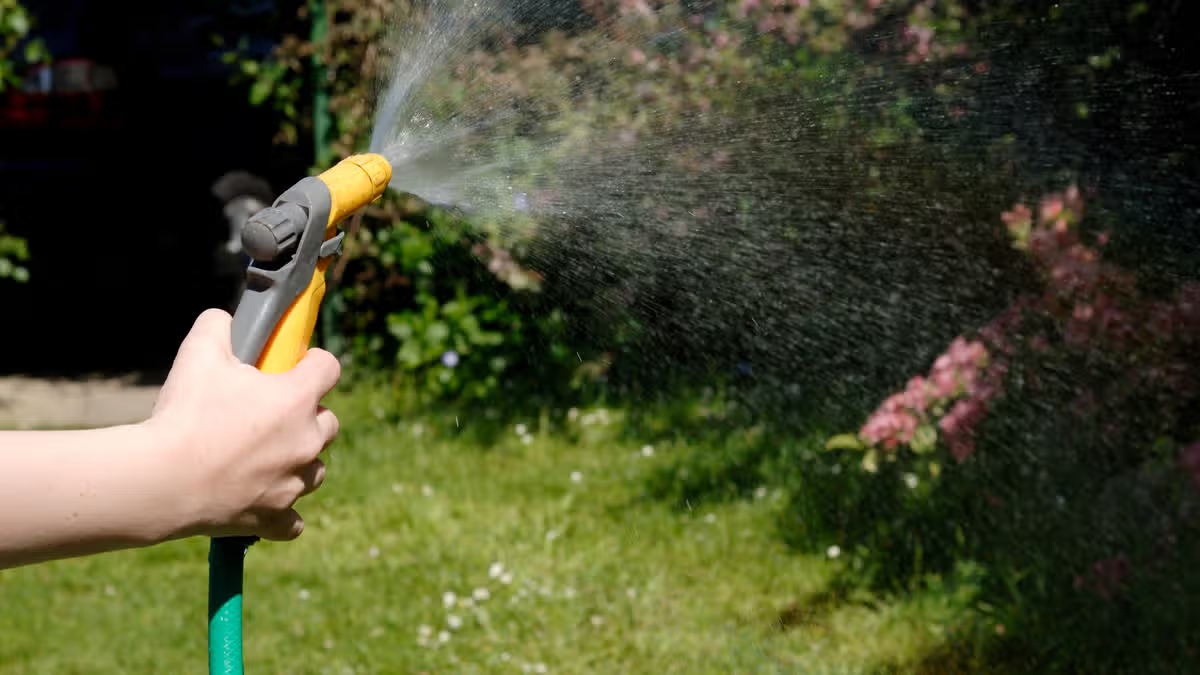
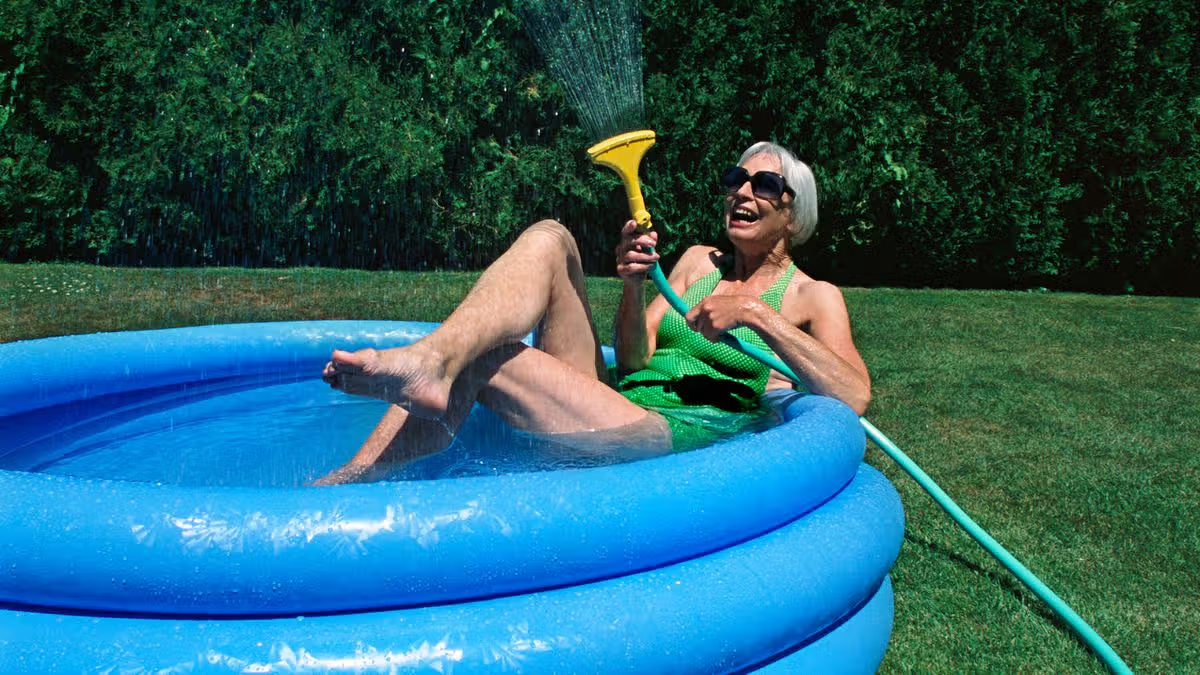
Meanwhile, millions of people in Hampshire and the Isle of Wight have now been hit with a new hosepipe ban, and things have gotten so hot that even an ice cream van burst into flames.
1,266 words~6 min read