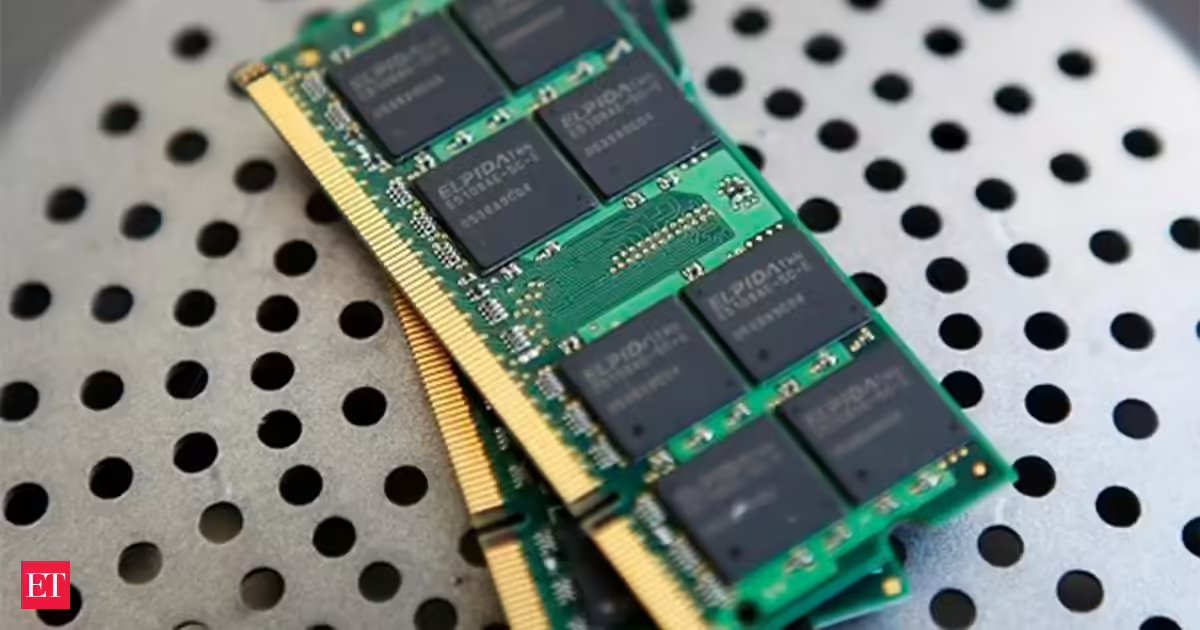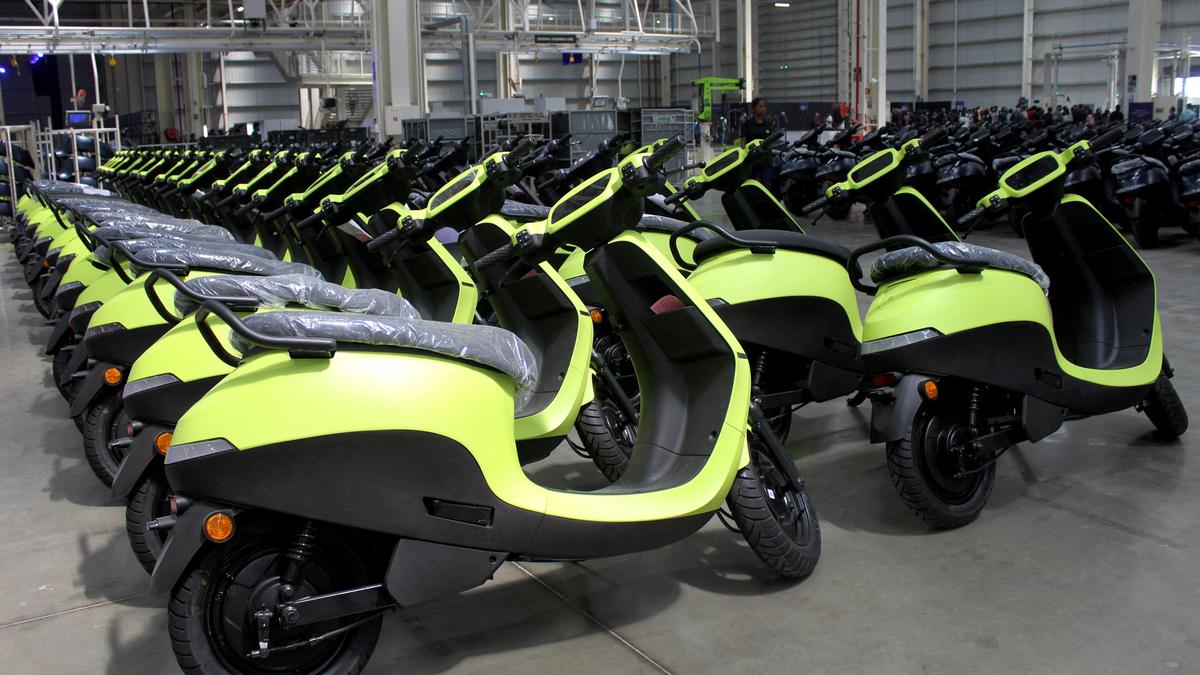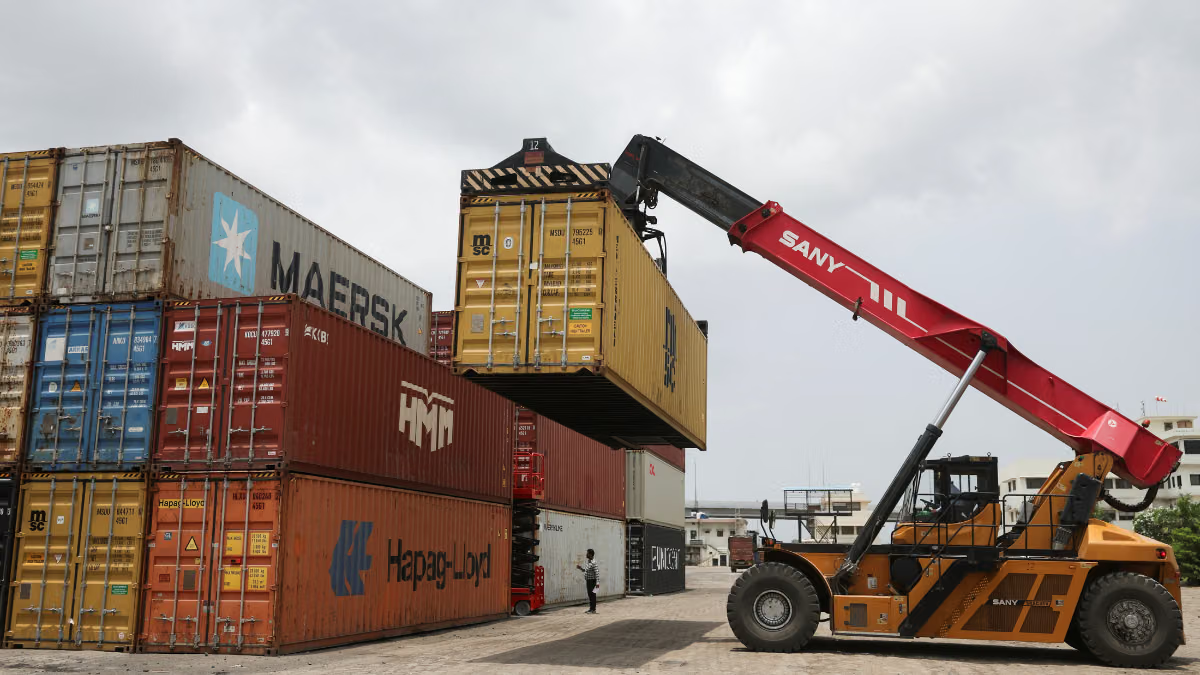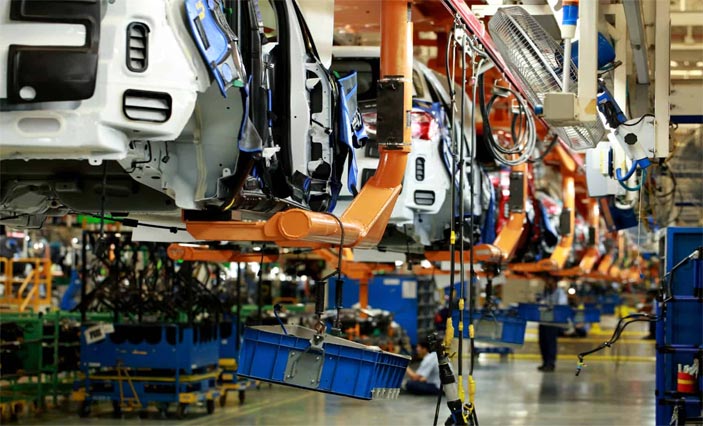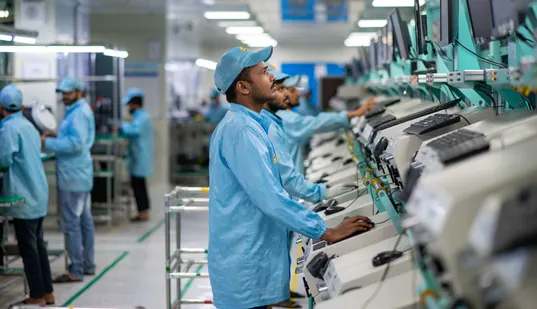
The mobile phone that wakes us up in the morning, the LED lights that mimics night sky in our ceilings, the oil that we are using in our kitchens, the toys children our play with, and even the stationery items on office desks all these articles have one thing in common, i.e, they are either imported or made using imported components. The modern Indian household today reflects the dark reality of global trade. While India has emerged as one of the world’s largest consumer markets and a growing manufacturing hub, a significant portion of the products used in day-to-day life continue to be imported. The challenge before India is, therefore, not simply about imports. It is about the depth of enhancing manufacturing capability.AI (Pixabay)Over the past decade, India has made a significant progress in final-stage manufacturing and assembly. Smartphones, televisions, household appliances, and electronics are increasingly being assembled in India. However, the critical ‘heart’ of these products continues to come from abroad. A huge portion of semiconductors, display panels, printed circuit boards, sensors, compressors, motors, specialty chemicals, and industrial components are still imported. This gap between assembly and value addition defines India’s current industrial reality. We have become efficient at putting products together, but not yet equally capable of manufacturing many of the core technologies and components that power them.India’s import dependency is visible not only in high-end technology but also in ordinary household goods. Mobile phones rely on imported chips and display panels. Laptop accessories depend on imported processors, memory units, and motherboards. LED lights use imported drivers and electronic controllers. Kitchen appliances use imported motors and compressors. Plastic household products depend on imported polymers and petrochemical inputs. Even products as basic as pen tips, synthetic yarns, grooming appliances, and decorative items are often sourced from foreign manufacturing ecosystems that operate at enormous scale.The dependence becomes even more visible in the kitchen. India consumes nearly 25 million tonnes of edible oil annually, but its domestic production is not at par with the consumption. As a result, palm oil is predominately procured from Indonesia and Malaysia, while soybean and sunflower oil are imported from countries such as Argentina, Brazil, Russia, and Ukraine. Beyond a mere trade imbalance, it reflects gaps in agricultural productivity, oilseed processing capacity, and long-term planning. India’s oilseed yields remain significantly below global averages, making imports imperative.This dependency extends further into products that Indians use almost unconsciously every single day. Nail clippers, combs, umbrellas, toys, decorative lights, thermos bottles, stationery products, plastic storage containers, kitchen cutlery, and even artificial flowers are increasingly imported or manufactured using imported components. Several of these are not technologically sophisticated products. India possesses both the working capital and raw materials to manufacture many of these items domestically. However, these low-cost imports continue to dominate the wholesale and retail markets because lack of skills and scale of the Indian manufacture in par with their global counterparts.A simple nail clipper can explain this paradox. India is among the world’s largest steel producers, still a significant portion of nail clippers and grooming accessories sold in local markets are imported. The issue is not just the absence of raw material, but the lack of specialised tooling, precision manufacturing ecosystems, and cost competitiveness. Similar trends are visible in products such as combs, scissors, kitchen knives, and stainless-steel cutlery. Indian MSMEs that involved in production of household goods are suffering from constraints related to capacity, technology, and specialised inputs when compared to foreign companies, as pointed out by Anil Bhardwaj, secretary general of FISME. He also highlighted that the shortage of specialised inputs, such as high-quality steel required for manufacturing products like nail clippers, continues to be a major hurdle for Indian manufacturers.The umbrella industry reflects a similar challenge. Despite having manufacturing clusters in states such as Maharashtra, Rajasthan, Tamil Nadu, and Delhi. However, low-cost imports continue to dump the market, particularly during the monsoon seasons. The same pattern is visible in toys and decorative items as well, where imported molded plastics, sound chips, miniature motors, and synthetic materials make foreign products commercially more attractive than the locally manufactured toys. As a result, many Indian MSMEs are struggling to compete despite having the manufacturing potential.Even common household and office products such as pen holders, gel pens, pencil leads, art materials, paper decorations, LED strips, storage boxes, and cheap electronics accessories are highly procured from other countries. Plastic storage products depend heavily on imported polymers and molds. On the other hand, decorative lighting products often use imported chips, drivers, and microcontrollers. In many cases, Indian firms only undertake packaging or final assembly, while the core production to value addition happens elsewhere.While protective measures such as blanket bans are imposed on imported products periodically, a structured strategy to combat import dump is imperative. The announcement by the department for promotion of industry and internal trade to identify and boost manufacturing of 100 items is one such initiative.Therefore, competitive ecosystem must be fostered by ensuring effective implementation of PLI schemes. Enhancing production capacity of MSME’s by ensuring their adoption of sophisticated technologies. Targeting the most dumped essential goods and efforts must be made to revive that market space is imperative. Apart from these measures, lowering logistics costs, developing local suppliers, and increasing the sourcing of local inputs such as steel, pulp paper, plastics, and packaging materials to ensure cost competitiveness.To reduce dependence on imports, trade measures must be carefully prepared and tailored to the situation. Trade measures such as anti-dumping actions, greater scrutiny of imports sold at less than fair value, and tariffs on non-essential goods which can reasonably be made within India will go a long way in improving the competitiveness of the industry. However, apart from the adoption of policy, the public procurement process, educational institutions, and offices need to increasingly favor Indian-made products. Further measures can involve country of origin labeling to encourage customers to purchase locally made products. A classic example of reducing import dependency in India is the phone revolution: In 2014, only two mobile manufacturing units existed in India. By 2024, there are over 200. The strategy adopted by the government which was implementing a Phased Manufacturing Programme (PMP), played a pivotal role by gradually increasing customs duties on chargers, batteries, and then screens. It has compelled brands like Apple and Samsung to set up local factories, which made India as the world’s second-largest manufacturer of mobile phones. However, 70% of the components are still imported, this emphasises the next frontier for the India’s Semiconductor Mission.To move from a consumer of globally produced goods to self-reliant and top exporter, India must bridge the gap between ‘Assembled in India’ and ‘Engineered in India.’ India's goal should be to increase the existing 15% local value addition to over 40% across all electronic and household categories by 2030. True Atmanirbhar Bharat is not about embracing isolationism; it is about enhancing competitiveness. By shifting our trade strategy from protectionism to empowerment, India can ensure that daily household articles are not just consumed but produced. (The views expressed are personal)This article is authored by Raksha Sharda, vice president and Sarang Khanna, manager, Primus Partners.
Understanding India’s Import Dependency
This article is authored by Raksha Sharda, vice president and Sarang Khanna, manager, Primus Partners.
1,184 words~5 min read