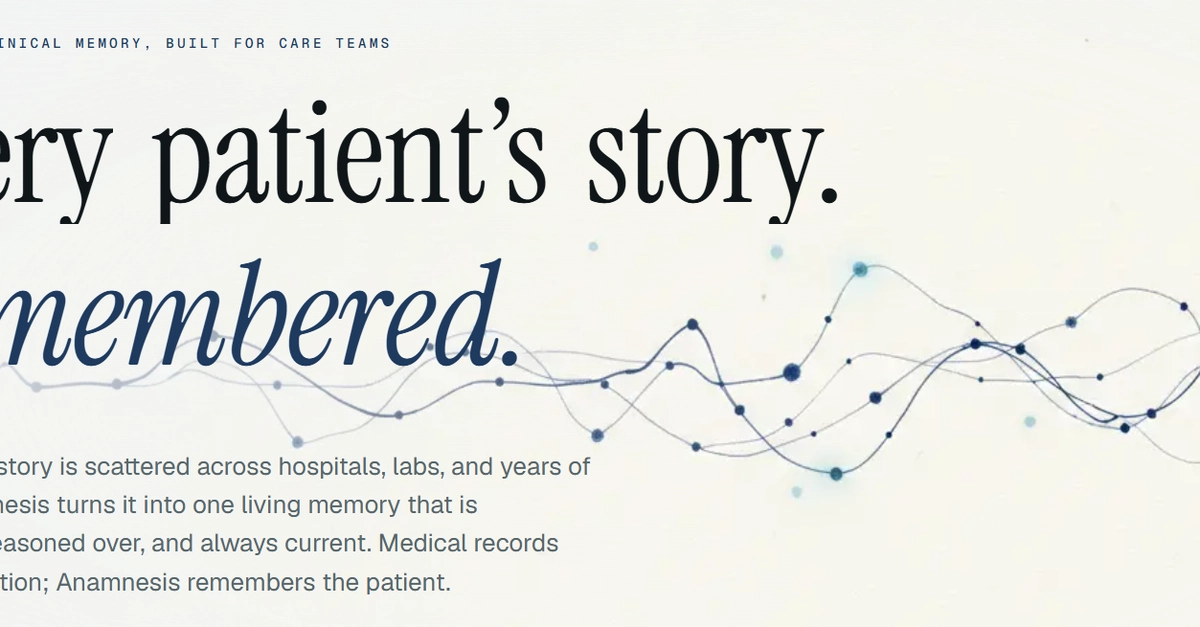
How Cognee turned a pile of medical PDFs into a living clinical memory graph, and why "storage" and "memory" turned out to be completely different problems.
The problem that started it all
A patient walks into a clinic. Behind them: years of blood reports, prescriptions, discharge summaries, imaging scans. In front of them: a doctor who has maybe four minutes to reconstruct that entire history before making a decision that affects the next one.
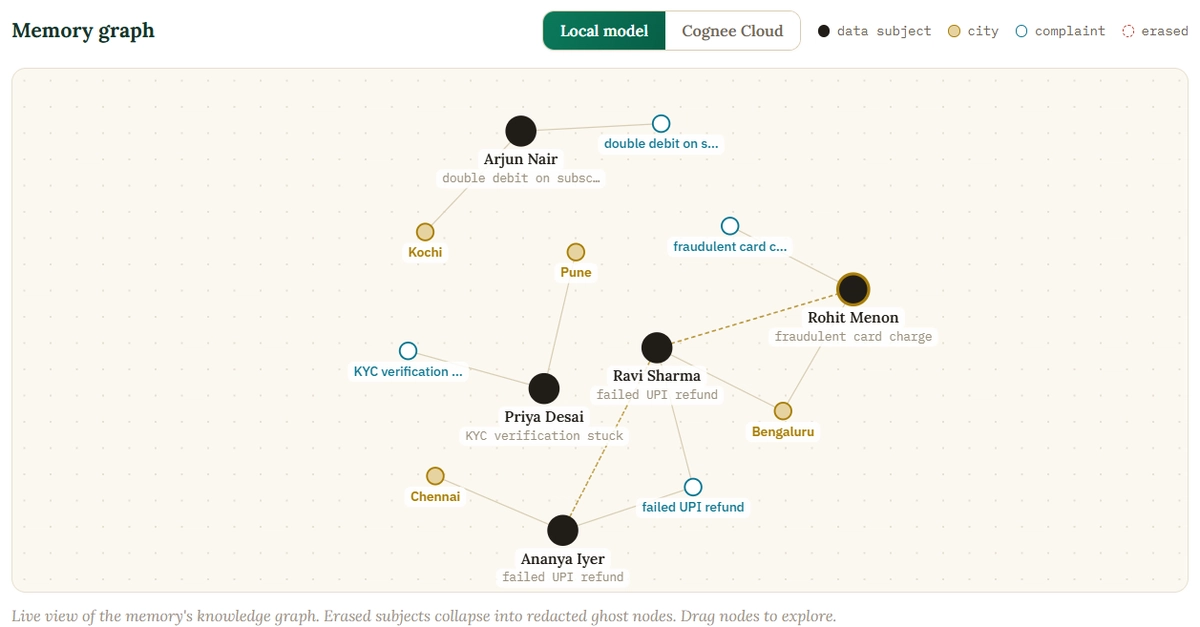
That's not a data problem. Every one of those documents is sitting in some folder, some PDF, some scanned image. The information exists. What's missing is the connection between it: the fact that the kidney function flagged in March relates to the medication started in January, which was prescribed because of a diagnosis made the previous year. A filing cabinet doesn't know that. Neither does a database that just stores rows.
That distinction, between storing information and remembering it, is the whole thesis behind Anamnesis, the project I built for wemakedevs.org's Cognee hackathon ("The Hangover Part AI: Where's My Context?"). And it's the reason I built it on Cognee instead of a conventional RAG pipeline.