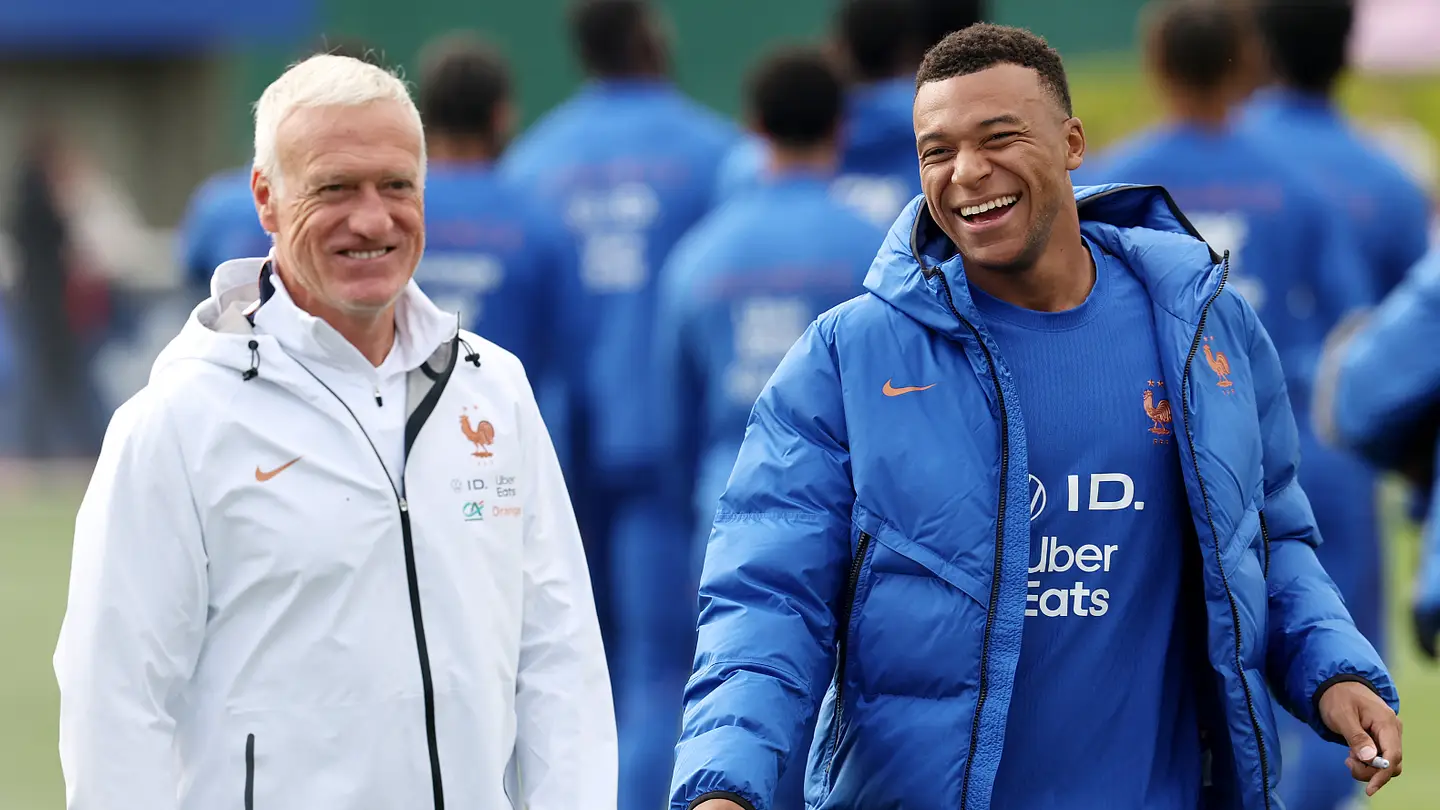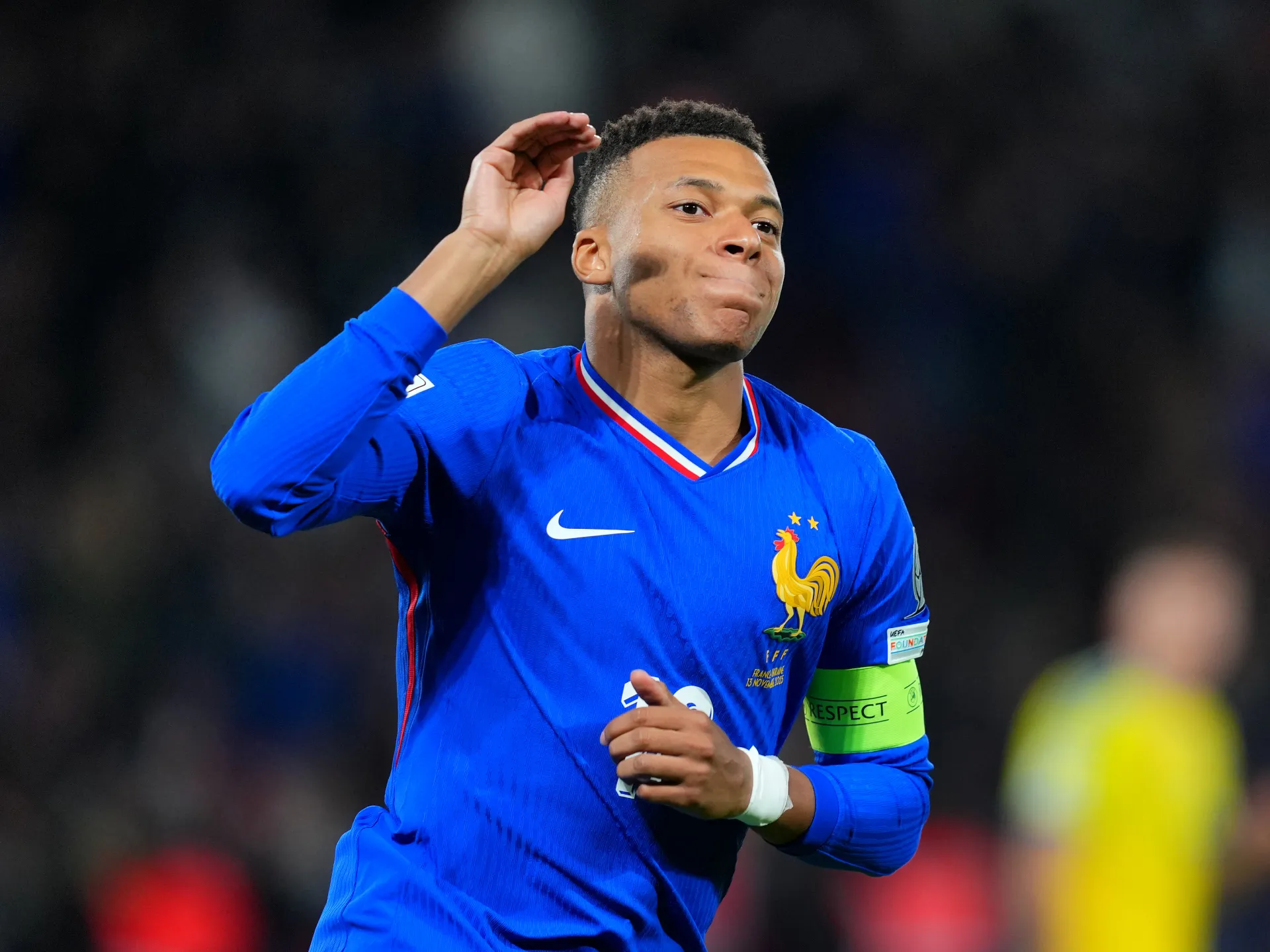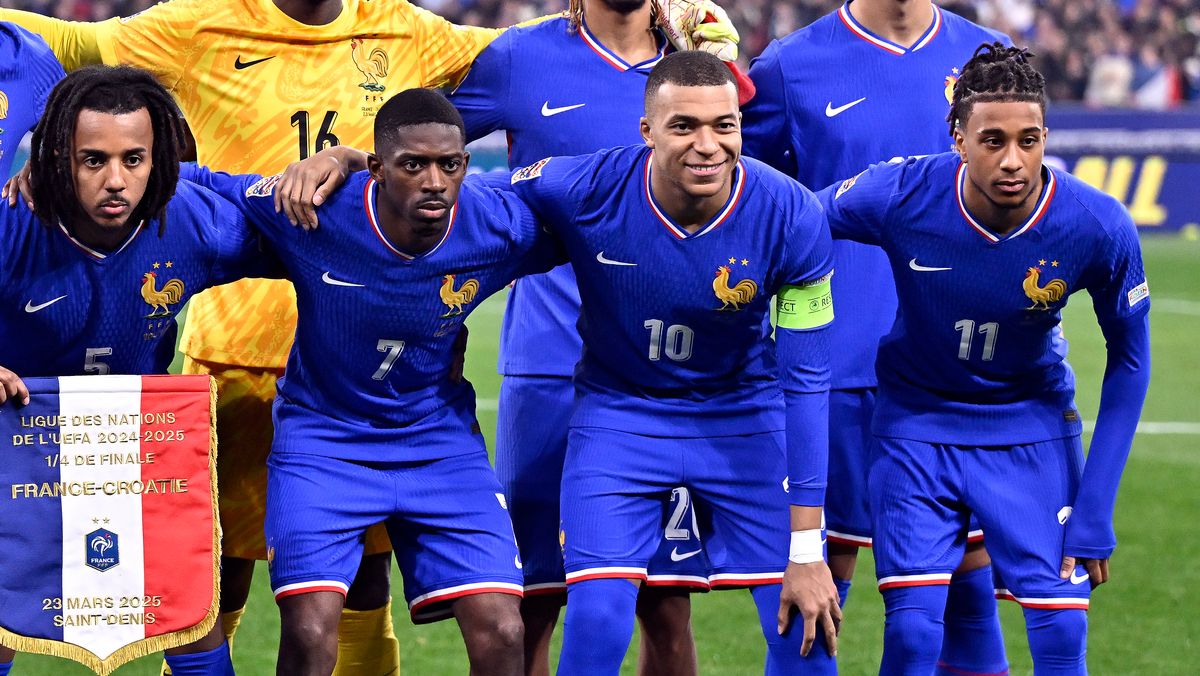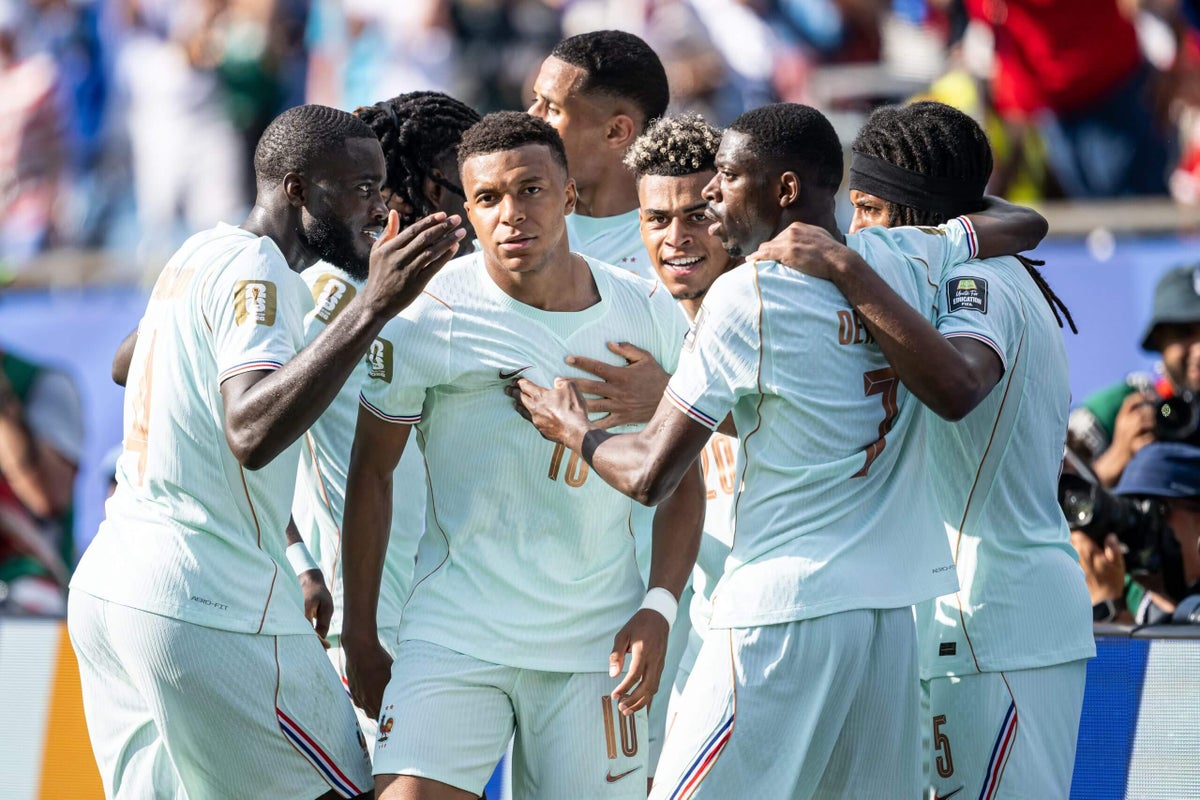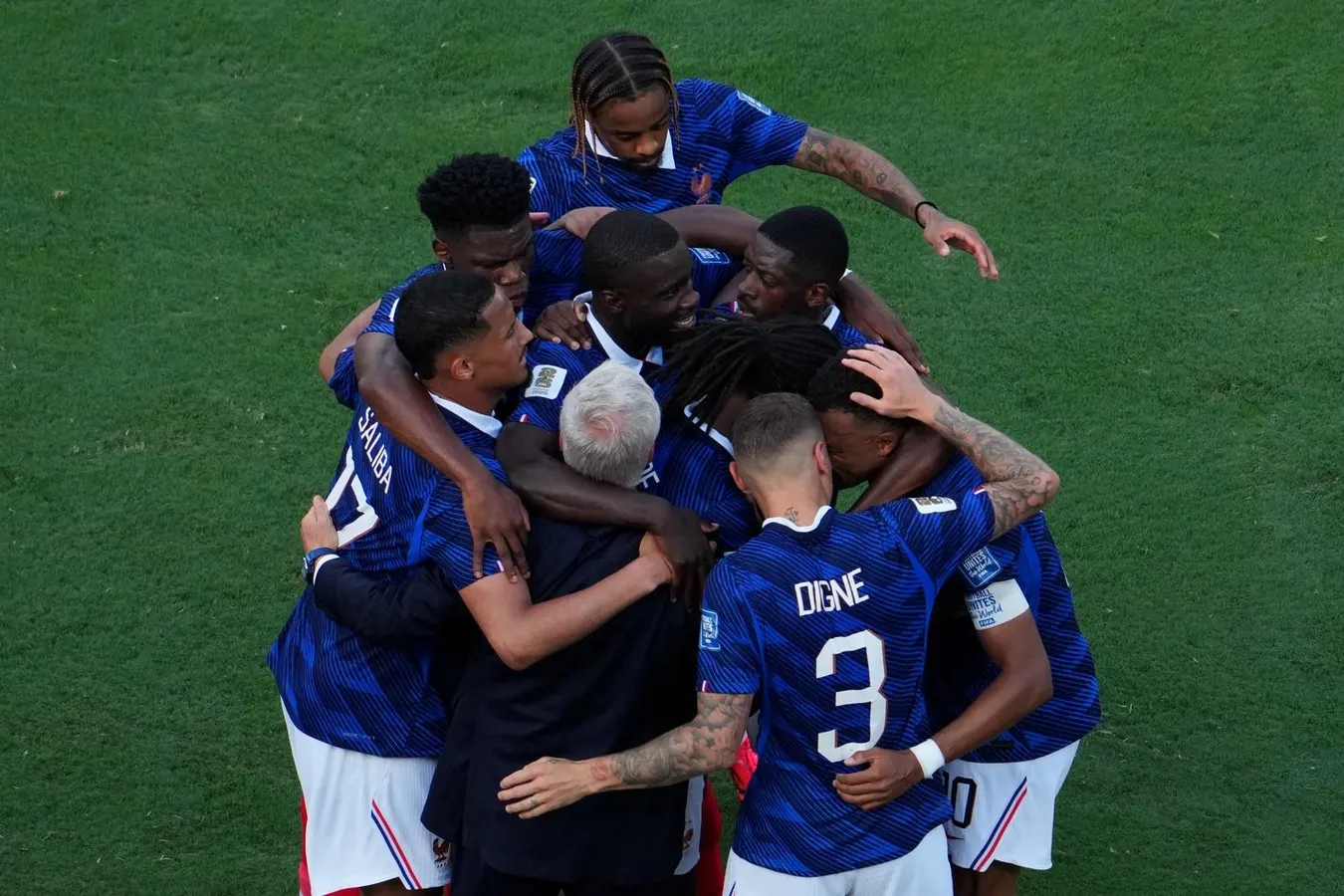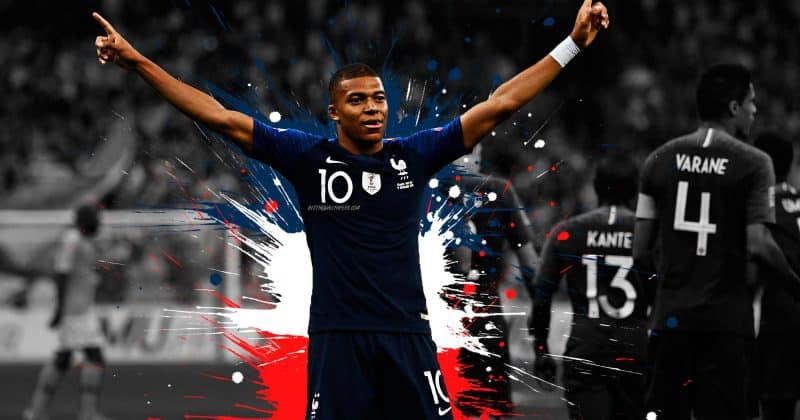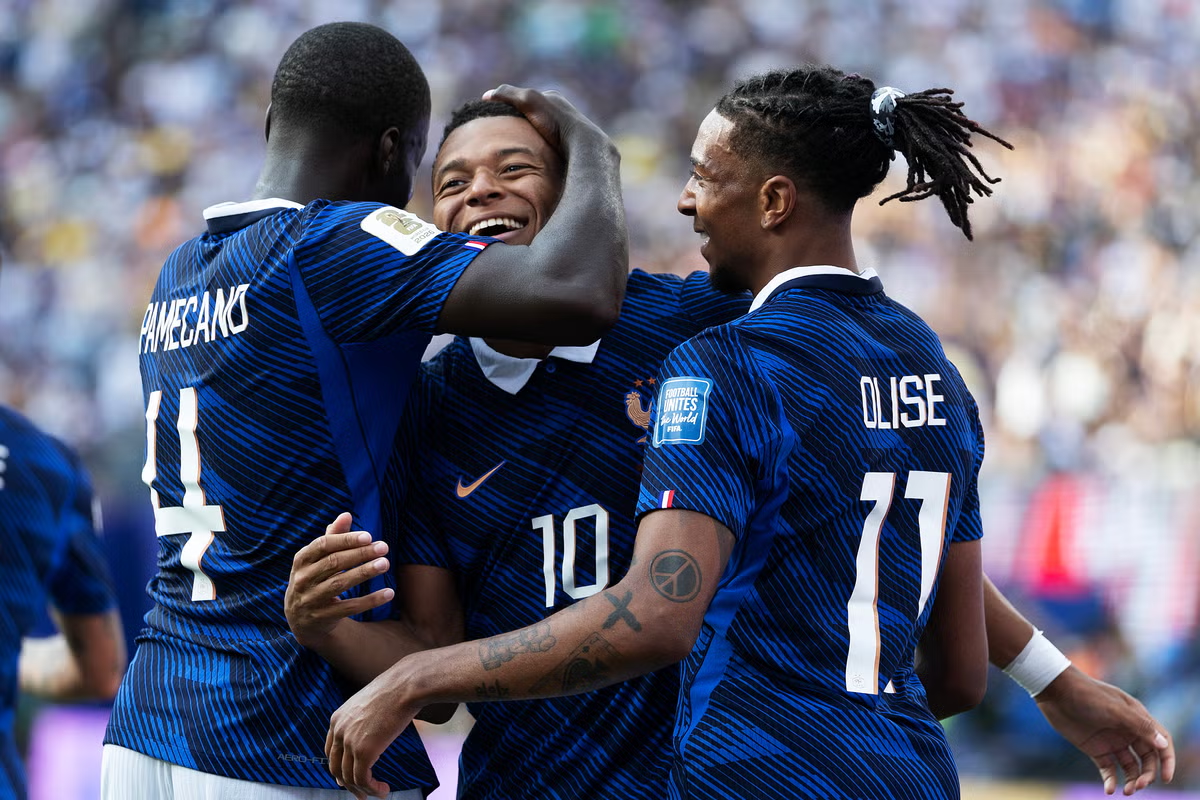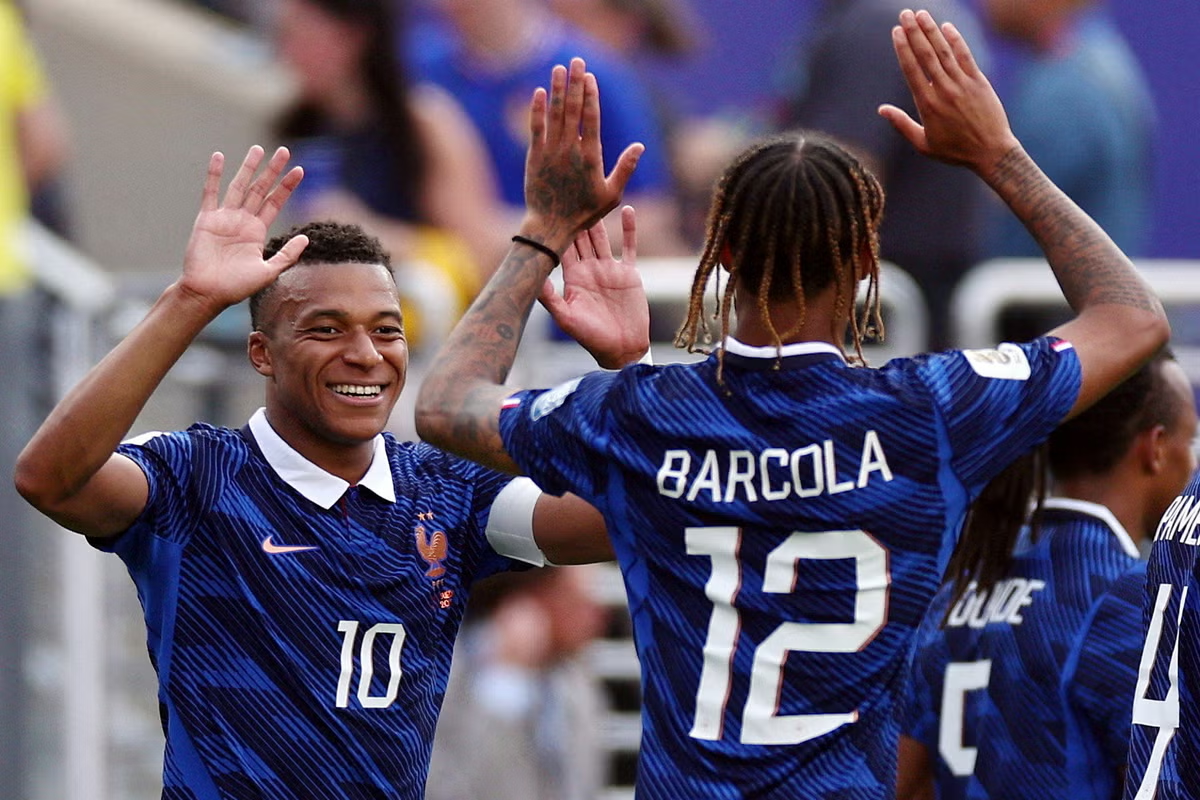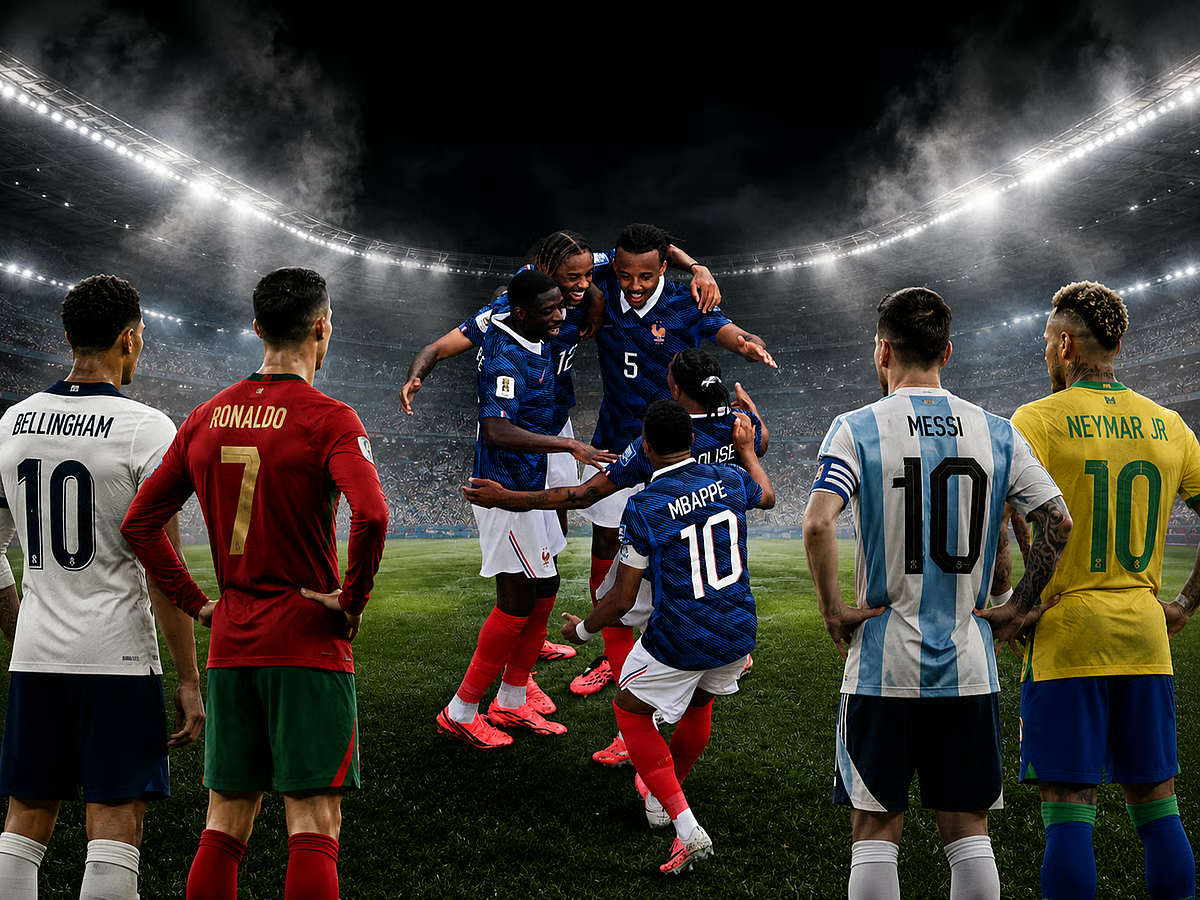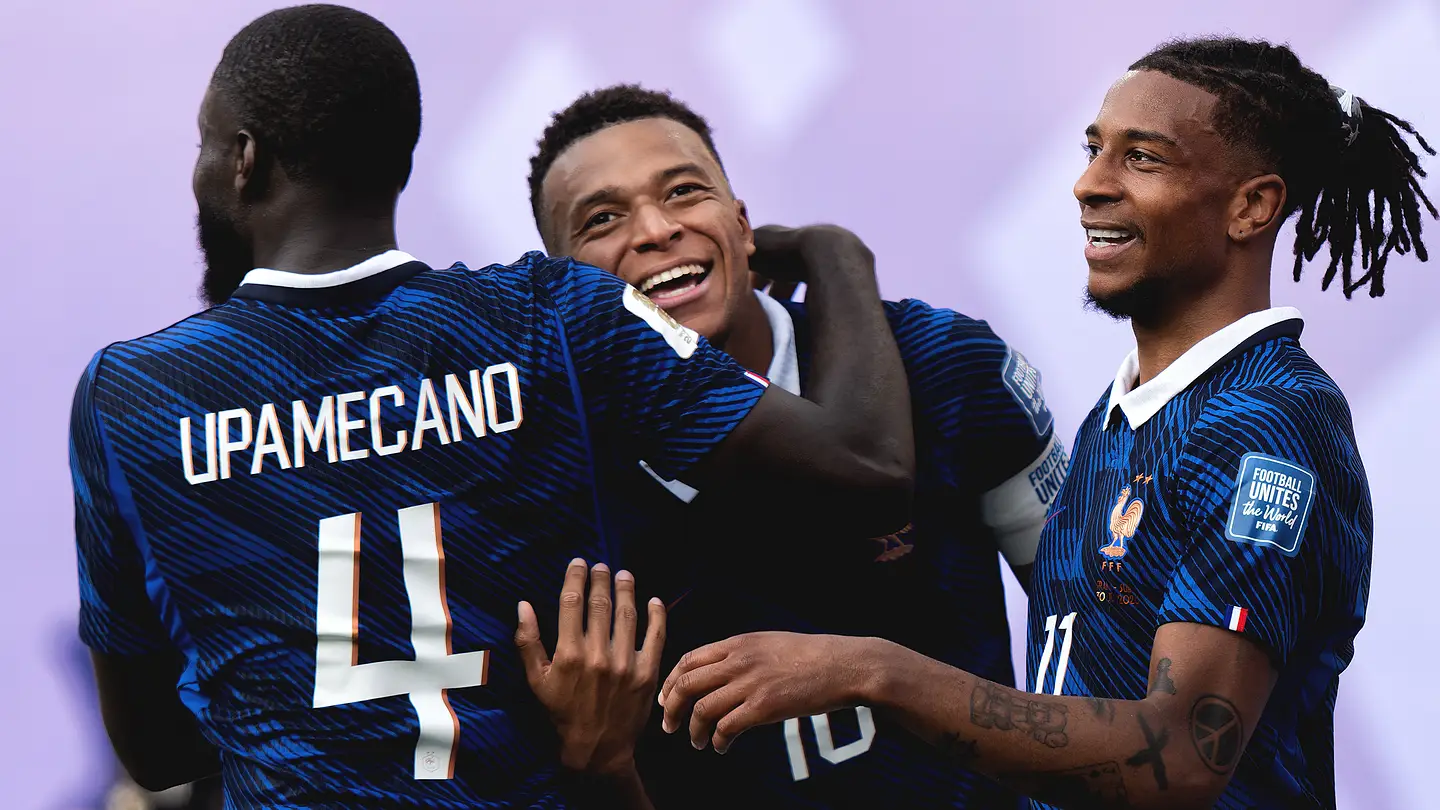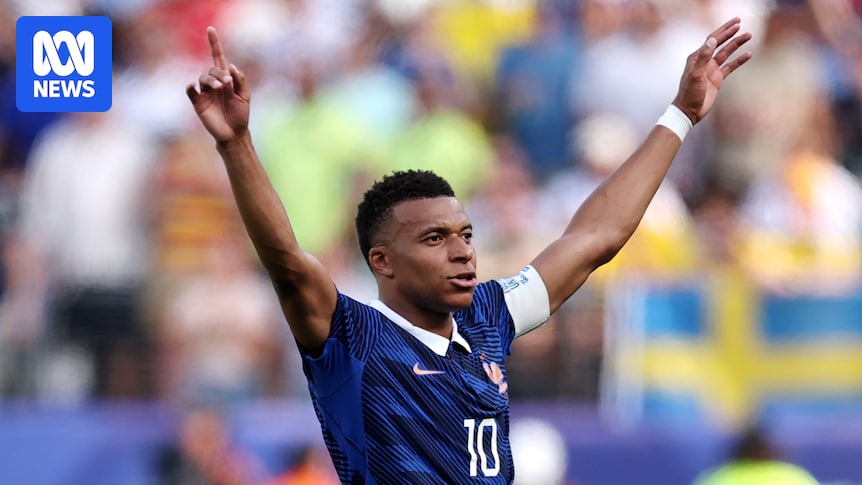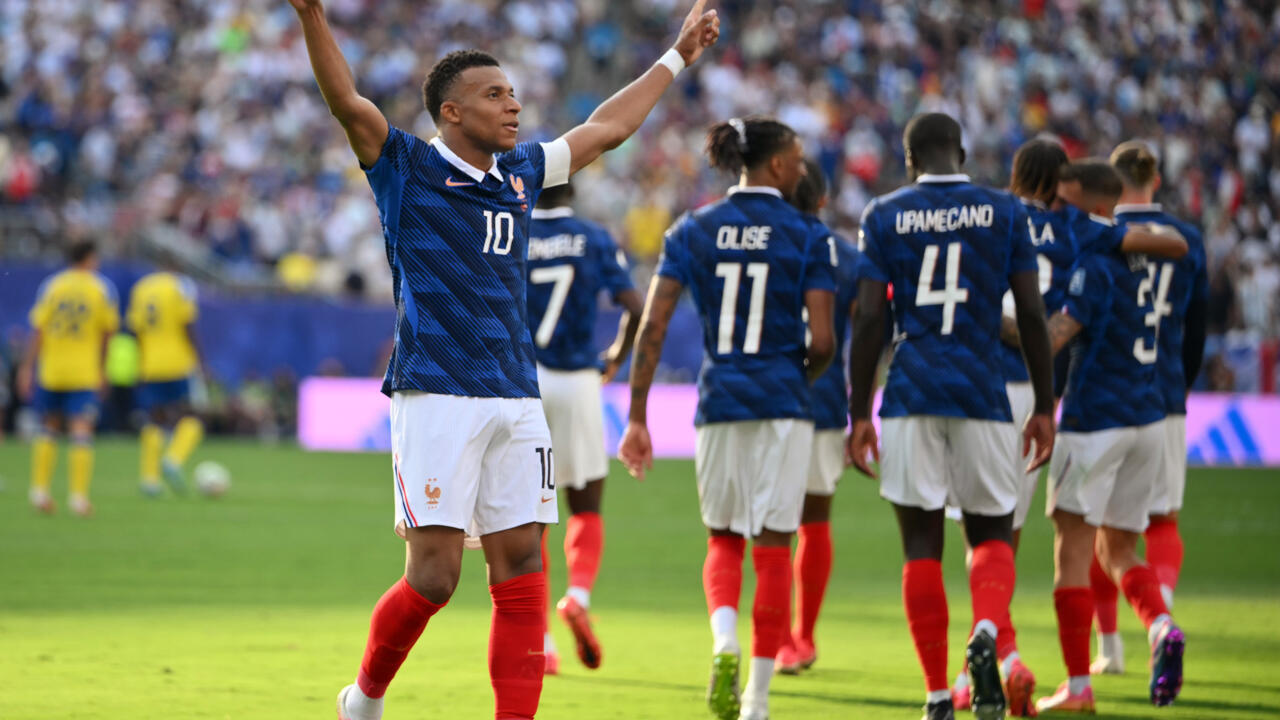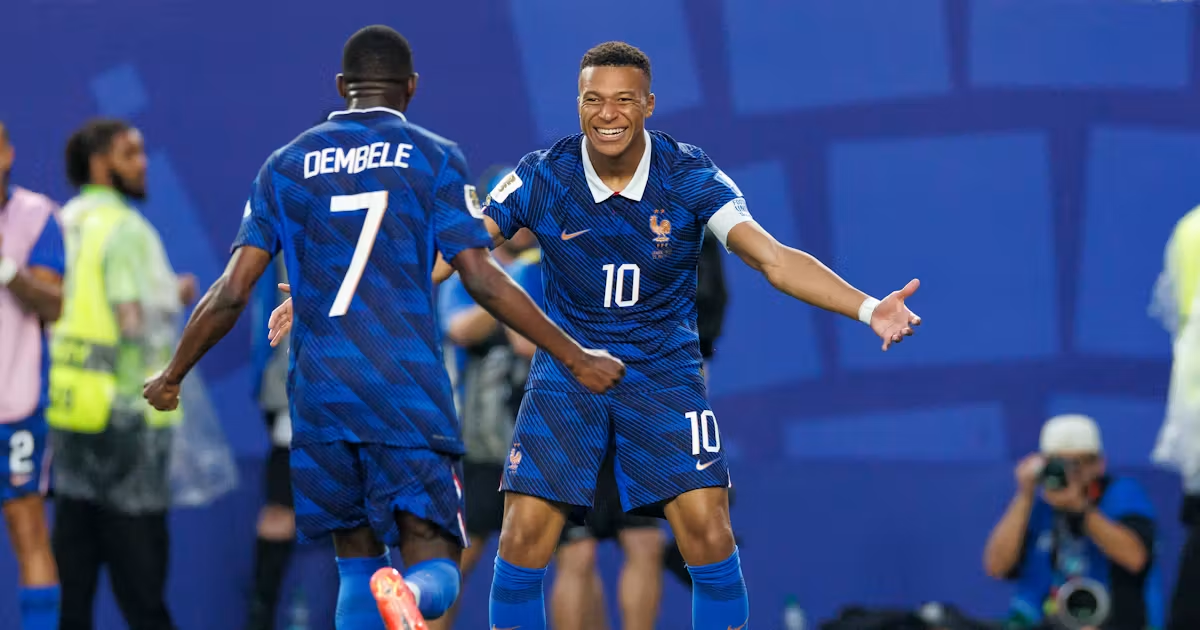
Four games into the 2026 World Cup, the French national team, which presently looks like it will cruise to a third straight final after winning all its matches by two or three goals, has started just three different white players. It only brought five of them to this World Cup. Its best players are named Mbappé, Dembélé, and Olise. They have Cameroonian-Algerian, Malian-Mauritanian-Senegalese, and British-Nigerian-Franco-Algerian ancestry, respectively. They are French.Time has vindicated the French approach to sourcing talent for its national team. Everyone else at this World Cup is doing what the French national team started doing 30 years ago: weaponizing its multiculturalism. Or, conversely, cultivating and capitalizing on its diaspora.Nearly a quarter of the 1,248 players in the 2026 World Cup were born in a different country from the one they represent. To wit: There are 99 French-born players at this World Cup—more than were born in any other nation—but only 26 of them are on the France roster. The rest play for other countries, which pick off the players eligible for their teams who didn’t make the grade for Les Bleus. Such is the glut of world-class players produced in France, emanating overwhelmingly from the super-diverse suburbs surrounding Paris, that the other nations contesting this tournament have eagerly gathered up the leftovers. Enough of them to fill almost three full World Cup rosters. And yet of the 48 teams contesting this quadrennial tournament, France seems to be having the most vociferous national discourse on how “French” the French team should be. Which is to say, how white. France alone bickers over what the racial makeup of its national team says about the nation, which, per the Institut National d’Études Démographiques, now comprises as much as 18 percent Arab or Afro-French citizens. Seemingly every two years, when a World Cup or European Championship comes along, another tired debate sparks off in France, which may well have the most politicized national team in soccer, clearing an extraordinarily high bar. All the more so since the French have been one of the planet’s most successful teams in the last three decades, winning the World Cup twice and the European Championship once, while making the title game of those tournaments thrice more. The men’s national team is the public-facing French institution that has consistently functioned the best—although you’d never know it from the way it’s spoken about.In 1996, Jean-Marie Le Pen, then France’s far-right leader, dismissed Les Bleus as “artificial” for having to “bring in players from abroad and call them the French national team.” They very much hadn’t—all but one player was born in France.Two years later, that team, popularly described as “black, blanc, beur” (Black, white, Arab), even though only star playmaker Zinedine Zidane actually fit the latter ethnicity—won the World Cup on home soil and was heralded as a paradigm for a new, more diverse and multicultural France. This, of course, ignored the rampant racism and substantial issues still faced by the nation’s minorities at the time, and which persist—from 2020 to 2024, the number of reported hate crimes in France more than doubled. Zidane and his Black teammate Lilian Thuram understood that nothing had been solved, even though many of their countrymen felt good about themselves. They remained vocal about the dangers posed by Le Pen and his movement. The National Front, Zidane said in 2002, “does not correspond to French values.” Zidane reiterated his stance on the National Front in 2017: “We have to avoid it as much as we can.”Kylian Mbappé, the face and captain of the team today—and currently the World Cup’s co-leading scorer, along with Lionel Messi, at six goals apiece—was born in that very year, 1998. Lilian Thuram’s son, Marcus, is his teammate. Ahead of another election that threatened to elevate the rebranded National Rally in 2024, now led by Le Pen’s daughter Marine, Marcus Thuram warned the nation: “The situation is extremely serious,” he said. “As citizens, we have to fight to make sure that the National Rally doesn’t get through.” Mbappé agreed and said so publicly, calling the National Rally’s ascent “catastrophic.” Whereas his fellow global megastars Messi and Cristiano Ronaldo have been studiously apolitical all their careers—never mind that the latter was named for Ronald Reagan and both have taken many millions from sports-washing Gulf states—Mbappé has shown no compunction about wielding his enormous platform in opposition to the far right. Nor have the rest of the team, flouting convention in international soccer.Unpopular centrist French president and noted soccer nut Emmanuel Macron has been in power throughout the nation’s glorious soccer run and has attached himself to the team like a barnacle. He personally and successfully lobbied Mbappé against leaving Paris Saint-Germain for Real Madrid, citing the national interest, for several years, although Mbappé eventually went in 2024. It has brought Macron little benefit; not even his association with World Cup success could make the people love him. With yet another round of French elections in the offing next spring, Mbappé doubled down in an interview with Vanity Fair ahead of the World Cup. “I know what it means, and what kind of consequences it can have for my country when those kinds of people take control,” he said of the National Rally. “So we are citizens. We have the right to give our opinion like anyone else.”That word, citoyen (citizen), is meaningful in France. During the French Revolution, it was used as a greeting, not unlike comrade under Communism. “Aux armes, les citoyens,” the national anthem still impels. Arm yourselves, citizens. It is drilled into French children that good citizenship is a high virtue. France manager Didier Deschamps, who is white and himself a veteran of that 1998 World Cup–winning team, which he captained, lamented that his players would be asked about politics during this World Cup. But he stopped well short of condemning them. “I’m not going to tell them not to speak,” he said. “They are well aware that there are sensitive topics. They are citizens.”It’s unclear exactly at what point during the French Revolution the rallying cry of “liberté, egalité, fraternité” (liberty, equality, brotherhood) was adopted, eventually becoming the new republic’s national slogan. What is entirely clear is when it was bastardized into “liberté, egalité, Mbappé.” That was the 2018 World Cup, when the 19-year-old led his nation to its second world championship. It proved to be prophetic. As national team captain, he is so conscious of his clout that he works little digs at the far right into humdrum press conferences. A journalist trying to help Mbappé spot him in a crowded room earlier on in the World Cup waved and said, “I’m to your left, really the far left.”“Luckily you weren’t on the other side,” Mbappé shot back with a grin, before the room broke into laughter.He understands that the work of making the case for diversity is unfinished, both in soccer and beyond it. As recently as 2011, a scandal spilled into the open when it transpired that, in a meeting with the acquiescing national team head coach present (Deschamps’s predecessor and ’98 teammate, Laurent—wait for it—Blanc), federation officials discussed capping the number of nonwhite players in the nation’s youth academies at 30 percent. Delightfully, a 12-year-old Mbappé happened to be interviewed in the aftermath of the scandal, speaking into the camera and declaring, “If you look at history, the best ones [soccer players] were Black ones and Arab ones.”Around that same time, the underperformance of a querulous and scandal-plagued incarnation of the national team—which went on strike at the 2010 World Cup over a falling-out with its head coach—was blamed on the team’s Black and Muslim players and those of North African descent. There is a creeping sense that France will win this World Cup if it decides it wants to win it. It abounds with talent. Deschamps left players at home who would have starred for just about any other team. I was at their tournament opener against Senegal, and Les Bleus were a hot mess in the first half until they decided that, actually, they could be bothered after all and cut the African champions apart in the second half. I was at their round-of-32 match with Sweden on Tuesday, a 3–0 rout that could have gotten far uglier. I watched Mbappé score four times in those two games. I also saw a Frenchman in a full Napoleon costume. But what struck me was the makeup of France’s fans who followed their team to New Jersey. They were almost exclusively white. Deschamps is white. His assistants are all white. And yet so few of the players are. Zidane, French-born to Algerian parents, the impeccably qualified alternative, has been lying in wait to replace Deschamps for years—he finally will after this tournament. That will make him the national team’s first nonwhite manager.This will be noted on the far right. Nothing about the Les Bleus is apolitical. “You can be a player, you can be an international star, but above all that, you are a citizen,” Mbappé told Vanity Fair. The French team is full of citizens.
The 2026 World Cup’s Most Political Team Is Also (Probably) Its Best
Seemingly every two years, when a World Cup or European Championship comes along, another tired debate sparks off in France, which may well have the most politicized national team in soccer.
1,515 words~7 min read