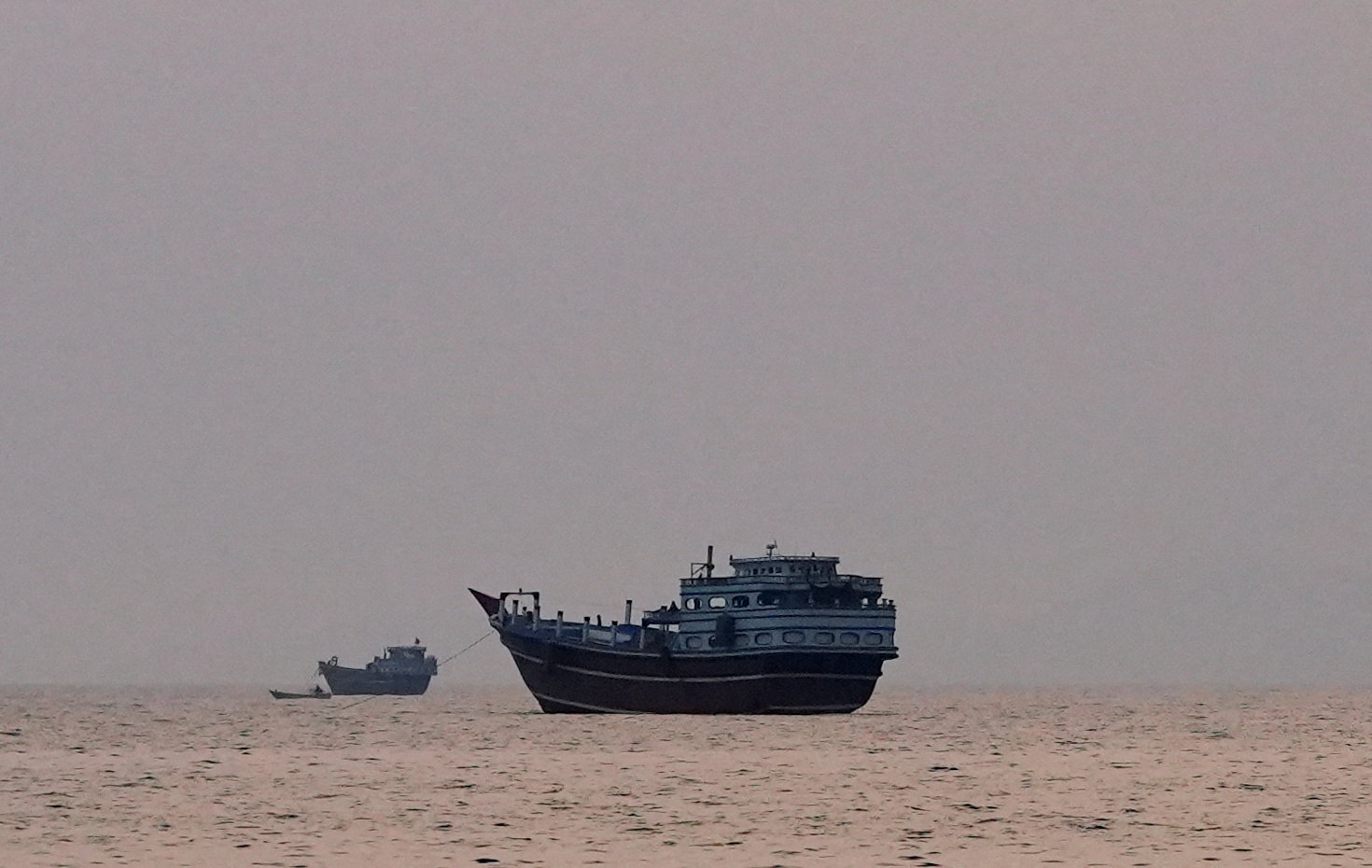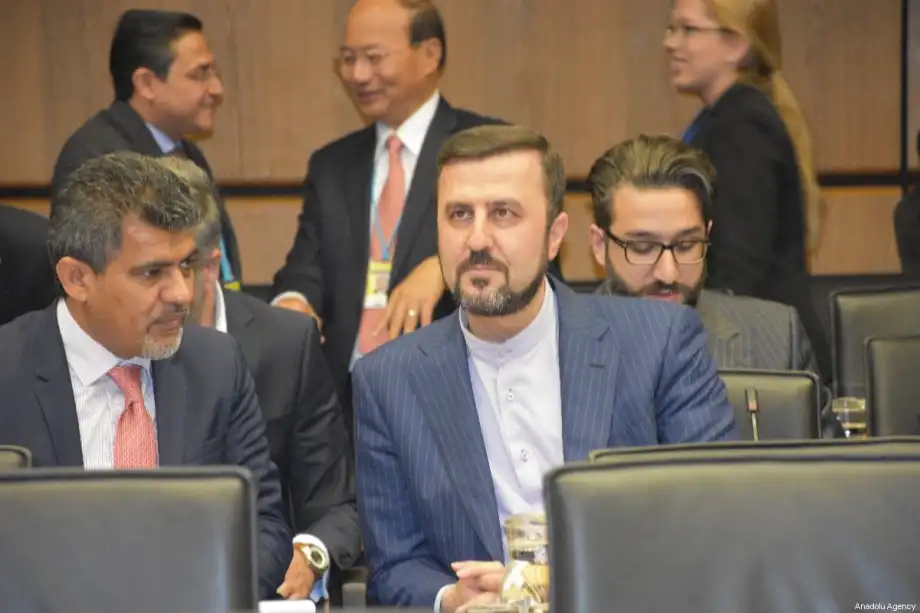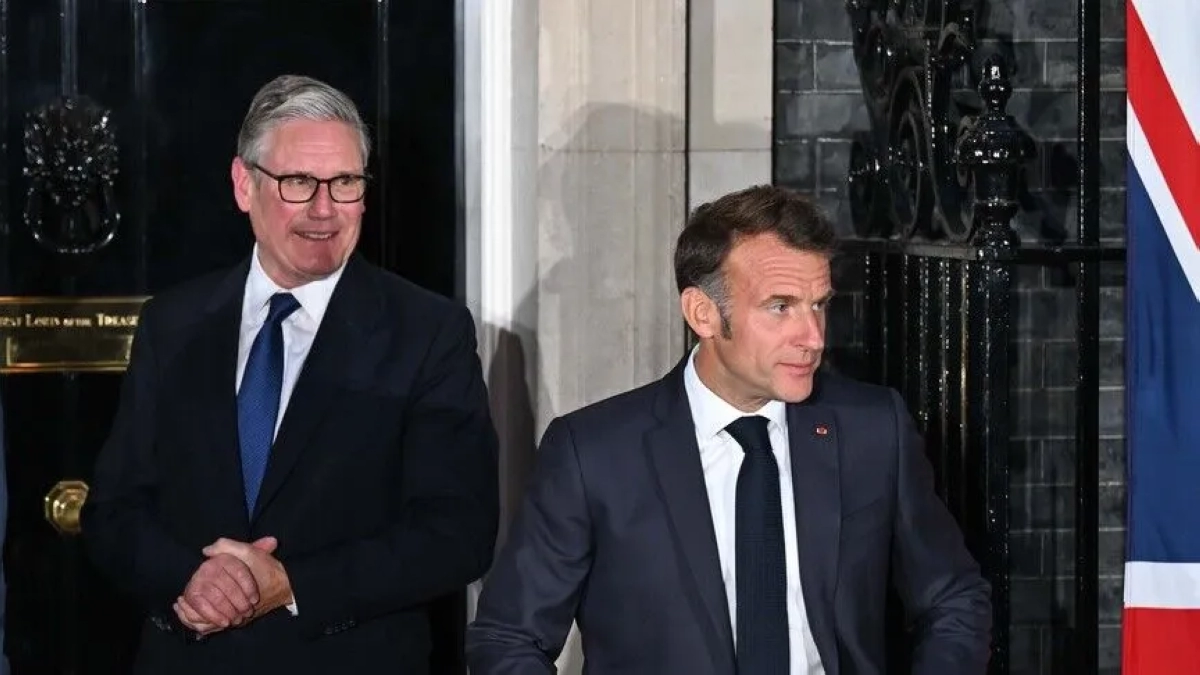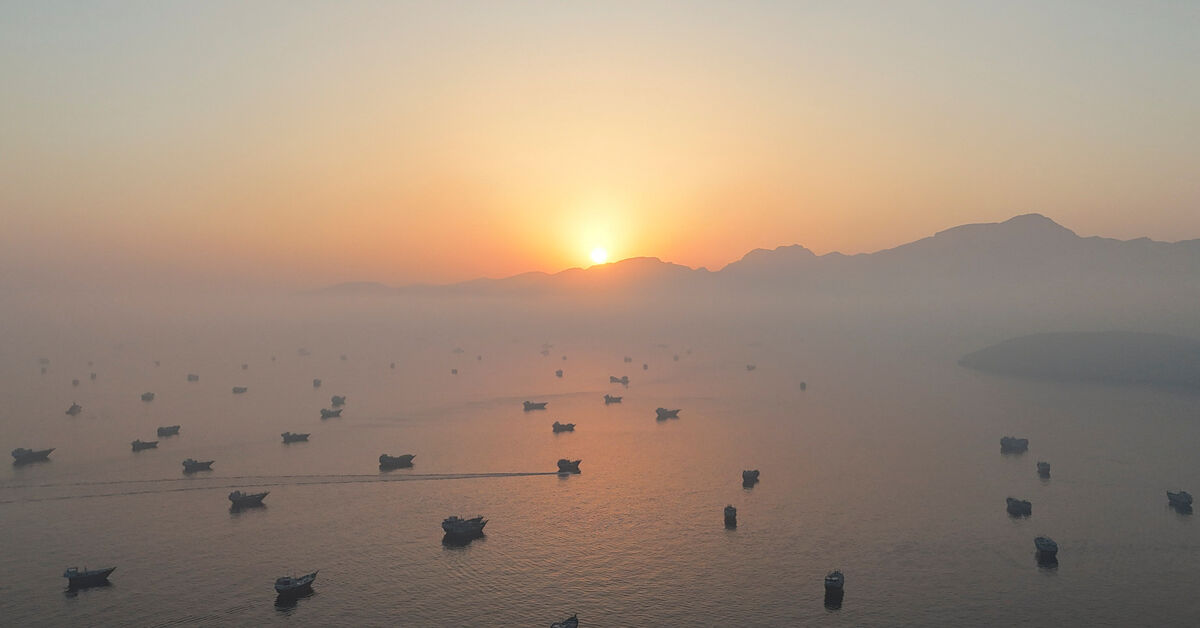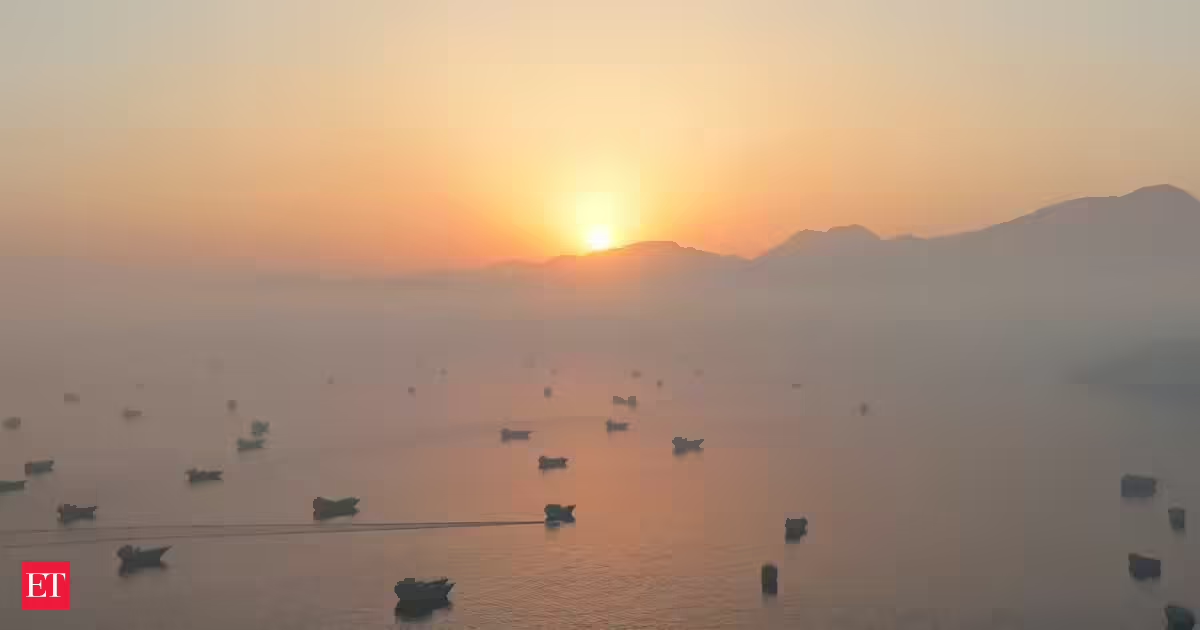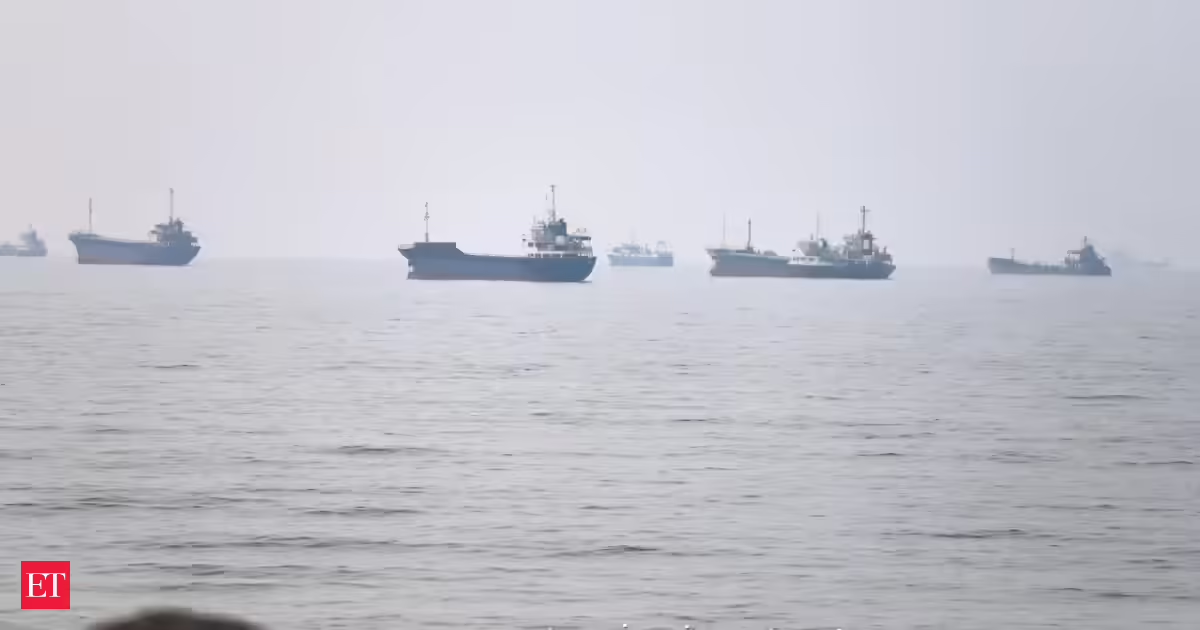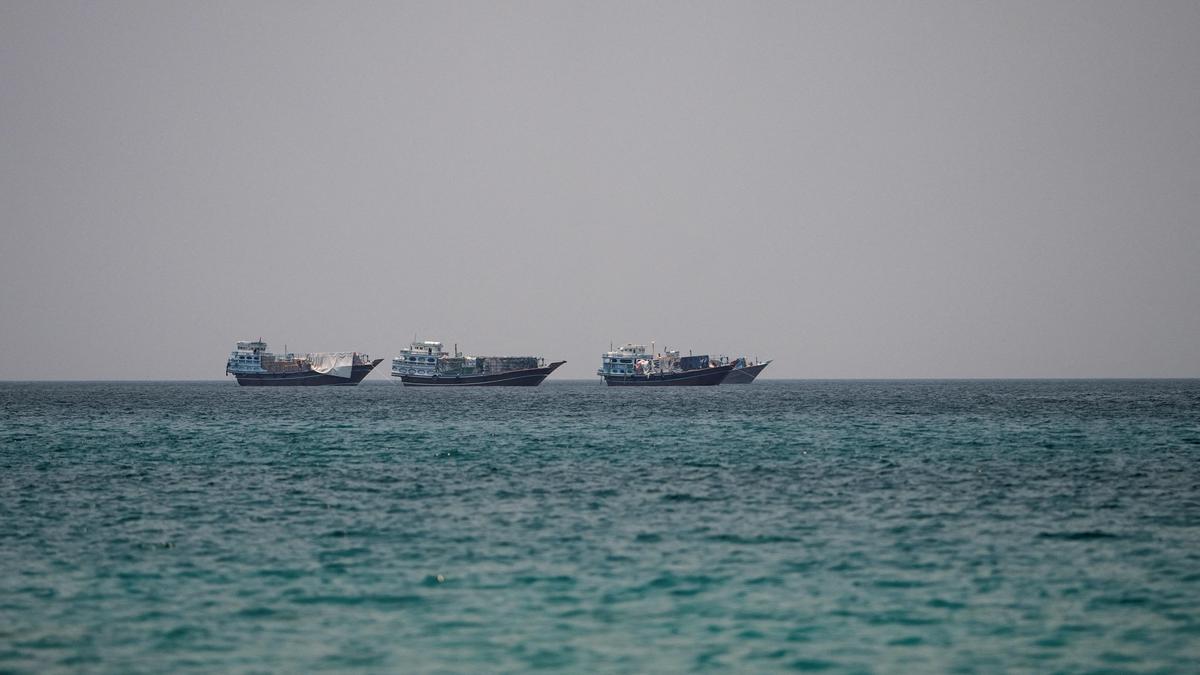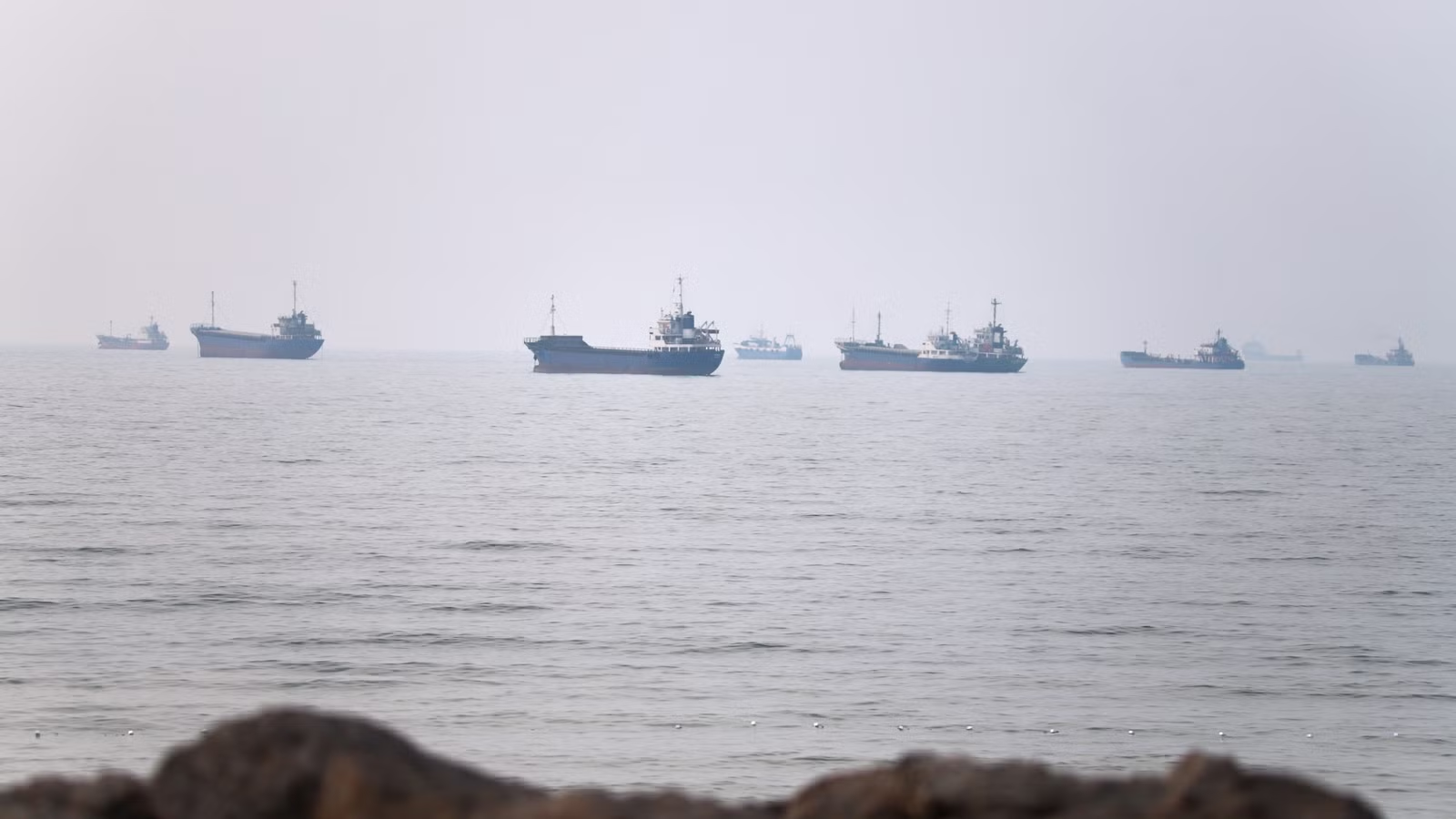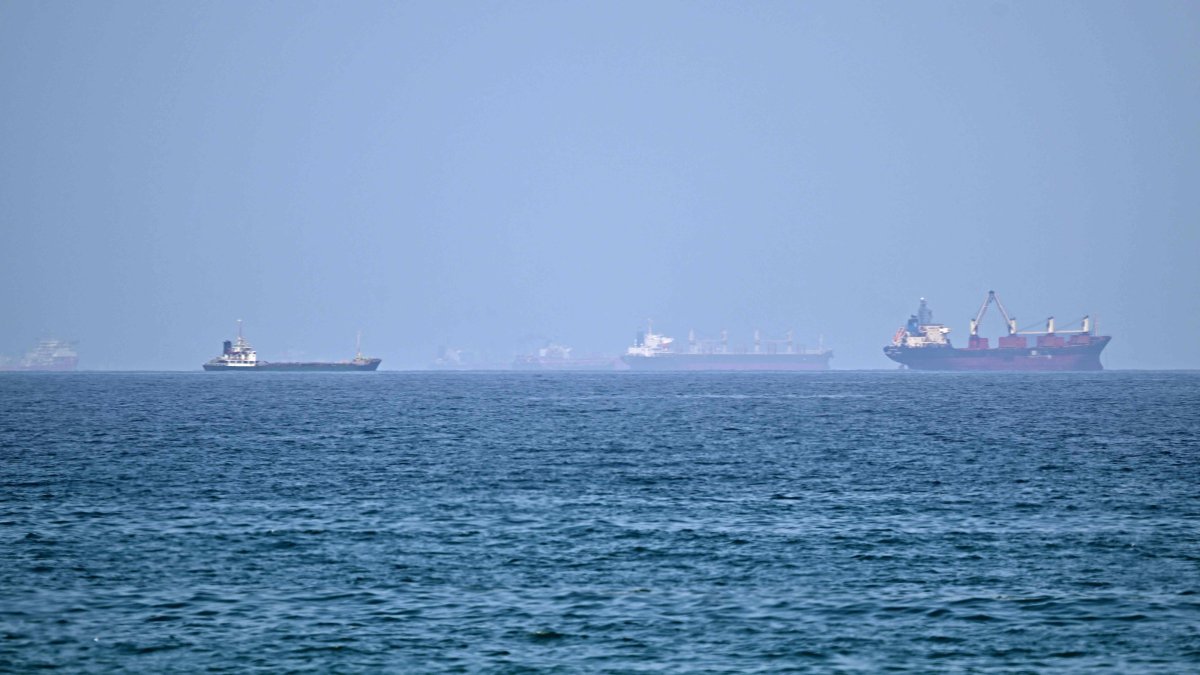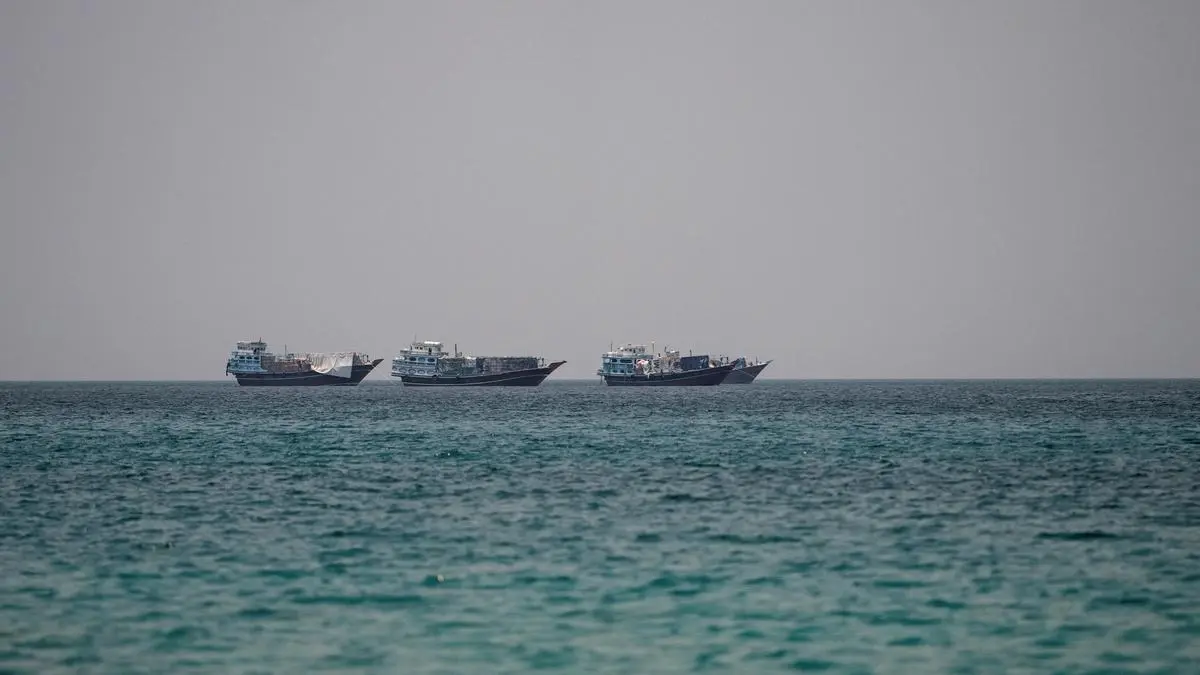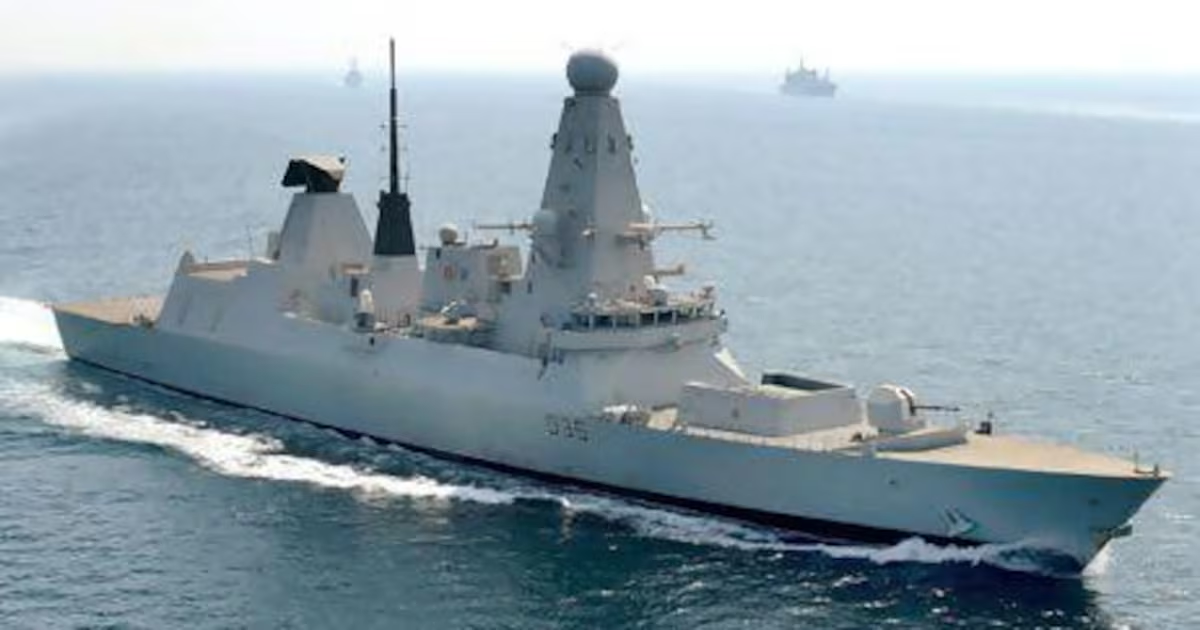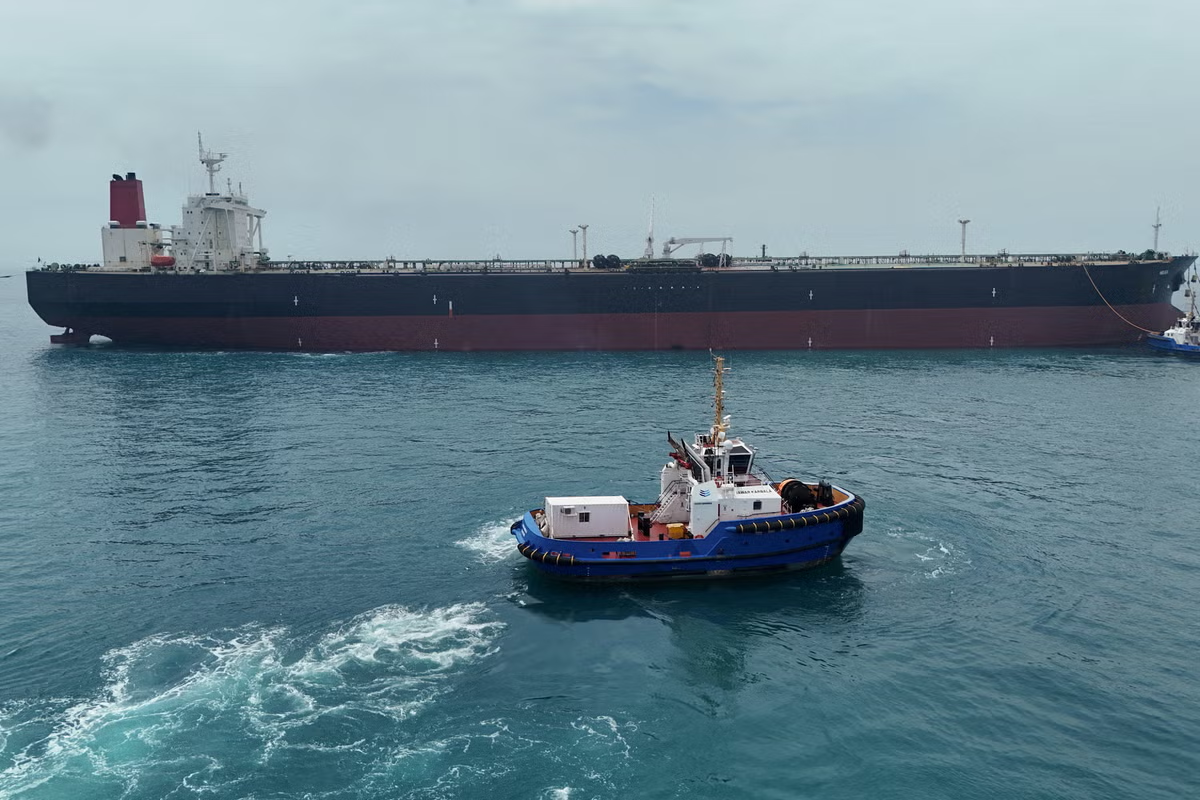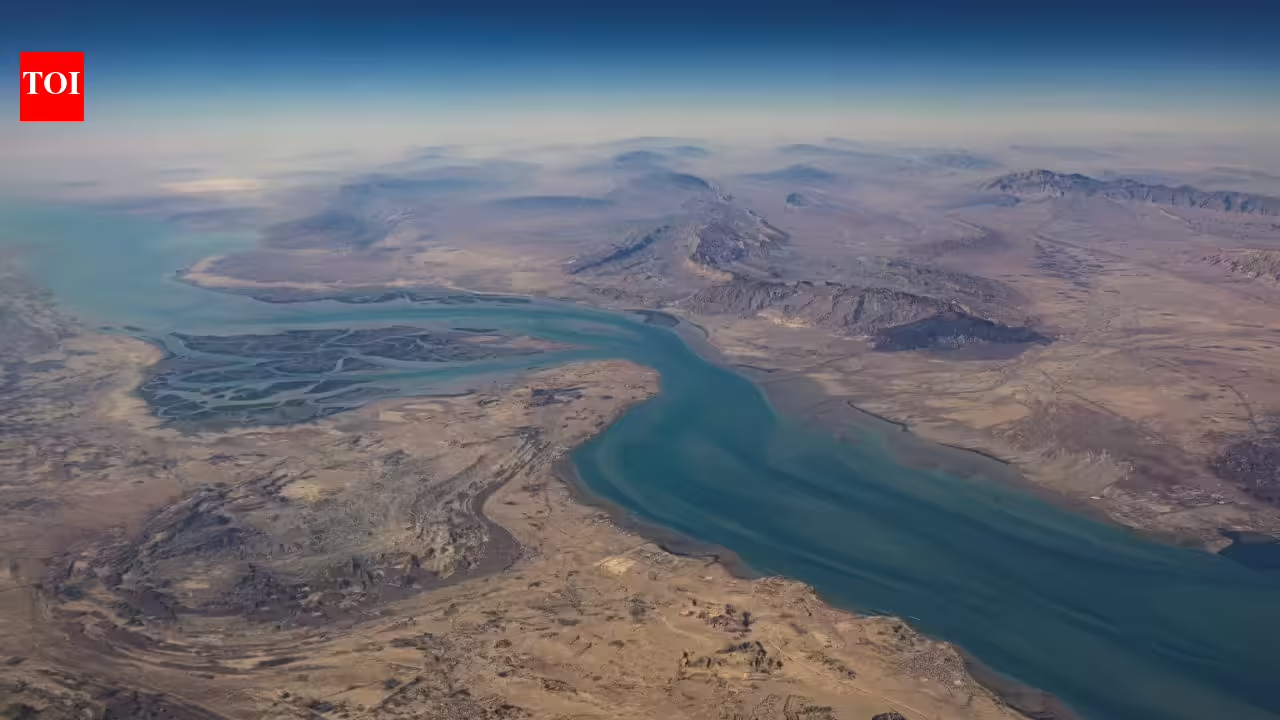
The latest exchange comes amid heightened tensions over security in the Gulf and the Strait of Hormuz (Reuters photo)Iran has objected to the United Kingdom and France offering military support to protect shipping in the Strait of Hormuz, saying the strategically important waterway should be secured by countries in the region and not by outside powers. Tehran has warned that any foreign military presence in the area could increase tensions and said those responsible for creating a crisis would be held accountable.The remarks came after Iranian deputy foreign minister Kazem Gharibabadi responded to a joint statement issued by UK Prime Minister Keir Starmer and French President Emmanuel Macron on maritime security in the Strait of Hormuz.In a post on X, Gharibabadi said, "The Strait of Hormuz is not a theater for the military display of extra-regional powers. Iran, as the responsible power and guarantor of the Strait's security, warns with sensitivity to any military movement in this waterway. The security of Hormuz lies with the coastal states; the crisis-makers will be held accountable for the consequences of their adventurism; this is a serious warning."The response followed a joint UK-France statement announcing that Oman had agreed to cooperate with both countries to help ensure safe navigation through its territorial waters in the Strait of Hormuz."The Strait of Hormuz is a vital artery for the global economy. Restoring safe transit for ships of all nations through the Strait is a matter of global concern. The Sultanate of Oman has agreed to work with the United Kingdom and France to ensure that its sovereign territorial waters are safe for navigation," the statement read.It added, "The UK and France also stand ready to deploy the wider Multinational Military Mission to support freedom of navigation in the Strait of Hormuz. The United Kingdom and France reaffirm their shared commitment to regional stability, respect for the sovereignty of all States, and their willingness to maintain close cooperation with their partners in order to uphold global security, freedom of navigation and international law."The latest exchange comes amid heightened tensions over security in the Gulf and the Strait of Hormuz, one of the world's busiest oil shipping routes.Earlier on July 2, Iran had criticised the US-led regional security summit held in Bahrain, rejecting what it described as Western attempts to shape the security architecture of the Persian Gulf and the Strait of Hormuz.In another post on X, Gharibabadi argued that the US military command had no authority over the waterway, saying, "Hormuz is defined under Iran's command, not CENTCOM." He also maintained that a military summit in Bahrain could not establish "legal order and security for the Persian Gulf".
'Crisis-makers to be accountable': Iran warns UK, France against military presence in Strait of Hormuz
Iran has objected to the United Kingdom and France offering military support to protect shipping in the Strait of Hormuz, saying the strategically important waterway should be secured by countries in the region and not by outside powers. Tehran has warned that any foreign military presence in the area could increase tensions and said those responsible for creating a crisis would be held accountable.
441 words~2 min read