I have been returning to the same question since the 2009 presidential election in Algeria: what remains politically interesting about this process when the results are known in advance?
Fraud, low turnout and the weakness of parliament are all contributing factors to this procedural failure. They describe the upper architectures of power, but say less about those who still choose to participate in elections, despite being aware of the futility.
Candidates for Algerian elections continue to go through the motions of political life in the lower ranks: gathering signatures, filing appeals, maintaining a presence in party offices.
But the real structures of power are the regime, the army and the presidency. They flatten those who work underneath them.
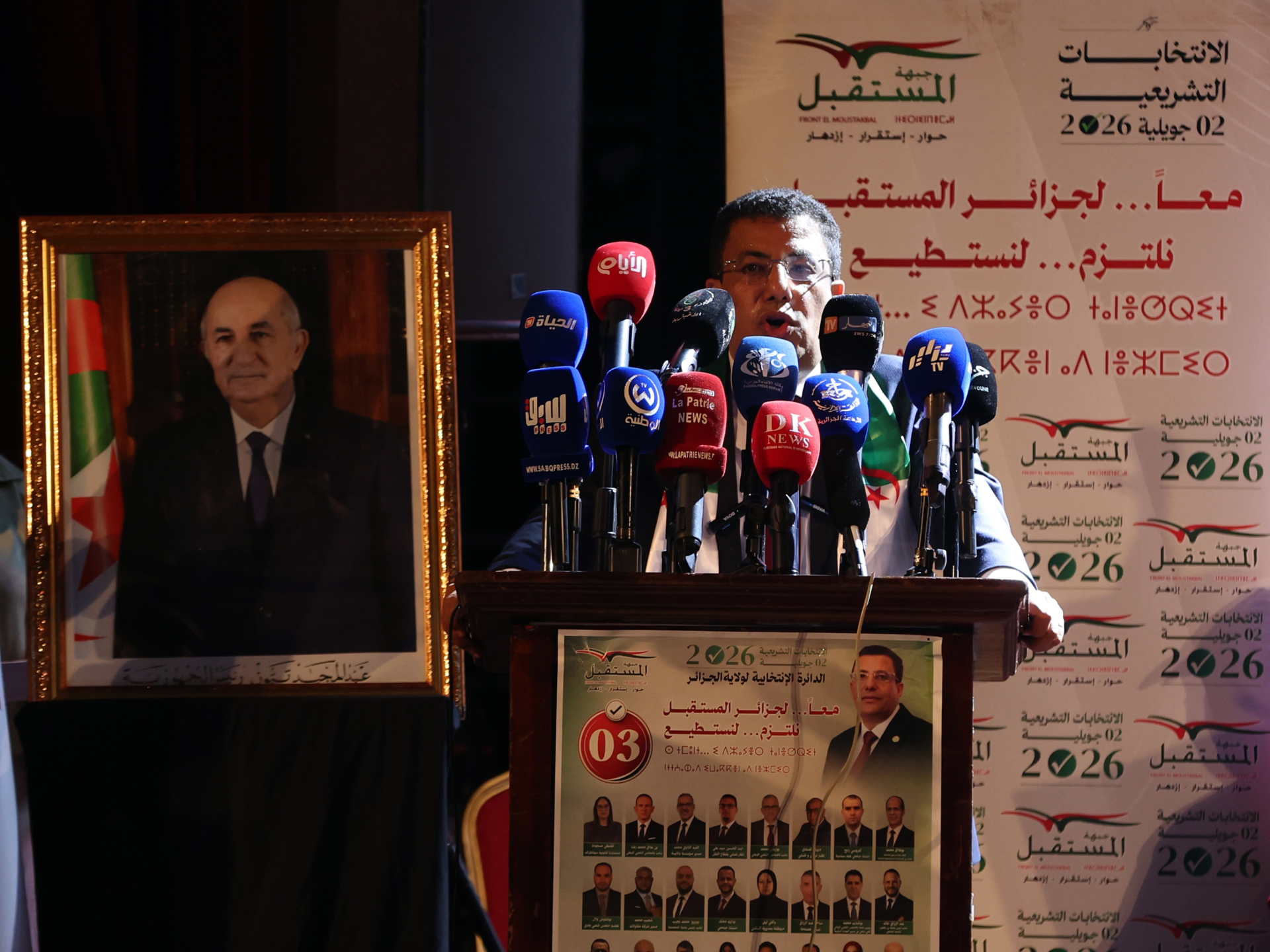
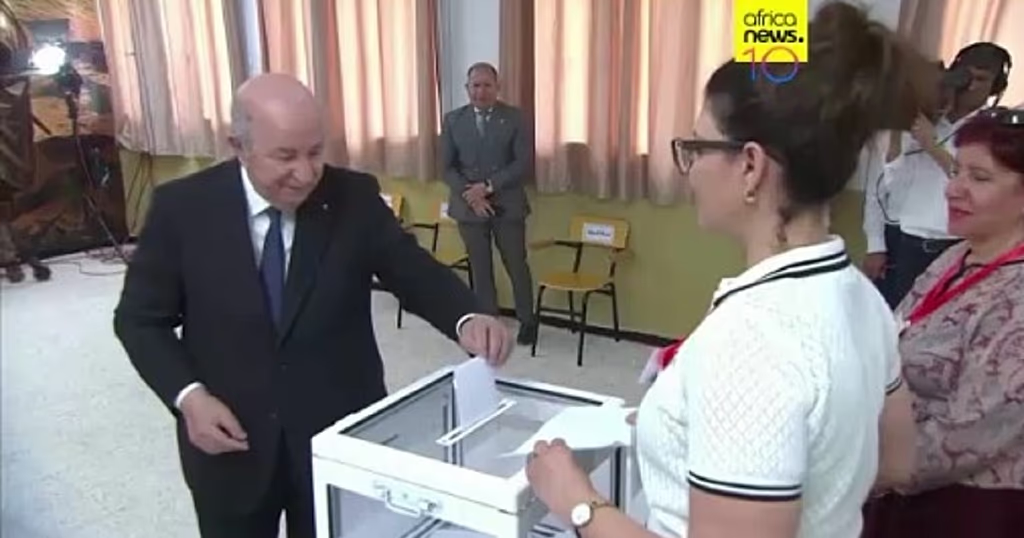
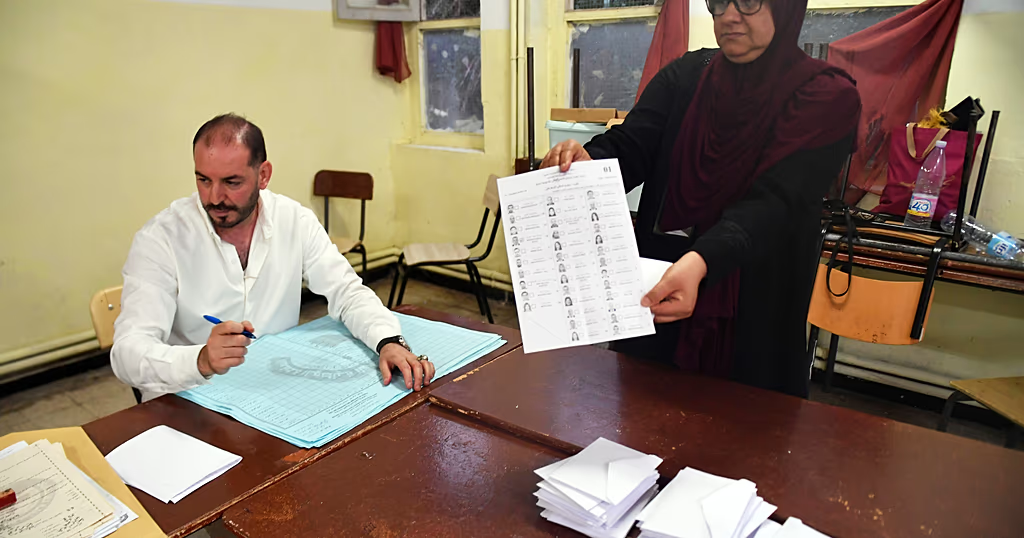
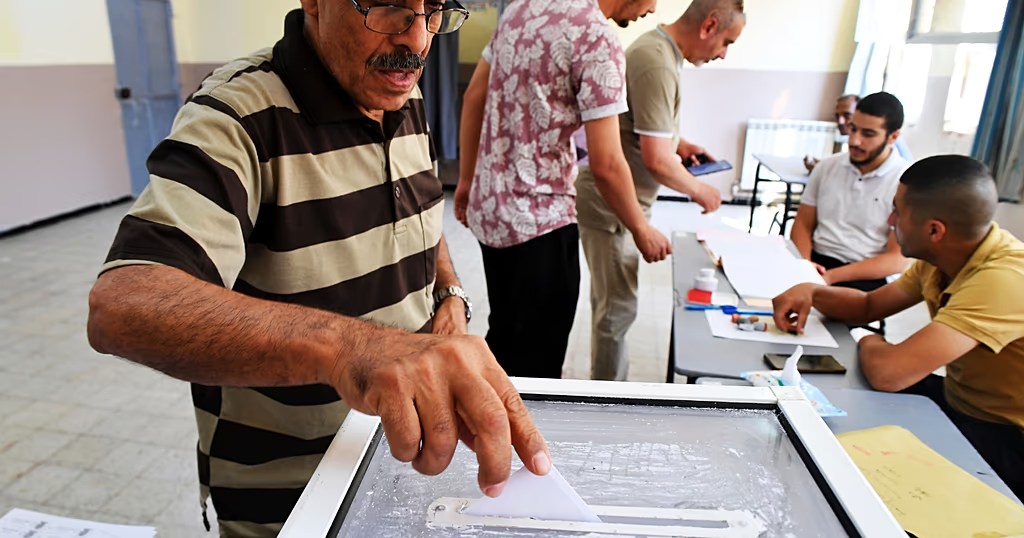
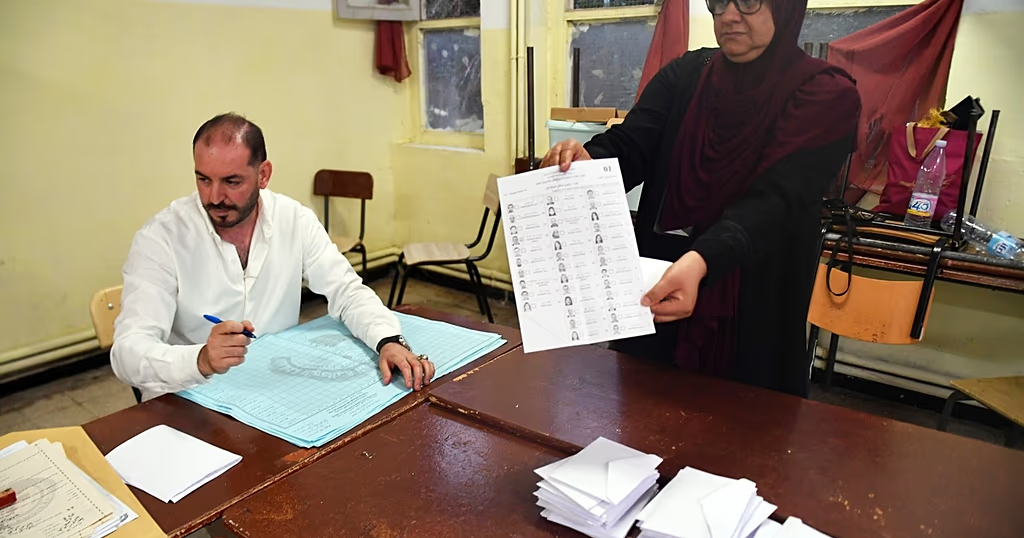
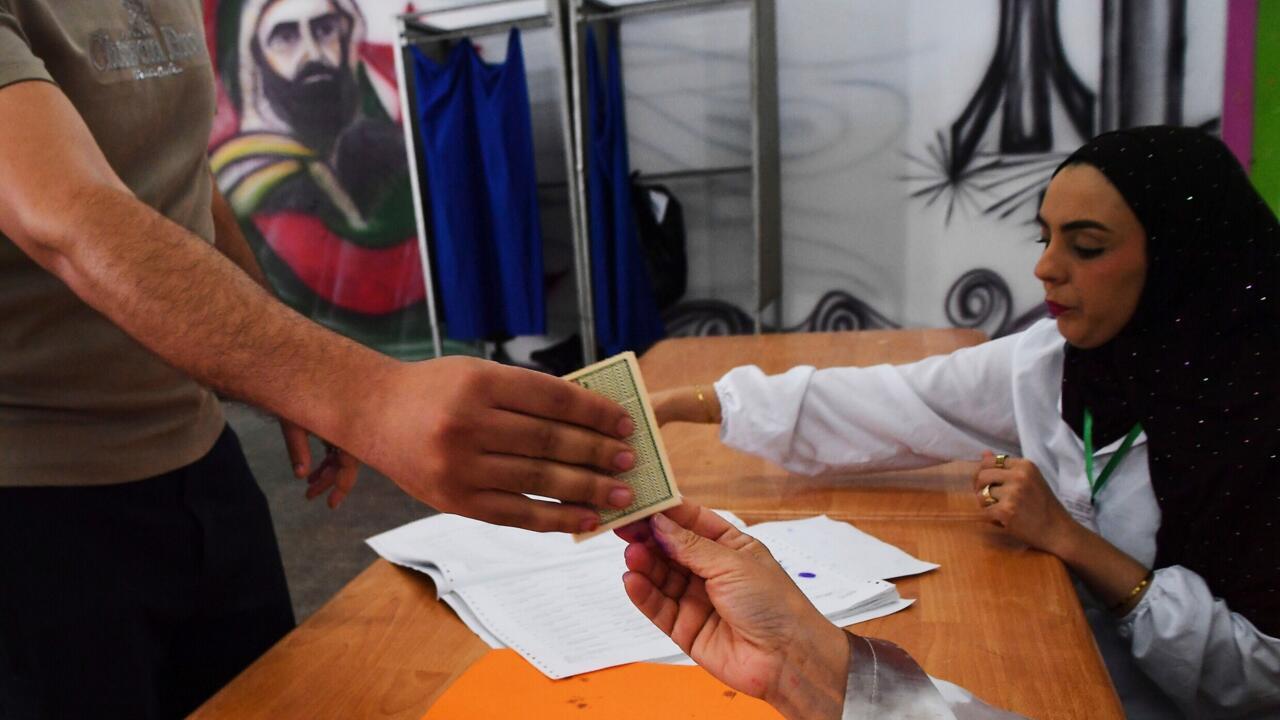
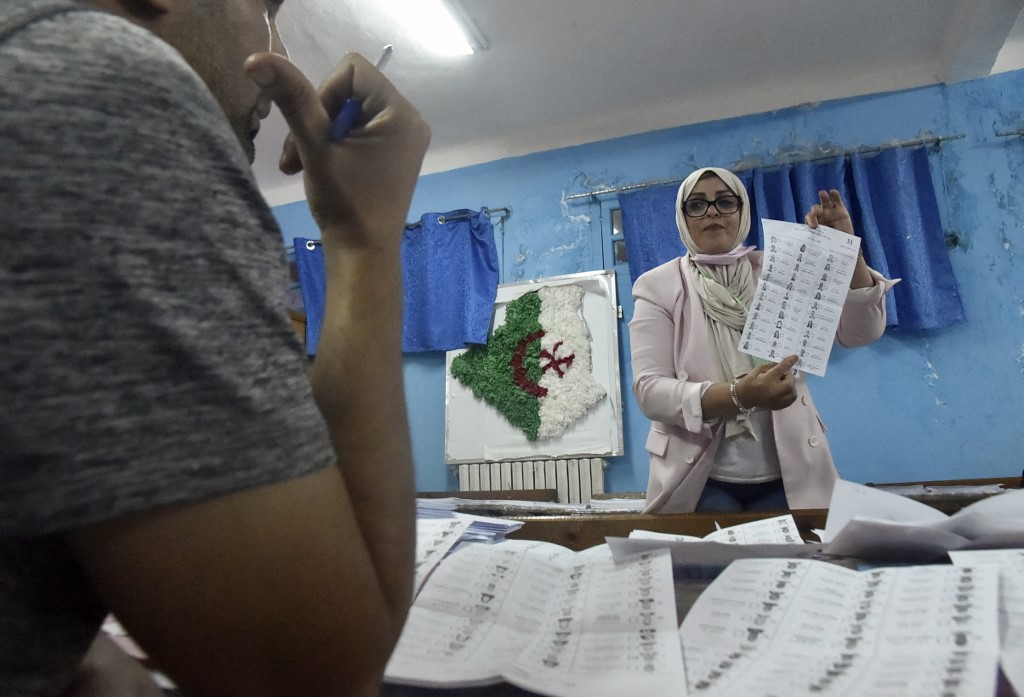
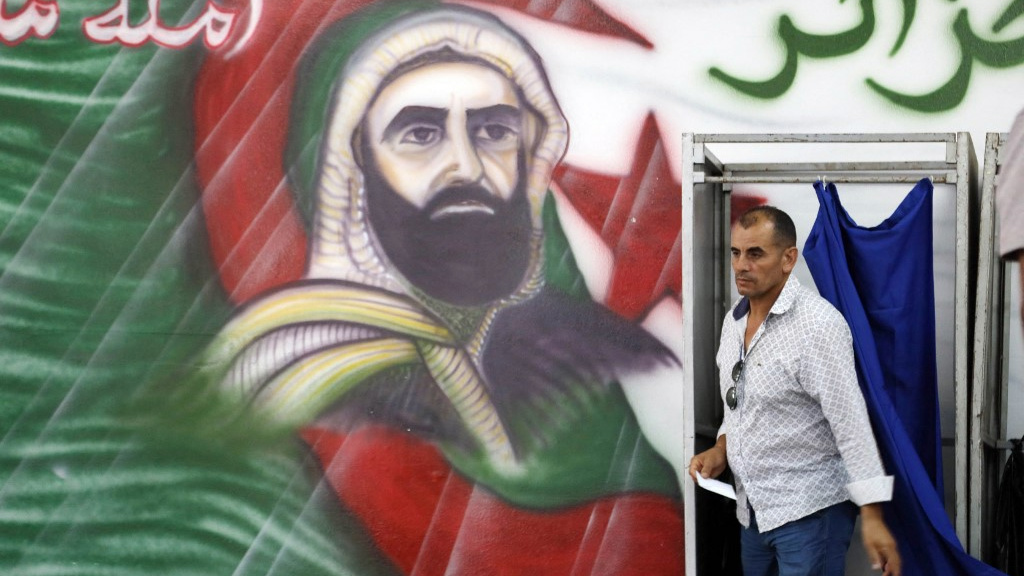
The latest example came via Thursday's parliamentary elections, which did not threaten the centre of decision-making in Algeria. The presidency remained the presidency, the army remained central and the lower house remained weak.