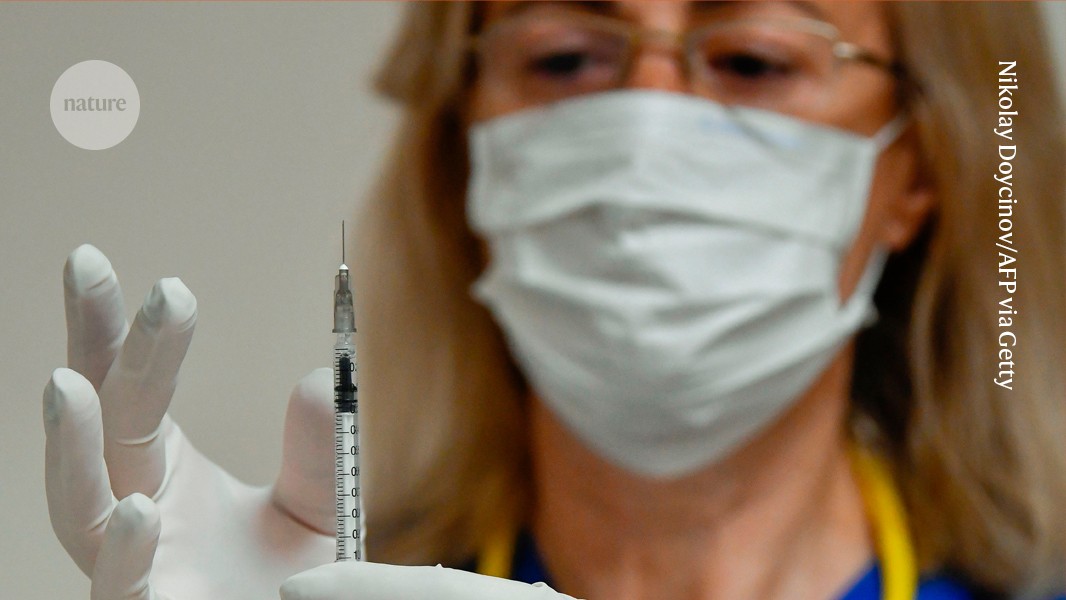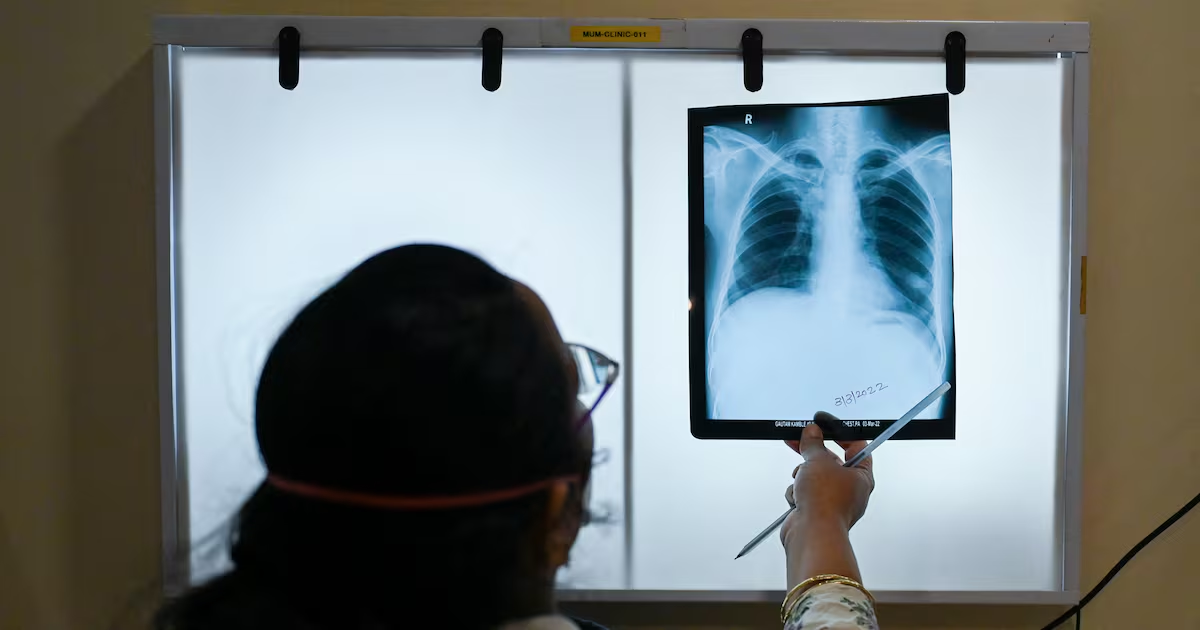
Researchers at Johns Hopkins Medicine and the Johns Hopkins Bloomberg School of Public Health have developed an experimental therapeutic DNA vaccine for tuberculosis (TB) that is delivered through the nose. The vaccine is designed to help the immune system identify and attack drug-tolerant TB bacteria known as "persisters," which can survive lengthy antibiotic treatment and later trigger a relapse of the disease.
The findings were published in the Journal of Clinical Investigation.
Tuberculosis has afflicted humans for at least 6,000 years and remains one of the world's deadliest infectious diseases. According to the World Health Organization (WHO), roughly one-quarter of the global population, about 2 billion people, carry latent TB infections without symptoms. In 2024, more than 10 million people developed active TB, and 1.2 million died from the disease, making it the leading cause of death from a single infectious pathogen.
New Approaches Needed for Tuberculosis Treatment
WHO has emphasized the need for therapeutic vaccines that can complement existing drug treatments. Such vaccines could potentially shorten lengthy treatment regimens and improve outcomes, especially as multidrug therapies can be difficult for patients to complete and drug-resistant forms of TB continue to spread.