Can fine dining become an agricultural project?
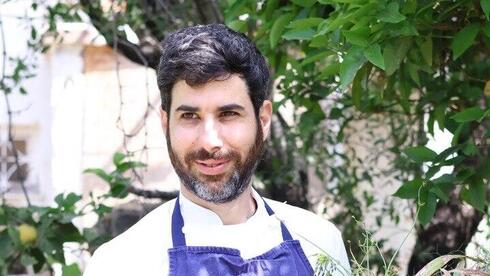
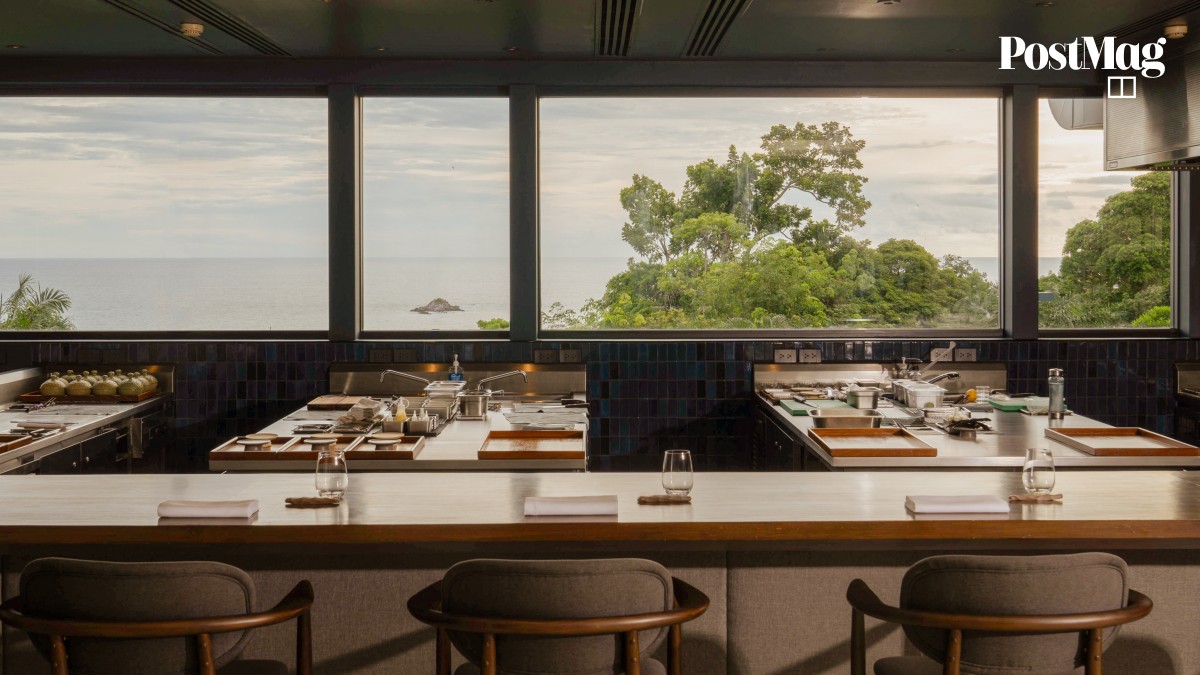
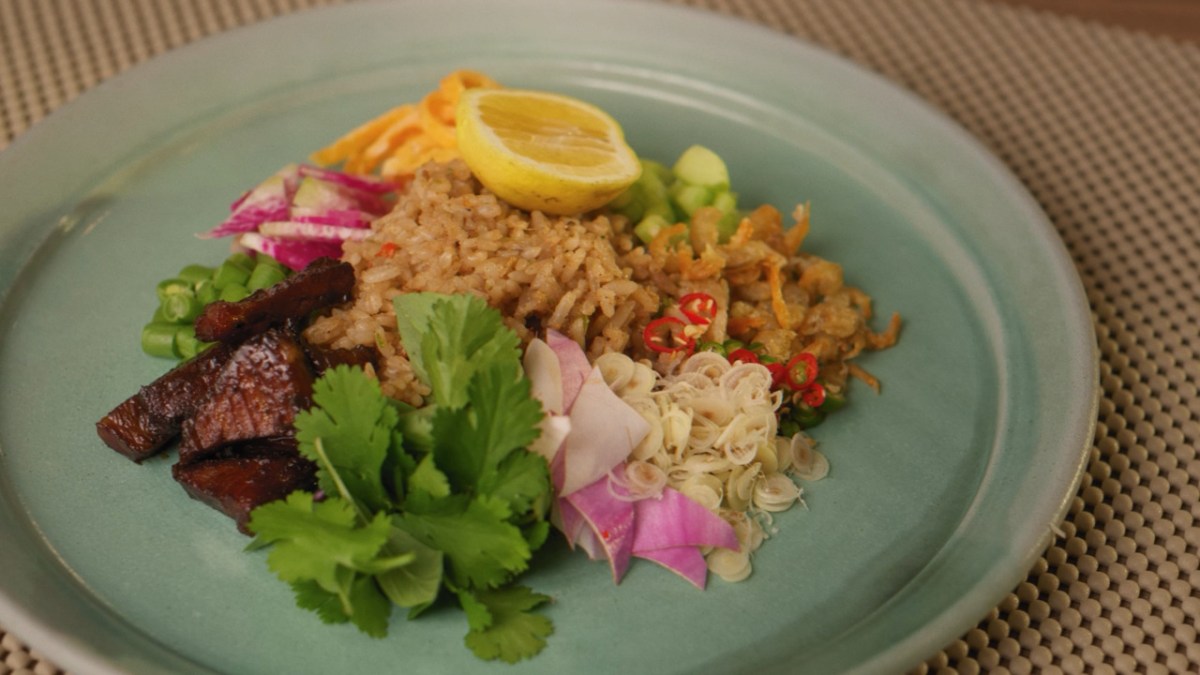
Phuket’s first Michelin-starred restaurant, PRU, is doing far more than creating remarkable plates through its “jungle cuisine” philosophy and its exploration of Thai ingredients. It is also investing in the future of farmers, fishermen and forgotten products. The story of Dutch chef Jimmy Ophorst reminds us that sometimes gastronomy has the power to make an entire region visible again.
Is the true measure of a restaurant’s success its ability to source the best ingredients in the world, or its ability to rediscover the value of the place it calls home? One of the most fascinating transformations in gastronomy in recent years has unfolded around this very question. For decades, the strength of great restaurants was measured by the products they could bring in from around the world. Today, however, many of the most exciting restaurants have chosen a very different path.
Their question is no longer, “Where can we find the best ingredient in the world?” Instead, they ask: “How well do we truly know what our own geography has to offer?” PRU in Phuket is one of the restaurants shaped by precisely this philosophy.
Yet PRU’s story begins long before Michelin stars, awards, or fine dining techniques enter the picture. In fact, at the center of this story there is not even a restaurant. At its heart are farmers, fishermen, forgotten ingredients and what a Dutch chef saw when he looked at Thailand from the outside.