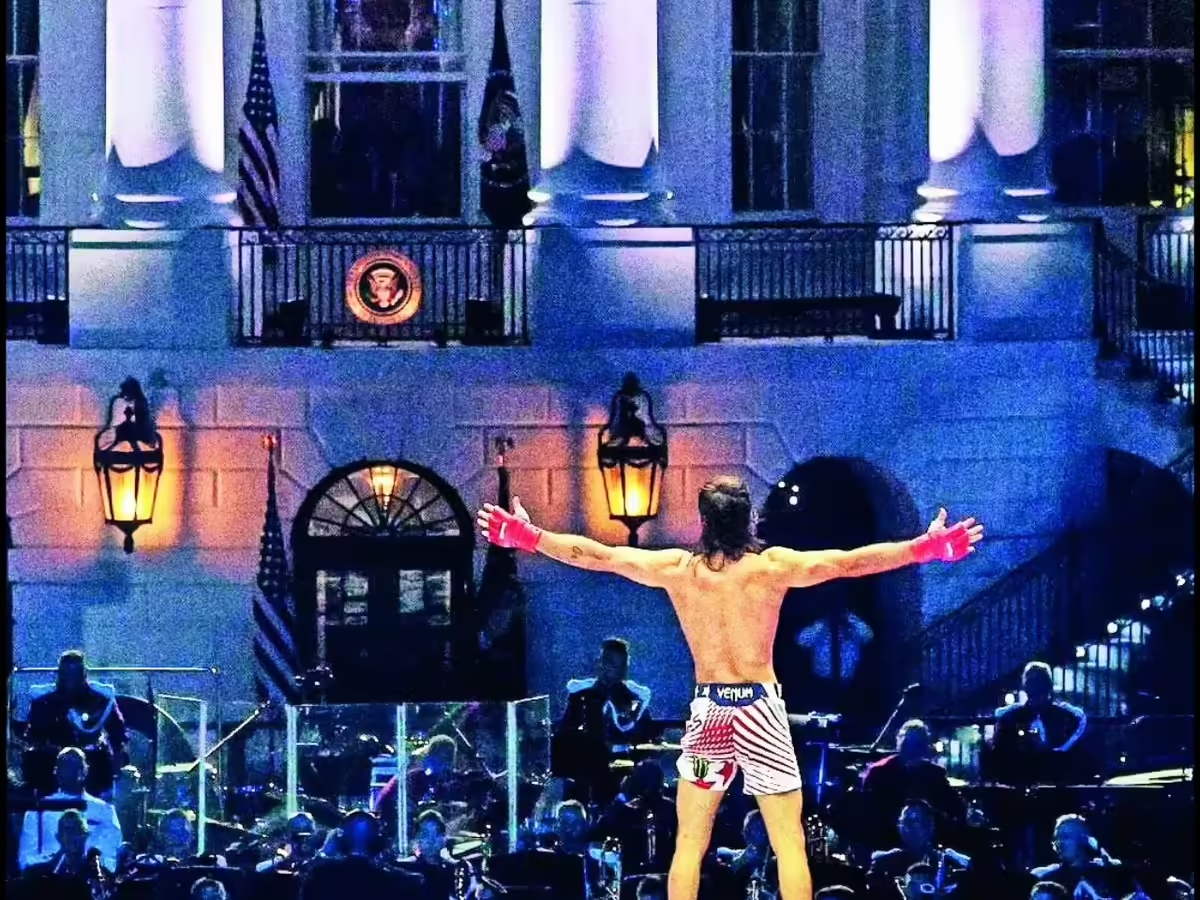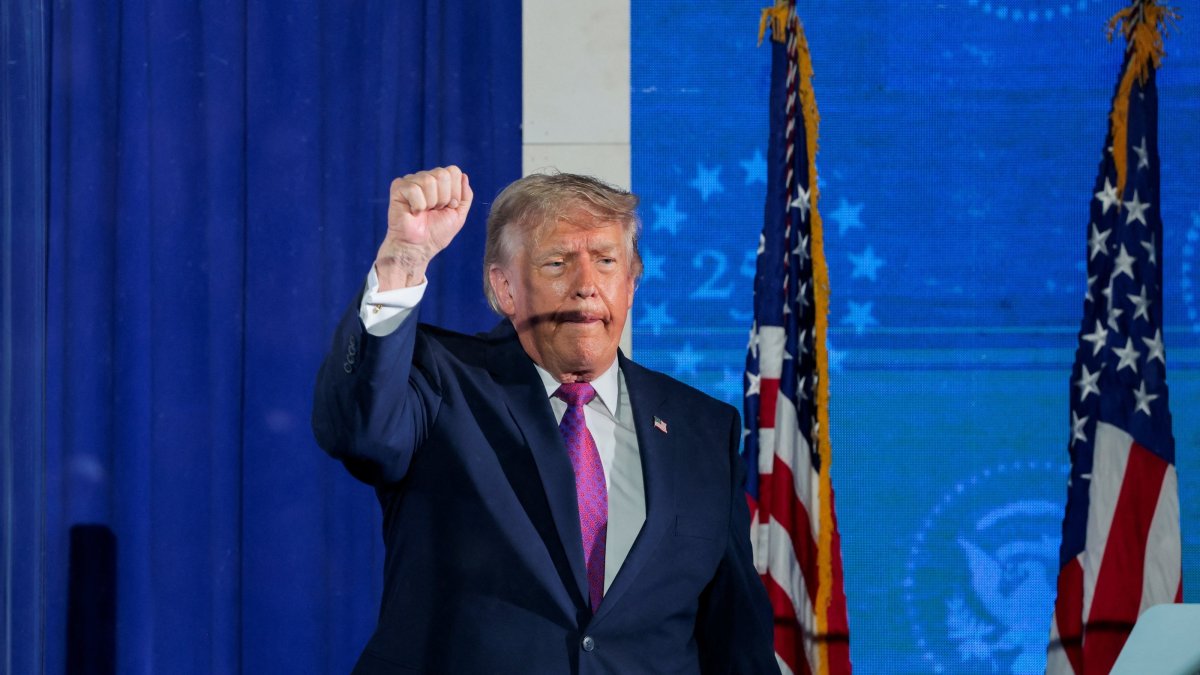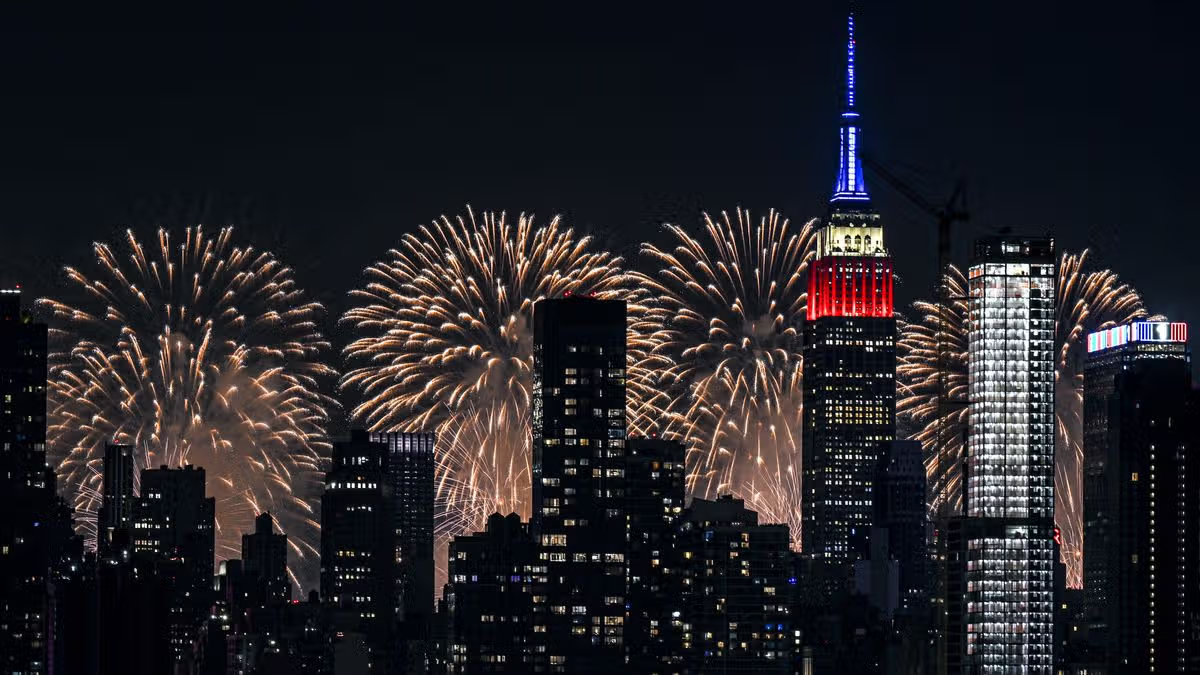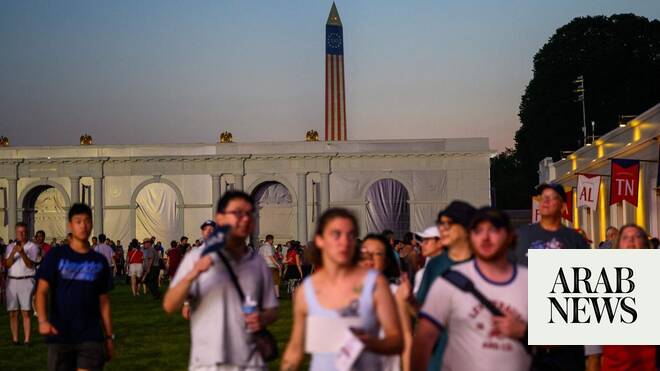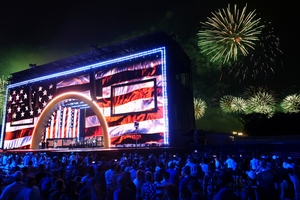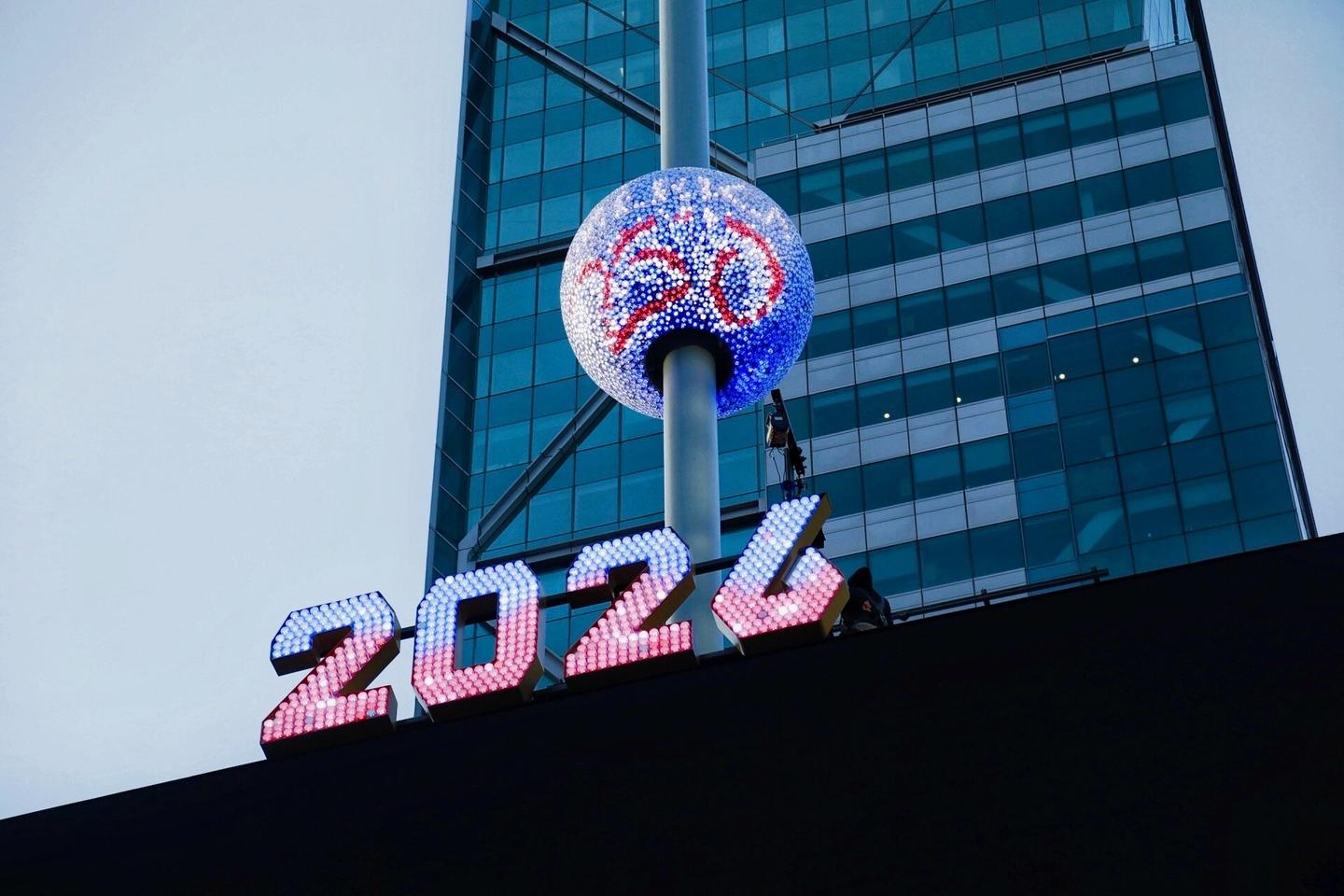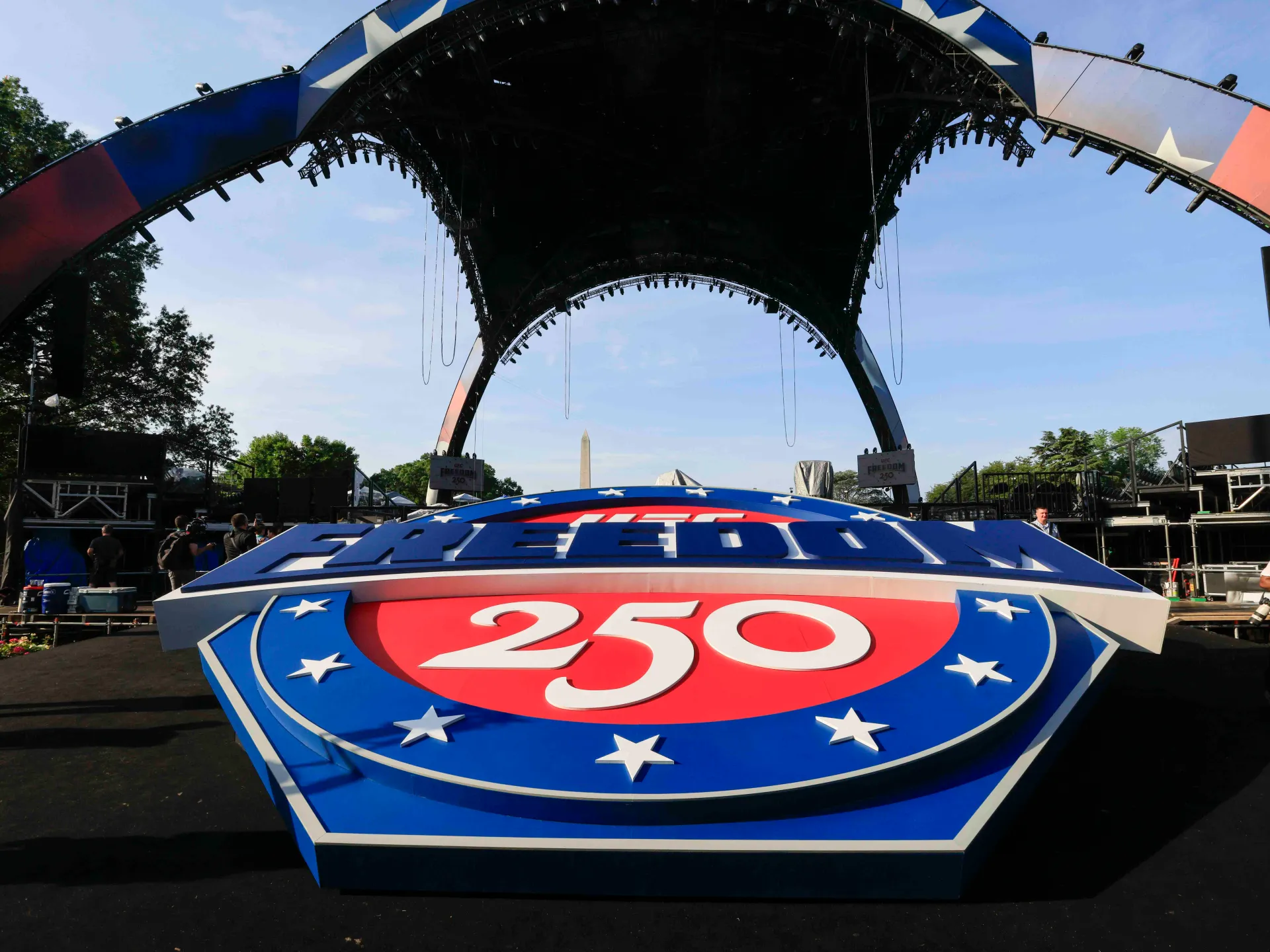
An Indycar race around the National Mall. Half-naked men grappling on the White House lawn. A new gold dollar coin featuring a glowering president Donald Trump. All to celebrate the founding of the United States.Two-hundred-and-fifty years ago on Saturday – on July 4th, 1776 – the Continental Congress met in Philadelphia to sever all ties with Britain. In the Declaration of Independence, the Founding Fathers described a new kind of nation: a democratic republic based on the claims that all men are created equal; all enjoy the rights to life, liberty and the pursuit of happiness; and the state governs only by their consent.In 1976, America’s 200th birthday, we had tall ships in New York harbour, parades in my hometown, the musical 1776 at my school. Cool new coins in our pockets. The Bicentennial Minute, 60 seconds on an event or person from the past, was a little history lesson each night on TV. People talk about the unity and sense of purpose they felt after the attacks of September 11th, 2001. Me, I never feel so close to my countrymen, so American, as when I remember that summer.This (waves hands at the current goings-on in DC and around the country) is not that.The United States, we keep hearing, is more divided than at any time since its civil war. Researchers at the University of Cambridge in the UK this year reported that social and political divisions in the US have increased 64 per cent since 1988. The US Pew Research Center has found that solid majorities of Democrats and Republicans believe members of the other party are more immoral, dishonest and close-minded than Americans in general. Weeks before the 2024 presidential election, the number of people who thought the country was greatly divided over the most important values reached a record 80 per cent, according to Gallup.Some of the division is over our history. That’s not new; for scholars, the past and what it means are always matters of debate. But the Trump administration’s focus on reshaping the stories we tell ourselves has brought new heat to the discussion.It isn’t simply the attempt any politician makes to control the narrative, though that is happening: Trump recasting the rioters who stormed the Capitol on January 6th, 2021, to disrupt the certification of Joe Biden’s 2020 election victory, for example, as “unbelievable patriots” owed pardons and, possibly, compensation, or JD Vance’s recent dismissal of Watergate, the scandal that ended Richard Nixon’s presidency (if it happened now, he said at Nixon’s presidential library, “it would be, like, a 12-hour news story”).Since returning to the presidency, Trump has attempted to separate the whole of American history from what he has described as a “corrosive ideology” in which “our Nation’s unparalleled legacy of advancing liberty, individual rights, and human happiness” is said to be “inherently racist, sexist, oppressive, or otherwise irredeemably flawed”.In promoting “patriotic education”, his administration has targeted “content that inappropriately disparages Americans”, with orders to remove signs, exhibits and gift-shop items on slavery and the mistreatment of native people from national parks, purge black and women’s history from government websites and restore confederate names to military bases.Trump’s progressive critics accuse him of whitewashing American history. Groups as disparate as the American Historical Association, the Union of Concerned Scientists and the conservationist Sierra Club have sued; several of the orders are now tied up in the courts.To be clear: as I look back on the Bicentennial, I remember it more as a celebration of the nation’s principles than an examination of its practices. Amid the general triumphalism, we didn’t dwell on the millions of human beings who had been enslaved, or the millions more who were forced from their lands. Nor can we have been as unified as my younger self imagined. It was less than two years from Nixon’s resignation, a year from the US withdrawal from Vietnam. The preceding decade, in which the nation suffered the assassinations of John F Kennedy, Robert F Kennedy and Martin Luther King jnr, among much other political violence, was the previous candidate for most-divided post-civil-war era.Still, we grew up understanding that slavery was America’s original sin, as yet unexpiated. That the treatment of native people was a genocide. That American history was as much about our failures to keep our promises as our successes, and that the work of living up to our ideals remained unfinished.It was a kind of indoctrination. But as doctrines go, it was a pretty good one: the first nation in human history based not on ethnicity, religion or caste but liberty, equality and justice.Six months after the Bicentennial, the television miniseries Roots traced the multigenerational saga of a black American family from capture in west Africa and slavery in Virginia through emancipation, Jim Crow and the civil rights movement. It was watched by an estimated 85 per cent of US households. In the Westerns we grew up watching, Native people were typically the heroes: when we played cowboys and Indians, no one wanted to be the cowboys.Now, with so many of us at each other’s throats, we seem to be more interested in spectacle. That’s an appetite for which we have the right president. The former casino magnate, beauty pageant owner and reality show host has pushed aside the congressionally appointed, bipartisan US Semiquincentennial Commission for Freedom 250, a campaign of his own creation.So we have tall ships again, touring the east coast on their way to New York on Saturday. But also “freedom trucks”, criss-crossing the nation to share an administration-approved version of history. We celebrated Flag Day – and Trump’s 80th birthday – with the UFC fights at the White House. And next month, the auto race. (I did enter the ticket lottery for that one. No luck.)[ Keith Duggan: A 1991 Simpsons episode remains deft reflection of US politics as America marks 250 yearsOpens in new window ]We’ve got new commemorative coins too. There’s the Trump dollar; he might also appear on a $250 bill. (Federal law generally prohibits images of living people on the currency, but we did get Calvin Coolidge half dollars in 1926.)For a historically unpopular president – the Economist’s poll tracker this week has his net approval rating at 22 below – Trump’s insistence on associating himself so closely with the national celebration carries risks. Gerald Ford was running for re-election in 1976, but he didn’t stamp his face on National Parks passes or US passports.In May, the White House announced the artist line-up for the Great American State Fair on the National Mall. Within days, more than half of the acts had withdrawn; several said the event had become too partisan. Trump cancelled the rest and held a campaign-style rally instead. He boasted about his crackdown on the US-Mexico border, restated his opposition to transgender rights and slammed the “incompetence” of the Biden administration.The fair itself, which runs until next Friday, appears so far to have been sparsely attended. There are no Semiquincentennial Minutes.Matthew Hay Brown is a journalist based in Washington
Matthew Hay Brown: As the US turns 250, we are at each other’s throats
We have tall ships, but also Freedom Trucks, coins featuring Trump’s face and an Indycar race
1,170 words~5 min read