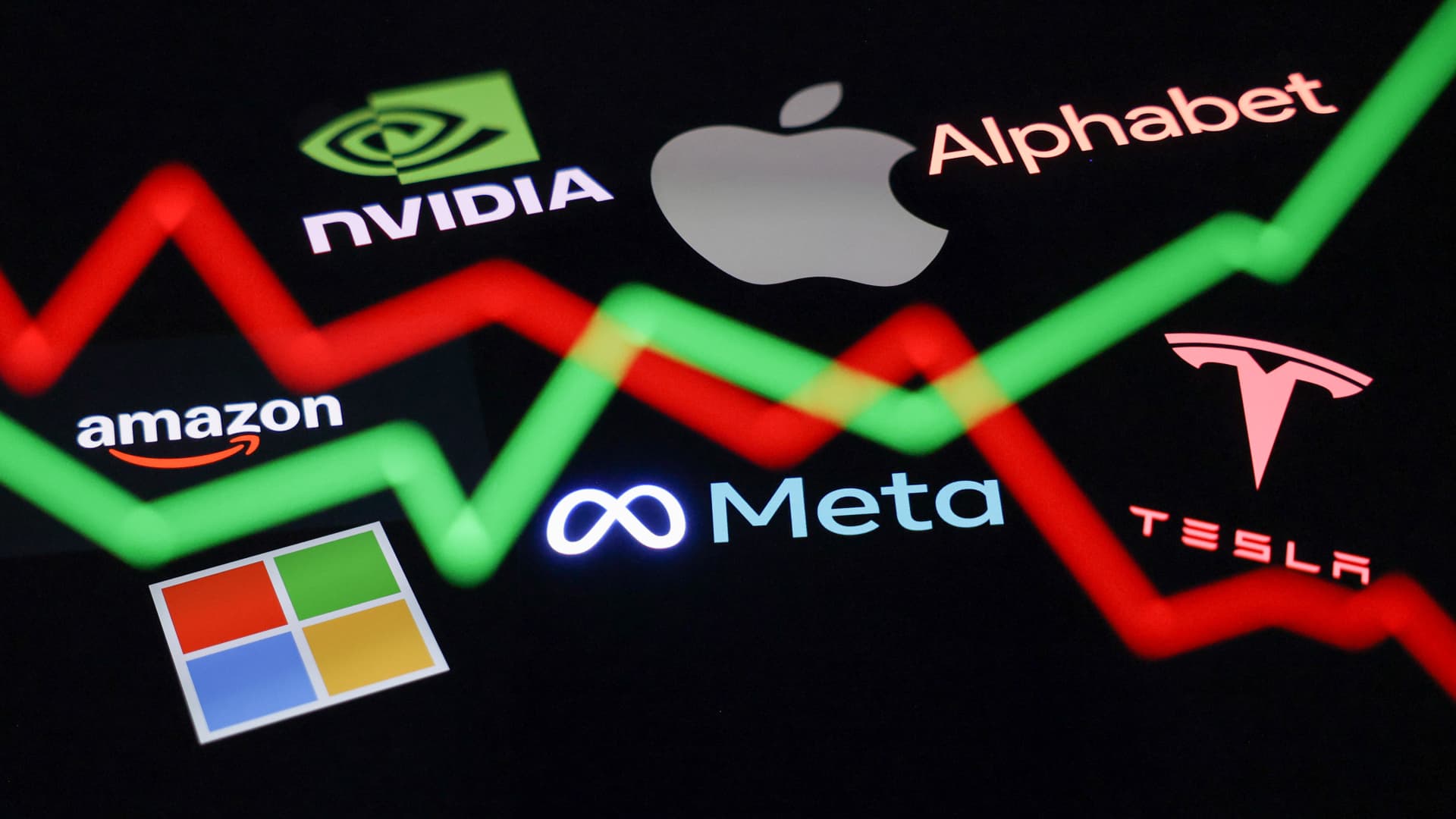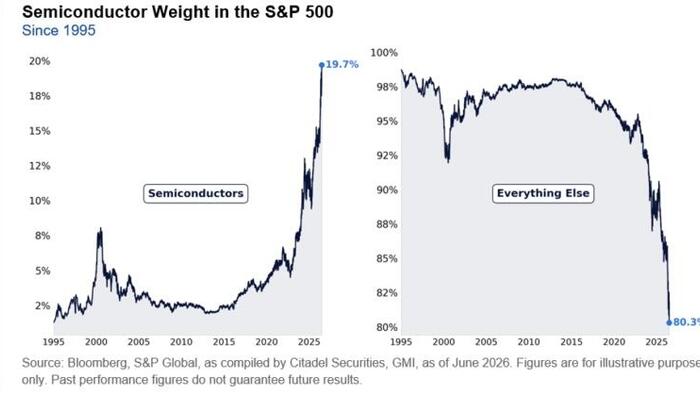
The magnificent seven are acquiring a less flattering nickname: the lag seven.It follows a sharp reversal in fortunes for the stocks – Nvidia, Alphabet, Apple, Microsoft, Amazon, Meta, Tesla – that have powered the US stock market in recent years. Microsoft has seen especially heavy falls, shedding a fifth of its value in June following its worst monthly performance since the dotcom crash in December 2000.However, none of the seven has been spared. Since mid-May, the cohort has sold off even as the broader market has advanced, underperforming the S&P 500 by almost 20 percentage points and marking a clear break from the pattern of recent years, when their direction largely determined that of the index.That in itself is notable. There have been countless warnings that this bull market was a fragile one, resting on the shoulders of a few mega-cap titans. Should the magnificent seven get into trouble, the thesis went, so would the broader market. However, that hasn’t happened. Instead, the so-called S&P 493 stocks have picked up the baton and outperformed handily in 2026, suggesting a broadening of market participation that is typically associated with healthier bull markets.The shift is being driven by a reassessment of where returns in the AI economy will accrue. Investors appear increasingly sceptical that the hyperscalers, spending hundreds of billions on AI infrastructure, will necessarily translate their enormous investments into commensurate profits.Instead, semiconductors, which now account for almost a fifth of the S&P 500’s market value, have emerged as the standout beneficiaries. For example, Micron, now a trillion-dollar company, is expected to generate more income than Apple next quarter after increasing profits 15-fold over the past year. Indeed, the huge outperformance of chip stocks means the S&P 500’s technology sector has continued to rally strongly this year.In other words, weakness in the magnificent seven is no longer sufficient to weigh on the wider tech complex, let alone the broader market.Does this mean the magnificent seven don’t matter any more? No. They still account for roughly a third of the S&P 500’s value, and Nvidia alone is worth more than the entire stock markets of Britain, Canada, France, and Germany.However, investors are increasingly warming to the idea that there may be more than seven ways to profit from the AI revolution.
Not so magnificent: the mag seven become the lag seven
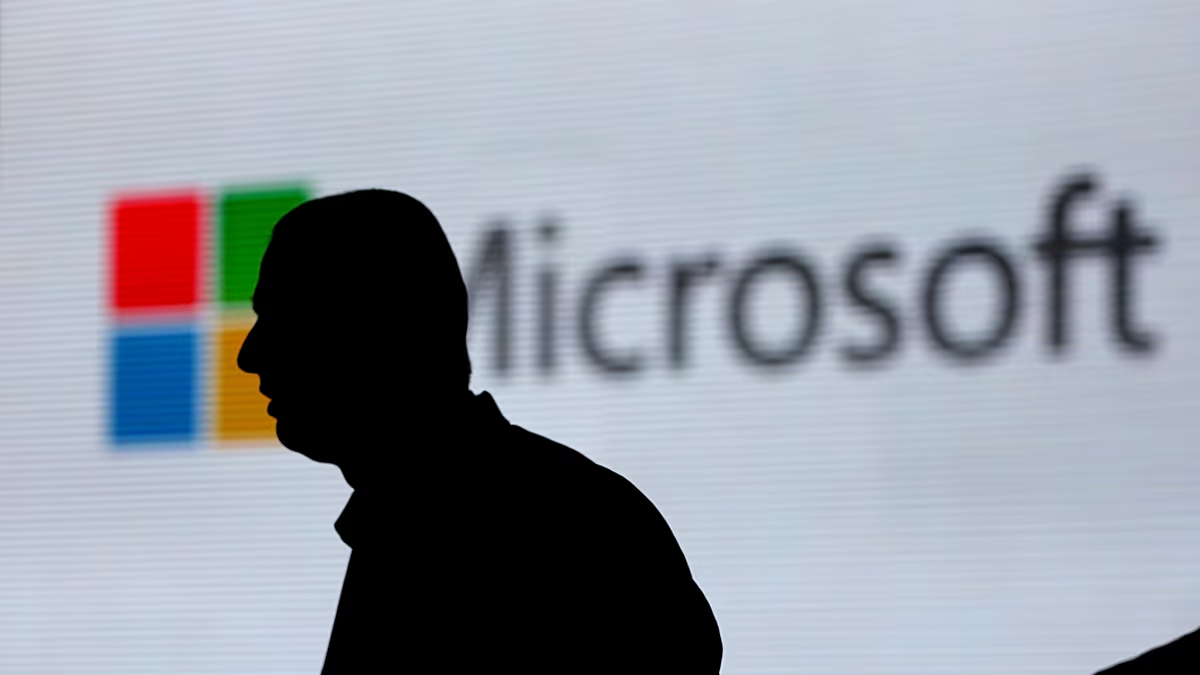
Microsoft has seen especially heavy falls, shedding a fifth of its value in June
378 words~2 min read