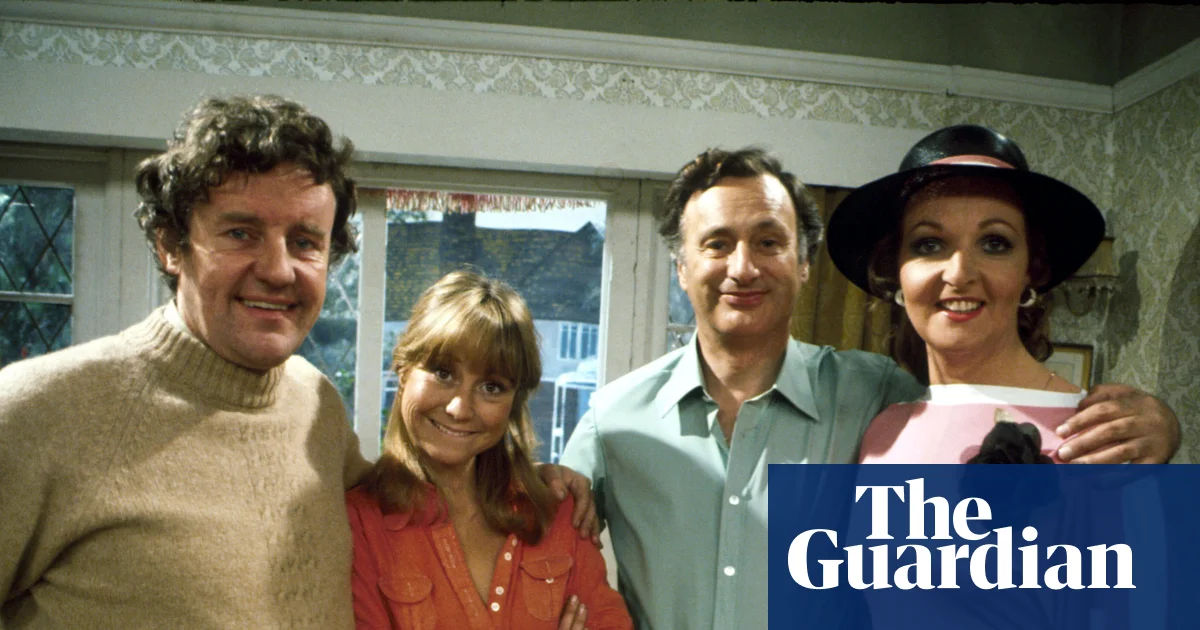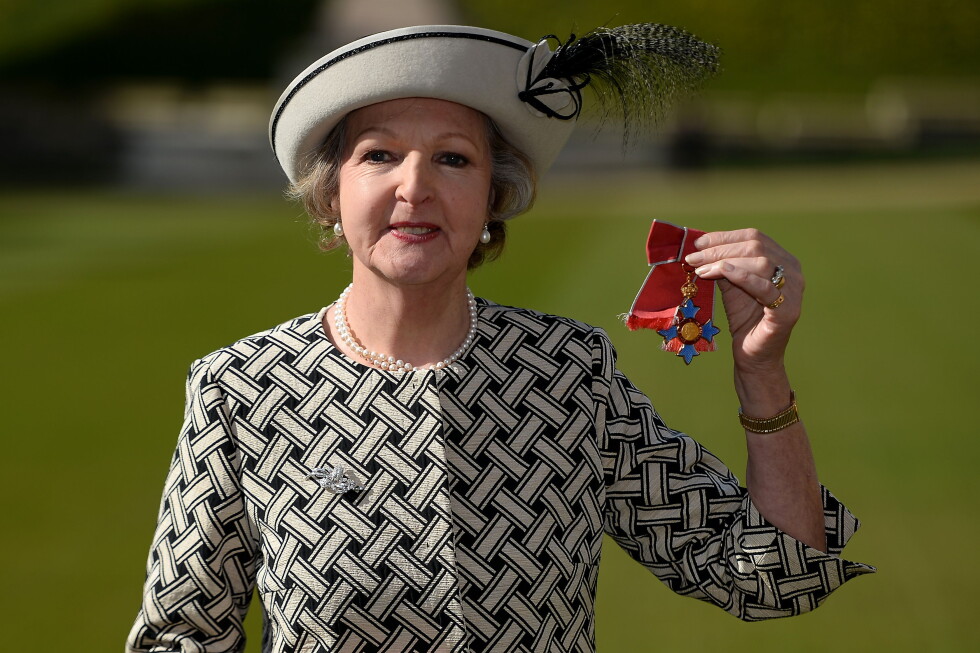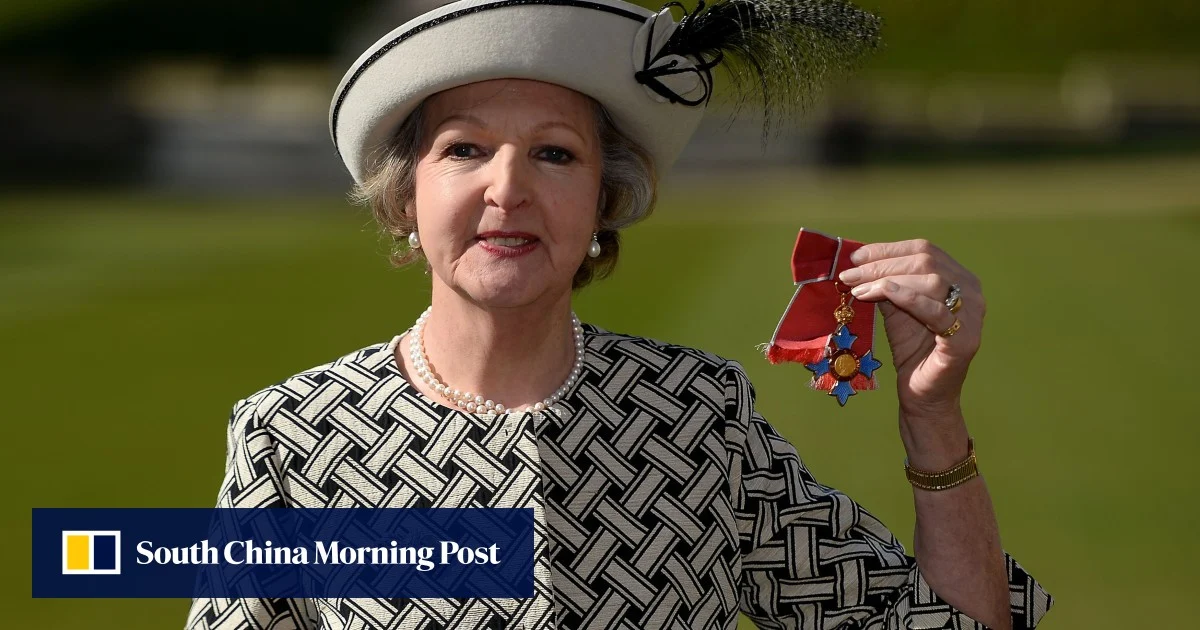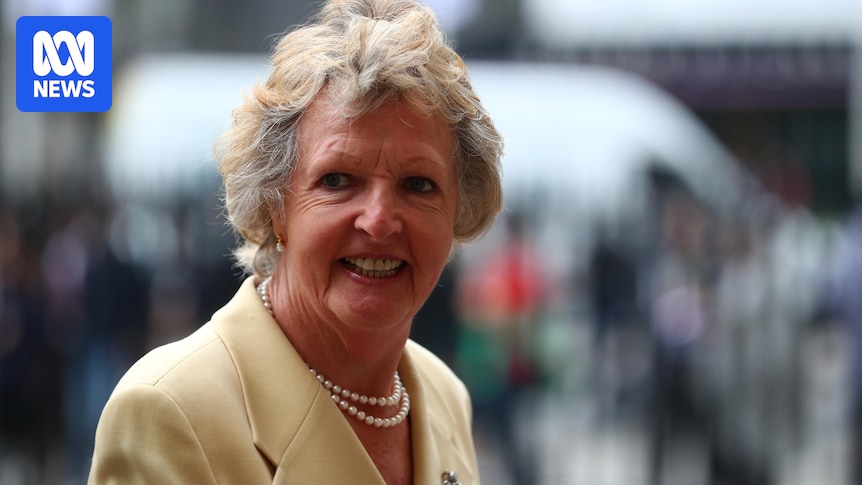
Born: April 2nd, 1940Died: June 29th, 2026Between 1975 and 1981, the actor Penelope Keith, who has died aged 86, secured a position of unassailable popularity in two of the biggest television sitcoms since the second World War. In The Good Life, she was the overbearing suburban neighbour Margo Leadbetter; in To the Manor Born, by Peter Spence, she was the displaced semi-aristocratic, semi-impoverished widow Audrey Fforbes-Hamilton, compelled to yield her estate to an arriviste wholesale grocer and live in the coach house. Twenty million viewers tuned in to watch Margo keep her husband Jerry (Paul Eddington) – a company executive whose firm makes plastic toys for cereal packets – in his place while putting their neighbours, Tom and Barbara Good (Richard Briers and Felicity Kendal), firmly in theirs. As Margo sought to establish and improve her status in the local community, the Goods were going back to nature, producing their own food and keeping animals. Goats, even. Edwardian crime stories were often dubbed “snobbery with violence”. Keith’s sitcom characters embodied snobbery with dirty looks, not deeds; the actor, and she was a supreme technician, always hinted at light and shade as she developed Margo, especially, from a peripheral start in the series. Keith had a stern but mellifluous vocal delivery and an iron grip on the dark arts of comic timing. The snobbery always stopped well short of bigotry as well as caricature. Margo and Audrey were always very funny, and not unusually at their own expense. The last laugh was certainly on the latter as she eventually fell in love with her cultural nemesis, Peter Bowles’s sharp-suited supermarket tycoon Richard DeVere, and married him in the final episode. This was, of course, her triumph, too, as she was reinstated on top of her own pile. It is worth emphasising the quality of acting in both these series, which ran parallel to a new age of middle-class social comedy on the West End stage, particularly in the plays of Alan Ayckbourn. These always started in his hometown theatre in Scarborough but were produced in London by Michael Codron with all-star casts, though not necessarily TV names. Keith’s bossy Margo, when she first appeared, was a clear relation to Keith’s bossy Sarah in Ayckbourn’s The Norman Conquests at the Globe (now the Gielgud) in 1974. Kendal was in the Ayckbourn, too, alongside Tom Courtenay, Bridget Turner and Michael Gambon. When the play was televised in 1977, Briers joined Keith, the only survivor from the cast at the Globe. Norman’s conquests, as revealed in this trilogy of ingeniously interlocking comedies set over one traumatic weekend in different parts of the same house, were those of two sisters-in-law acted out by just six characters, including the pivotal, catalytic figure of Courtenay’s unpleasant and chaotic assistant librarian, Norman. While Margo’s serenity and self-assurance were a mask, to some extent, for an emotional inner turmoil, she still conveyed a suburban entitlement in every breath she drew, whereas Sarah’s surface social violence – cleaning the silver, said Michael Billington, as if she wished to inflict a personal injury – belied a lifetime’s sexual unhappiness only exacerbated by Norman’s unwanted overtures. Keith lived out the image of elevated social standing – as high sheriff of Surrey in 2002 and at every level in the honours system – but her background was not “grand”. She was born in Sutton, Surrey, the only daughter of Frederick Hatfield, a soldier who rose to the rank of major in the second World War, and his wife, Constance (née Nutting). The major marched off while his only daughter was still a young baby. Mother and daughter settled in Clapham, south London, and then Clacton-on-Sea, Essex, where Constance worked as an organiser of games and outings for children staying in the seaside hotels. Little Penny – as Penelope was generally known throughout her life – was packed off to a Roman Catholic boarding school aged six. Two years later, her mother remarried and Penny took her stepfather’s surname, even though she disliked him intensely and never spoke of him. She decided, in her teens, to become an actor. She was rejected by the Central School of Speech and Drama in London for being too tall (5ft 10in) but was accepted at the Webber Douglas. She made a professional debut in 1959 at the Chesterfield civic theatre as Alice Pepper in the Broadway comedy The Tunnel of Love. Her first long-running role in a TV series was in Kate (1970-72), set at a women’s magazine where Phyllis Calvert was the eponymous Kate, an agony aunt.Then, of course, on stage and small screen, her comparative anonymity was blown. She cleverly exploited the expectations of her public while also managing to undermine them. She never had a series quite as popular as the big two, but in Executive Stress (1986-88) she could bristle for England in leafy Bucks when her husband’s publishing firm took over hers; enter the political rough and tumble as a newly elected Labour (yes, Labour) MP in No Job for a Lady (1990-92); and become guardian to the three children (and their pets) of her estranged son, killed in a car crash, in Next of Kin (1995-97).Her variations on snobby Margo/Audrey were even more startling in the theatre; though, like many great stars, she was more recognisably “the same” than she was a self-transformer. Acting is mostly to do with the personality of the performer, as refracted through technique, and she was a supreme example of this phenomenon. She then became a linchpin of the summer seasons, and autumn transfers, usually to the Haymarket, of the Chichester Festival theatre where, in 1977, while appearing opposite Keith Michell as the king’s mistress Orinthia in Shaw’s The Apple Cart, she met her future husband, Rodney Timson. He was a local police officer, posted on duty at a jubilee gala attended by Princess Margaret. Keith caught his eye in the presentation line-up after the show. Timson, after visiting her dressingroom, emerged in a daze. It was a coup de foudre, love at first sight. They married in 1978. Timson retired from the police force and became Penny’s manager. He drove a hard bargain on her behalf as she ticked off the classic roles: an unlikely shop girl, Maggie Hobson, in Hobson’s Choice, and a less unlikely Lady Cicely Waynflete in Shaw’s Captain Brassbound’s Conversion, at the Haymarket in 1982; a Marcel-waved Judith Bliss in Coward’s Hay Fever in 1983. As the century turned, she made another brilliant career move: she fulfilled the public’s hope by playing “herself” – with natural aplomb – as the high sheriff of Surrey, and then re-diversified, with stunning success, as a personality presenter of Channel 4 TV programmes about British villages. She and Rodney lived in one themselves – Milford, near Guildford – and had a holiday home in the Black Isle, in the Scottish Highlands. When she talked about such places, the passion was evident. [ Penelope Keith: A commanding actor with an intense feel for comic timingOpens in new window ]Her other passion was gardening. She would rather be gardening than attending any red carpet function. Keith was appointed OBE in 1989, advanced to CBE in 2007, and was made a dame in 2014.She is survived by Rodney and their two sons.
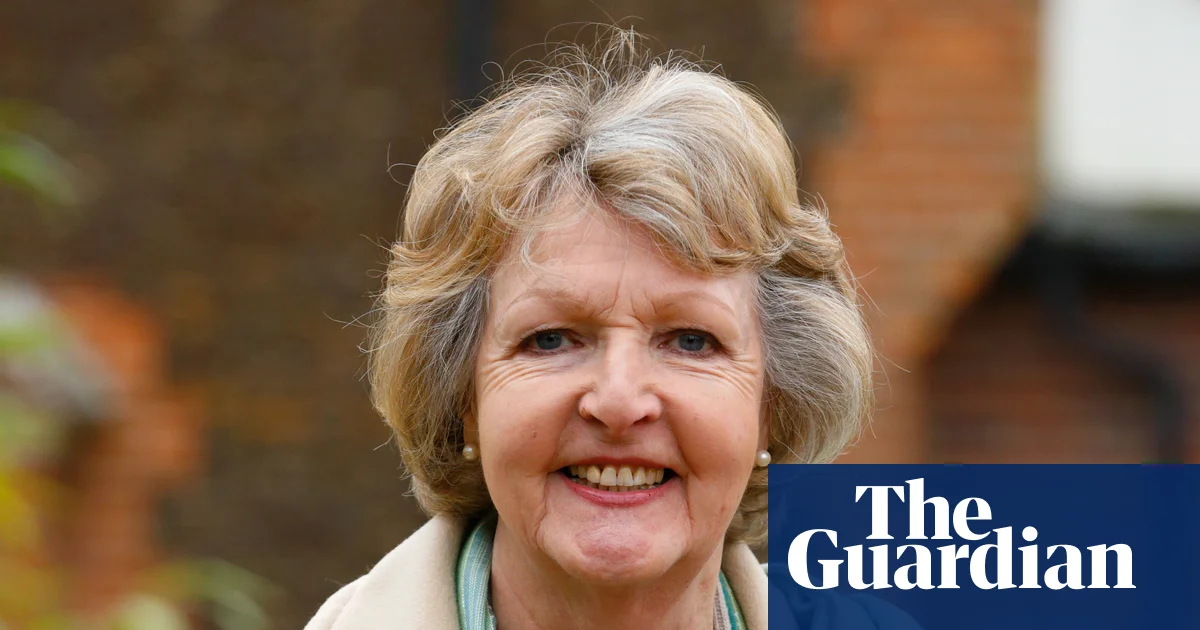
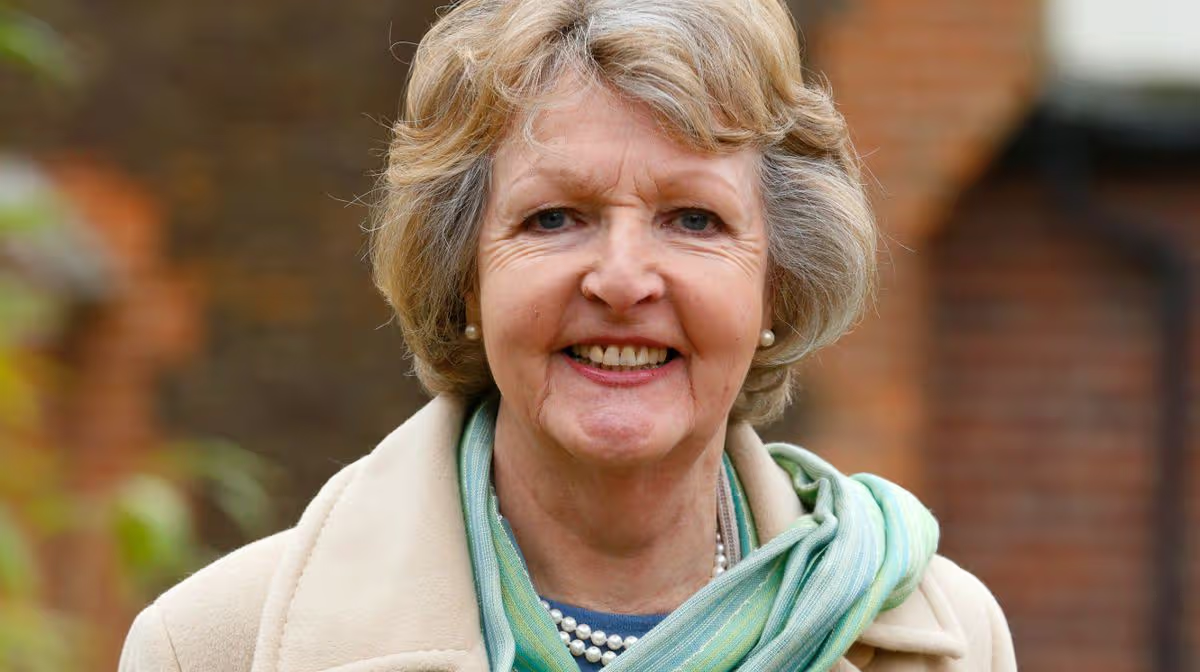
Penelope Keith obituary: Leading actor in two of the most popular postwar British sitcoms
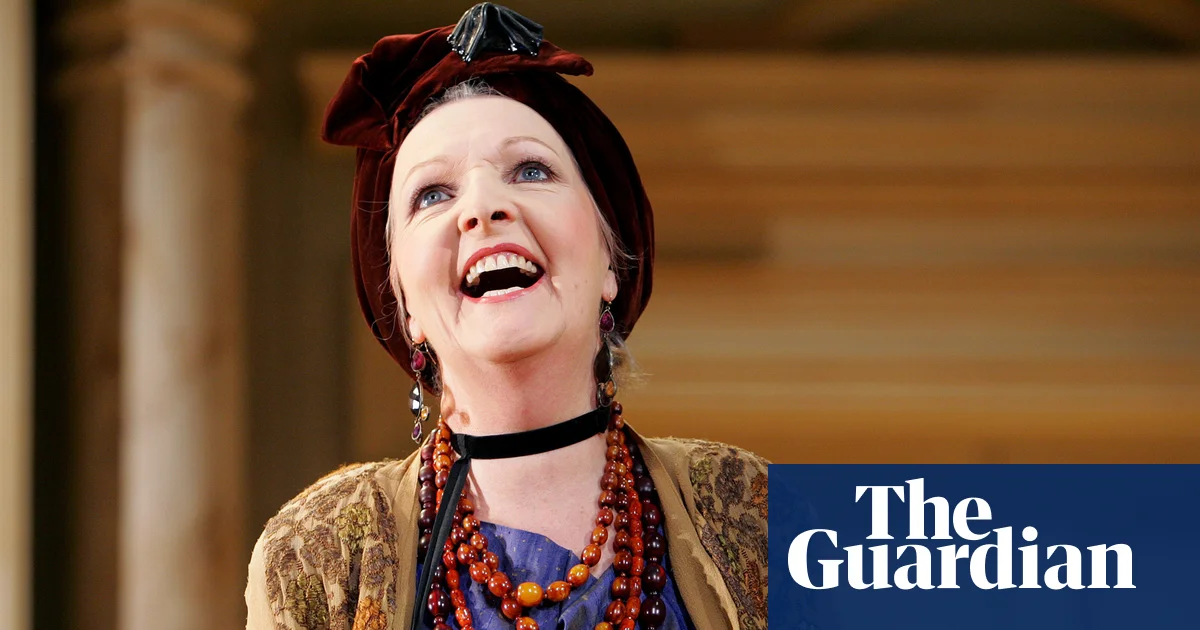
In The Good Life and To the Manor Born she demonstrated a stern but mellifluous vocal delivery and an iron grip on the dark arts of comic timing
1,214 words~6 min read