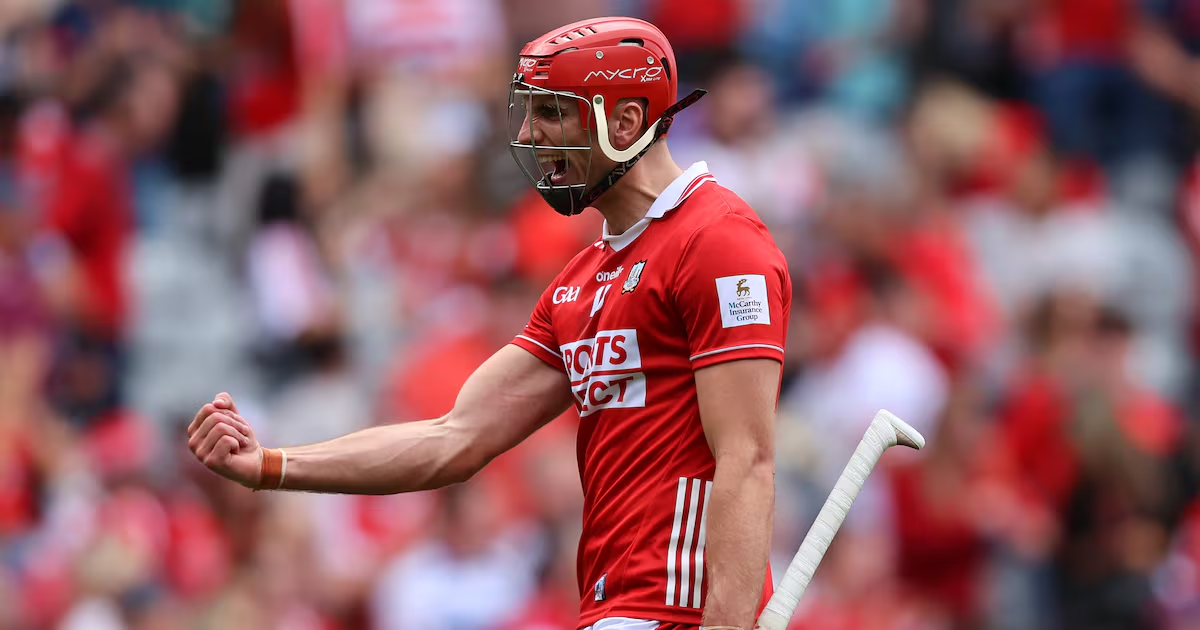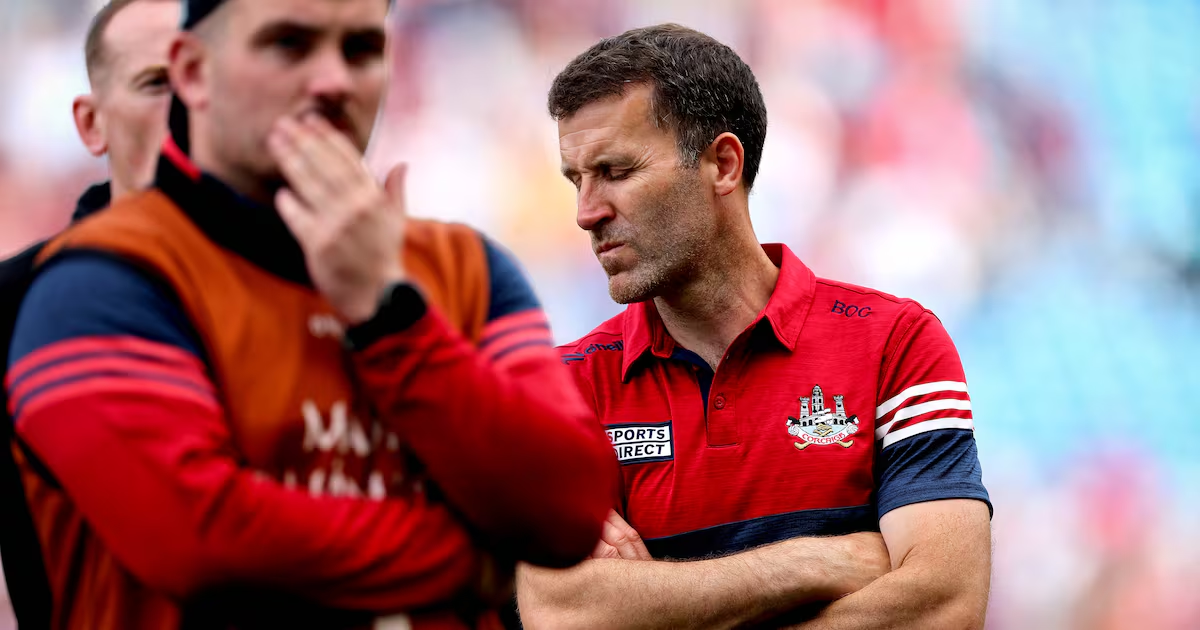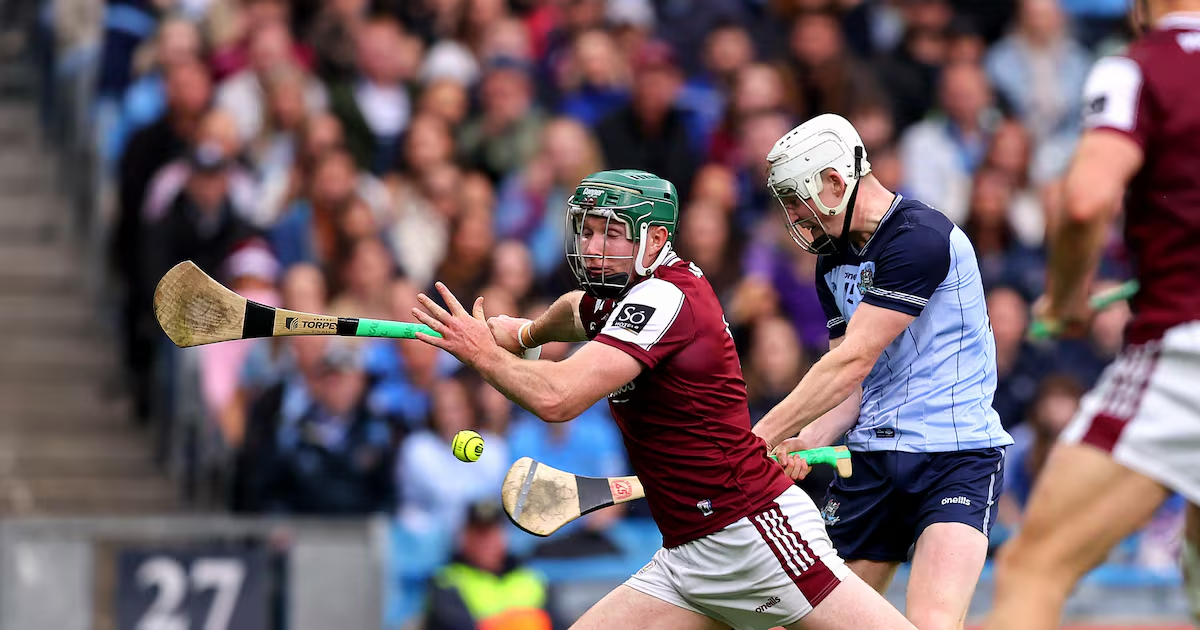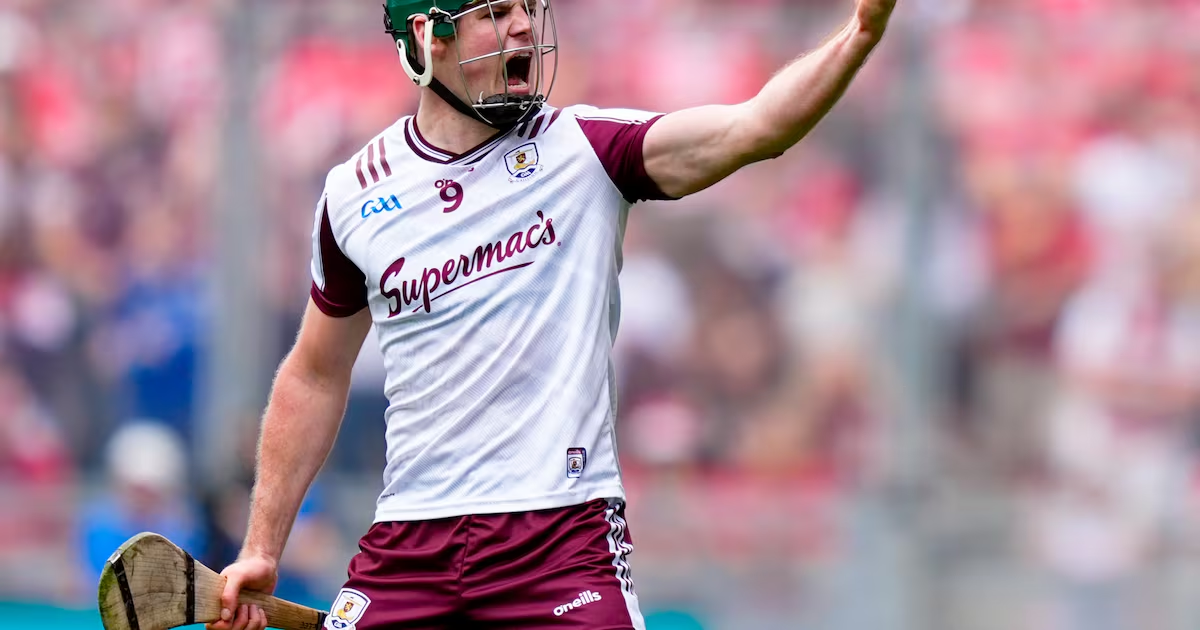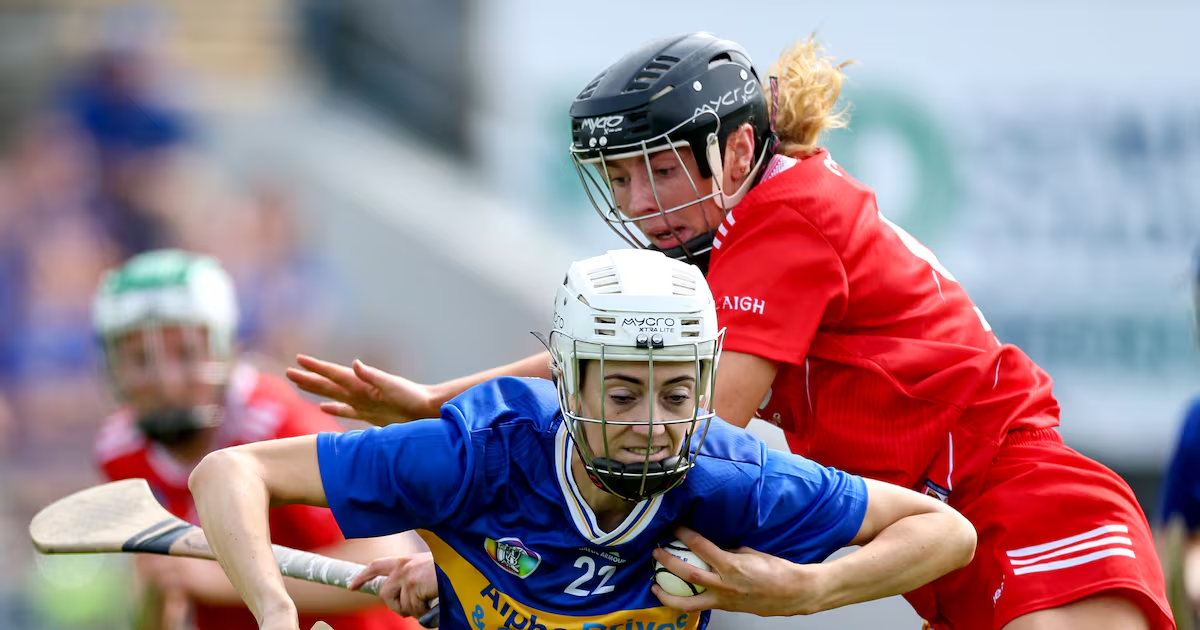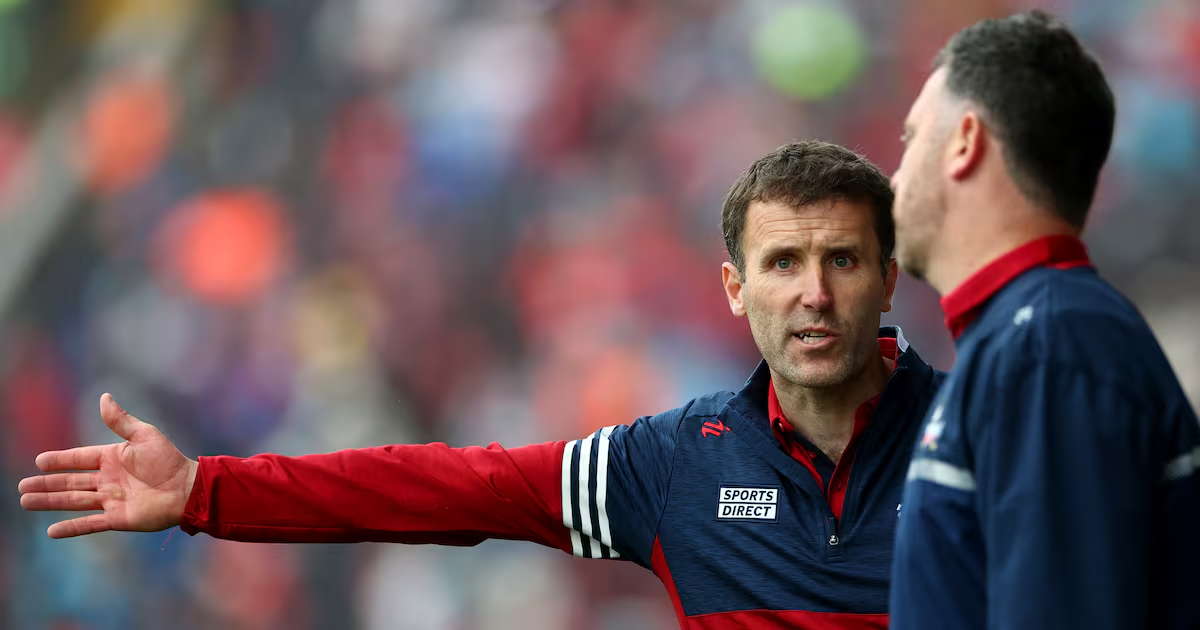
All-Ireland Hurling semi-final: Cork v Galway, Croke Park, Saturday, 3.30pm (Live on RTÉ, BBC)All of the questions, and scorching hot-takes, that followed Cork out of Croke Park last July were bound to leave a trail of smoke, long after the fire. Cork have spent the last six months coming up with answers on a case-by-case basis, none of which could address the ultimate question.Whatever pressure they would have felt to perform in the Munster round-robin series never escalated into a game they were forced to win to stay alive. For various reasons, the opening two games against Tipperary and Limerick would have presented the biggest psychological hurdles, but once those challenges were met, Cork had some comfort. However consequential those games felt at the time for Cork’s wellbeing, though, neither of them was a knockout match. That was a meaningful difference.Ben O’Connor’s messaging all year has been consistent and deliberate: he repeatedly said Cork wanted to win every game. Chronologically, the calendar creates its own pressure, but O’Connor wasn’t prepared to wait. He was trying to build a mentality in which there was no permission to lose. So, after 50 weeks of wondering how Cork would recover from a defeat that threatened to annihilate them, the mended fracture will be tested at its breaking point. With no disrespect to Offaly, this is the first game since last year’s All-Ireland final in which Cork have no safety net or access to a reset. The pressure that O’Connor has cultivated since the start of the year is out of his hands now. Are Cork different from last year? They are more difficult to break down, partly because their half-forwards are sitting deeper and working harder. Mark Coleman has always been a wizard on the ball, but his defending has been more focused and combative and on the other wing Eoin Downey has flourished in a different habitat. Mark Coleman's defending has been more focused. Photograph: Tom O'Hanlon/INPHO In attack, though, Cork have not been as explosive as last year or the year before. When Cork beat Limerick twice in 2024 and did for them on penalties in last year’s Munster final, they had more shots than Limerick in each of those games; when they beat them by a couple of points in this year’s round-robin game, both teams had 40 shots. In the Munster final, though, Cork’s output dropped alarmingly to just 23 shots. In the circumstances it was extraordinary that Limerick beat them by just a point, but it was also a reflection of Cork’s enhanced stickability. A few years ago, Limerick would have won that game hands-down. If Cork have changed some ways over the last year, Galway have undergone a transformation. Henry Shefflin inherited the oldest team in the championship and didn’t manage to lower the average age very much during his three years in charge. On that front, Micheál Donoghue left the heavy lifting to Year Two, but he has unearthed some gems. They will miss Rory Burke’s pace and directness in attack this weekend, but Jason Rabbitte and Aaron Niland have come through cadet school and assumed officer positions in one semester. The pressure on Conor Whelan to lead the scoring has been reduced and Tom Monaghan has enjoyed a resurgence in form. Galway’s Aaron Niland in action against Dublin. Photograph: Evan Logan/©INPHO The way Galway set up makes them hard to play against. One of the recurring images of the Leinster final was Donoghue waving his arms on the sideline to usher his players back the field. In defence, Dublin were dragged out of shape in that game but Cork won’t be so naive. Cork will need to be patient and clinical. This will be a serious test. The last 12 months have been leading to here.Verdict: Cork.
Cork need to be patient and clinical against Galway as safety net removed
Ben O’Connor’s charges harder to break down this season as they seek to heal All-Ireland wounds
632 words~3 min read