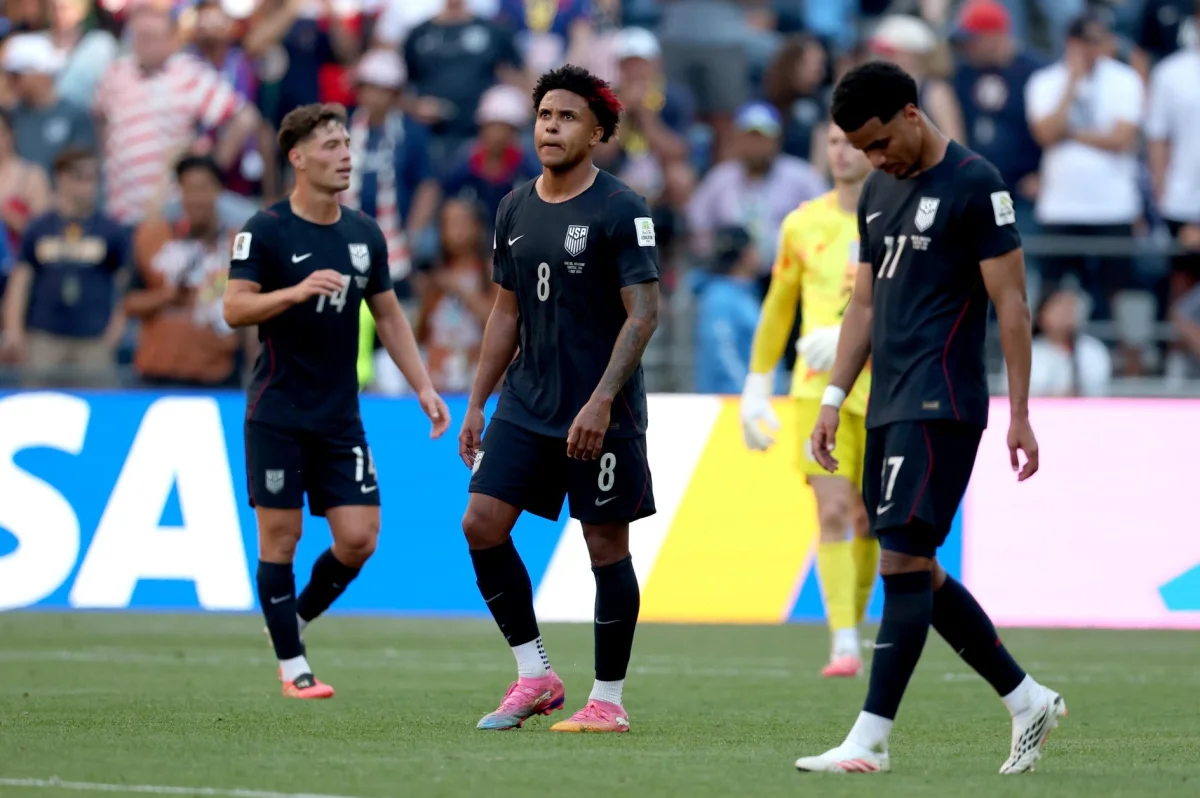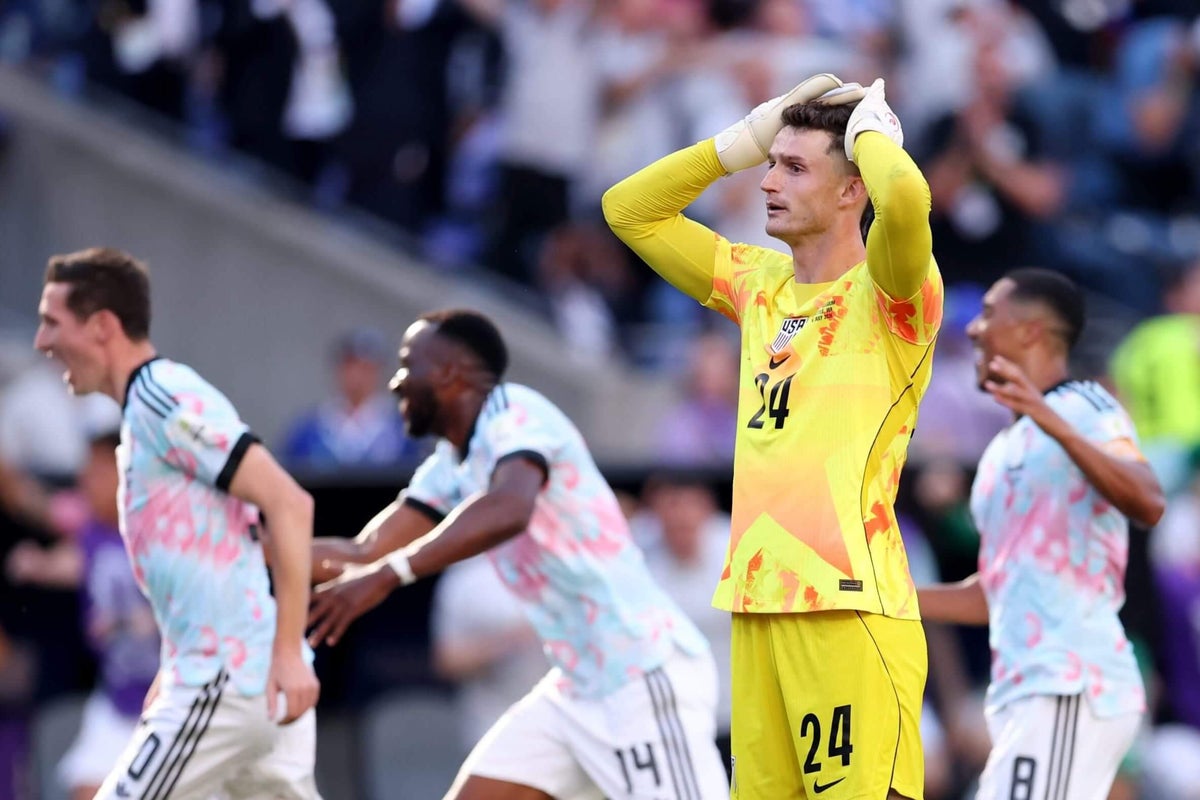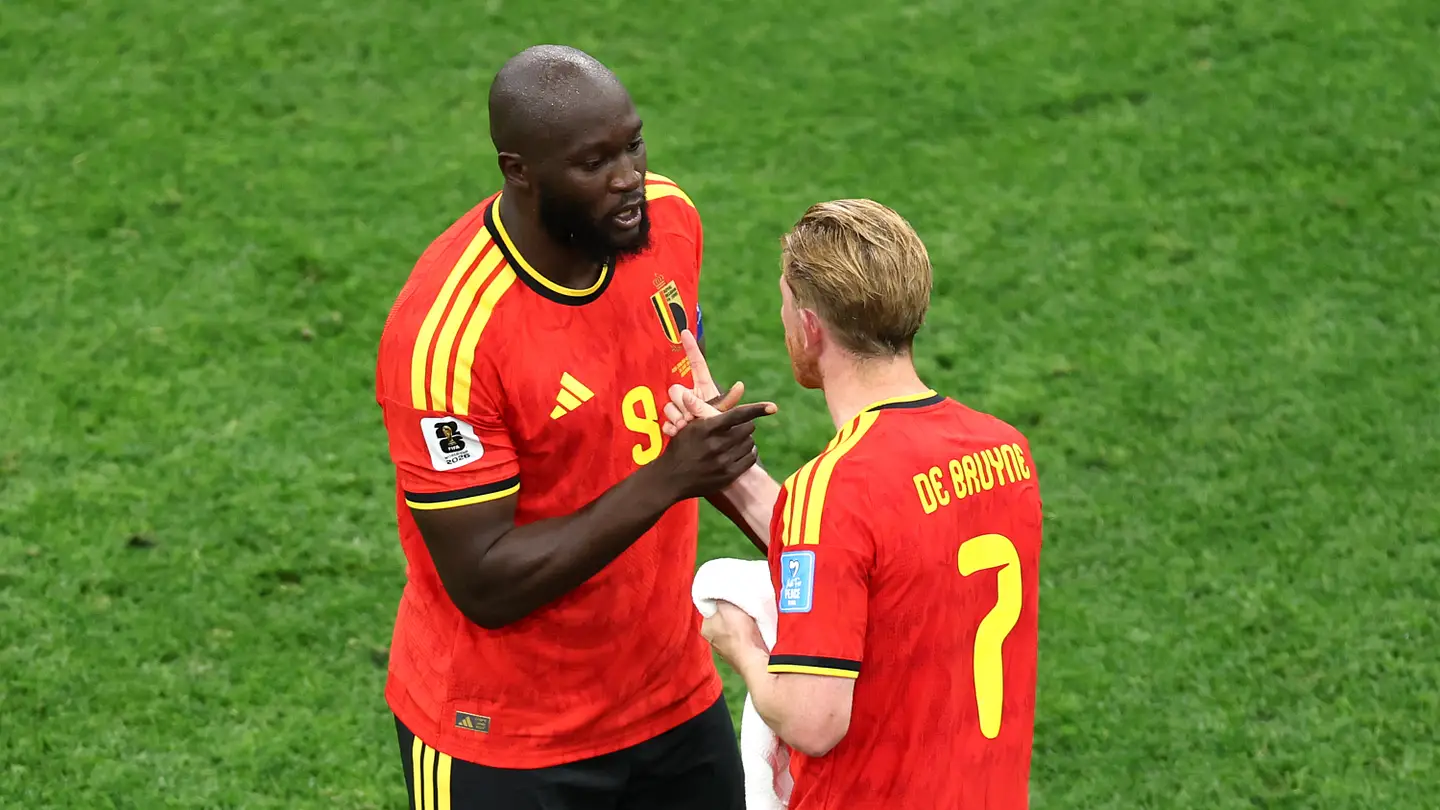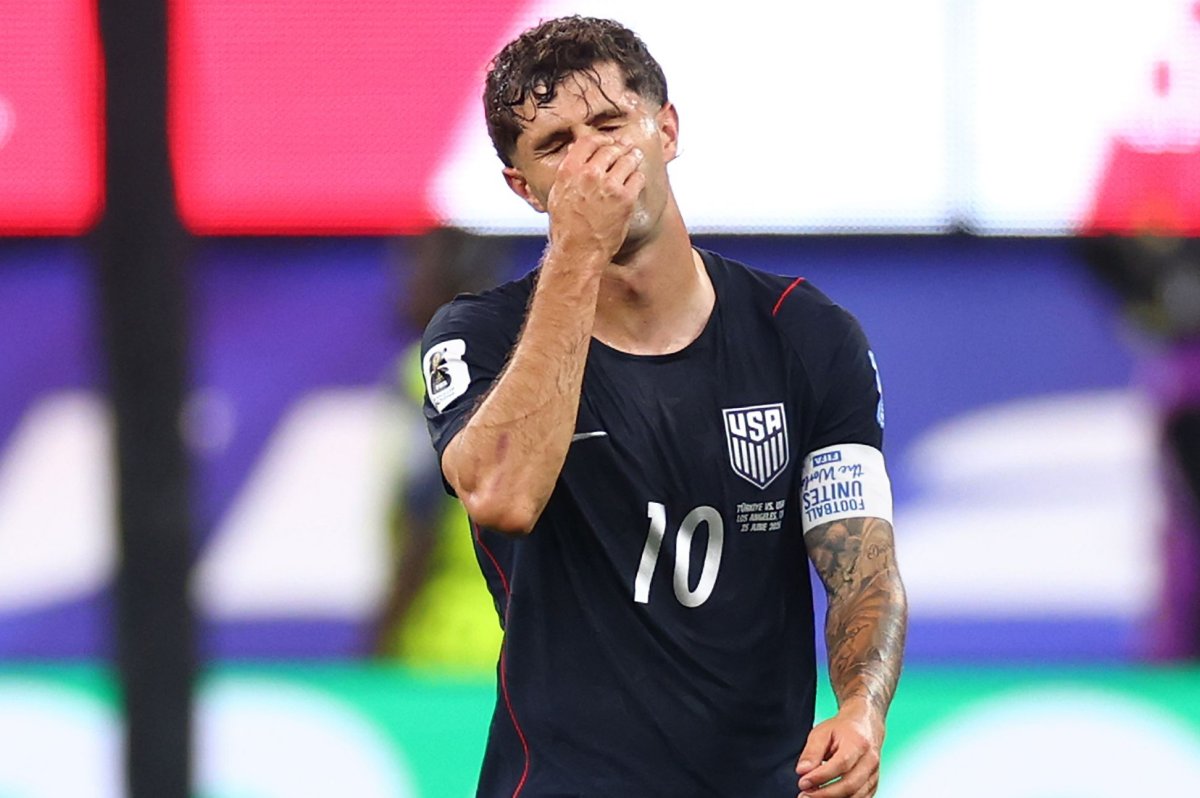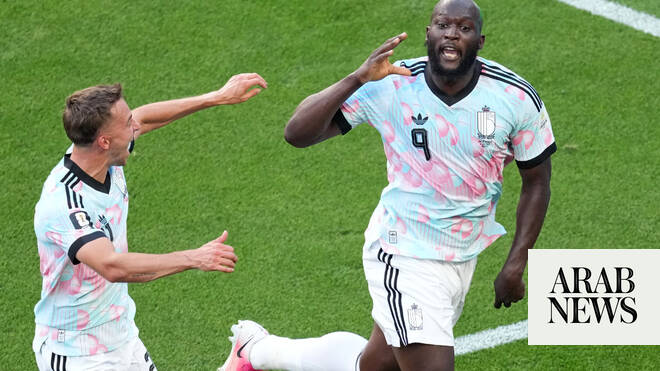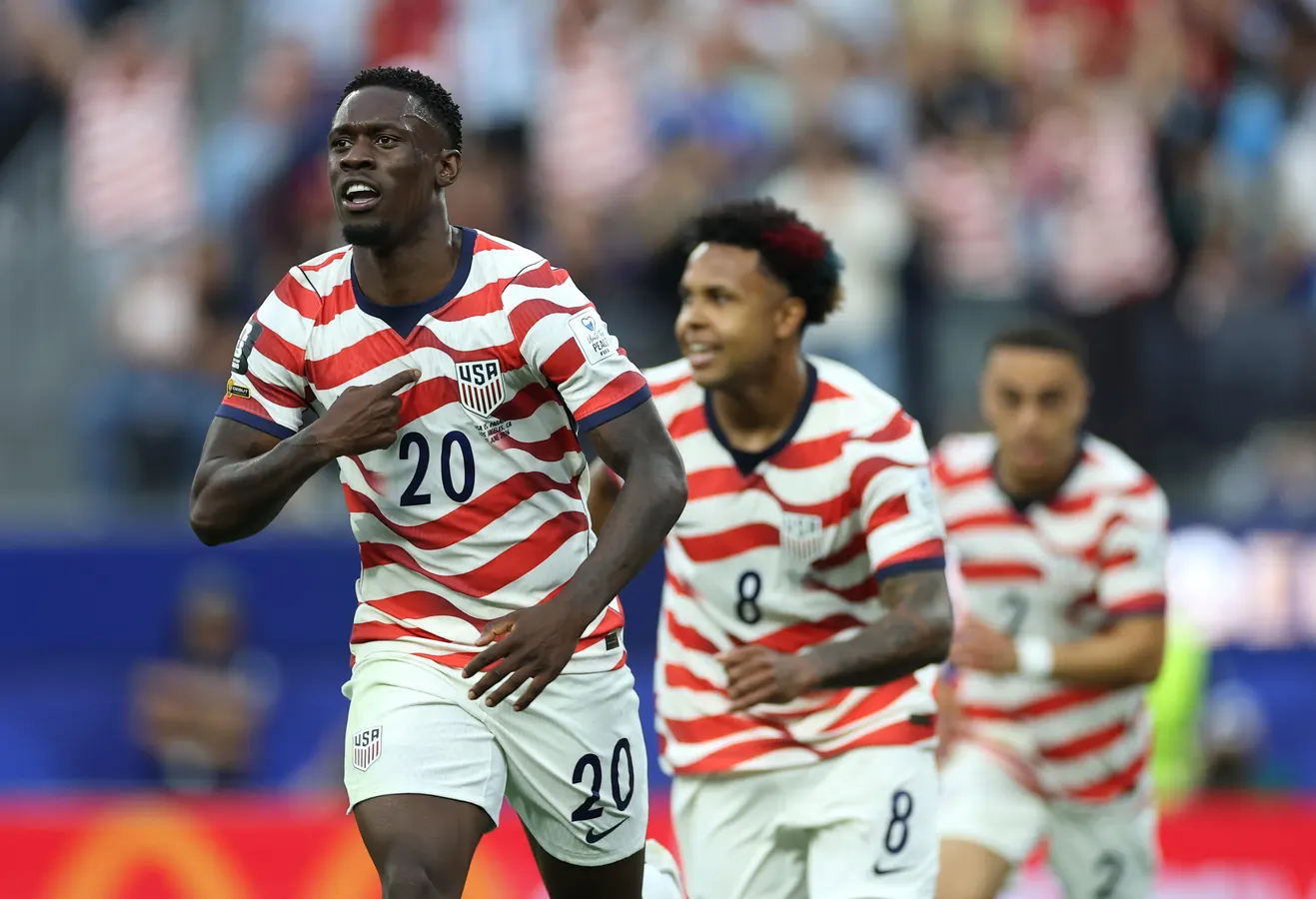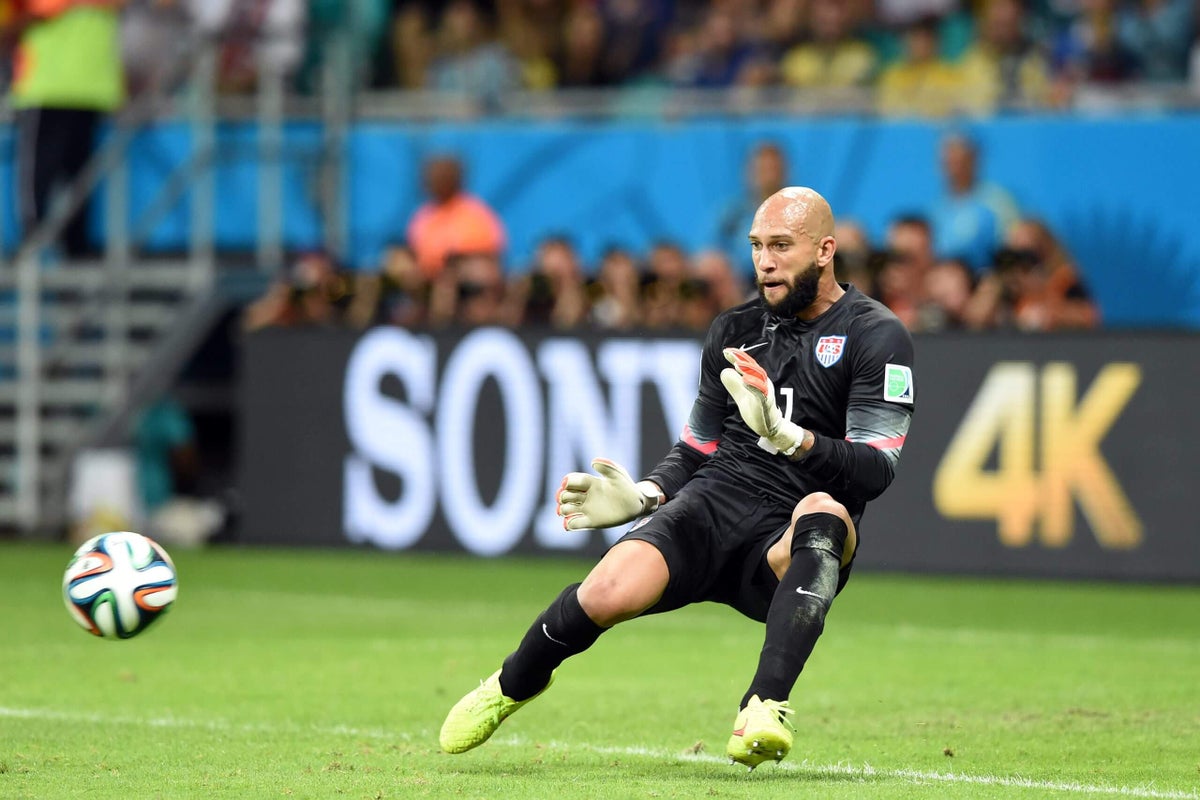
Brazil 2014 had been an excellent World Cup for the United States. Drawn into a group containing eventual champions Germany, perennial contenders Portugal and 2010 quarter-finalists Ghana — the archetypal ‘group of death’ — Jurgen Klinsmann’s side surprised many by finishing second in Group G behind his home nation, and progressing to the knockout stages.The USMNT’s round-of-16 opponents, just as they will be in Seattle on Monday, were Belgium. But where this team, led by Mauricio Pochettino and surfing a home wave of enthusiasm, are favorites to defeat an ageing Belgian side (it’s feasible that three players who featured in the 2014 game — Thibaut Courtois, Kevin De Bruyne and Romelu Lukaku — could feature on Monday), 12 years ago the situation was very different.This was a European side’s golden generation against a team no one had expected to make it out of the groups. Yet one USMNT player was about to put in the performance of his life with a goalkeeping display so impressive that there is still dispute about how many saves he even made — and earned him the nickname ‘secretary of defense’.Get free access to the most comprehensive World Cup coverage in The Athletic appTim Howard is no obscure goalkeeper elevated to stardom by the World Cup. This is a man who played in 399 top-flight games in England, just one fewer than his former team-mate Gary Neville. It is a figure that puts him in 47th place in the Premier League’s all-time appearance charts, and he is one of six ‘keepers to score a goal in the competition.Even so, Howard’s performance against Belgium in Salvador on July 1, 2014, is now the glass ceiling for every goalkeeper who takes to the field in a World Cup. As Eloy Room began to rack up similar numbers for Curacao in their game against Ecuador, thoughts turned to Howard.America’s history in the World Cup has not thrown up too many iconic, era-defining performances — but this is one.In statistical terms, Howard peaked early — a save inside the first minute from Divock Origi was rated by data company Opta (more on them later) as the hardest chance he dealt with, his right leg preventing the 19-year-old from giving Belgium the lead.Then things quietened down. Howard stopped long-range efforts from Belgium’s two biggest creative threats, Eden Hazard and De Bruyne, but although a scoreline of 0-0 at half-time may have been a surprise, Howard’s performance to this point was nothing outlandish.That changed after the break, though. In the space of 45 busy minutes, Howard added eight more saves to his total. The best of them a one-on-one save with his left leg from Everton team-mate Kevin Mirallas…And then a two-handed punch save from Vincent Kompany, now the Bayern Munich coach, in the 90th minute as Belgian frustrations grew and American soccer fans began to believe.Brazil had been the location of the country’s greatest-ever result — a 1-0 win against England at the 1950 World Cup — was another one in the offing?No, it was not. Within three minutes of extra time starting, Belgium broke through at last, via De Bruyne, and then when substitute Lukaku made it 2-0 in the 105th minute, it looked over. But Howard’s indefatigable spirit was contagious, and Julian Green made it 2-1 with 13 minutes remaining.Howard and Lukaku, also team-mates at Everton at the time, were consumed by a personal battle during extra time. The goalkeeper made three saves from Lukaku after the striker scored past him. And it turned out to be the winning goal, despite an American rally that saw 42 per cent of their total shots in the game come in the second period of extra time.On the balance of play, though, a Belgian win seemed fair enough. Marc Wilmots’ side had generated 17 shots on target across 120 minutes, but had run into a goalkeeper playing the game of his life.Even Barack Obama had been caught up in the heroism displayed by the USMNT, and Howard in particular. “I know it is disappointing but what you guys accomplished is really, really significant,” the president said.But what had Howard accomplished? A World Cup record, but how many saves had he actually made? In FIFA’s official post-game figures, collated by another data company, Deltatre, the American was credited with 16 saves, but Opta’s analysis had him at 15.A numerical curiosity at most, you might think, and yet in a sport that was increasingly relying on statistics to generate storylines, it was slightly more important than it looked.The key point was that everyone was keen to present Howard’s save total as a record-breaking one. But the only reason that anyone knew that it was a record was that Opta had embarked on a project to analyse every World Cup game back to 1966 (the earliest tournament which had existing footage of every game). So to fairly compare Howard’s performance to all the other games, you logically had to use Opta’s definition of what a save was.The discrepancy was this long-range, bouncing, off-target shot in the first half. Opta’s definition requires a save to come from an on-target effort, which makes sense if the goalkeeper is effectively saving his team from letting in a goal. Howard could have let this shot go out for a goal kick.An Opta employee had been seconded to the World Cup’s media centre, working for the host broadcasters, and was scrambled to the relevant FIFA team to persuade them to adjust their saves total from 16 to 15.It is unlikely to tempt Netflix or HBO to dramatise it, but he was able to persuade them to adjust the figure to 15. The situation had been resolved forever… except it hadn’t, because 16 saves had been published and reported and, incredibly, no one is much interested in making minor adjustments to football match statistics once a game has been completed and absorbed.The biggest loser from the whole affair is Room — who we now know has equalled the World Cup record (and in 90 minutes, not 120 like Howard) but who did not get full credit, thanks to Howard’s erroneous 16. If you needed any proof that a ‘lie’ can travel halfway around the world while a goalkeeper is Velcro-ing up his gloves, then here it is.USMNT No 1 Matt Freese, meanwhile, has only needed to make five saves in the three appearances he has made at this World Cup. U.S. soccer has moved on significantly since 2014, even if some of the record books have not.
Solving the Tim Howard World Cup saves record mystery as U.S. face Belgium again
The USMNT No 1 was inspired against Belgium at the 2014 tournament. Curacao's Eloy Room evoked memories of that and a statistical anomaly
1,087 words~5 min read