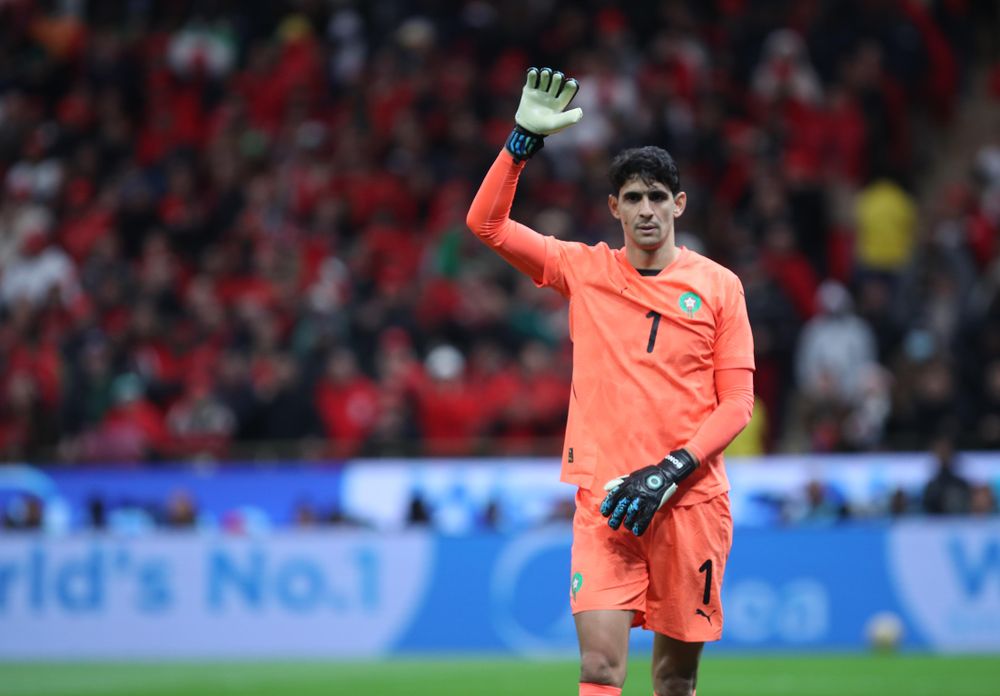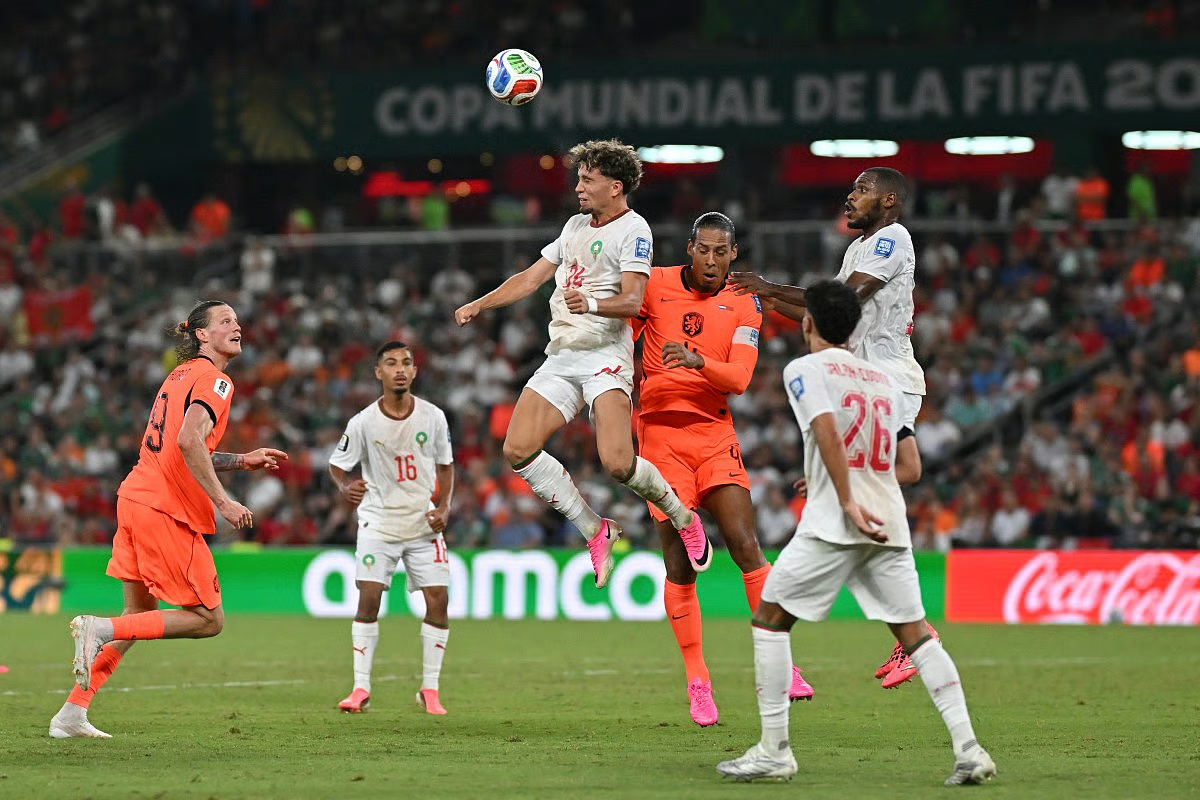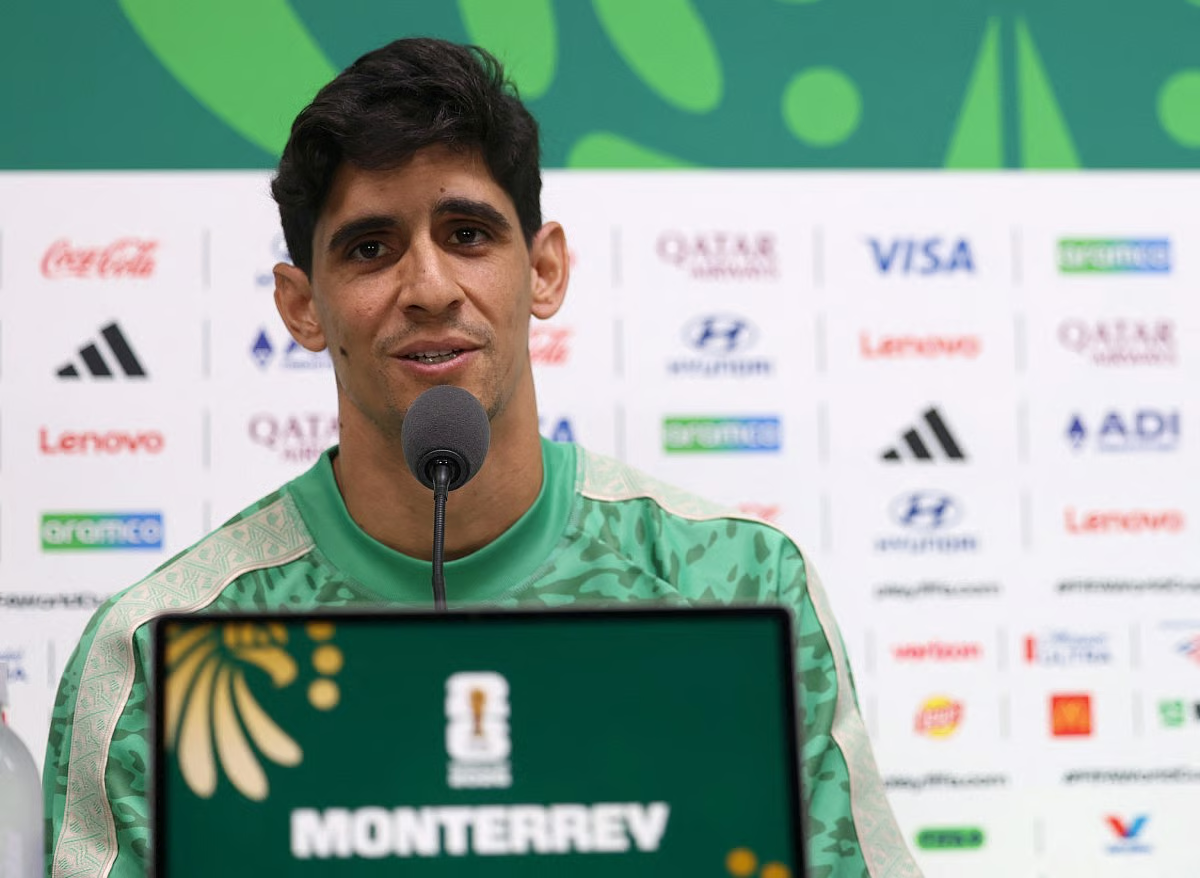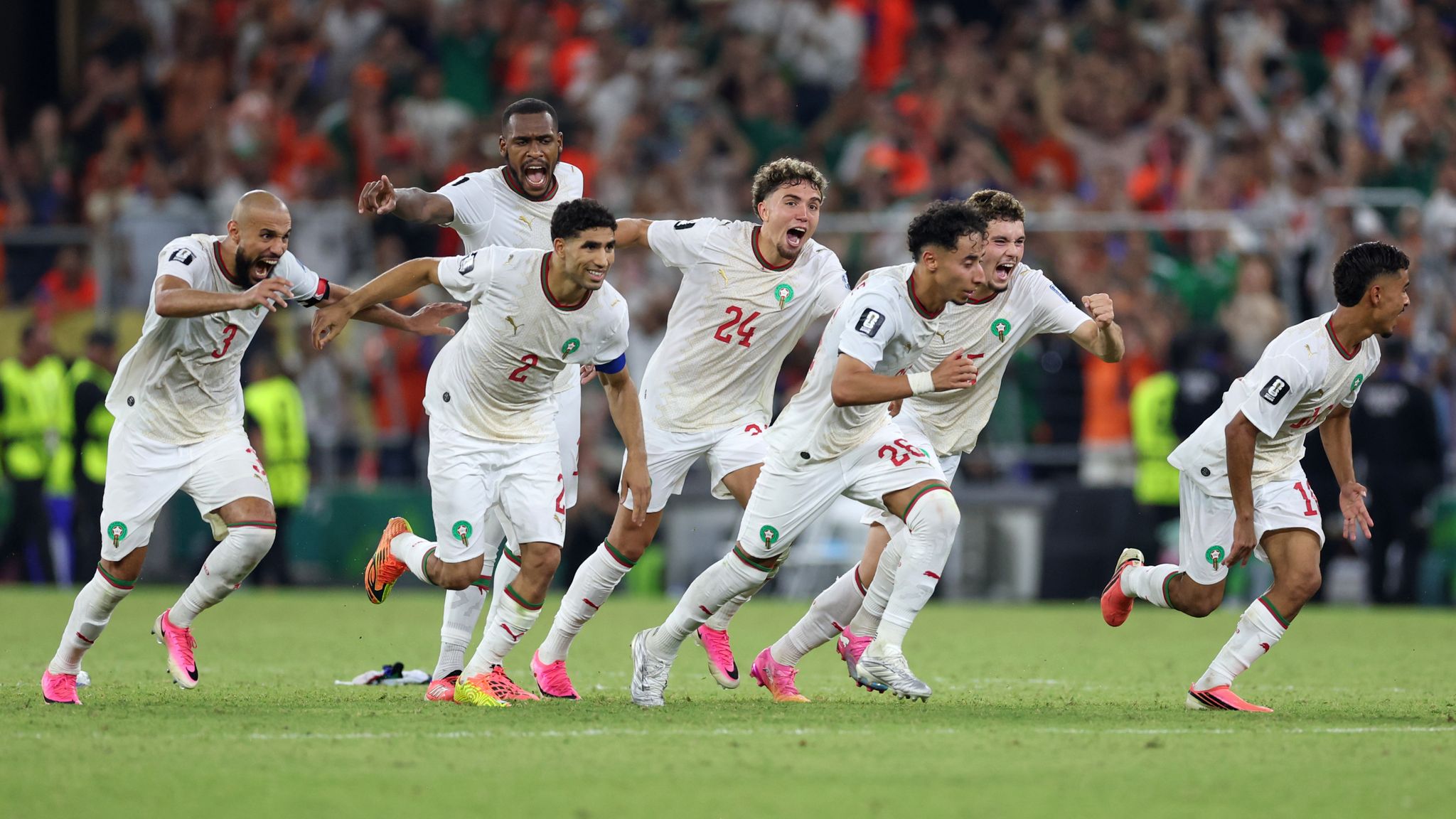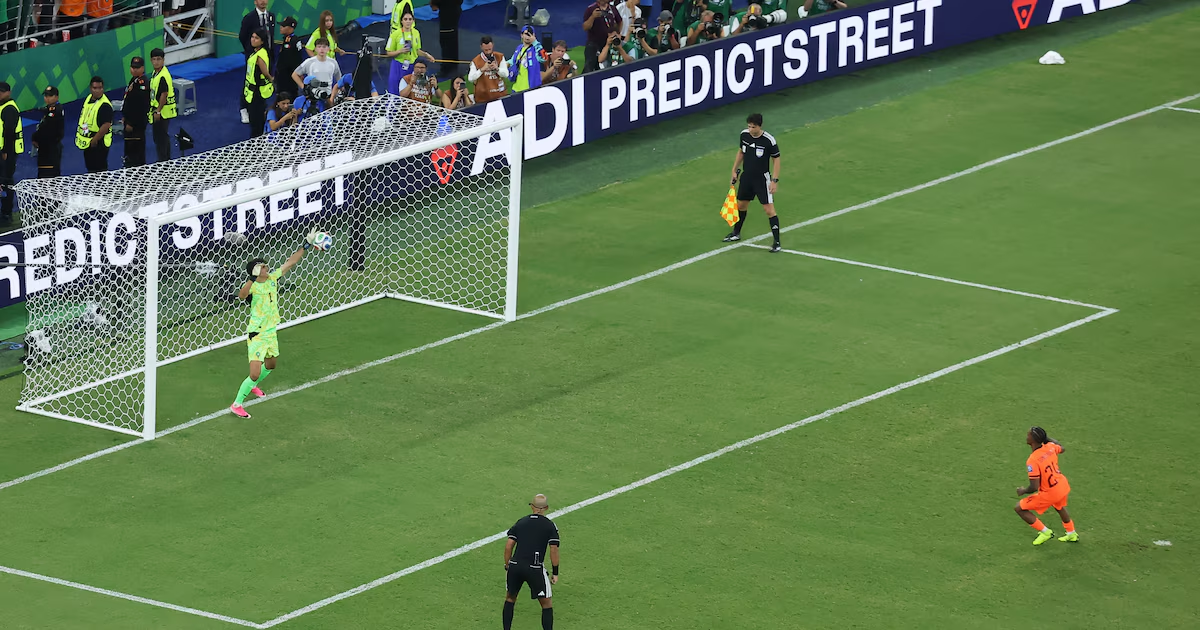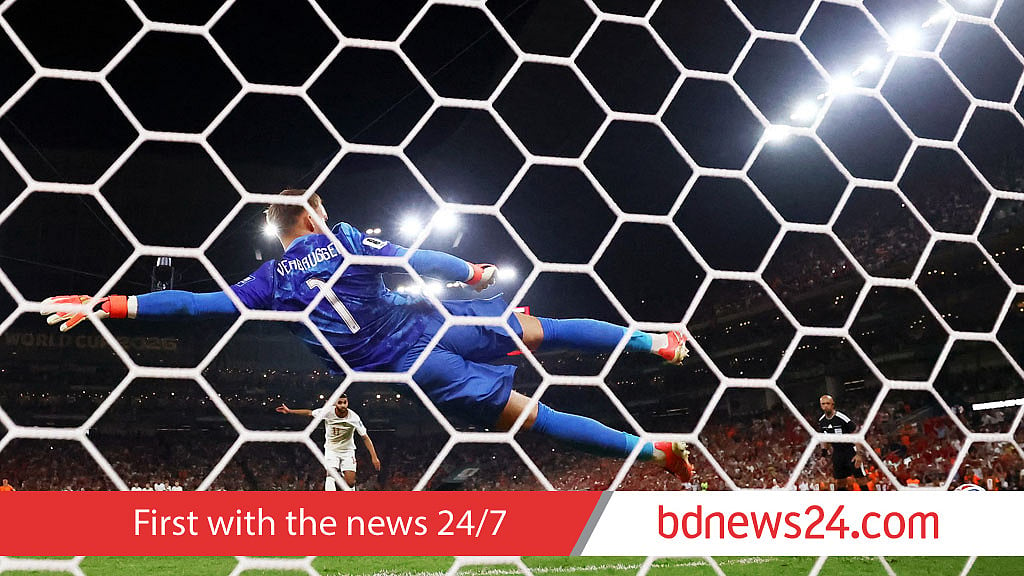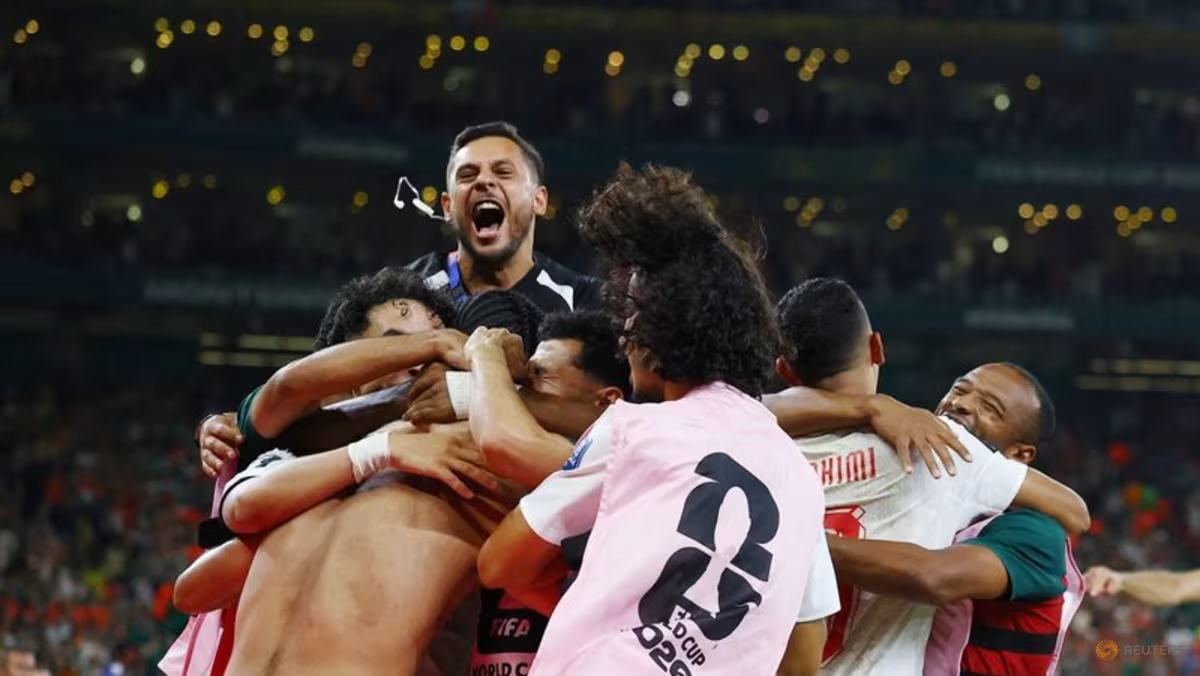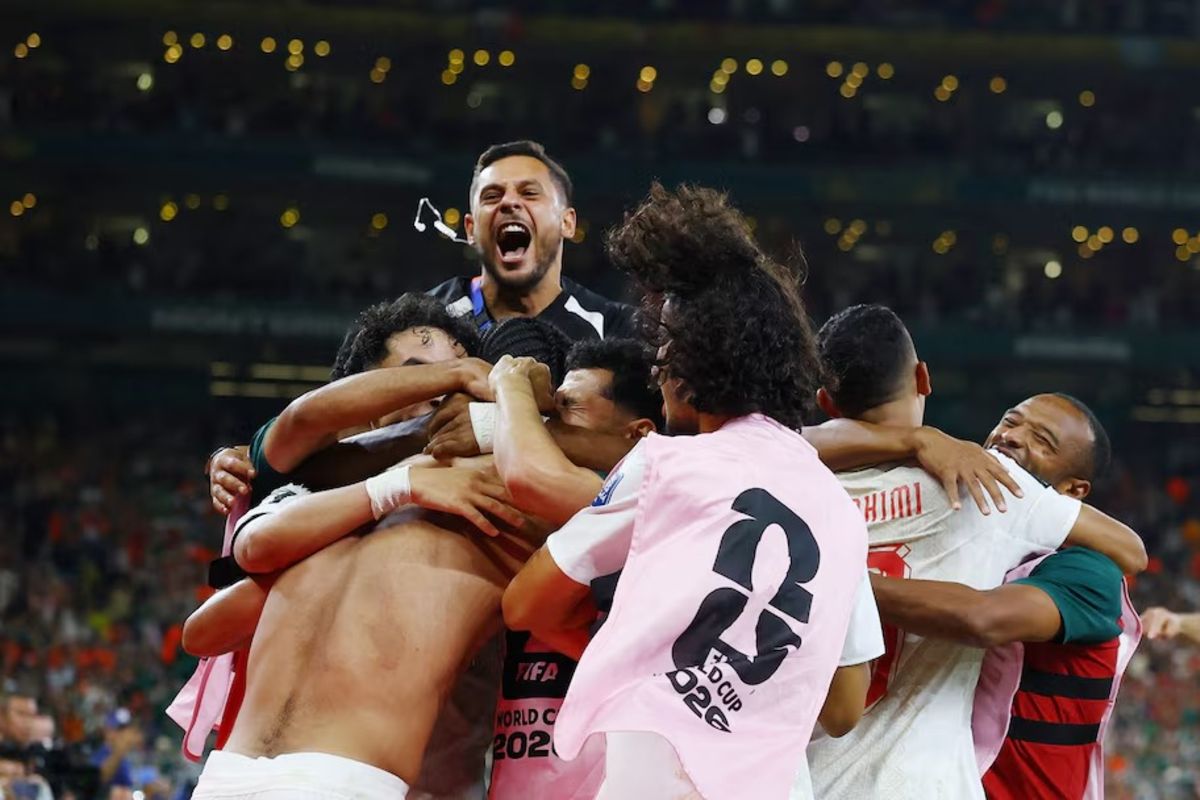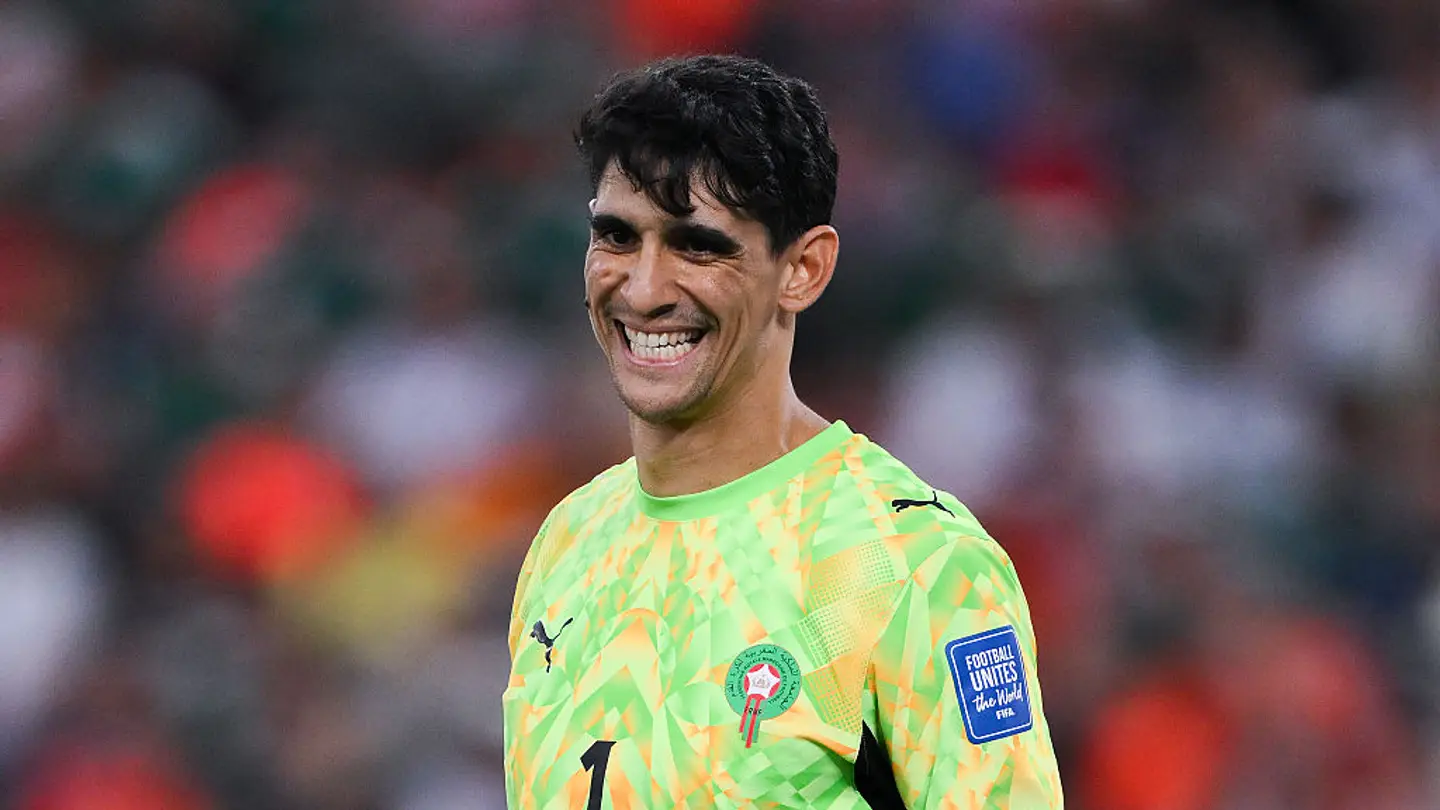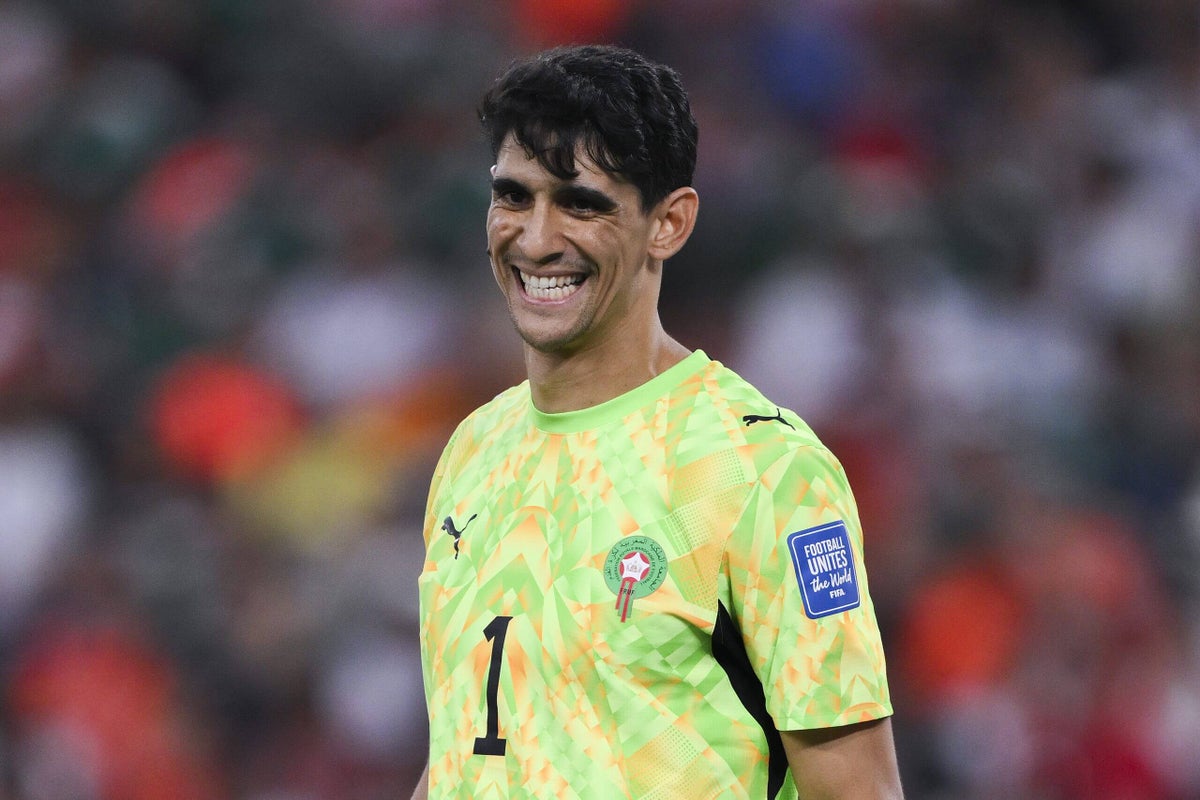
In a World Cup featuring many important contributions from diaspora players, this weekend’s round of 16 game between Canada and Morocco features another unique immigrant story.Morocco’s goalkeeper Yassine Bounou — the penalty shootout hero in Monday’s victory over the Netherlands — was born in Montreal, where, back in 1991, his father was a university physics professor.The family returned to Casablanca, Morocco, when Bounou was three years old. Two decades later, his country of birth came calling. Canada’s then national team coach Benito Floro, who managed the side between 2013 and 2016, got in touch.Yet Bounou, now 35, made his Morocco debut in August 2013, just a few weeks after Floro was appointed by Canada. He has made 94 appearances for the North African nation — twice playing against Canada, most recently at the previous World Cup four years ago. “Benito Floro asked me to come play for him,” Bounou told his then La Liga club Sevilla’s TV channel in 2022. “But I’d grown up in Morocco, played for their underage teams, and even some senior games. It was always my dream to play for them.”Yassine Bounou in action for Morocco against Canada at the 2022 World Cup (Natalia Kolesnikova/AFP via Getty Images)That World Cup in Qatar was a huge success for both Morocco and Bounou. During his first four games, the only time he conceded was a freak own-goal from defender Nayef Aguerd late in that group game with Canada, which Morocco won 2-1. Bounou even achieved the very rare distinction of going unbeaten through a penalty shootout. After a 0-0 draw in the last 16 against Spain, he saved two of three spot kicks he faced, while the other was hit wide.Then came yet another clean sheet in a 1-0 defeat of Portugal in the quarter-finals. Although Morocco were then eliminated 2-0 by defending champions France in the semi-finals, it was the best performance yet by an African nation in a World Cup.Yet it was not a completely comfortable experience for Bounou, an intelligent, thoughtful character who found the attention and pressure difficult to deal with.Facing both Canada and Spain, where he had spent almost all of his professional club career, made him worry some supporters might wonder whether he had mixed allegiances. For Morocco’s second group game against Belgium, he lined up with his team-mates for the pre-game anthems, but by kick-off backup Munir Mohamedi had taken his place in the side.“I had a really bad time,” Bounou told Spanish newspaper El Pais the following year.“At a World Cup, if you’re not mentally prepared, it’s difficult. Every day is the same: training, then back to the hotel, nothing else is allowed, and I suffered from anxiety. Playing against Canada, the country where I was born, there is this fear, if you concede a strange goal, people will say, ‘Well, he’s a Canadian’. And then we played Spain, the country where I make my living.“The World Cup was not easy. Then came all the success, and I was not prepared for that.”Such contrasts and challenges have been a constant through Bounou’s life and career. While his family were relatively comfortable financially, he grew up playing football with neighbouring kids in a humble part of Casablanca.“We played in a car park,” he told El Pais in 2019. “We used trash cans for one goal. As there was no crossbar, you were only allowed to shoot side-footed. The other goal was painted on the wall. You could shoot into that one as hard as you liked.”Bounou’s childhood also included visits to the Spanish city of Zaragoza, where family members ran market stalls selling goods produced in Morocco. Back in Casablanca, he joined local club Wydad and quickly climbed the ranks to the senior team.Aged 17, he spent some time at French side Nice, but was unable to settle and returned to Morocco. By age 20, he had kept goal for Wydad in an African Champions League final in 2011.Floro was Wydad manager in 2012, when Bounou’s move to Atletico Madrid came, but he never played a first-team game for them. An inconsistent spell on loan at second-tier Real Zaragoza followed. Helping Girona get promoted to Spain’s top division in 2017, a year after joining them, was a major step forward in his career.Yassine Bounou now plays for Saudi Arabian club Al Hilal (Buda Mendes/Getty Images)“I have a strong mentality, I’m a hard worker, and try to stay relaxed,” Bounou also told El Pais. “I know how to wait for my moment and take my chance. I took on the challenge of coming from Morocco and making a career in Spain.“Maybe being Canadian helped me to fit into (European) society. I did not stay shut up at home, which often happens with African players who do not speak the language.”At the 2018 World Cup, Bounou was a backup to Mohamedi. By the 2019 Africa Cup of Nations, he had established himself as No 1. That tournament featured a rarity in his career — Morocco lost a penalty shootout to Benin in the last 16.After joining Sevilla in 2019, Bounou again had to wait for his opportunity. His chance came in the Covid-affected stages of the 2019-20 Europa League, played as a mini-tournament of single-leg ties, when he saved a penalty in a 1-0 win over Wolverhampton Wanderers in the quarter-finals, before starring in the semi-final against Manchester United and in the final victory over Inter.Further recognition came when Bounou was named La Liga’s best goalkeeper in 2021-22, ahead of Real Madrid’s Thibaut Courtois, Marc-Andre ter Stegen of Barcelona and Atletico’s Jan Oblak.Six months after Bounou’s experience at the 2022 World Cup came another Europa League success, with two decisive penalty saves as Sevilla beat Roma in a final decided by spot kicks.Even though he was well established in Europe’s elite, he remained well aware of where he’d come from, and how fortunate he had been.“The other day, I met a guy outside the Sevilla training ground who had played with me in the under-15s at Wydad,” Bounou told El Pais in 2023. “He told me he had arrived in Spain on a raft (crossing the Mediterranean Sea from North Africa). That makes you think. Maybe he had no other choice but to seek his fortune that way.”Bounou’s final game for Sevilla was the August 2023 UEFA Super Cup against Manchester City. The club’s financial issues meant they needed to cash in on a player already 32 years old. There was interest from Real Madrid and Bayern Munich, but the biggest offer was €21million (£18m; $24m) from Saudi Premier League side Al Hilal.He shared a presentation event, attended by 60,000 fans, with another new signing, Brazilian superstar Neymar. Other team-mates have included Portugal’s Ruben Neves, Kalidou Koulibaly of Senegal, Uruguay’s Darwin Nunez and Saudi national team star Salem Al-Dawsari. Three seasons in the Saudi capital Riyadh have brought five more trophies, including a 2023-24 league and cup double.Al Hilal also impressed by making the quarter-finals at last summer’s expanded FIFA Club World Cup in the United States, with Bounou saving a Federico Valverde penalty in a group-stage draw with Real Madrid.Should we keep penalty shootouts?“We’re all honoured to be at this competition,” Bounou, who has a strong Muslim faith, told FIFA official media during that tournament. “We hope to show what a club like Al Hilal can do. In the Arab world, we know really well what it means for our fans and the importance for the club.”Last January, Bounou was again to the fore at the Africa Cup of Nations, making two saves in a penalty shootout as Morocco beat Nigeria in the semi-finals.Monday’s round of 32 game against the Dutch brought yet more glory, with the goalkeeper’s tremendous one-handed stop from Crysencio Summerville key to Morocco progressing on penalties following a 1-1 draw.It meant that only four of the 12 spot kicks taken against Bounou in Morocco’s past three shootouts have been converted (five saves, three shots off target). Over his club and country career, he has been on the winning side eight out of the 12 times a match has gone to penalties.Despite his introspective and sensitive personality, he clearly thrives in the one-vs-one battle with the rival team’s taker, using his intelligence and experience to take control of the situation.“Bounou’s speciality is goalkeeper-dependent takers; he has a really fluid pre-shot move that is incredibly difficult to resist,” The Athletic’s penalty expert Geir Jordet wrote earlier this week.“He pretends to do a fake movement, but it’s actually a ‘fake for the fake’ movement. This gets into the head of the takers, because he goes a little bit too early, then he pulls it back, and they fall into this net he has cast, over and over. When you know what to look for, it’s mesmerising to watch.”The tie against Canada in Houston, Texas, today (Saturday) will bring another special moment for Bounou. If it goes to penalties to decide who goes through to the quarter-finals, he will be ready.
Yassine Bounou is Morocco’s penalty-stopper hero. Canada asked him to play for them
The 35-year-old goalkeeper was his country's hero in the World Cup's round of 32. Years ago, Canada wanted him to switch allegiance
1,499 words~7 min read