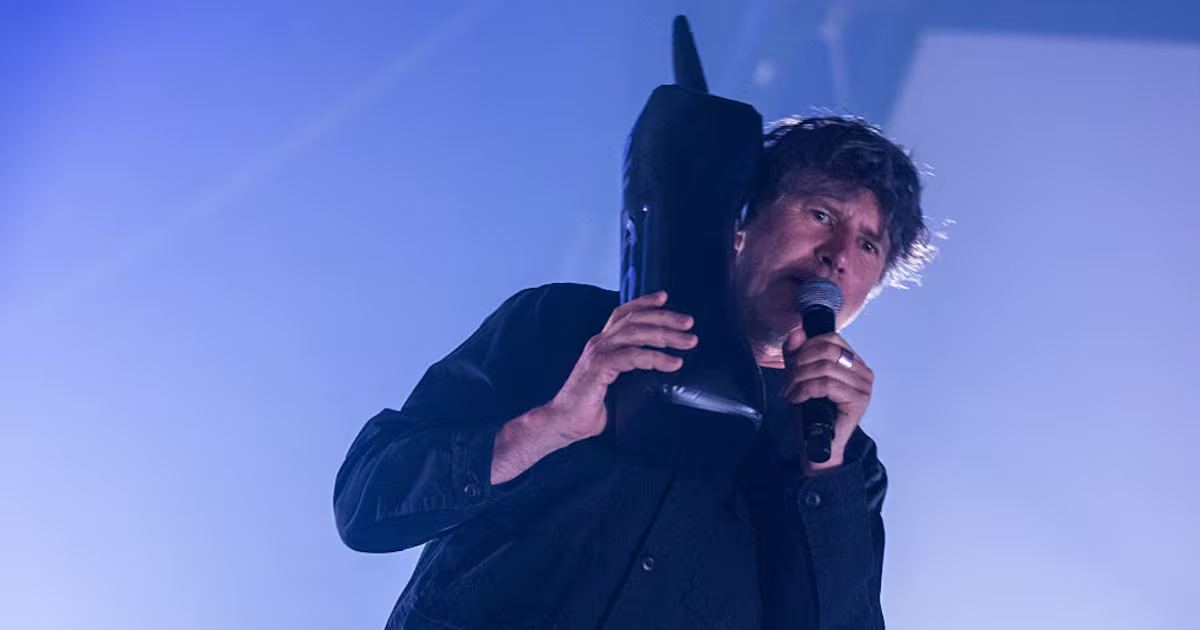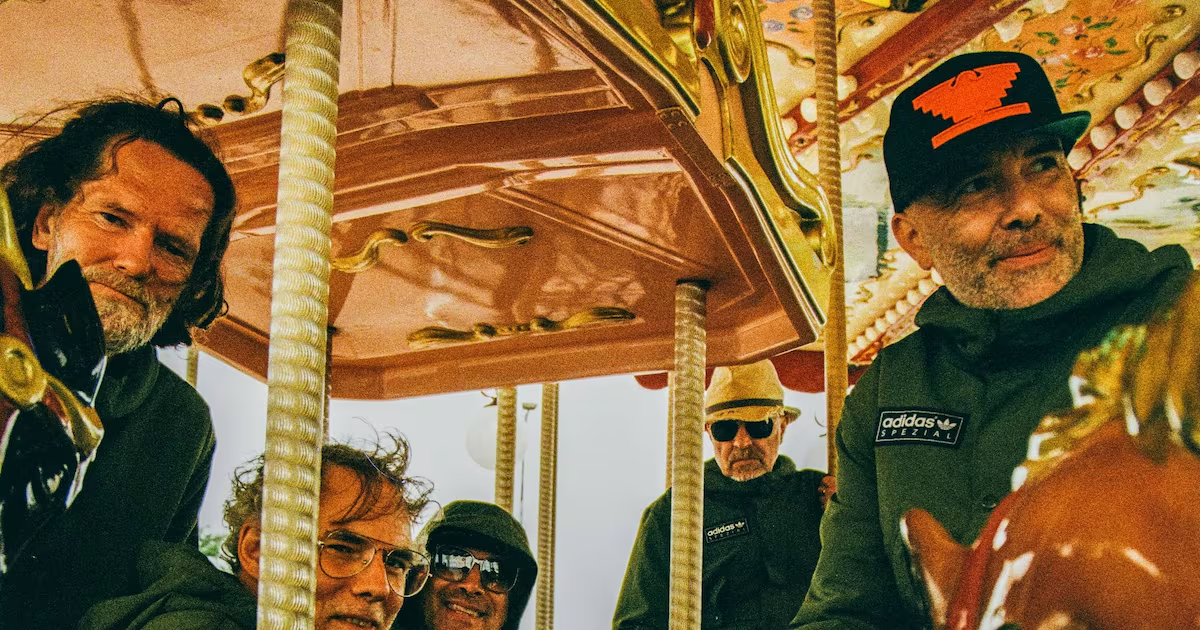
There was the concept album about the 18th-century Welsh explorer John Evans. There was the record influenced by his collection of miniature shampoo bottles. There was the album inspired by Mount Paektu, a volcanic mountain on the border of China and North Korea. There have been film soundtracks, Welsh-language albums and any number of collaborations with unexpected partners, from the electropop duo Neon Neon to his dabblings with Bill Ryder-Jones.Gruff Rhys has proven himself an understated maverick over the course of his colourful career, putting his own idiosyncratic stamp on alternative music across the past four decades or so. In more recent times, his band Super Furry Animals have reunited after a decade-long break, recently kicking off a tour in Dublin that will swing back around when they return to play an outdoor gig at Collins Barracks in August. We meet the morning after their first gig for 10 years, when the band’s famous yeti suits were broken out of storage, the outlandish props were on full display and their rallying cry “SFA okay” was proclaimed with full-throated vigour. It was, by all accounts, a riotous celebration.“We were just amazed how smoothly it went,” Rhys says, nursing a cup of coffee. “We messed up a few things, but we had a lot of fun and we were able to enjoy it. And to play for the first time in 10 years … ” He trails off for a moment, lost in thought. “A lot went into that first gig, so we were all really buzzing after it. I mean, we can’t take it for granted that anyone would show up.” There was a postgig celebration. “But, luckily, the hotel bar was closed,” he quips. “We celebrated a bit in the Olympia, and some of the braver members managed to find a pub, I think. But it wasn’t too mad.”Dublin was an apt choice of location to kick off their tour, given how much of an influence Irish music and tastemakers had on Super Furry Animals as youngsters. Although the band formed in Cardiff in 1993, Irish radio frequencies would drift across the Irish Sea to Gwynned, where Rhys and his bandmates Dafydd Ieuan and Cian Ciarán, who are brothers, grew up. (Huw Bunford, who plays guitar, and Guto Pryce, the bassist, are both from Cardiff.)Gruff Rhys, Guto Pryce and Huw Bunford of Super Furry Animals at the Olympia Theatre in 2016. Photograph: Kieran Frost/Redferns “We got to hear Dave Fanning and Marty Whelan and people like that, because BBC Radio 1 was blocked by the mountains, so we’d pick up the signal from the west,” Rhys says. “We’d get RTÉ Radio 2 and lots of pop radio. “I mean, in the 1980s, Christy Moore and bands like Clannad were huge. They had huge records in Ireland and they were, by default, big records in Wales. You picked up the signal, and it became what you heard. You’re not necessarily going out and buying the records, but you know it all.”Rhys is as quietly eccentric in conversation as he is on record, peppering his conversation with long pauses, regularly closing his eyes and cocking his head as he mulls over questions. As with his music, it’s a matter of tuning into his frequency and finding his cadence. He has been consistently busy over the years, he agrees, spinning a multitude of plates with different projects and collaborations, but what drew him back to Super Furry Animals after such a lengthy hiatus?“We get asked regularly enough to play, so it was just a matter of finding a time everyone was into it,” he says, shrugging. “We’ve worked with the same booking agent for 30 years, Geoff Meall, and he bats things away for us if it’s not right – because if we do something it can snowball into years sometimes. “Last time we were going to do a three-week tour and we were on the road for two years, so we know it’s a commitment, in a way.” He takes another long pause. “And you know, we’ve reached an age where we’re losing friends. So we really appreciate what we’ve done together, and it’s a chance to hang out and play. This seemed to be the year to do it.”Super Furry Animals in concert. Photograph: A Jeffreys/Mirrorpix via Getty The four Super Furry Animals bandmates had formed a new group, Das Koolies, in 2019; they released their debut album in 2023. Rhys says it wasn’t hard to settle back in with them.“It’s strange how time seems more malleable as you age,” he says, chuckling. “I think because we’ve spent so much time together there’s a dynamic to how we work, so it feels like yesterday. “We’ve had quite extreme life experiences together – extreme highs and extreme lows – so we know each other very well. That bit is very easy and very unspoken in a way, and I suppose it’s the same with music, in that we’re not so much talkers.“We tend to communicate through music, and we don’t give each other much instruction within the band. We all have a role, and we sort of trust each other to do what everyone does.”The reunion has also given him cause to look at Super Furry Animals’ enduring legacy. Back in the 1990s they were pegged as the oddballs amid the wave of Britpop and American bands clogging the charts; here were a group who sometimes sang in Welsh; bought an army tank they customised as a mobile sound system and drove around Glastonbury festival; and released a song that set a record for the number of times it used the work “f**k”. (They still close every set with The Man Don’t Give a F**k.) Did the “weirdos” tag ever bother them?“It’s not something I define myself by, so we don’t even think about it,” Rhys says, shrugging. “I think we’re pretty conventional. We were just amazed how unimaginative a lot of music was when we were starting off, I suppose. “Everything was quite formulaic, especially pre-internet. I don’t know if there were more gatekeepers, but the gates were bigger, maybe, whereas now it’s a sort of kaleidoscopic world of music, which is incredible. It’s easier for people to accept all kinds of things.” He shrugs again. “Anglo-American rock‘n’roll was the paradigm, and anything that didn’t seem to fit into that in some way was deemed weird.”The set list on their current tour essentially makes it a greatest-hits revue that spans the magnificent breadth of their three decades together, and has given Rhys cause to reflect on which of their albums were most significant. Their second, Radiator, released in 1996, was the one that defined them, he says. “It kind of skewed us away, somehow, from everyone else. It’s like the record where we found our audience. But they’re all significant for us.” Mwng, their first album entirely in Welsh, from 2000, was meaningful in terms of both the language and the music. “It’s the sound of the band after touring three albums, so we could really play live together. “And Rings Around the World [from 2001] was amazing, because we had a number one in Hong Kong, and it was a big record in southeast Asia, which was unimaginable a few years earlier. With Phantom Power we were at our peak, touring the world and going places we’d never been.” He smiles at the memory. “So they’re the big ones for me.”It’s extremely healthy to have a language treated with irreverence and with a sense of joy and fun— Rhys on KneecapWelsh has played an important role in Rhys’s life and musical career. Alongside Mwng, he has released three Welsh-language solo albums over the years; the most recent was Dim Probs, from last year. He raised with Welsh as his first language – his father, Ioan Bowen Rees, was a poet and campaigner for the culture and language – and he comes alive when speaking about his native tongue. There has been a decline in Welsh-speaking communities in recent years, but there is still a “strong scene” of bands who continue to use the language. Government legislation to make the language more visible has delighted him. “I have emotional experiences in supermarkets, experiencing the language on an AI till,” he says, laughing. “But it’s very meaningful for me, and it’s all come from a lot of activism for decades.”He therefore “totally understands” the cultural significance of a band such as Kneecap.“And they go down the storm in Wales,” he says. “I’ve seen them a couple of times, and they have an understanding of Wales and the language community there. “I love their irreverence, as well. I suppose our languages are so fragile in the geopolitics of the world today; they’re extremely fragile vessels we have to carry carefully, and sometimes the responsibility becomes too much. “So sometimes it’s extremely healthy to have a language treated with irreverence and with a sense of joy and fun. When you speak a minority language there’s a pressure, to a certain extent, to sing about various types of mist or something.” He grins. “But it’s also healthy to sing about making a drug deal in your mother tongue.”Gruff Rhys of Super Furry Animals, who played Electric Arena on Friday night at Electric Picnic. Photograph: Dave Meehan Super Furry Animals haven’t discussed writing or recording new material, he says, so we may never find out what their incursions into Kneecap-style hip-hop would sound like. For now, their reunion is simply about enjoying reconnecting with his old friends, getting on a stage together and playing songs that remain vibrant and beloved.“We came into it as a touring idea, and it’s nice dealing with music where all the decisions have been made. That takes off a huge layer of stress.” He laughs. “We’ve had to make so many decisions together: on the colour of the label, on the B side of the second disc of the triple album. We’re a detail-oriented band. “But it’s the same with the tour: the set lists are fully democratic, to an elaborate degree of computing. And we’ve been having a good time. The music is incredibly fragile, and it’s a fragile existence; it’s not something we can take for granted, so we’re really enjoying it and appreciating the records and the music.” He shrugs as the band’s tour manager beckons him away and they prepare to depart for the next stop on their roving revue. “Just trying to figure out how to play the songs is a beautiful thing to do together.”Super Furry Animals play the National Museum of Ireland at Collins Barracks, with special guests Baxter Dury and Really Good Time, on Sunday, August 30th, as part of the Wider Than Pictures concert series
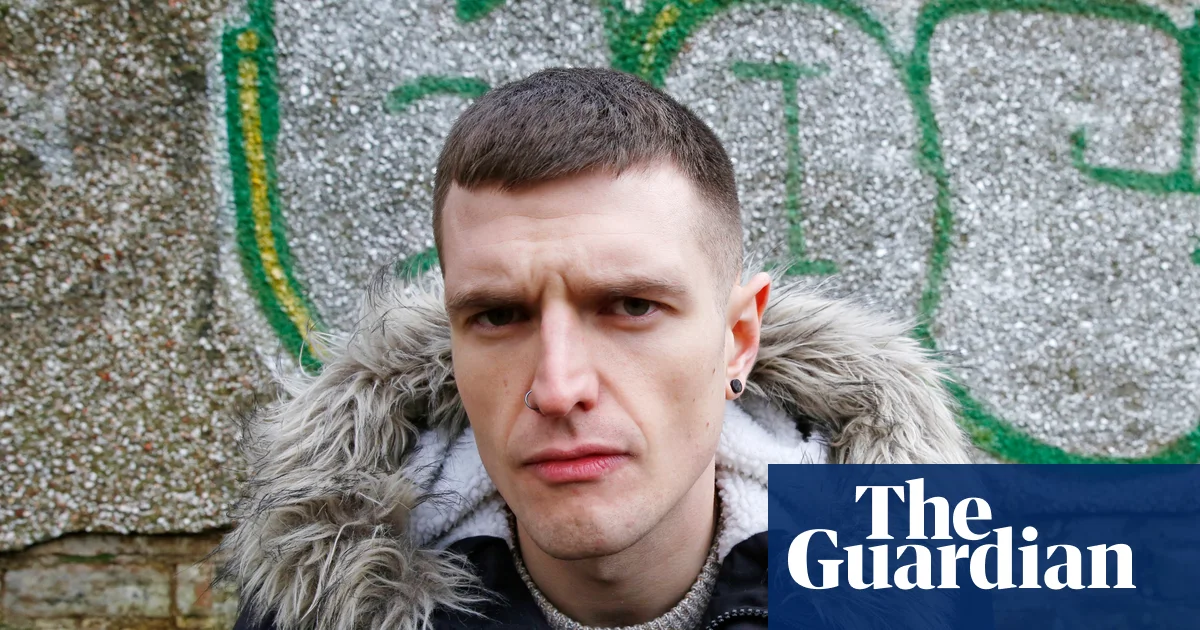
Gruff Rhys of Super Furry Animals: ‘We’d pick up Dave Fanning and Marty Whelan on the signal from the west’
The Super Furry Animals singer on the band’s triumphant live return, his favourite SFA albums and making minority languages fun
1,793 words~8 min read