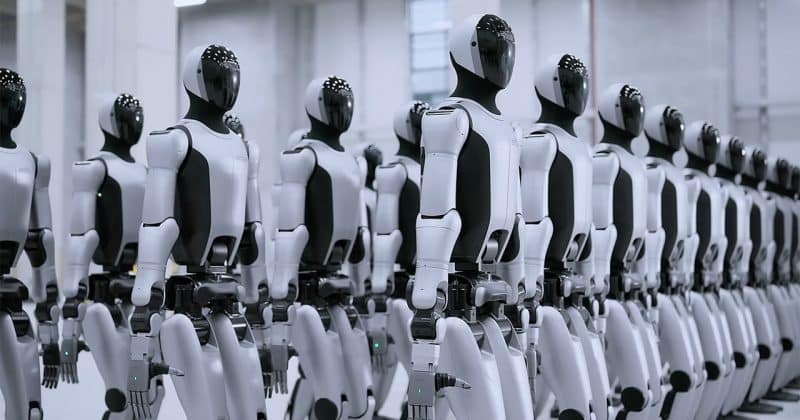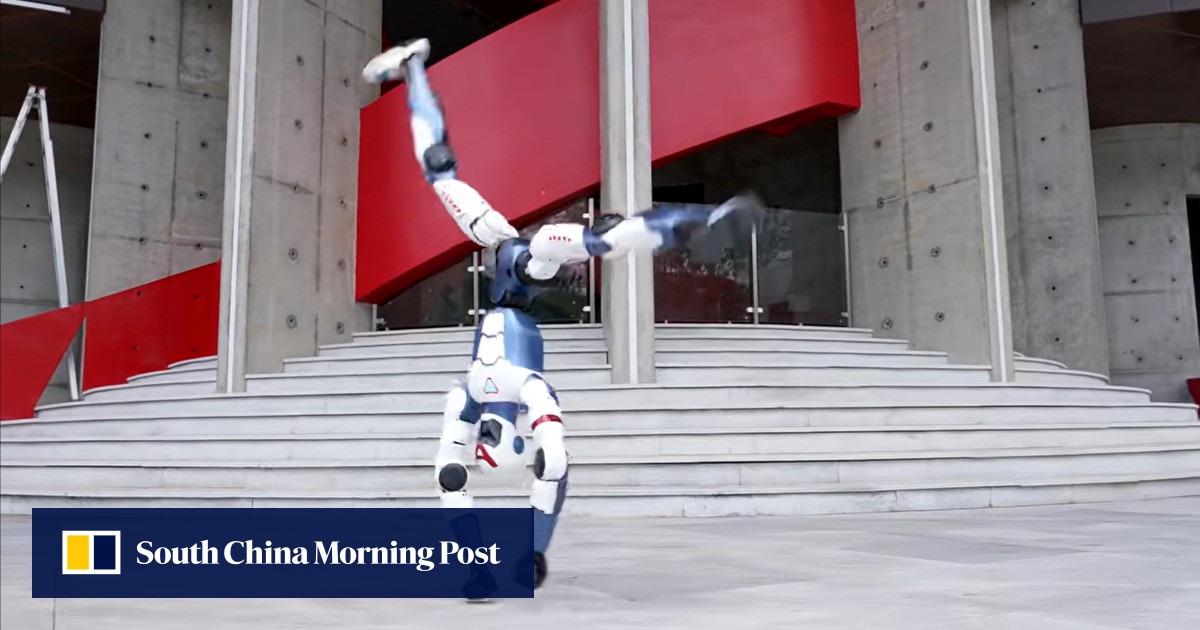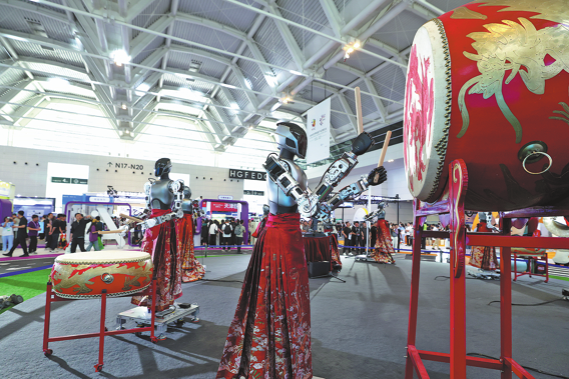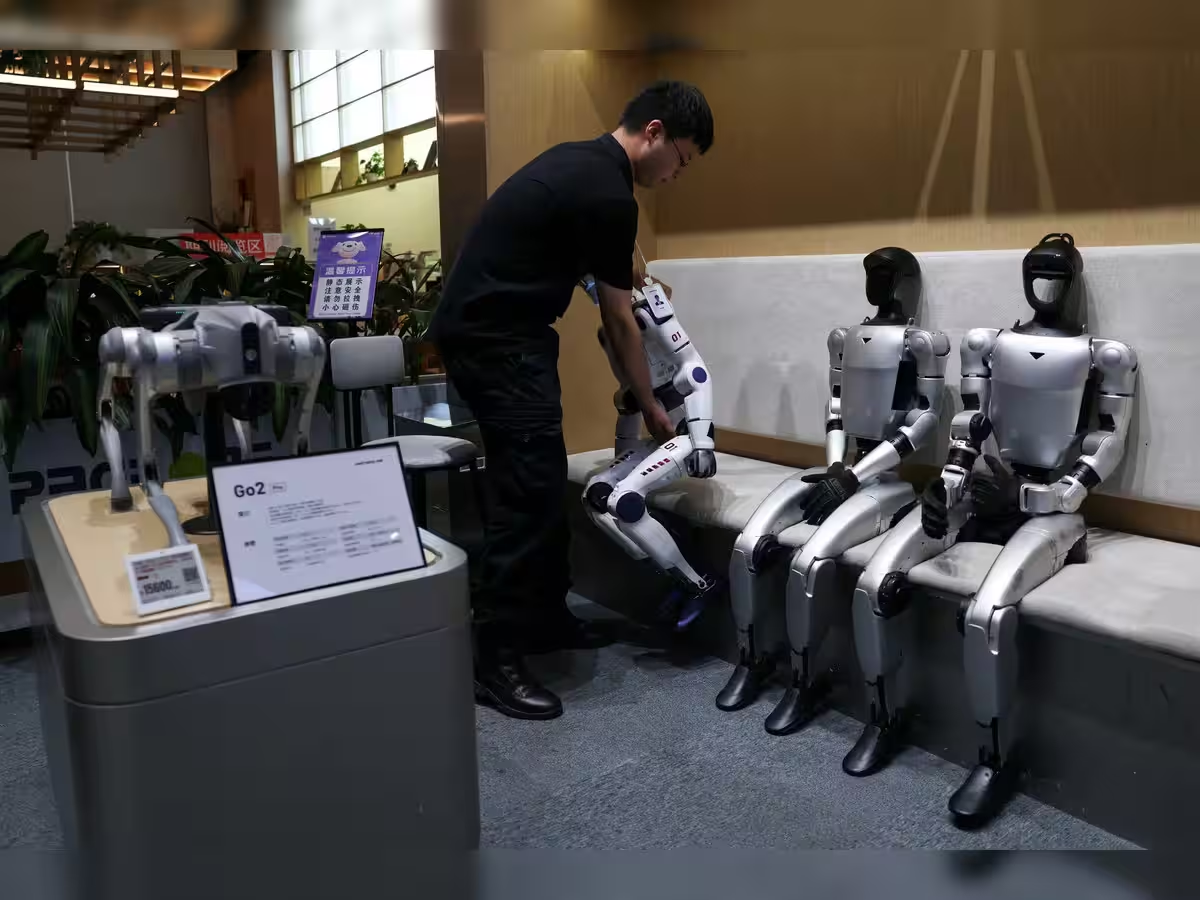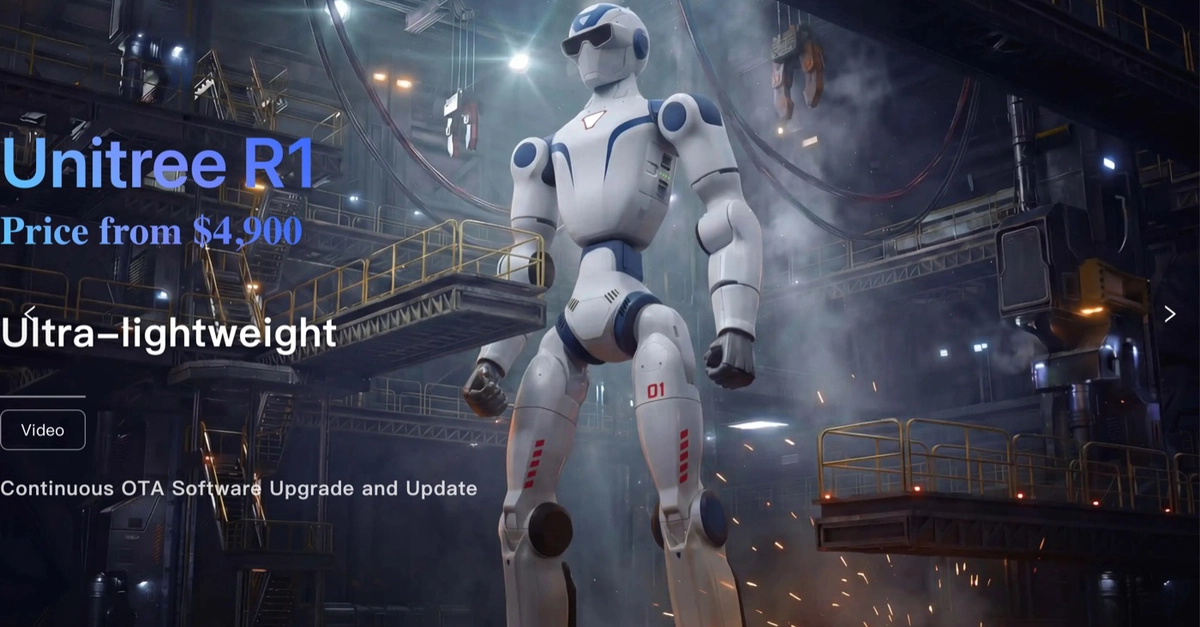
You can now buy a walking, flipping, kung-fu-kicking humanoid robot on AliExpress for $4,900 — less than a used Honda Civic, less than a semester of community college, less than what most people spend on a couch-and-TV combo. Unitree's R1 AIR shipped its first global batch in April, and it represents something the robotics industry has been promising and failing to deliver for decades: a humanoid robot that a normal person can actually afford.
But here's what the breathless headlines won't tell you: price is falling faster than capability. The gap between what this robot costs and what it can actually do is where the hype lives — and understanding that gap is the difference between seeing a revolution and seeing a very expensive toy.
The Number That Matters
The Unitree R1 AIR stands 4 feet tall, weighs 55 pounds, and packs 20 degrees of freedom into a bipedal frame that can run, do cartwheels, throw punches, and execute spin kicks. At CES 2026, Unitree's booth stopped traffic with R1s replicating Bruce Lee sequences, Michael Jackson dance moves, and Mike Tyson combinations.
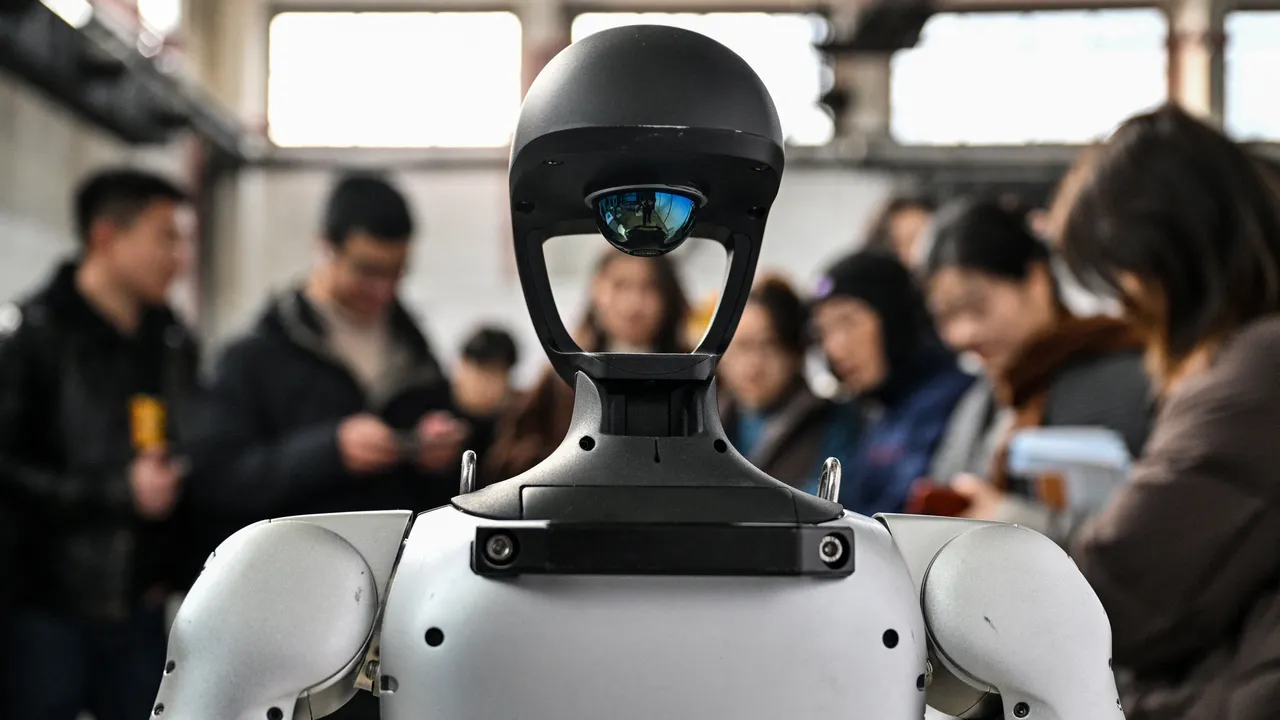
The base R1 AIR ships with a monocular camera, 8-core CPU, and onboard AI for voice and image recognition. For $1,000 more, the standard R1 at $5,900 adds six more degrees of freedom (26 total), binocular depth perception, waist articulation, and head movement. Both come with hot-swappable batteries — about an hour of runtime per charge.