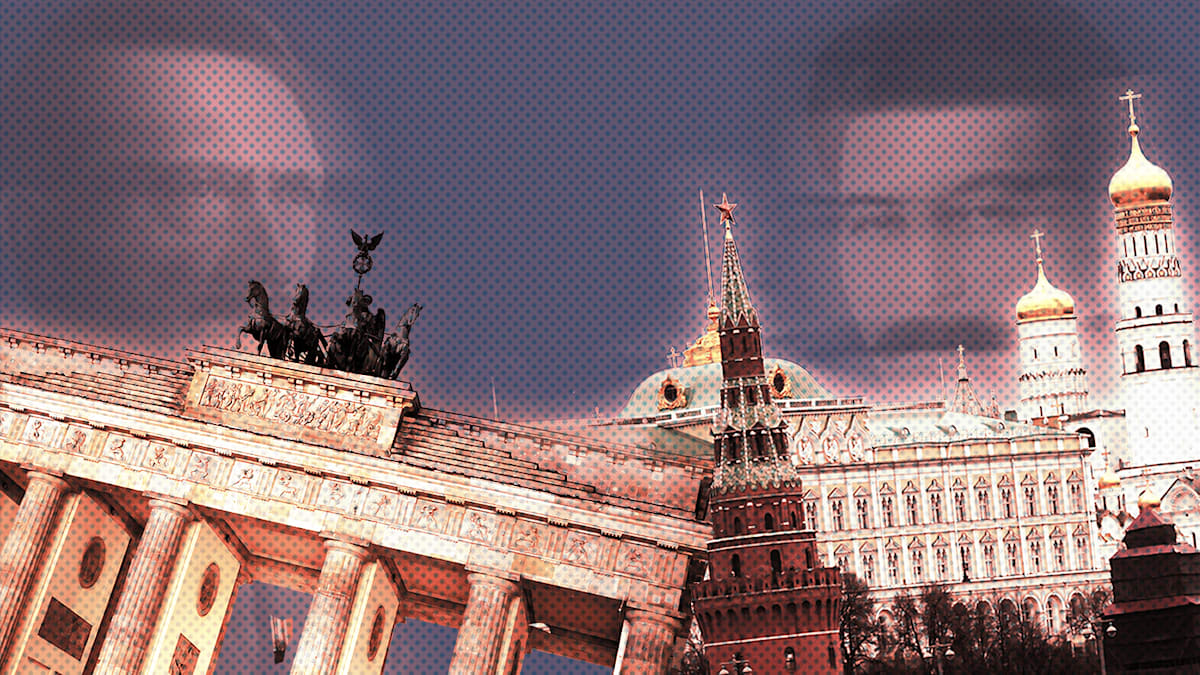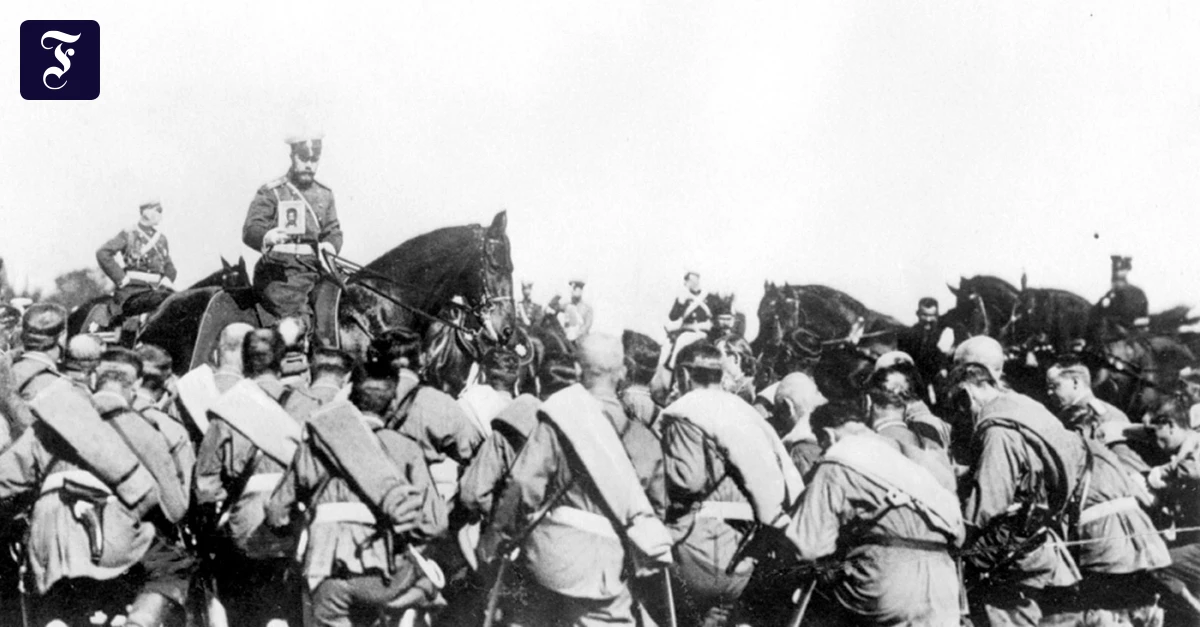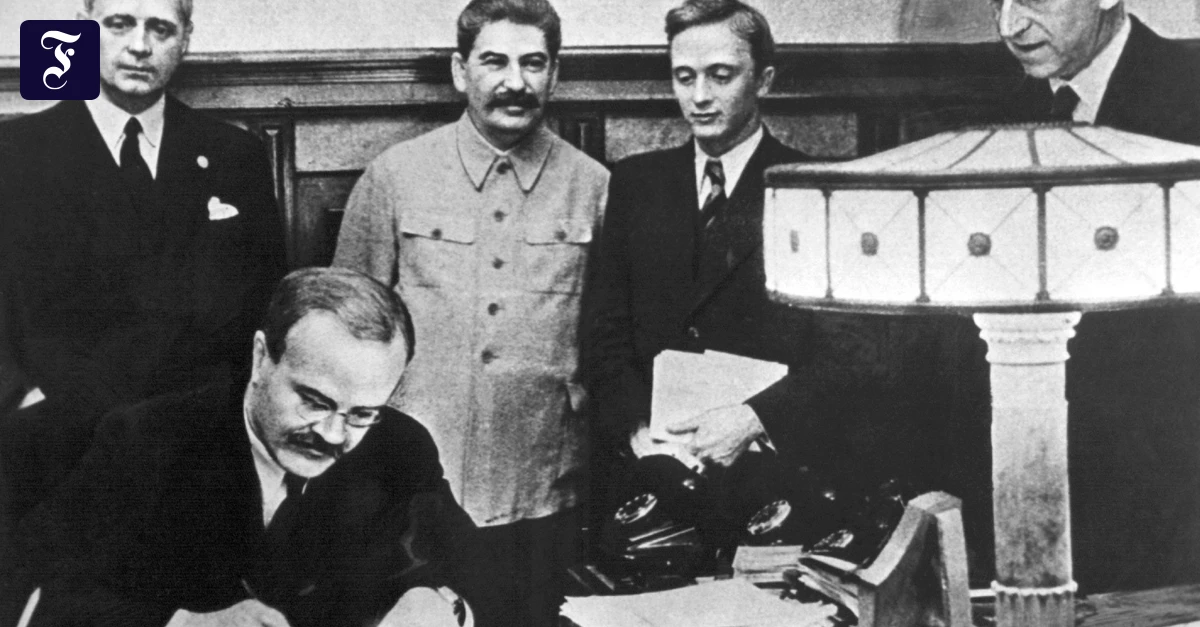
The German-Russian Century: History of a Tangled Relationship Author: Stefan Creuzberger, tr. Elizabeth Janik ISBN-13: 978-1509565719Publisher: PolityGuideline Price: £30; 551ppFor centuries, German communities had existed within the Russian empire. Estonia, the most northerly of the tsarist Baltic provinces, was governed on imperial St Petersburg’s behalf by the Baltic German landed class, who claimed descent from the medieval Teutonic knights. The Deutsche Balten became increasingly unpopular in Russia in the 19th century, however, as Slavophile nationalists sought to reassert a Russian presence. Ivan Turgenev’s 1862 novel Fathers and Sons exalts Russian Orthodoxy as a tonic to the perceived Lutheran dourness and pomposity of the “Russian Germans” in the Baltic who were believed to look in secret to the enemy Kaiser. The Russian author Nikolai Leskov, no less a Germanophobe, got into a tavern brawl in Estonia one day in 1870 after a Baltic German maligned Russia and the Russian people as layabouts. Having broken a cane over the offending man’s head, Leskov wrote the unapologetically anti-Kaiser short story Iron Will, which poked fun at a robotically efficient German military engineer who dies while gorging on quantities of Russian bliny pancakes: so much for the cast-iron German stomach.The Russian view of the Germans as a supercilious, heel-clicking Herrenvolk has never really gone away, argues Stefan Creuzberger in The German-Russian Century, an impressive survey of Slav-Teuton antagonisms from the late 1800s to the present. The book concentrates on the 1939 Molotov-Ribbentrop Pact, which enabled Hitler and Stalin to occupy much of east and central Europe. The dictators’ “friendship” alliance could not last because the mistrust went too deep. In the Nazi German view, the communist Russians were cruel, sentimental and impulsive; their perceived disorder and chaos were contrasted withto the vaunted order and discipline of the Germans. None – or very little – of these generalities was amenable to reason; each side based their claim to a common identity on a negative quality: we are not Slavs, we are not Teutons. Creuzberger (who is professor of modern history at the University of Rostock, Germany) chronicles German-Russian relations in the wake of the USSR’s collapse in 1991 right up to Vladimir Putin’s assault on Ukraine’s “neo-Nazi” (as he perceives it) government. In more than 500 pages of deeply researched yet readable history, Creuzberger opens a window on to an age-old enmity.
The German-Russian Century by Stefan Creuzberger: Impressive account of an age-old enmity
A deeply researched yet readable survey of Slav-Teuton antagonisms from the late 1800s to the present
387 words~2 min read