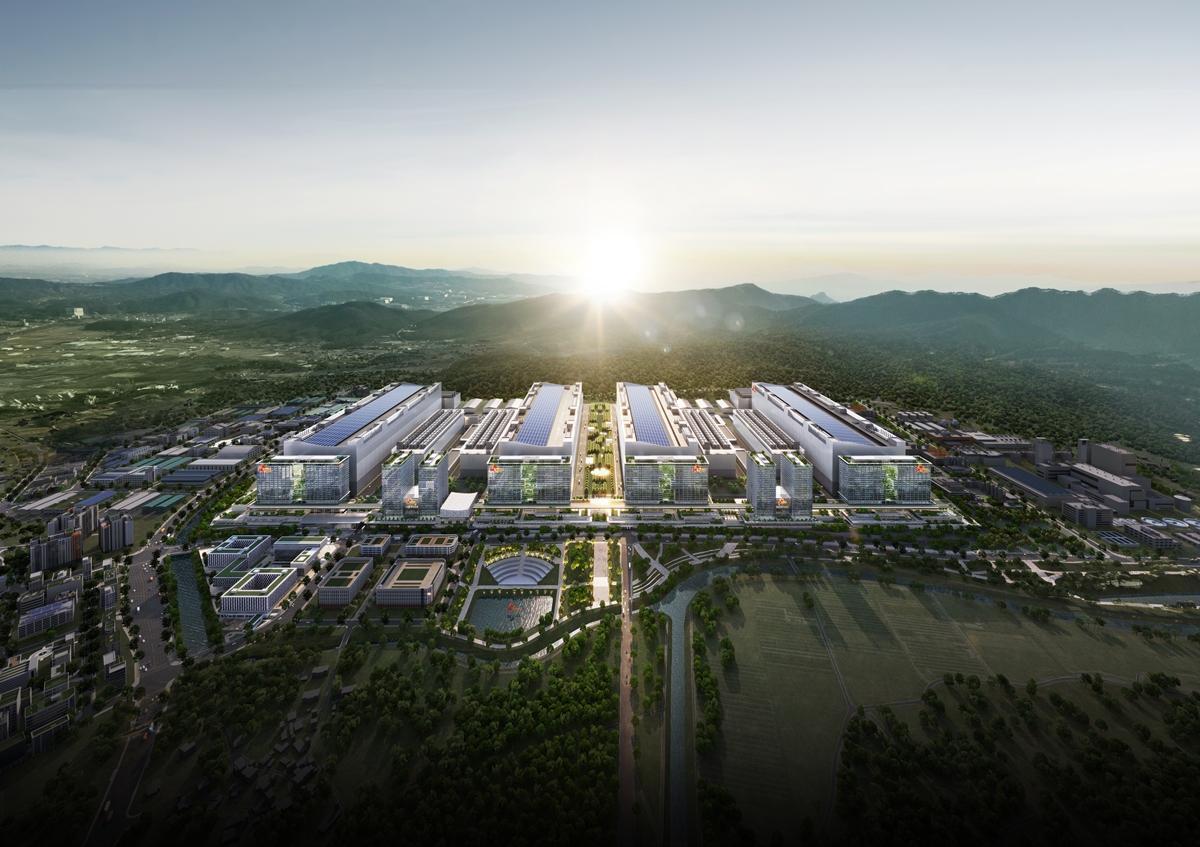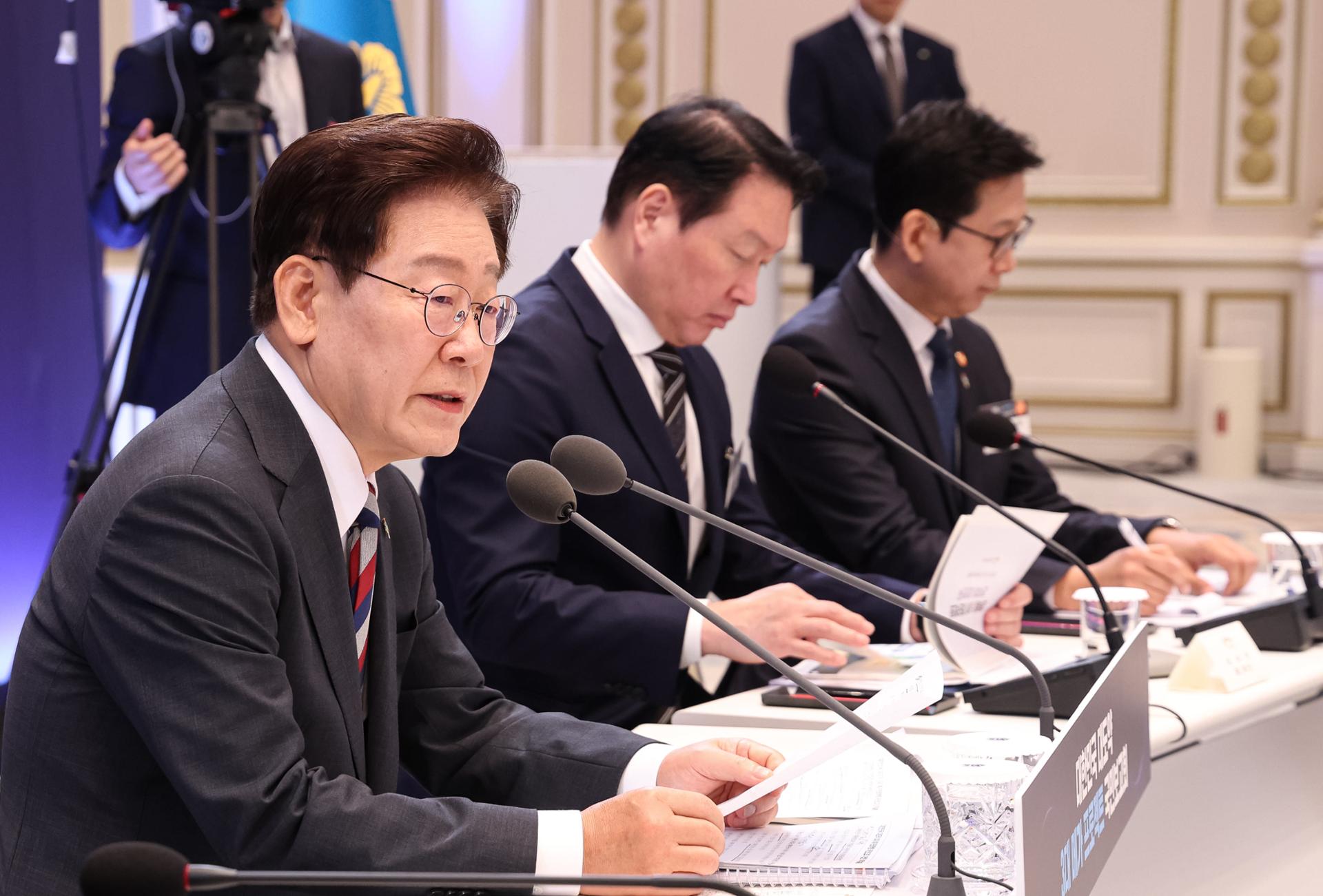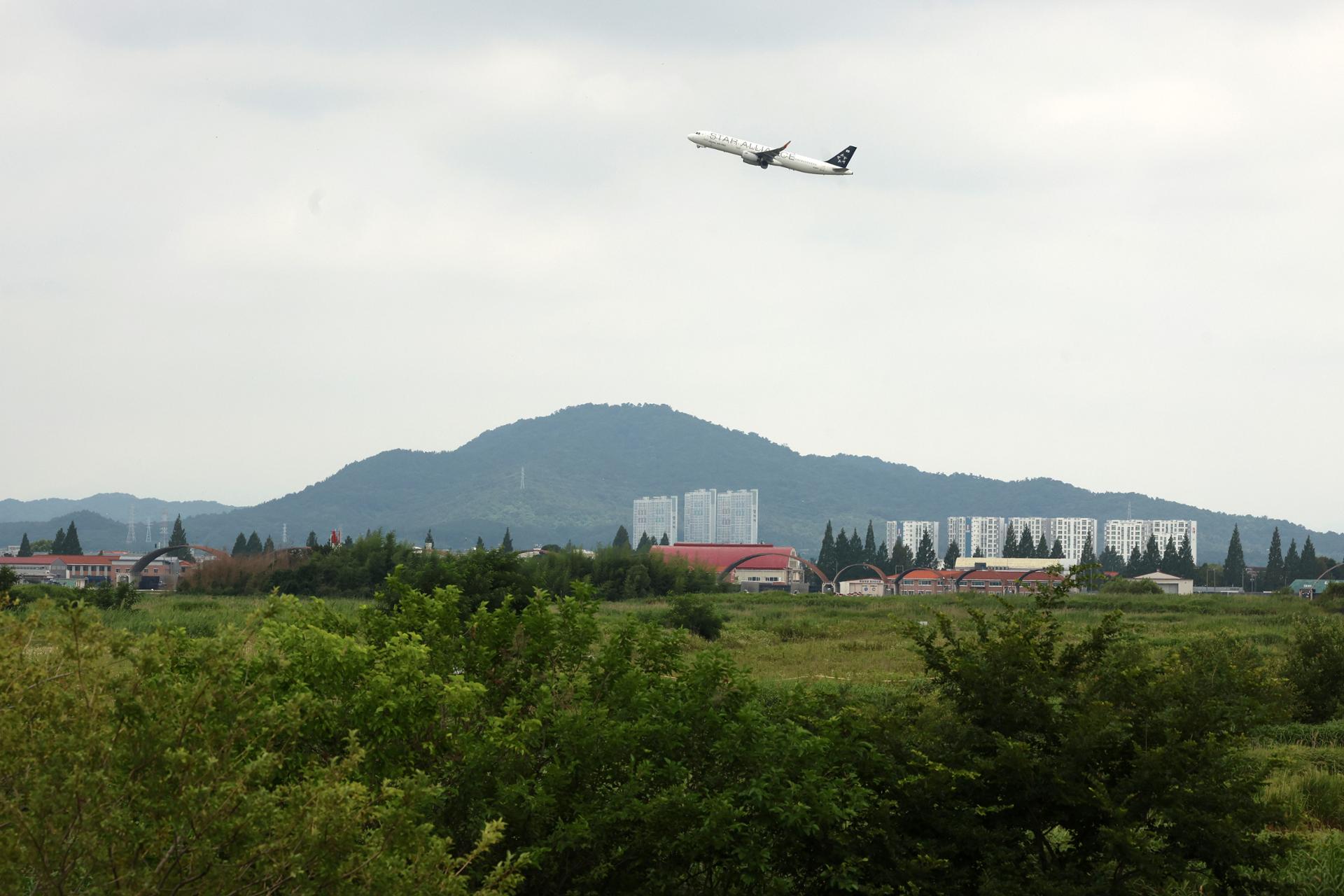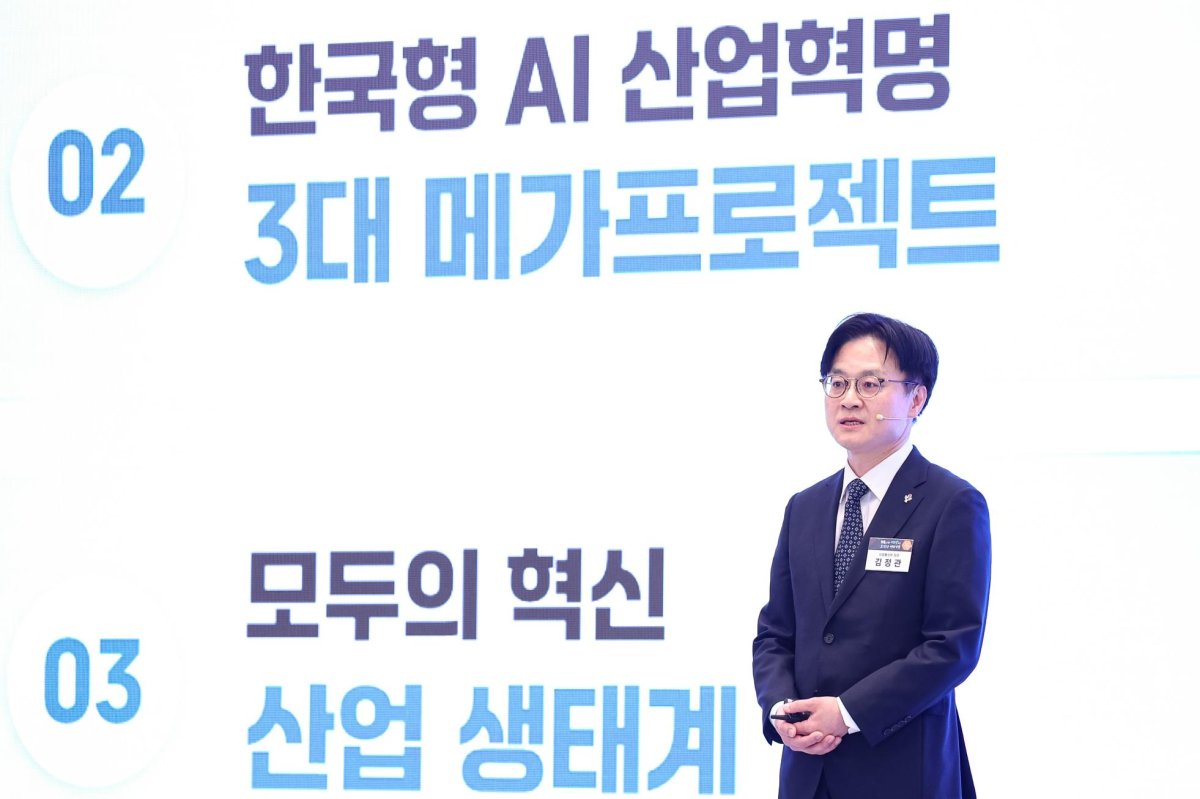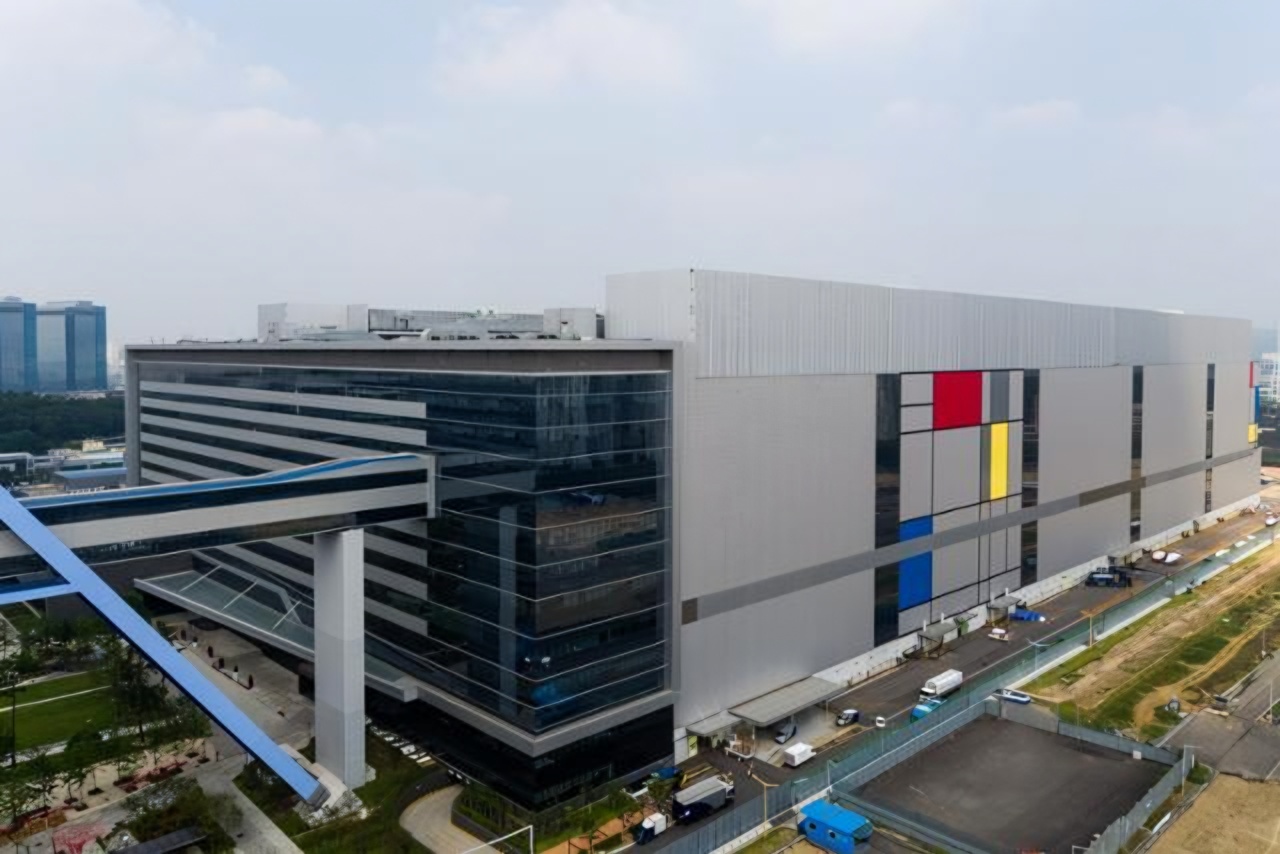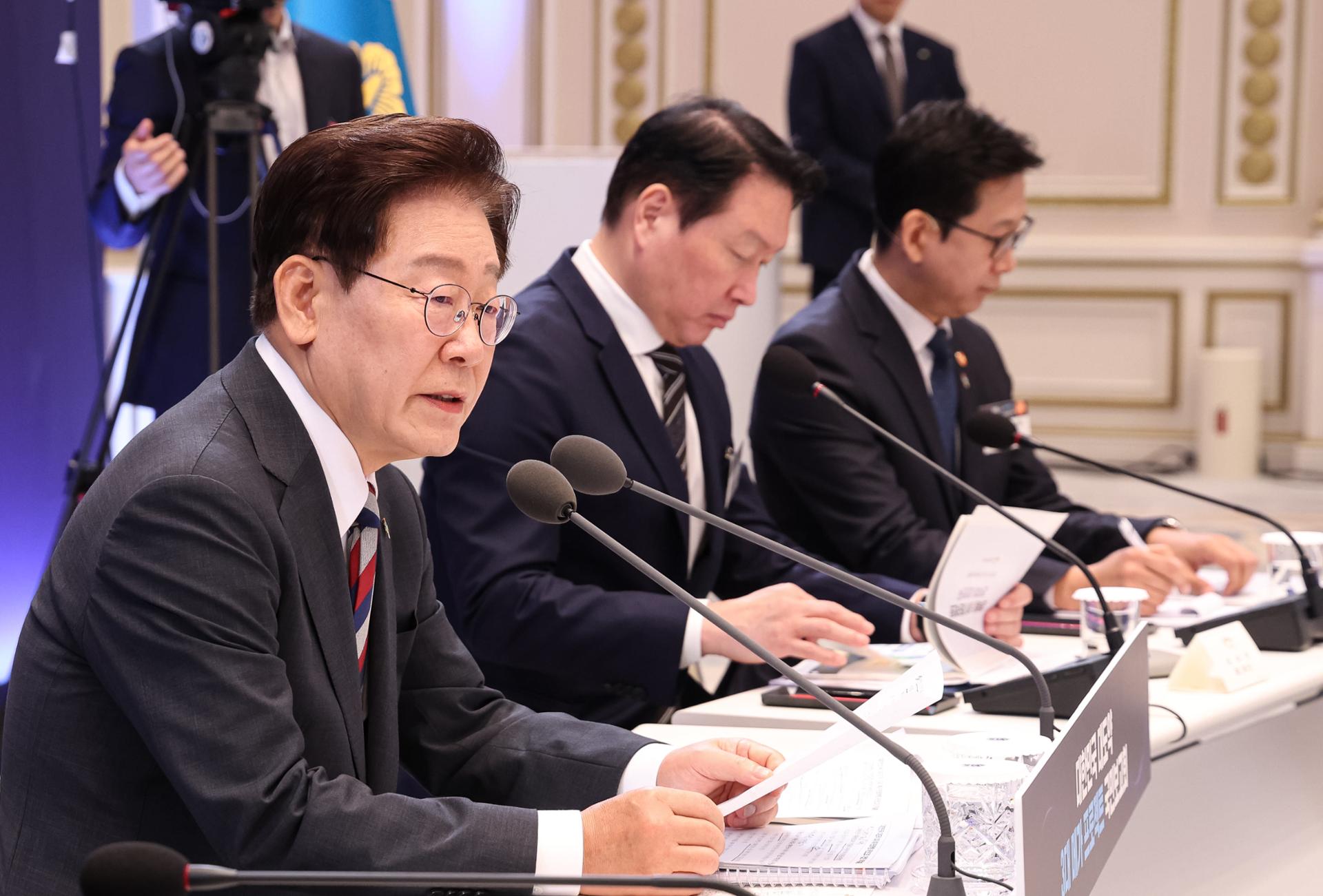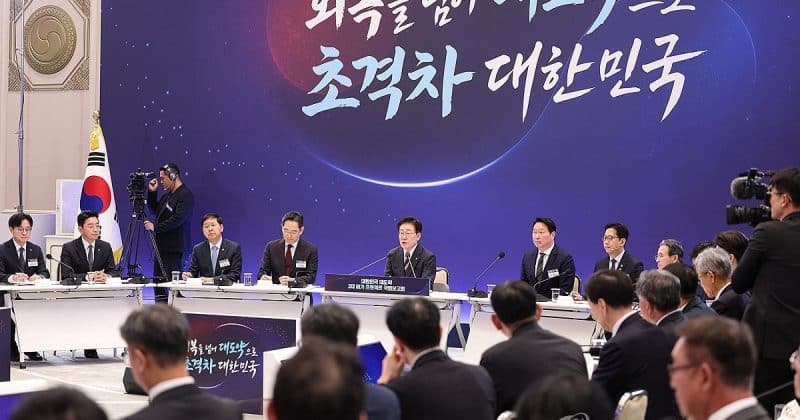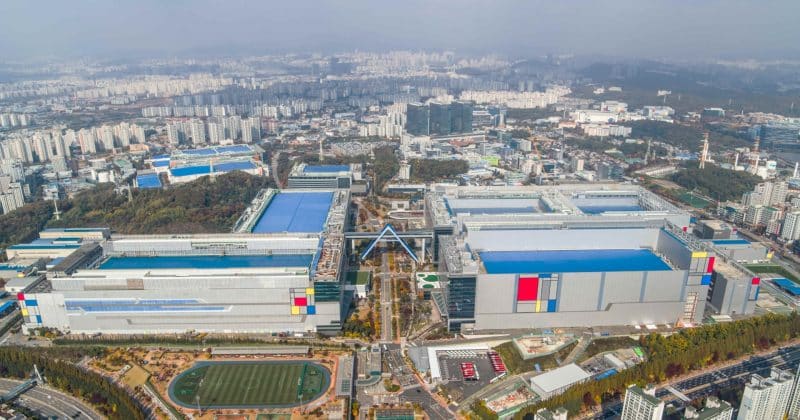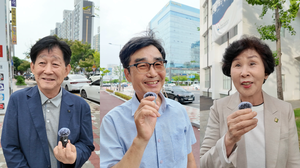
A banner thanking the Lee Jae Myung administration and welcoming semiconductor investment from Samsung Electronics and SK hynix hangs on a street in Gwangju on July 1. (Tammy Park/The Korea Herald) GWANGJU — When the government announced plans for a whopping 800 trillion won ($519 billion) investment into building a new semiconductor belt centered on Gwangju and South Jeolla Province, the reaction in the region was not simply celebration.There was excitement, pride, but also hints of caution.Though initial debates largely revolved around why Gwangju was chosen, the conversation on the ground had already shifted to the practical realities of making such an ambitious project happen. I think the location was chosen well. Hong Seong-jook, 73, writer and painter “I was happy when I first heard the news,” said Hong Seong-gook, a 73-year-old writer and painter who has lived in Gwangju for more than 40 years. “People say semiconductors are the food of the future. If oil brought prosperity to the Middle East, maybe semiconductors can do the same for us.”For Hong, the project also carries symbolic weight. He sees it as long-overdue recognition for a region that has contributed significantly to the country's history while receiving comparatively little economic investment in return."People in the Honam region have sacrificed a great deal for this country, even while facing disadvantages," he said. "This is good not only for our region, but for national unity." Writer and painter Hong Seong-gook sees the semiconductor investment as an economic opportunity and long-overdue recognition for the Honam region. (Tammy Park/The Korea Herald) "When it comes to semiconductors, the two most important things are water and electricity," said Ku Ja-hyung, a 54-year-old IT professional who has lived in Gwangju for more than 50 years. "As far as I know, the Jeolla region has surplus electricity. Looking purely at location, Gwangju and South Jeolla are probably among the best places."According to the Korea Electric Power Corp., the Gwangju-South Jeolla region generated 72.8 terawatt-hours (TWh) of electricity last year while consuming 43 TWh, meaning it produces about 1.7 times more electricity than it uses. The region is also home to the Hanbit Nuclear Power Plant and some of the country's largest renewable energy projects, factors the government has repeatedly cited as key reasons for locating the new semiconductor hub there."I expected it," Hong added. "Jeolla Province has wind power, solar energy that can generate clean electricity and abundant water resources. I think the location was chosen well." Apartment complexes under construction in Gwangju's Advanced Complex 3 District, which has been widely discussed as a potential site for the proposed semiconductor manufacturing complex. (Namdo Ilbo) It doesn't really mean much to me. Kim Tae-ho, 24, aspiring nurse Despite the attention surrounding the announcement, many residents approached by The Korea Herald appeared largely indifferent, saying they knew little about the project or simply did not care. Others said it still did not feel real."People haven't really grasped the reality of it yet because nothing has changed before our eyes," Ku explained, saying the project would likely unfold over decades. "I think people will only begin to feel it once the project is actually underway."For younger Gwangju residents like 24-year-old university student Kim Tae-ho, the announcement also felt distant."I don't plan on working in the semiconductor industry," he said. "So it doesn't really mean much to me."While he believes the project could bring some economic benefits by attracting more people to the city, he questioned how much it could ultimately change Gwangju."Gwangju is a small city," he continued. "There are probably limits to how much it can grow." Honam has long been known for its clean environment.I'm worried we could lose some of that. Koo Kyoung-sook, 68, rice cake shop owner Another reason the project has generated so much attention is that it coincides with the July 1 launch of the Jeonnam-Gwangju Special City, created through the merger of Gwangju and South Jeolla Province. The administrative union is intended to give the region greater economic scale and bargaining power to compete with the Seoul metropolitan area.For 68-year-old Koo Kyoung-sook, who runs a traditional fermented rice cake shop in Hwasun County, the project is part of a much bigger transformation. She sees the semiconductor investment as an opportunity for the entire Honam region, not just Gwangju. Still, she expressed concern about its environmental impact."Honam has long been known for its clean environment," Koo said. "I'm worried we could lose some of that. Still, I'm happy that young people in our region don't have to leave and can stay here instead. I see that as a huge positive." Koo Kyoung-sook welcomes the investment for the opportunities it could bring young people but hopes the region's clean environment will be preserved. (Tammy Park/The Korea Herald) Chae Seung-hee, a pharmacist and mother of two, shared a similar hope for the next generation. "In the past, hardly any parents wanted their children to stay in the region," she said, reflecting a long-standing perception that opportunities for education, careers and a better quality of life are concentrated in the Seoul metropolitan area."I hope that by the time my children are adults, they'll be able to stay in this region while still having plenty of opportunities to pursue the careers and lives they want." I hope that by the time my children are adults, they'll be able to stay in this region while still having plenty of opportunities. Chae Seung-hee, 48, pharmacist A new sign labeled "Jeonnam-Gwangju Special City Hall" is installed at Gwangju City Hall on July 1, the first day of the new administrative union. (Yonhap) A speaker addresses attendees during the launch ceremony for Jeonnam–Gwangju Special City on July 1, which also celebrated the government's semiconductor investment. A presentation on the screen illustrates a three-way partnership between the Special City, the government and private companies, alongside the slogan, "Jeonnam and Gwangju will build the AI-era semiconductor valley of the future." (Tammy Park/The Korea Herald) Will it work?"When people in Seoul think about moving somewhere else, they hesitate because of two things," Ku said. "'How will I educate my children?' and 'Will I be able to live a culturally fulfilling life?'"Without improvements in education, cultural amenities and overall quality of life, he warned, many workers could end up becoming "weekend couples" who live apart from their families during the workweek and return to their Seoul home on weekends.Ku argued that Gwangju already offers affordable housing, good transportation and a high quality of life, but said the city still needs to do more to make itself an attractive place to build a long-term future."It's not enough to build apartments and expect people to come," he said. "People need reasons to want to live here."Others expressed concerns about political uncertainty. While some believed the government's involvement signaled a stronger commitment to the project, others worried that its long-term success could depend on whether future administrations continue to support it."The project will take a very long time," said Chae. "If the current Democratic Party administration remains in power until the project is completed, I think it'll likely continue," she said. "But you never know what will happen. Depending on the direction the next administration takes, things could change, and that worries me.""Politicians often make grand promises, but they fizzle out," said Chung Young-mo, a longtime Gwangju resident. "Gwangju has long felt overlooked, but this announcement has finally given people something to believe in. I just hope this time will be different." Chung Young-mo believes the project could revitalize Gwangju but says its success will depend on whether the promises are ultimately fulfilled. (Tammy Park/The Korea Herald)
Hope, skepticism and cautious optimism: What Gwangju residents think about Korea's W800tr chip bet
GWANGJU — When the government announced plans for a whopping 800 trillion won ($519 billion) investment into building a new semiconductor belt centered on Gwang
1,267 words~6 min read