Story audio is generated using AI
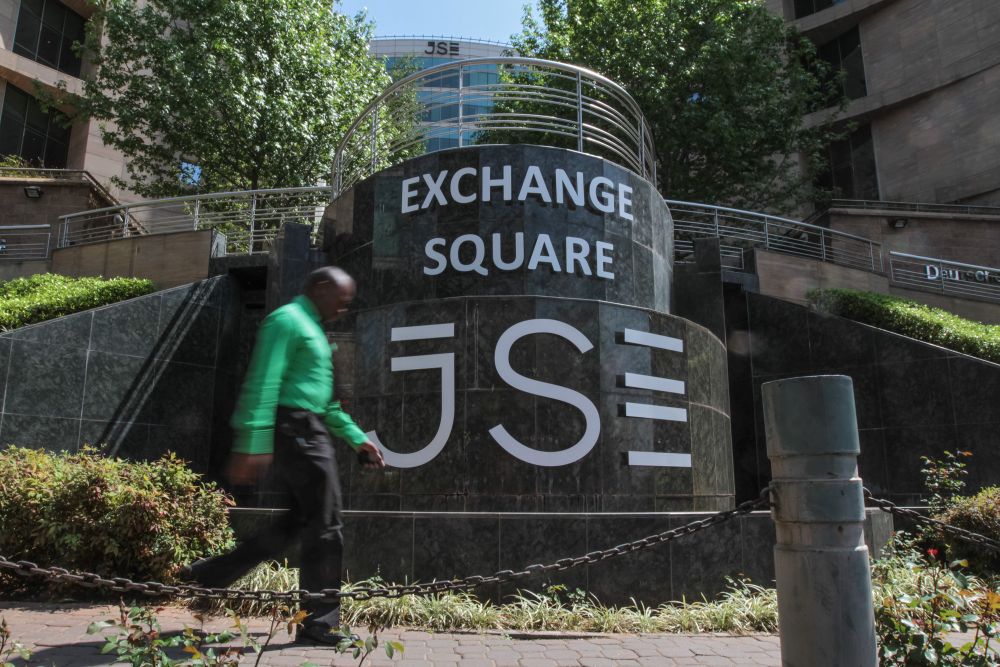
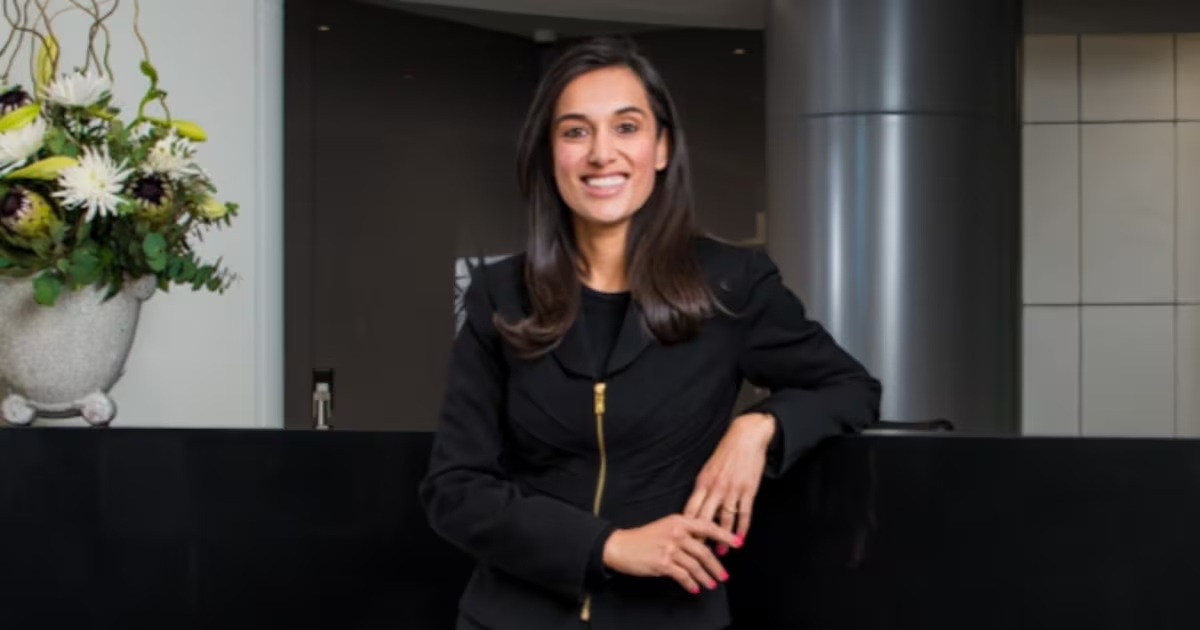
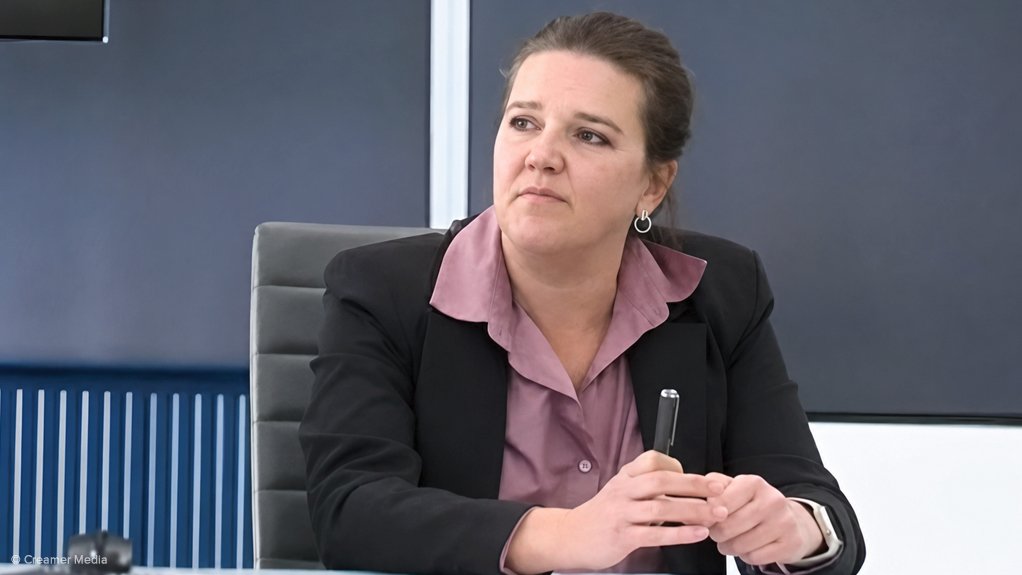
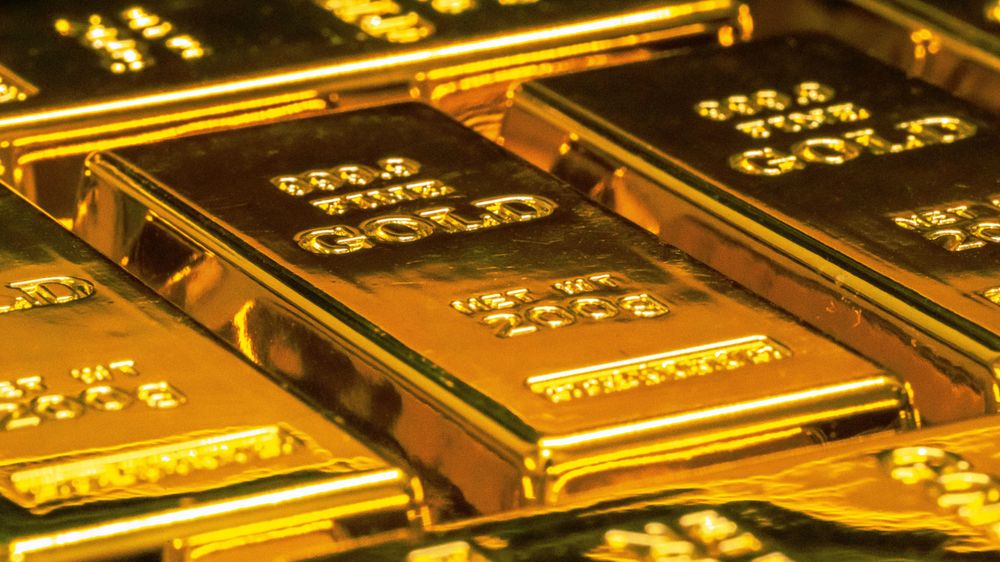
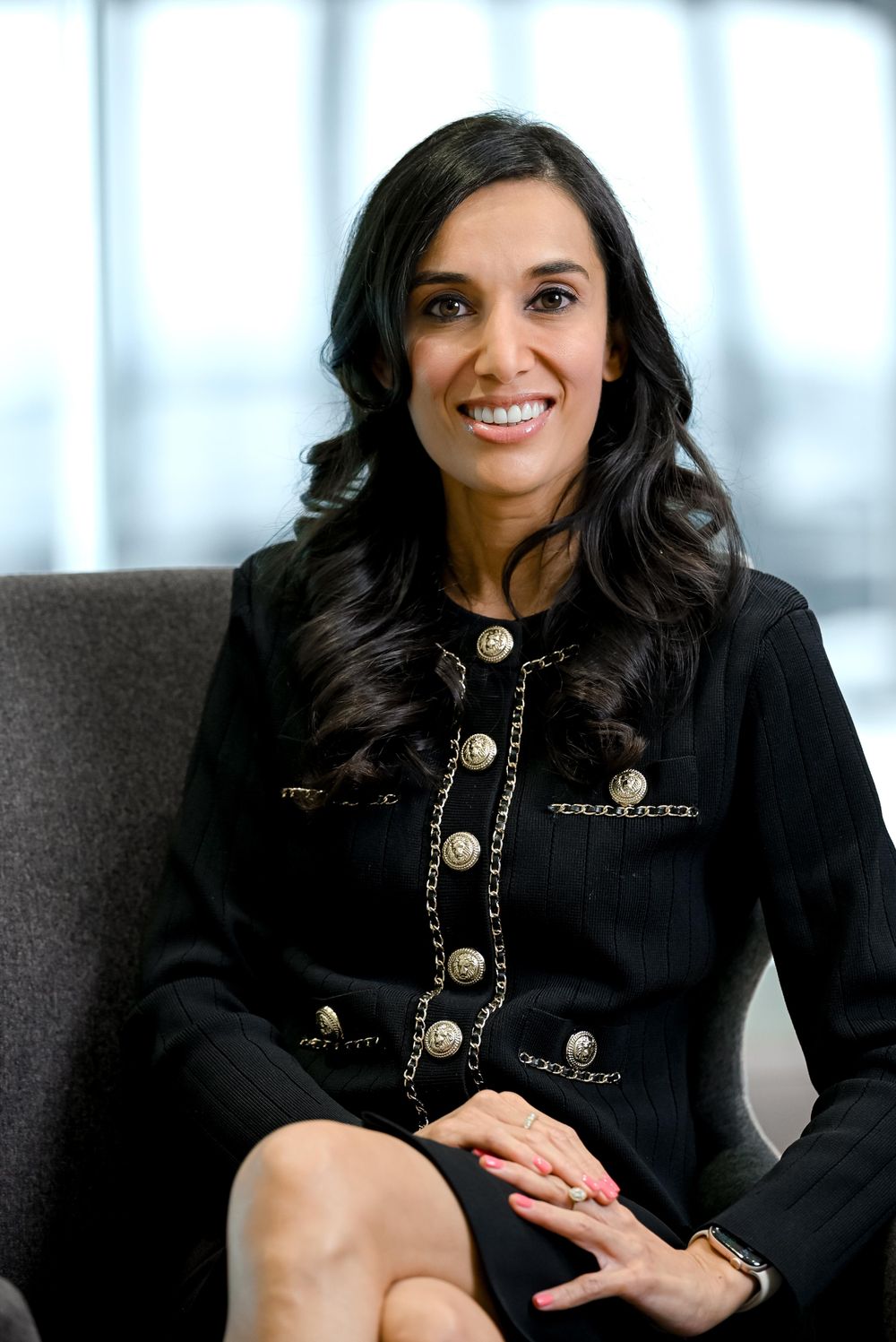
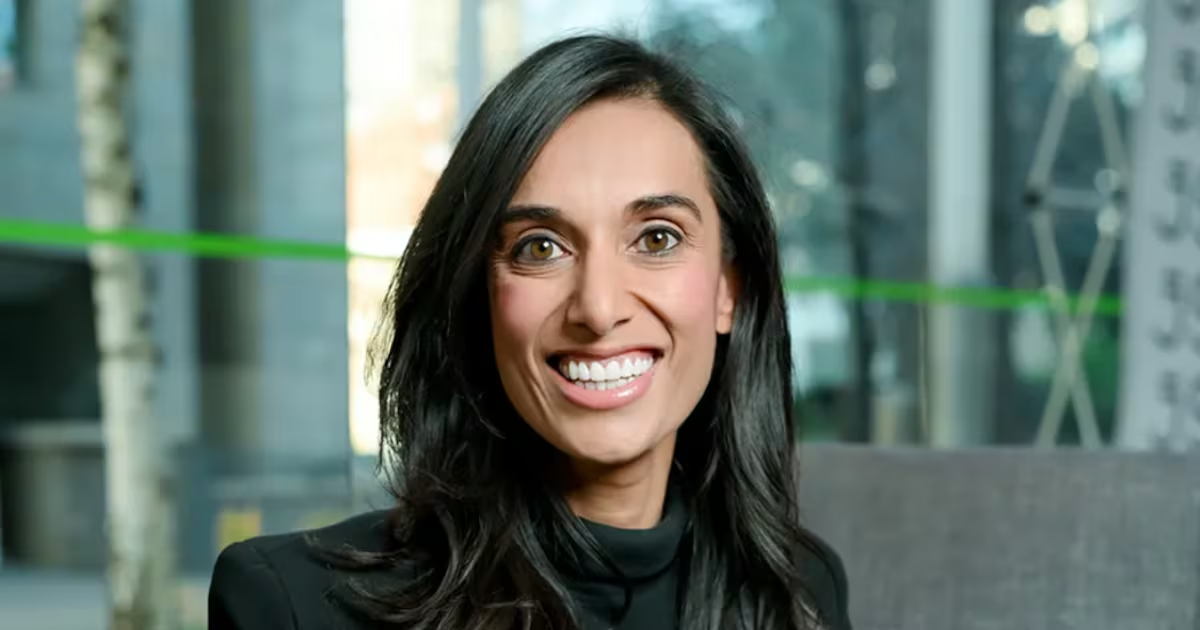
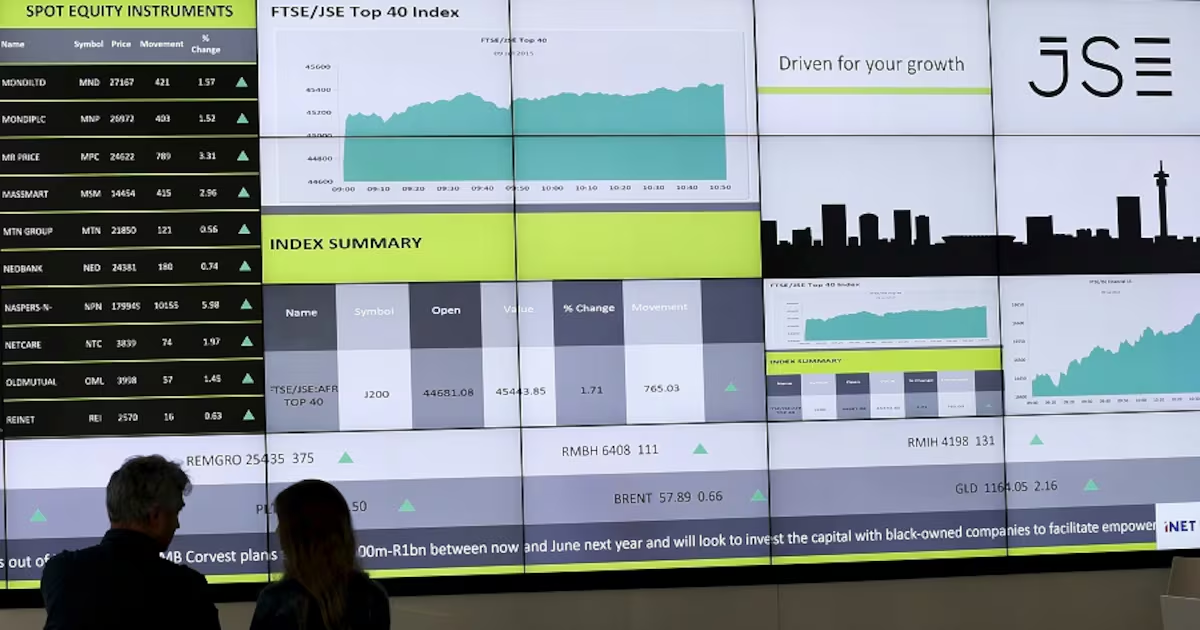
The discovery of gold in South Africa in the 1880s created a lot of instant wealth. This wealth had to find a home to grow and find expression. The establishment of the Johannesburg Stock Exchange (JSE) in 1887 was the platform for gold mining companies to raise capital to make the most of South Africa’s first gold rush. And history tells its own story on how successful an endeavour this has been. While South Africa is no longer the world’s largest producer of gold, having ceded this status to China, which accounts for about 10% of total global production, the JSE has only grown stronger.Looking at the bourse today, it’s hard to imagine it as a start-up forged in a humble miner’s tent 139 years ago. The exchange, Africa’s largest, has continued to evolve and innovate through the years.When the JSE Ltd, the operator of the JSE, listed its own shares in 2006, the companies listed on the bourse had a market capitalisation of R5-trillion.The listing, led by the then CEO Russell Loubser, was seen as a move to reinforce its commitment to transparency, accountability and governance while positioning the organisation for its next phase of growth.And growth followed. Today, the bourse sits with a market capitalisation of about R25-trillion and is a symbol of South Africa’s deep capital markets.2006 was in many respects a watershed year for the exchange, appropriately located in Sandton, Africa’s richest square mile. The listing of JSE Ltd marked the bourse’s evolution from a member-owned organisation to a publicly listed company. Today it is worth R13.5bn, up 71% over the past three years.The JSE’s listing 20 years ago was more than a corporate milestone; it was a statement of confidence in the principles that underpin strong and trusted markets— Valdene ReddyThe share price has surged more than sixfold since listing, rising from R24.25 in 2006 to R156 at market close on Friday. Two decades after listing, the JSE is again evolving. This time under new CEO Valdene Reddy, the third successive woman to lead the company — a rare occurrence not only in corporate South Africa but globally.Reflecting on the 20th anniversary, Reddy said that by subjecting itself to the same regulatory and governance standards expected of every listed company, the JSE strengthened confidence in South Africa’s market infrastructure and aligned itself with leading global exchanges.“The JSE’s listing 20 years ago was more than a corporate milestone; it was a statement of confidence in the principles that underpin strong and trusted markets,” Reddy said in a statement.“By holding ourselves to the same standards expected of every listed company, we reinforced the integrity of our market and laid the foundation for sustainable growth. Over the past two decades, we have built a more diversified, resilient and globally connected exchange that continues to play a critical role in mobilising capital, supporting business growth and enabling investment into South Africa.”The stock exchange is proud to be among the world’s top 20 exchanges by market capitalisation. It says it currently hosts 59 inward listings with a combined market capitalisation of about R16-trillion, representing about 68% of total market value on the exchange. These companies span Europe, Africa, the Americas, Asia and Australia, deepening market liquidity, broadening investor choice and strengthening South Africa’s connectivity to global capital flows.“The exchange has continued to diversify and modernise its markets over the past two decades. Today, it operates a multi-asset marketplace spanning equities, bonds, derivatives, commodities and currencies, supporting both capital raising and risk management across the economy. This diversification has enhanced market resilience and ensured relevance across changing economic and investment cycles,” the JSE statement said.Reddy follows a long list of leaders who have helped cement South Africa as the continent’s go-to capital markets destination. Her predecessor Leila Fourie left an indomitable mark in her tenure — the combined market capitalisation of JSE-listed entities stood at R12.6-trillion when she moved into the corner office in 2019, and it is now about double that. Fourie capped her stay with a R1bn profit — a record for the company. The past 30 years have not been plain sailing for the bourse, which has halved in size following an exodus of listings. To stop the bleed, the JSE has embarked on far-reaching reforms — chief among these is simplification project, which had divided the main board into two, catering to the different needs of large and smaller companies “The next chapter of the JSE’s journey will be shaped by innovation, partnership, and execution,” said Reddy. “Our purpose remains clear: to connect capital with opportunity. By continuing to evolve our markets, strengthen our infrastructure and broaden participation, we can help unlock growth, support economic development and ensure South Africa remains competitive in an increasingly dynamic global economy.”