8.0 What Engine Means
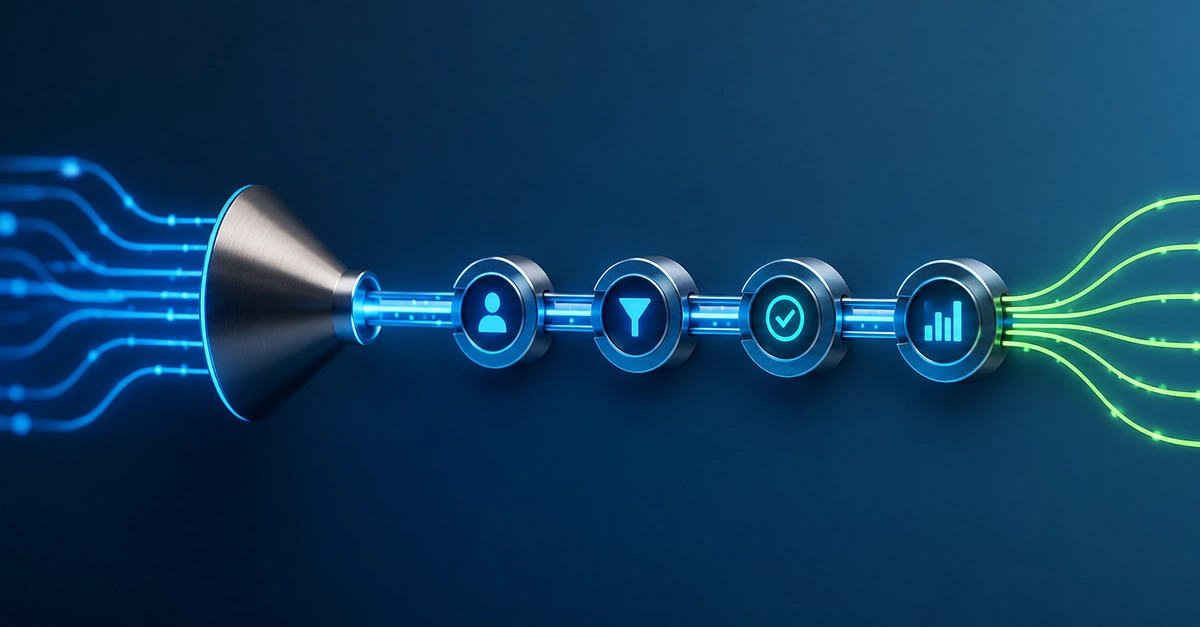
The Engine stage begins when a B2B Enterprise company has a repeatable wedge - a defined ICP, a sales motion that closes deals without the founder in every conversation, and a product that delivers value reliably to customers who match the pattern - and ends when the company has built a system that can compound that repeatability across multiple segments, multiple channels, and multiple product lines without the system itself becoming the constraint. Most companies enter this stage somewhere between $3M and $5M in annual recurring revenue. Most exit it somewhere between $20M and $30M. The exit is not defined by the revenue number. It is defined by whether the company has built an actual engine - a set of interlocking systems for product, marketing, sales, and customer success that produce predictable output without heroic individual effort - or has accumulated a large team running on the same founder-driven energy that worked at Wedge.
This is the stage where the CPMO seat genuinely exists for the first time, where the title appears on org charts, and where the structural challenges of the role become visible. It is also the stage where most CPMOs are first hired from outside. The founder-CPMO of the Founding and Wedge stages has either grown into the role and remains accountable for it, or has handed it to a hired executive and stepped back to focus on company-building, capital, and the other CEO functions that now demand full attention. Either path is viable. The path that does not work - the founder who claims to have hired a CPMO but continues to operate as one - produces the failure mode this chapter spends most of its energy describing.