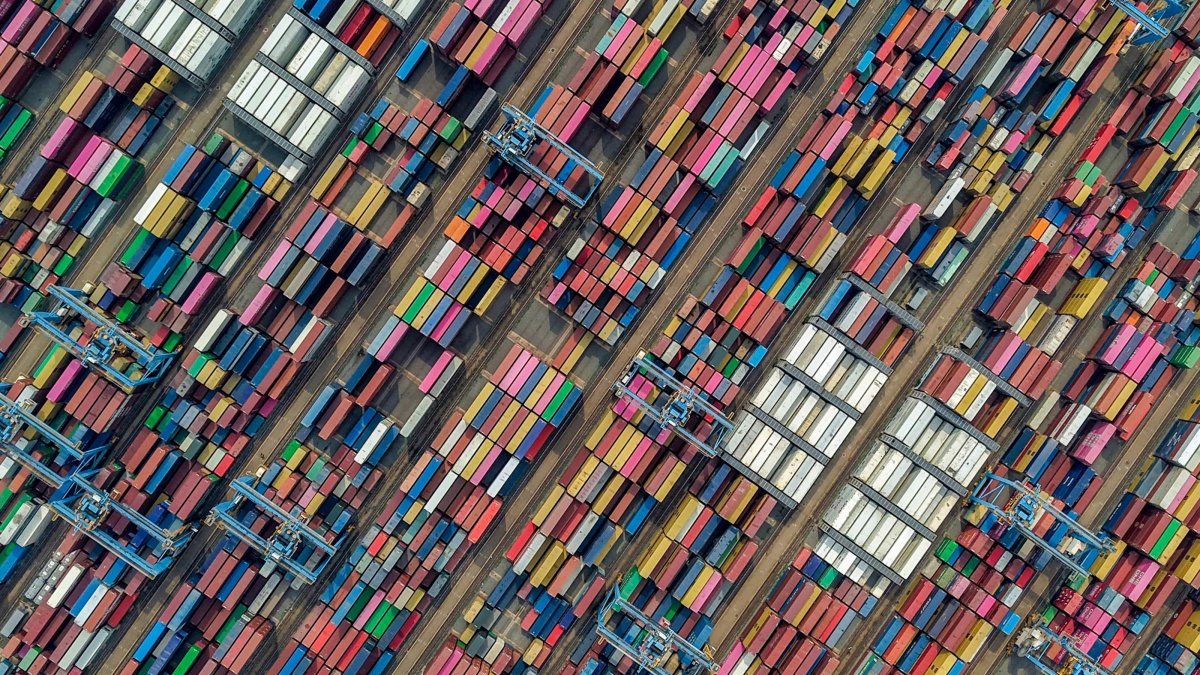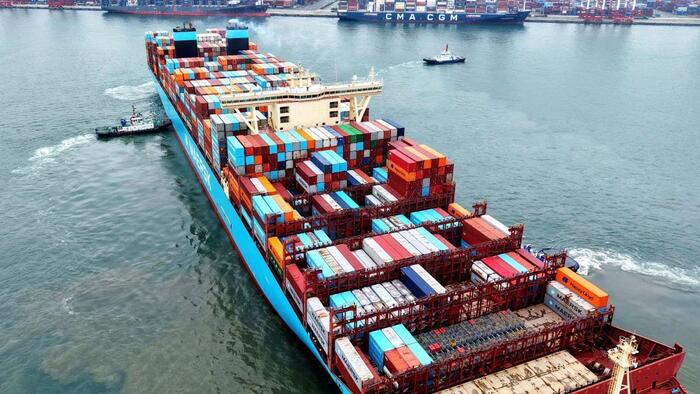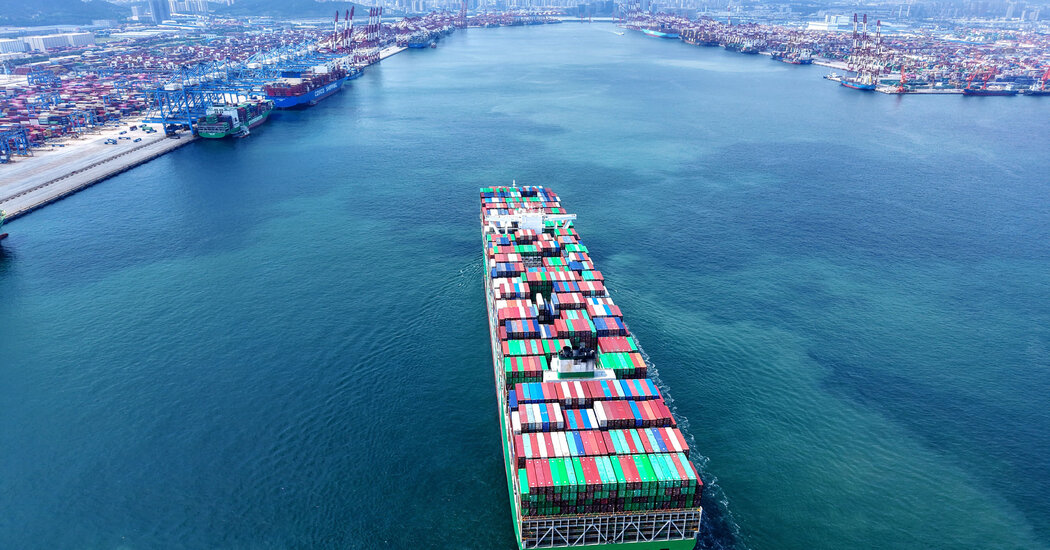
Chinese logistics specialists are expanding in the US, developing sprawling end-to-end distribution networks that help merchants in their home market cut costs and minimize tariff exposure, according to industry experts.
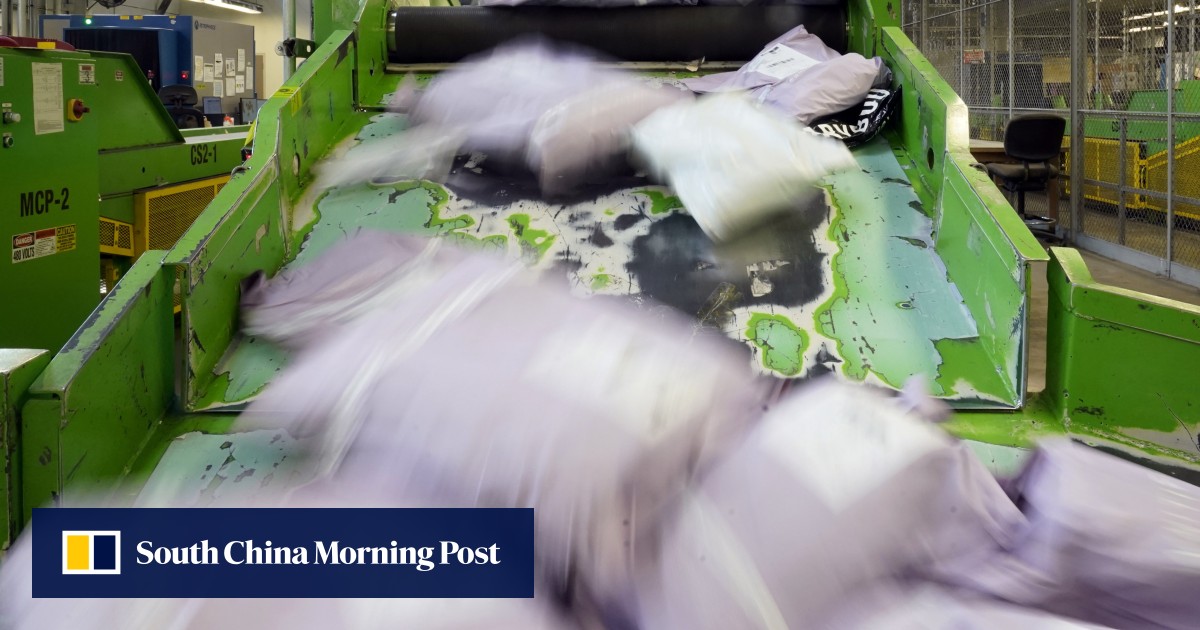
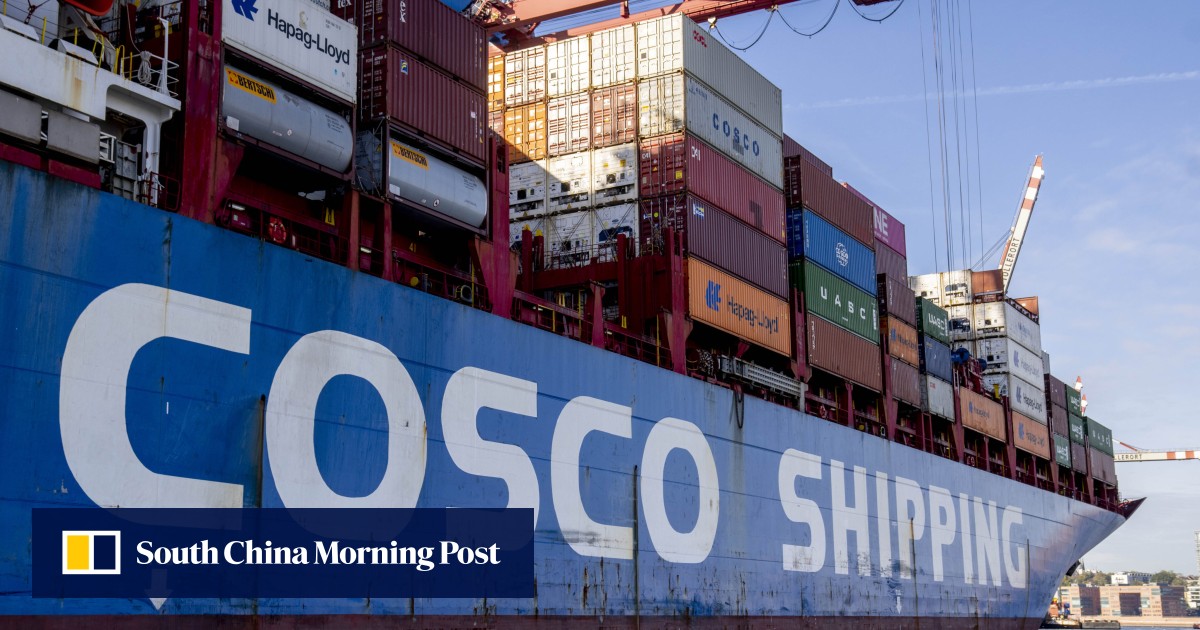
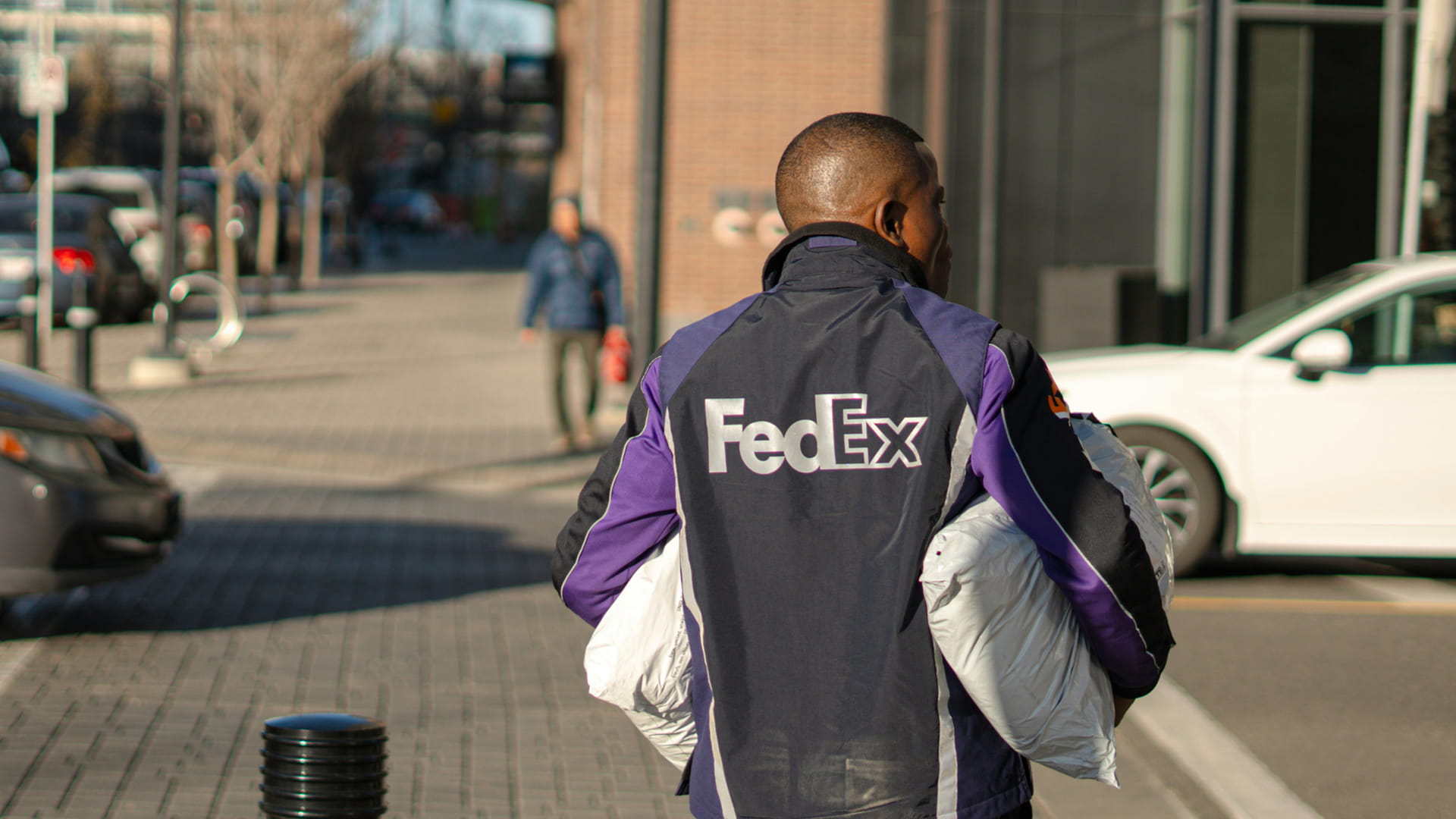
More of the products Americans buy from Chinese bargain e-commerce platforms like Temu are now shipped by Chinese freight companies, warehoused in US facilities owned or leased by Chinese entities, and delivered by Chinese-backed “last mile” carriers.
“Chinese companies are moving downstream in the e-commerce process,” Yao Jin, an associate professor of supply chain management at Miami University in Oxford, Ohio, told Nikkei Asia. “They look at the net outcome and distribute profit, cost and risk across all members of the supply chain.”
The growth of the Chinese distribution networks accelerated last year, after US President Donald Trump ended the so-called de minimis exemption, which allowed international shipments worth up to USD 800 to enter the country duty-free.
E-commerce platforms like Temu and Shein were forced to adapt. Temu responded by stepping up bulk shipments of its best-selling products to US warehouses and fulfilling more orders from those facilities, rather than shipping individual parcels from China as it had when the “de minimis” exemption remained in force.