The tech industry is littered with the ghosts of failed migrations—multi-year rewrites that burned through millions in budget only to be scrapped, or catastrophic IT shifts like the British bank TSB's migration that resulted in the corruption of 1.3 billion customer records. For organizations still relying on legacy AngularJS (v1.x), the pressure to modernize is not just a desire for developer convenience—it is a critical business and cybersecurity imperative. AngularJS has been officially in End of Life (EOL) status for years. Every day that passes without security patches and official support introduces massive risk to enterprise systems.
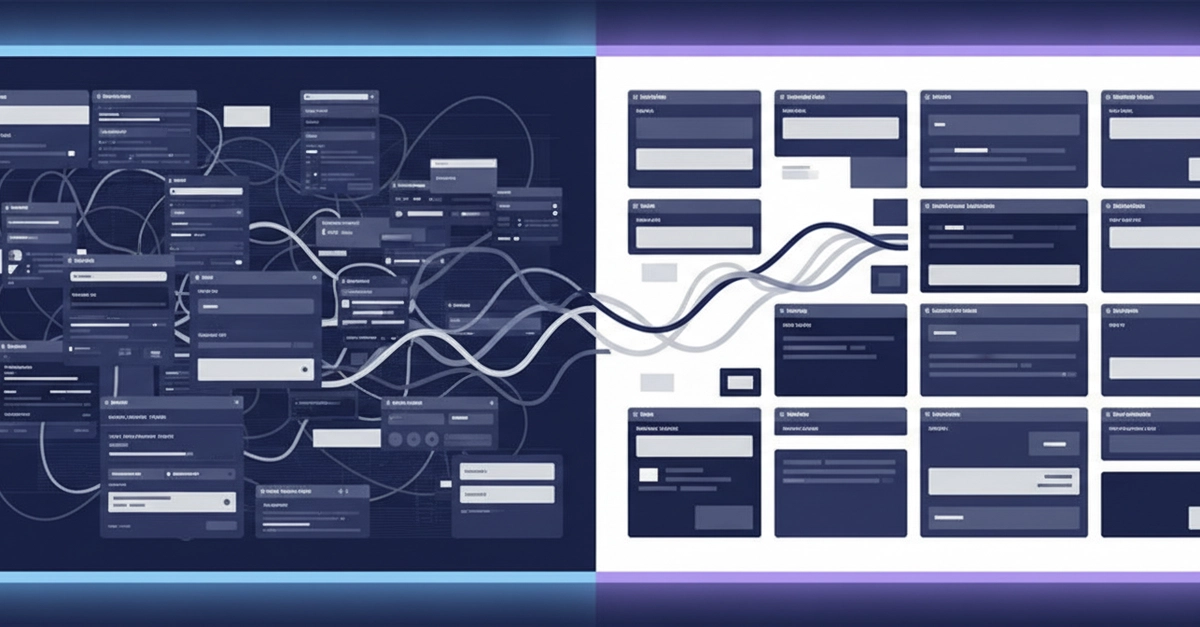
Yet, the idea of refactoring a massive, monolithic enterprise application from the ground up rightfully induces panic in product managers and engineering leaders alike. It is a cliche story, albeit very important: feature development grinds to a halt for months, the business grows frustrated, and by the time the "new" application is finished, enthusiasm for the project has shrunk and requirements have shifted.
But there is a way to thread the needle of ever-changing business requirements and legacy technical debt.
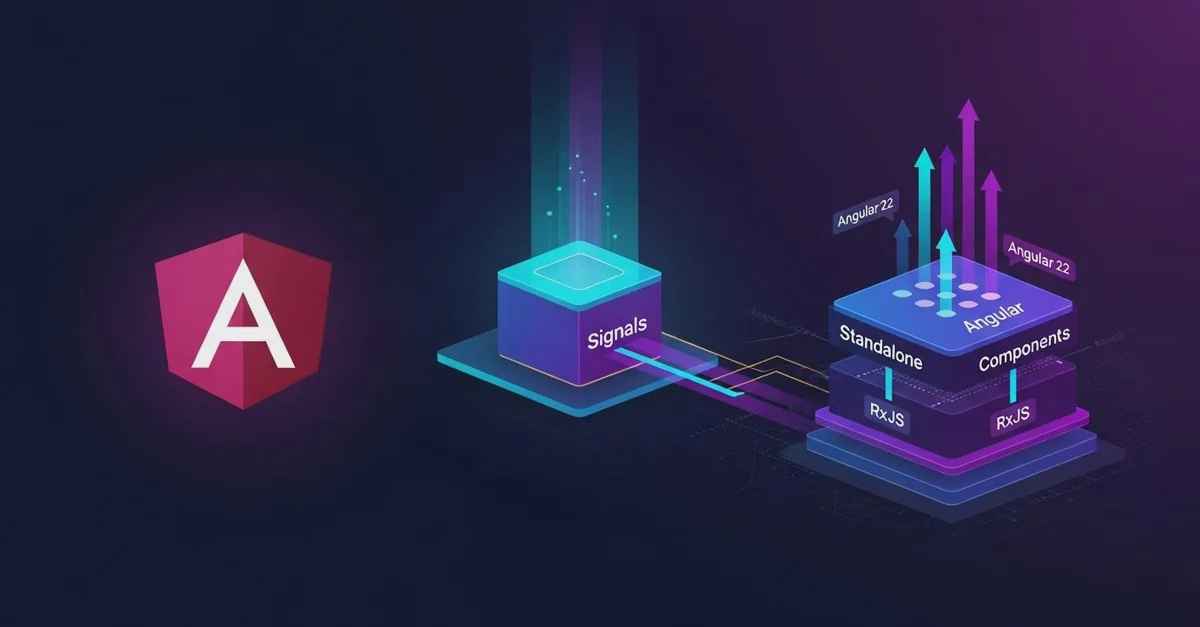
The path to the highly performant, modern Angular v22 (released June 2026) does not require a risky "Big Bang" rewrite. Using a strategic, incremental, hybrid approach, you can migrate your legacy application piece by piece while continuously delivering business value.