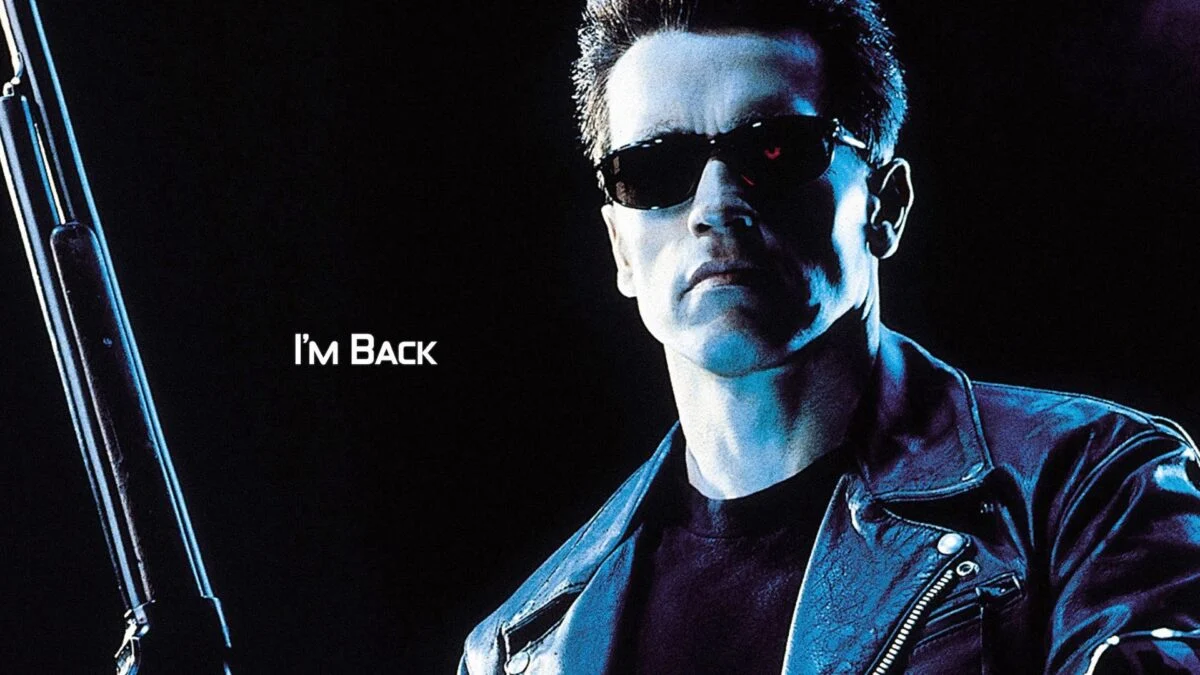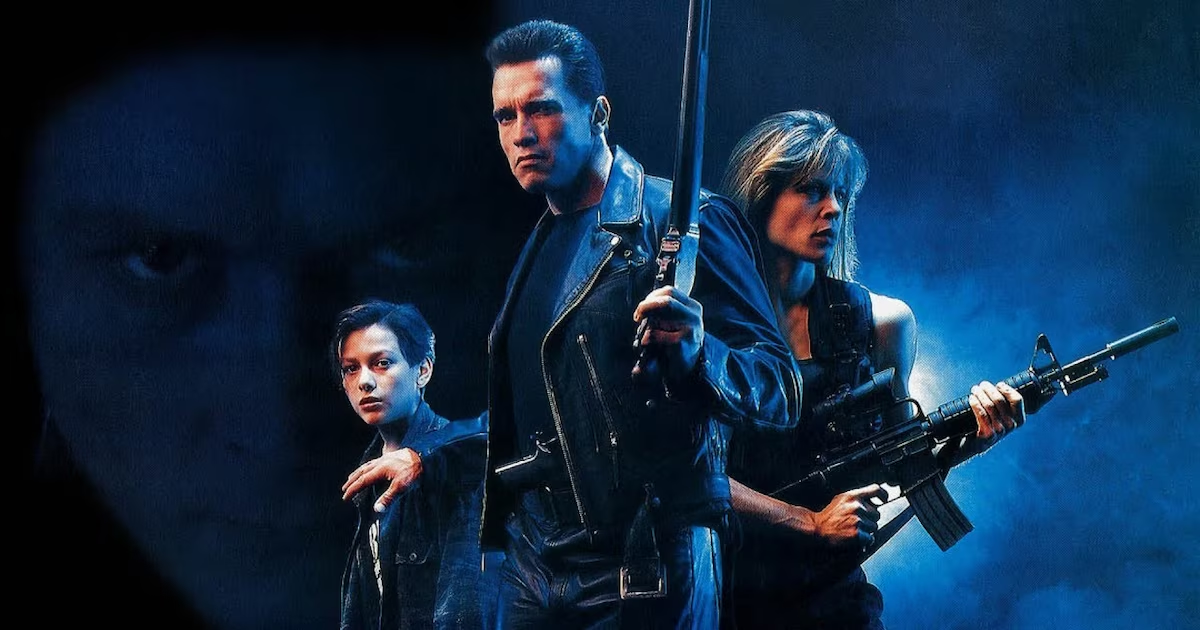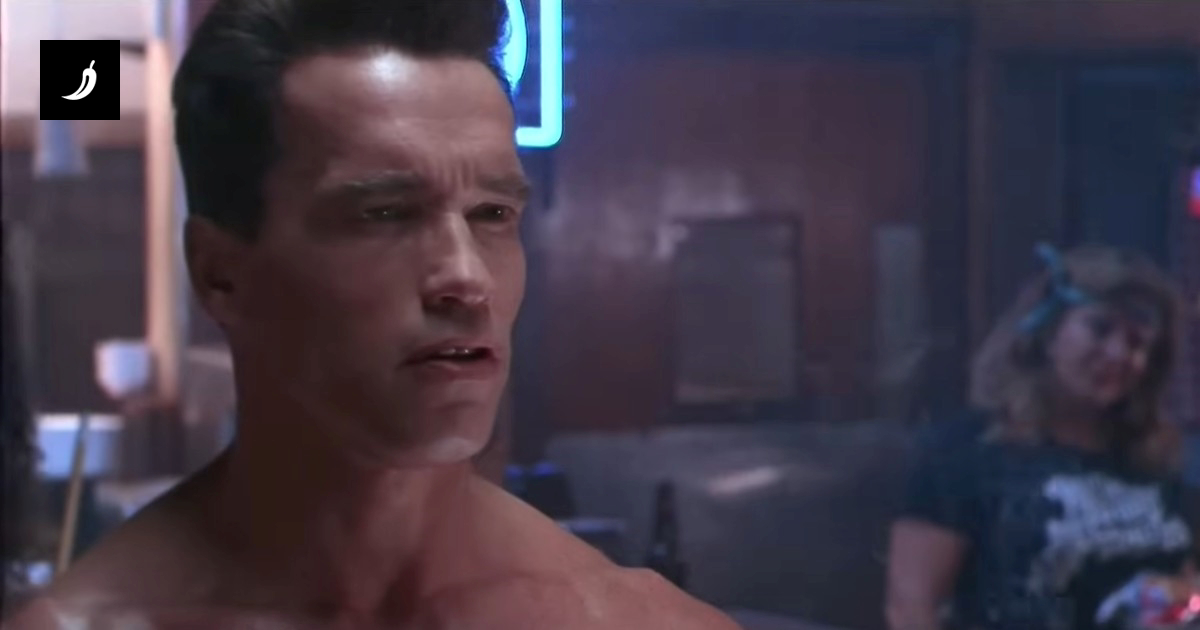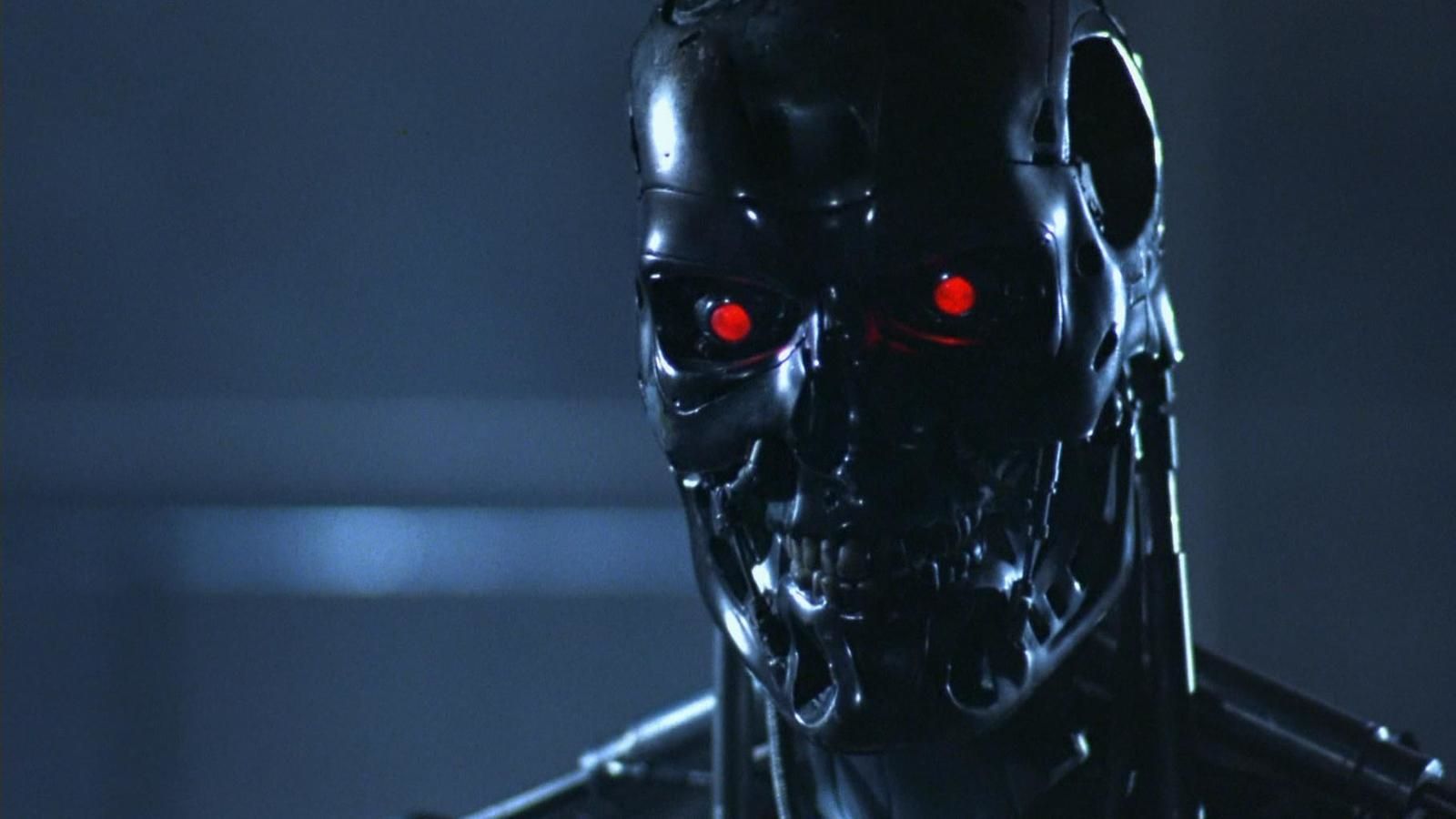
(Image credit: Cinema '84)
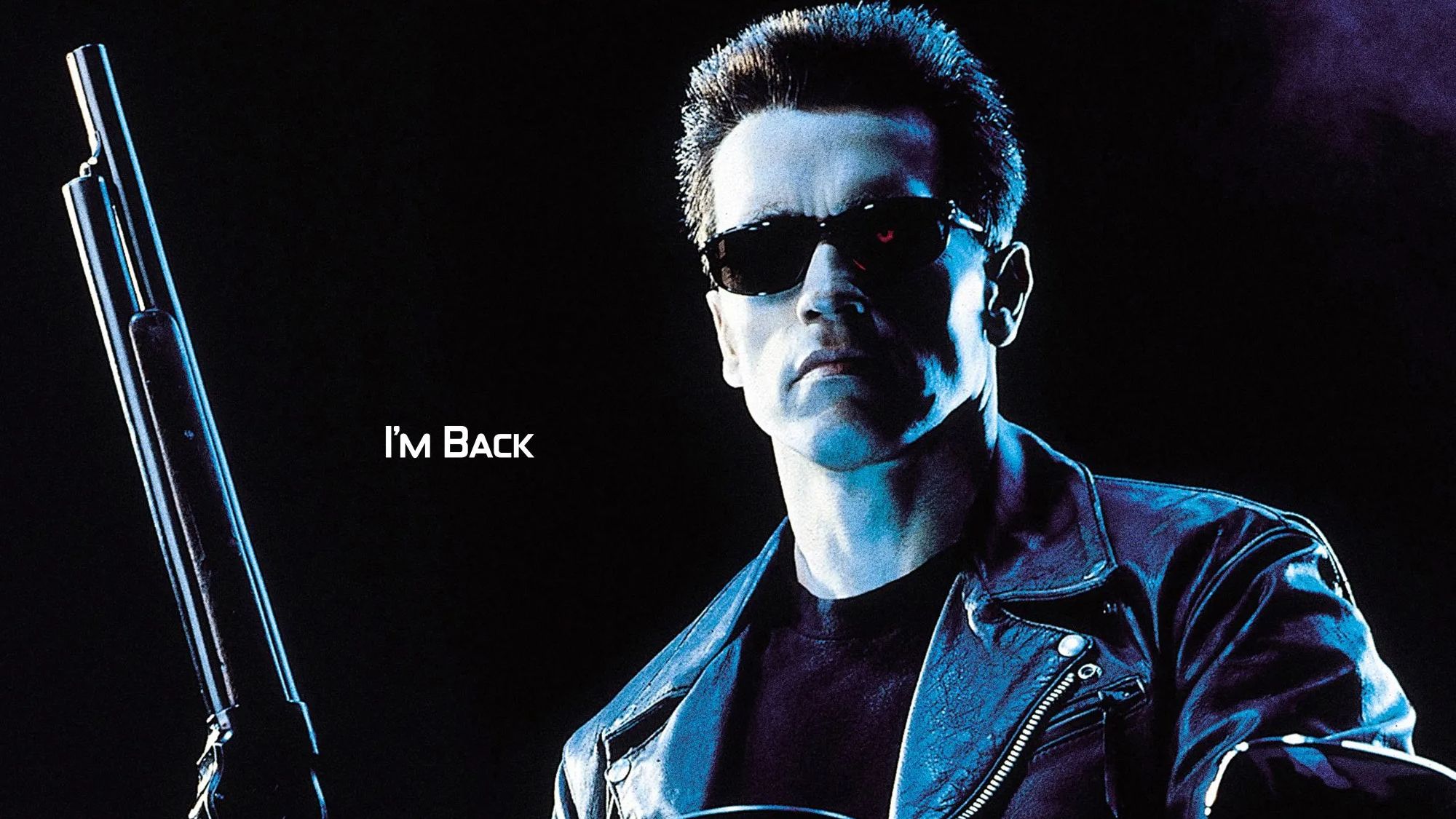
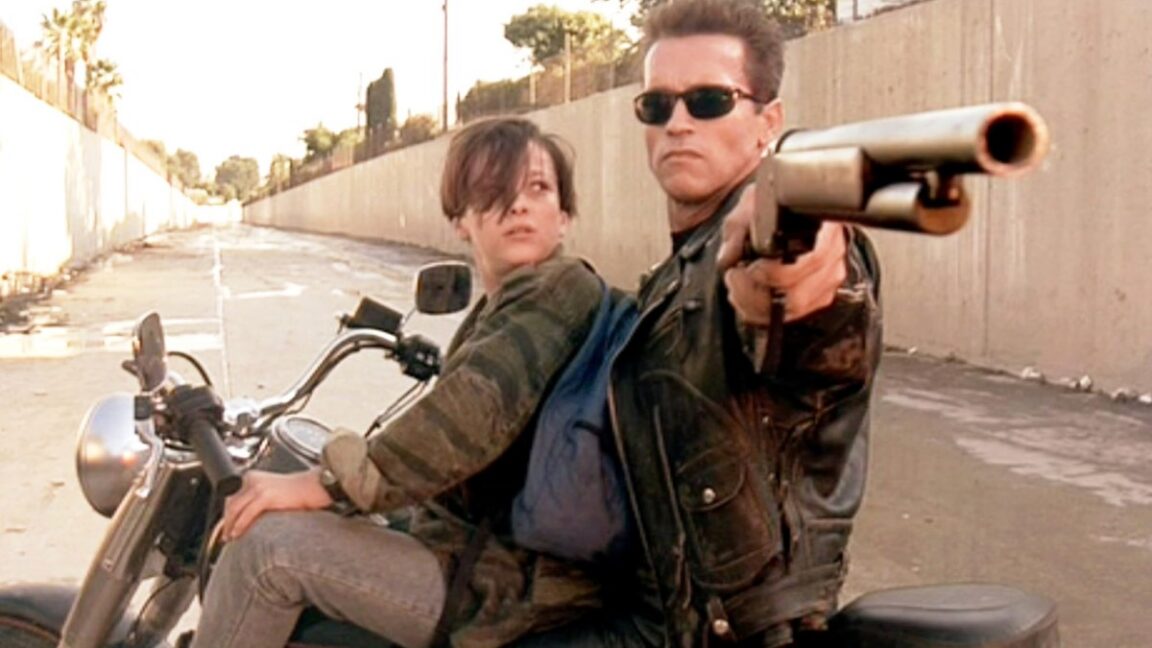
For a franchise where the main hook is time travel, "Terminator" probably wishes it could take us back in time… or just borrow the neuralyzer from "Men in Black" to wipe everybody's mind after everything post-1991. Now, as "Terminator 2: Judgment Day" turns 35 this month, we think it's time to call it: Terminator shouldn't be back.The decline of the "Terminator" franchise might be one of the greatest falls from grace ever seen in cinema. The first two movies established themselves as genre classics, combining heart-stopping action with futuristic sci-fi that explored the threat of AI bringing about an apocalypse.No one could get enough of the concept, with several clones such as Jean-Claude Van Damme's "Universal Soldier" and Mario Van Peebles' "Solo" copying James Cameron's homework and trying to ride its coattails. In the end, none of them were fit to lick the boots of Arnold Schwarzenegger's T-800. And as it turns out, neither were any of the subsequent Terminator sequels that followed.1991's "Terminator 2: Judgment Day" is one of the best sequels of all time, but it also wraps up the story perfectly in retrospect. It nearly ended there, too, as the franchise sat in limbo for the next decade, buried in legal battles and rights disputes.Cameron had plans for a third film, but he moved on to create "Avatar", leaving "Terminator 3: Rise of the Machines" to blast into theatres in 2003 without him. Is it an awful film? No, but it fails to do or say anything new. It's "a rusted robot compared to the first two films", as a fan referred to it in a Rotten Tomatoes review.