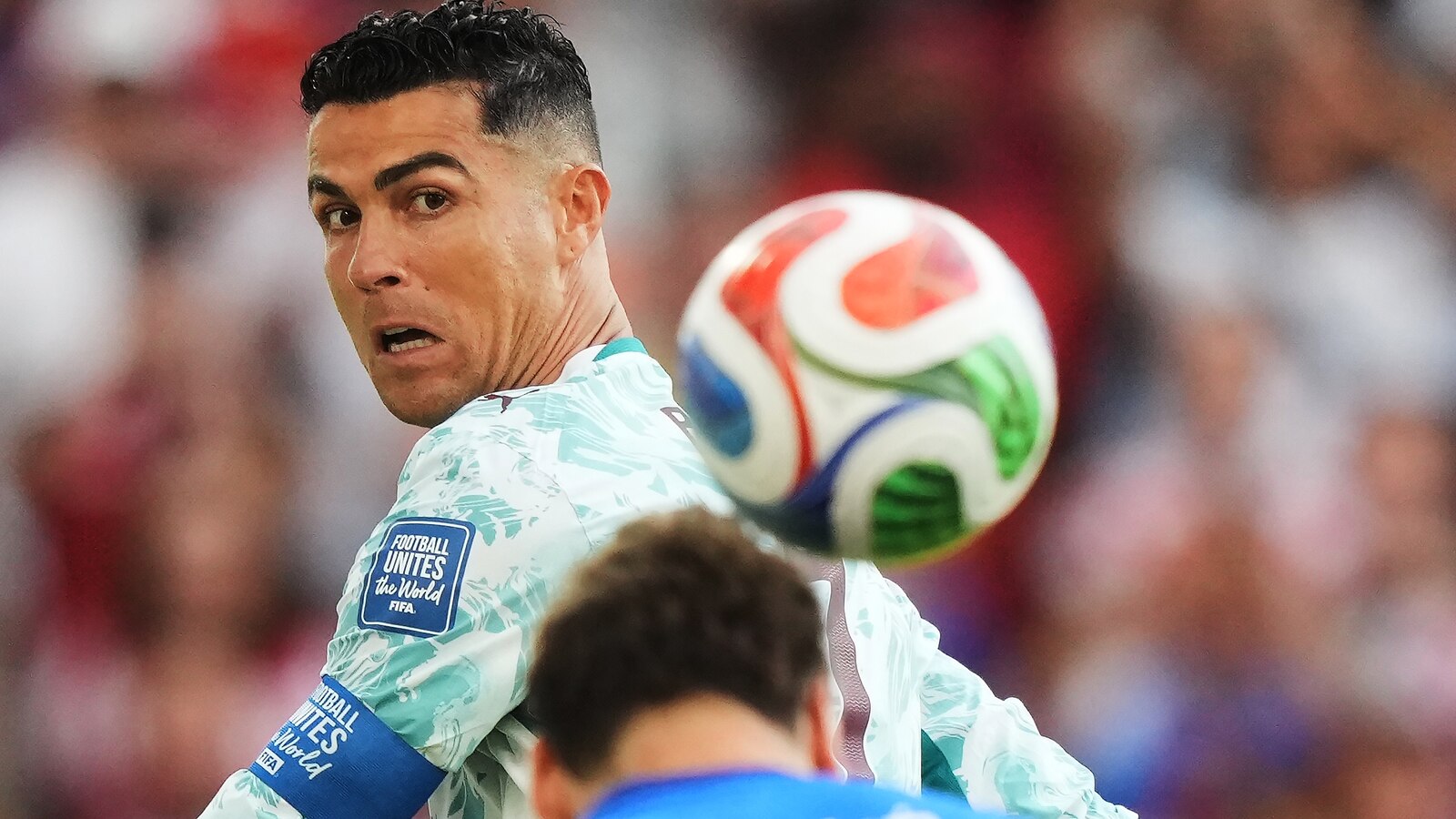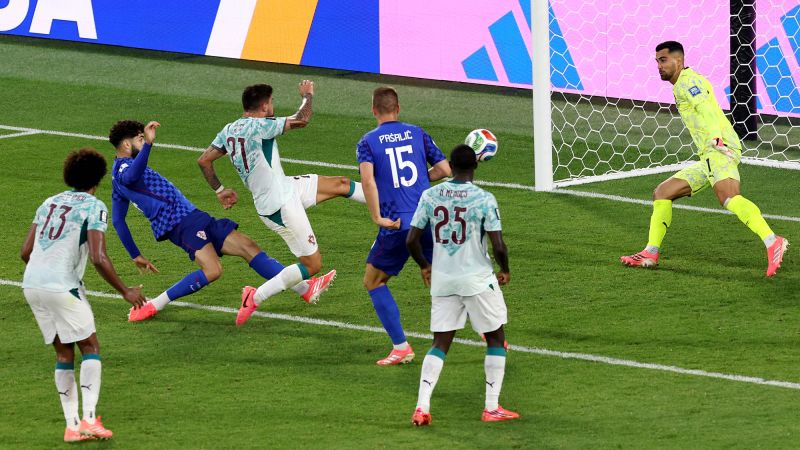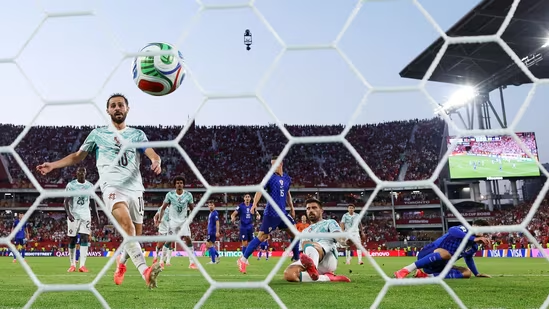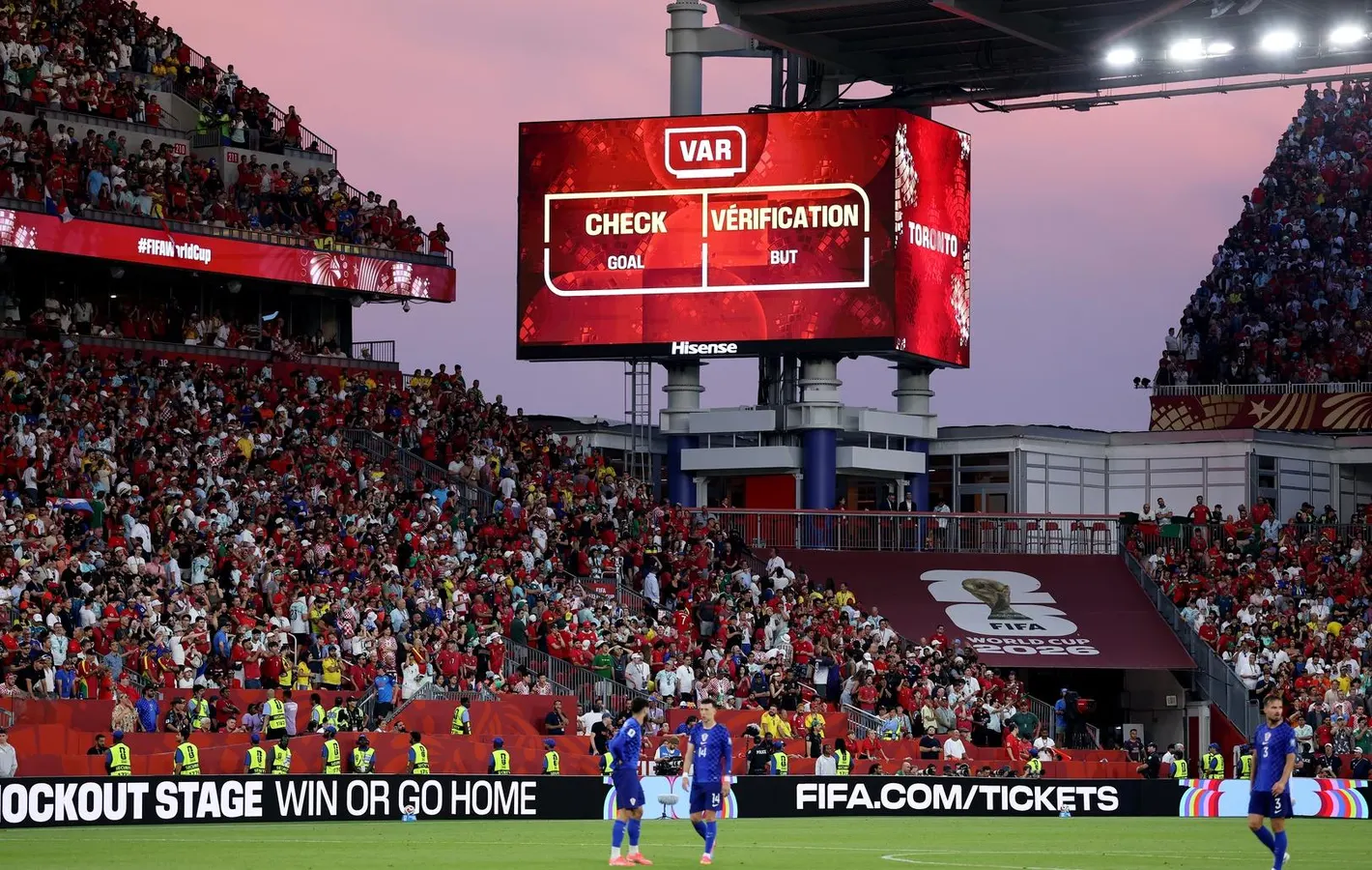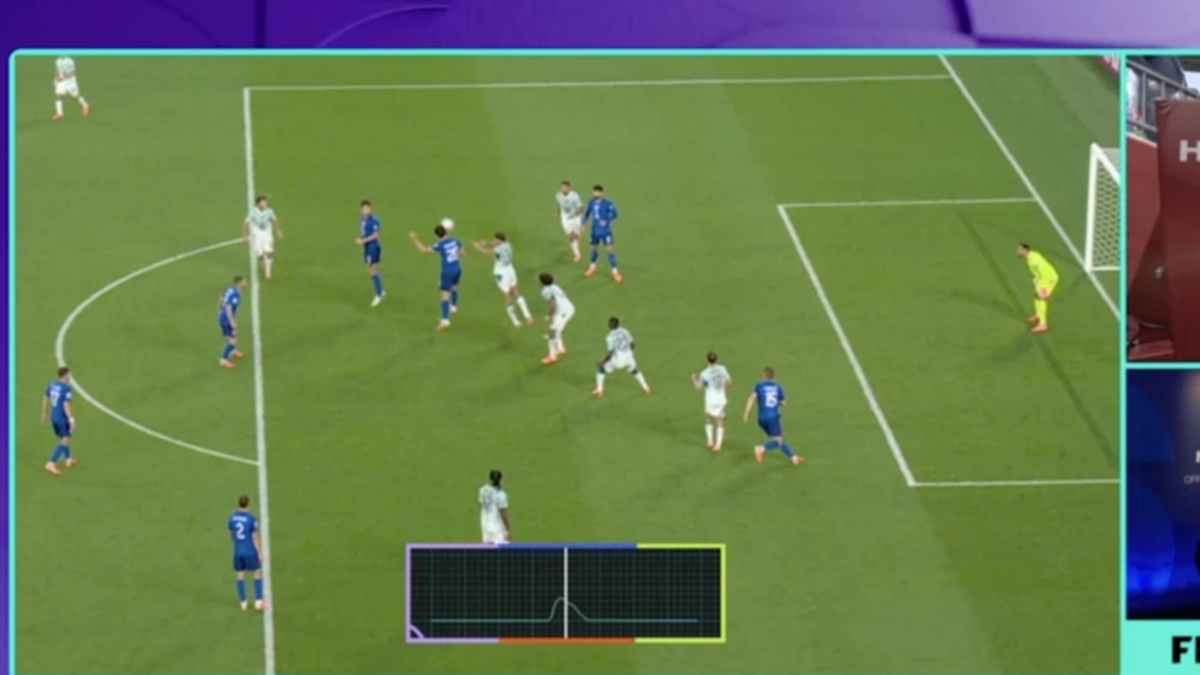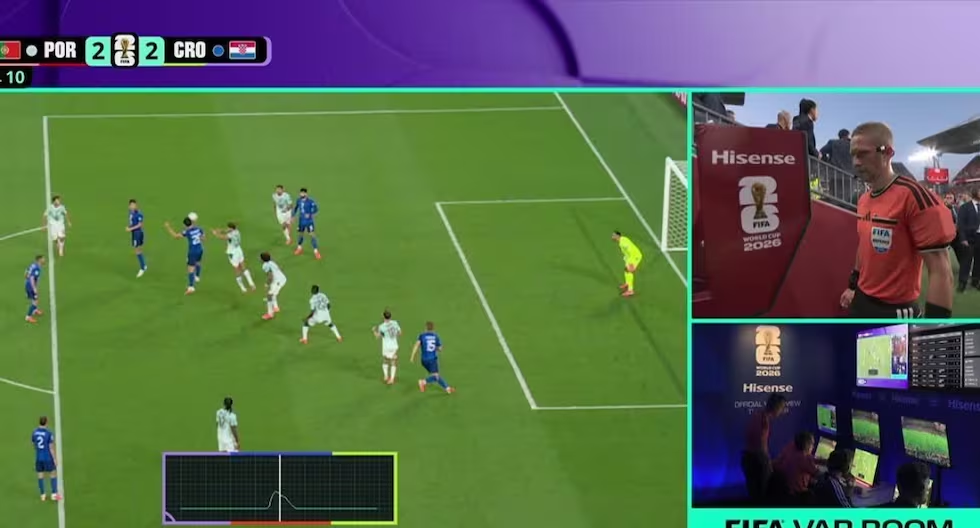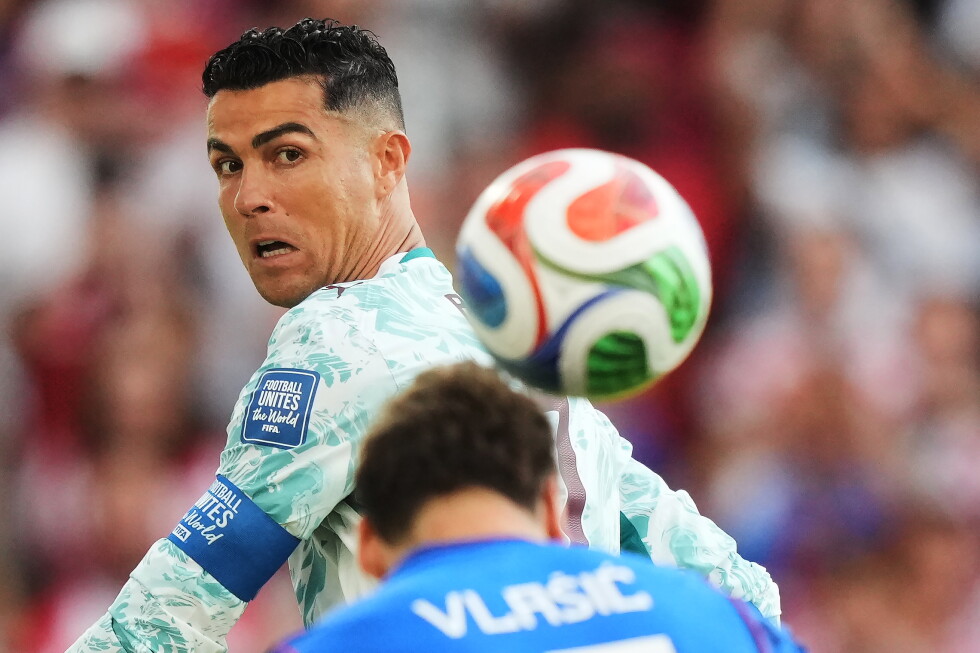
ATLANTA (AP) — It is called connected ball technology. And it was responsible for one of the most dramatic climaxes to a World Cup match ever.It canceled Croatia’s late equalizer deep in added time against Portugal by detecting a touch that was undetectable to the naked eye and even video replays late Thursday.Portugal won 2-1 in Toronto and advanced to the round of 16, leaving Croatia players and fans devastated in the belief Josko Gvardiol’s goal was wrongly called offside by the VAR and referee Espen Eskås.FIFA is relying on a high-tech soccer ball fitted with “advanced sensors” and insisted it got it right when determining Croatia’s Igor Mantanovic got the slightest of glances with his head, meaning Mario Palasic was in an offside position during the buildup to the goal.The in-ball sensors were so finely tuned, FIFA said, they were “capable of determining any slight contact ... allowing officials an unprecedented level of data to make fast, accurate decisions.”
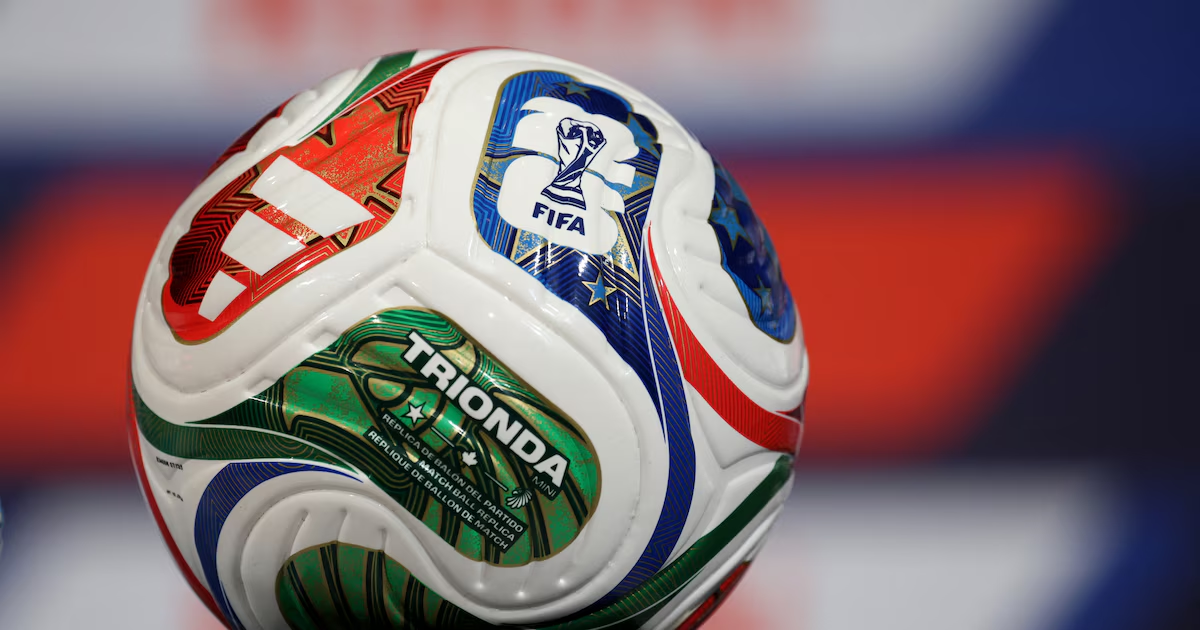
Here’s the science bitThe official “Trionda” World Cup ball, manufactured by Adidas, is fitted with a “small inertial measurement unit (IMU) sensor,” which FIFA says operates at around 500Hz and captures data 500 times per second.FIFA says it can track ball acceleration and granular movements in three dimensions and can detect the exact moment a player makes contact.The ball technology is combined with in-stadium cameras for tracking data that is transmitted in real time to video assistants.As well as helping to determine offsides, the touch data can also be used for incidents such as handballs and penalties.