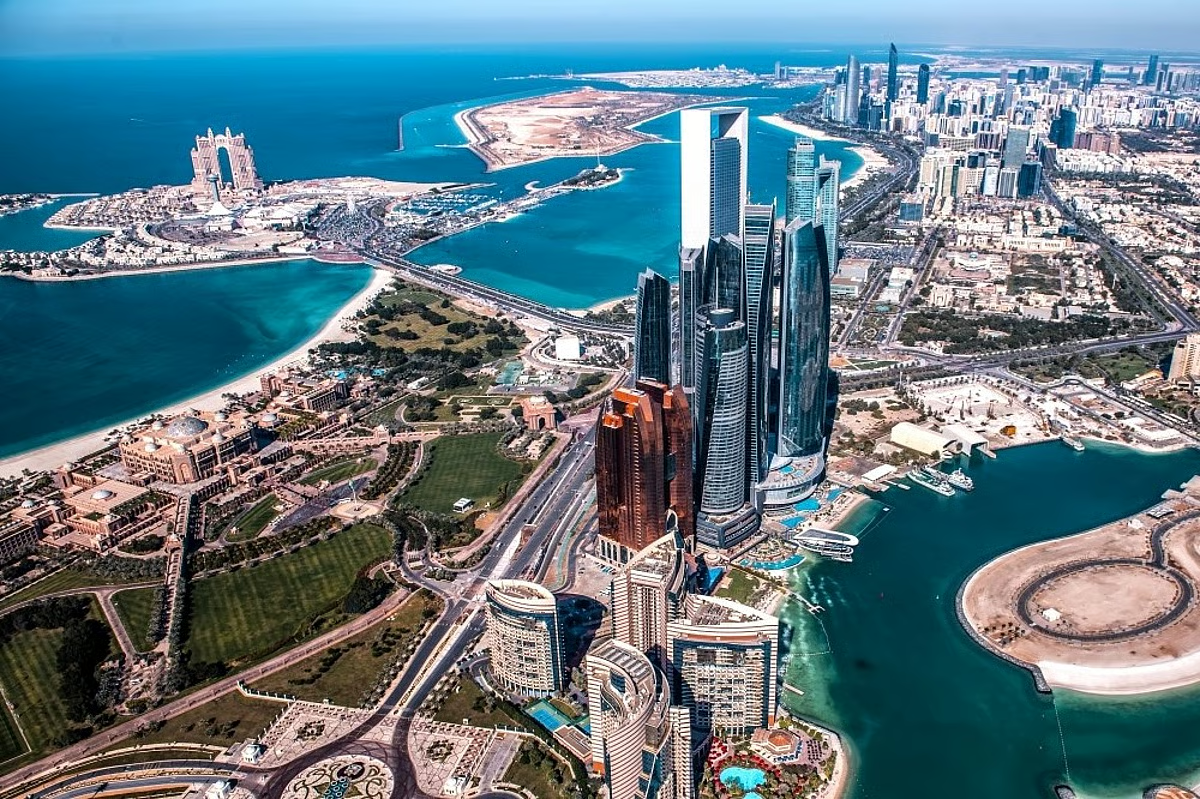
Question: Do you think property investors are starting to look at Abu Dhabi differently now? It seems to me a bit steadier than Dubai, which I think often reacts quite quickly to changes in the market. Is that something you’re seeing and does it make Abu Dhabi more appealing in times like these? LF, RiyadhAnswer: Yes, I do think Abu Dhabi is benefiting from a certain change in tone. Dubai tends to react first because it is more exposed to tourism, international flows, fast-moving capital and global perception. Abu Dhabi, on the other hand, often feels steadier, more deliberate and less dependent on image alone. In unsettled times, that can become very attractive.There is also substance behind that view. Abu Dhabi’s real estate market was strong last year, with Adrec reporting total transaction values of Dh142 billion ($38.66 billion), up 44 per cent year-on-year, and residential sales values up 67 per cent annually to Dh76 billion. Foreign investment was also a major driver of growth. So this is not just a story about Dubai slowing or people searching for an alternative investment backup; Abu Dhabi has genuine momentum of its own. I wouldn't say it's one emirate winning at the expense of the other because they serve different buyer personalities. Dubai still has breadth, speed and visibility. Abu Dhabi offers a calmer proposition and in a period like this, calm can be valuable. Buyers who want less drama in their investment story may find that very appealing, and by drama I mean the ups and downs of investing.Play1:02:53Business Extra Live: Your questions answered on the UAE property market in 2026Q: In uncertain times like these, what are the more experienced or more thoughtful investors asking that others might be overlooking? Are there certain questions people should be asking right now before making a decision? I ask because I've wanted to invest in the Dubai property market for some time, but I never got around to doing so. Now it seems like an opportunity to look into it, at the very least. MS, FrankfurtA: In my experience, buyers today are asking whether, if the region stays tense for more than six months, it still makes sense. They are probing deeper than just an opinion of what an asset is likely to do in terms of capital appreciation. They are thinking about the reputation of the developer (for off-plan), the holding period, the quality of the location, the rental depth, service charges, the seller’s motivation (for ready properties) and whether they are buying something that still works for them even if market sentiment remains weak for a while.They are also looking beyond property headlines or any hype. They are paying attention to flights, tourism, logistics, fuel, consumer activity and business confidence because they understand that property is tied to all of it. The March purchasing managers’ index slowdown, the pressure on malls, the airline restrictions, the supply-chain strain and the nervousness around the Strait of Hormuz are not separate stories. They are all part of the same picture.And perhaps most importantly, intelligent buyers are not treating reassurance as research. They are not looking for someone to tell them everything is fine. They are looking for someone to help them think clearly. That is the real task in markets like this. It is not blind optimism or panic. It is just a sober reading of risk, value and timing. The buyers who can do that usually make the best decisions, especially when everyone else is being led by emotion. The opinions expressed do not constitute legal advice and are provided for information only. Please send any questions to mario@evadxb.com
UAE Property: 'Are more investors turning to Abu Dhabi?' | The National
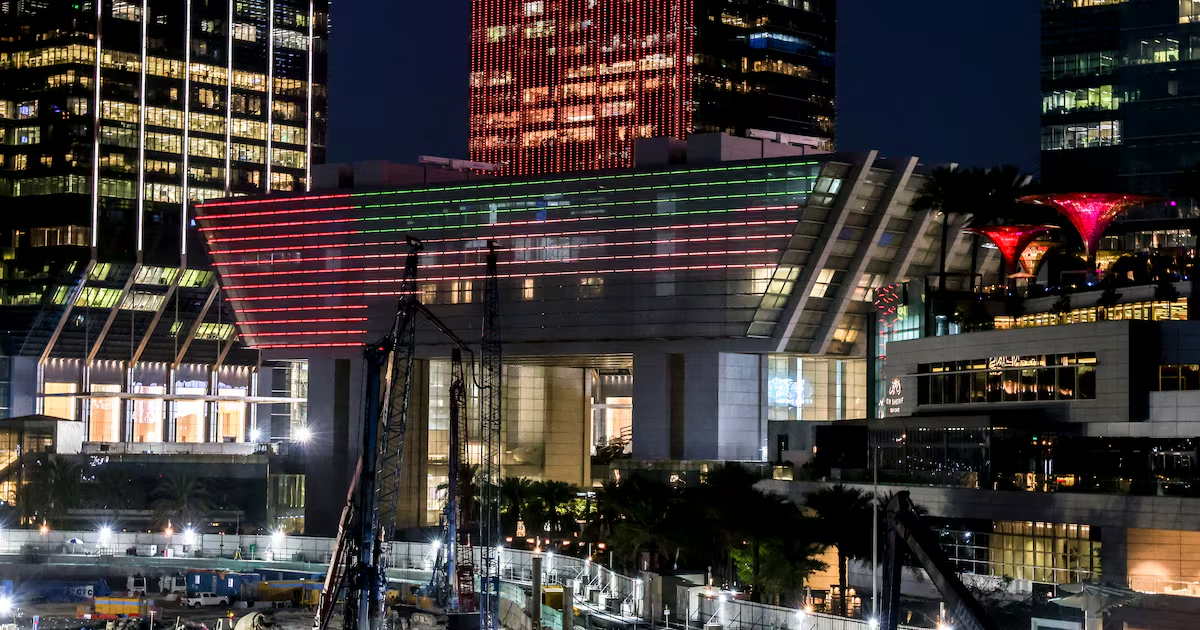
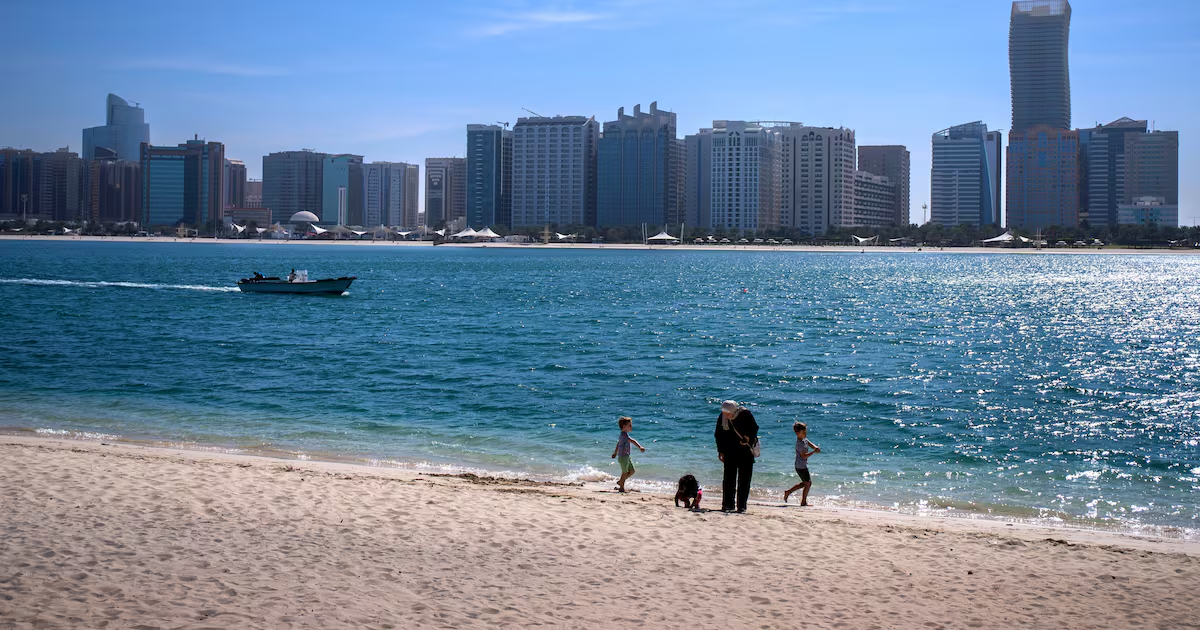
Capital often feels steadier, more deliberate and less dependent on image
606 words~3 min read