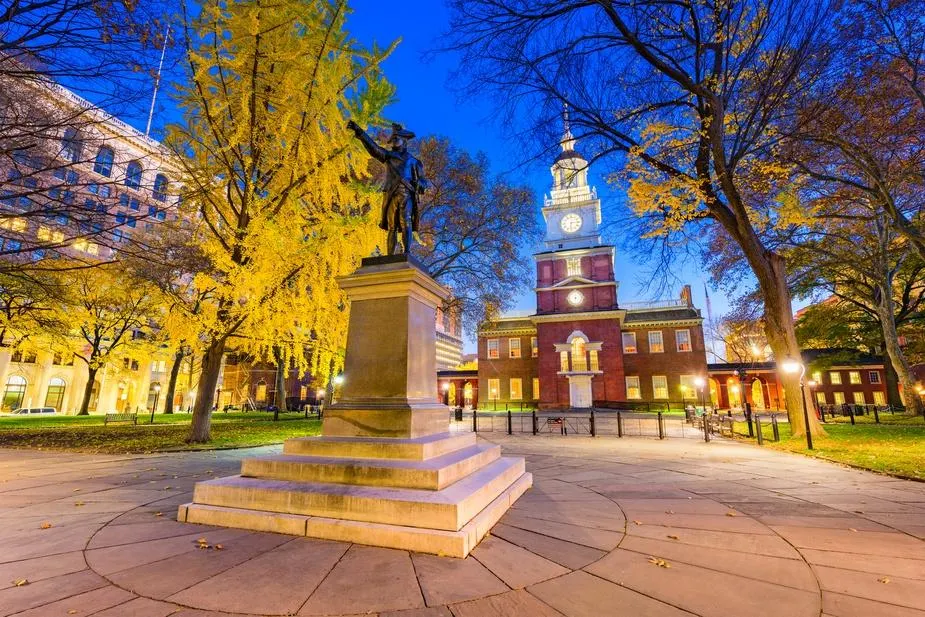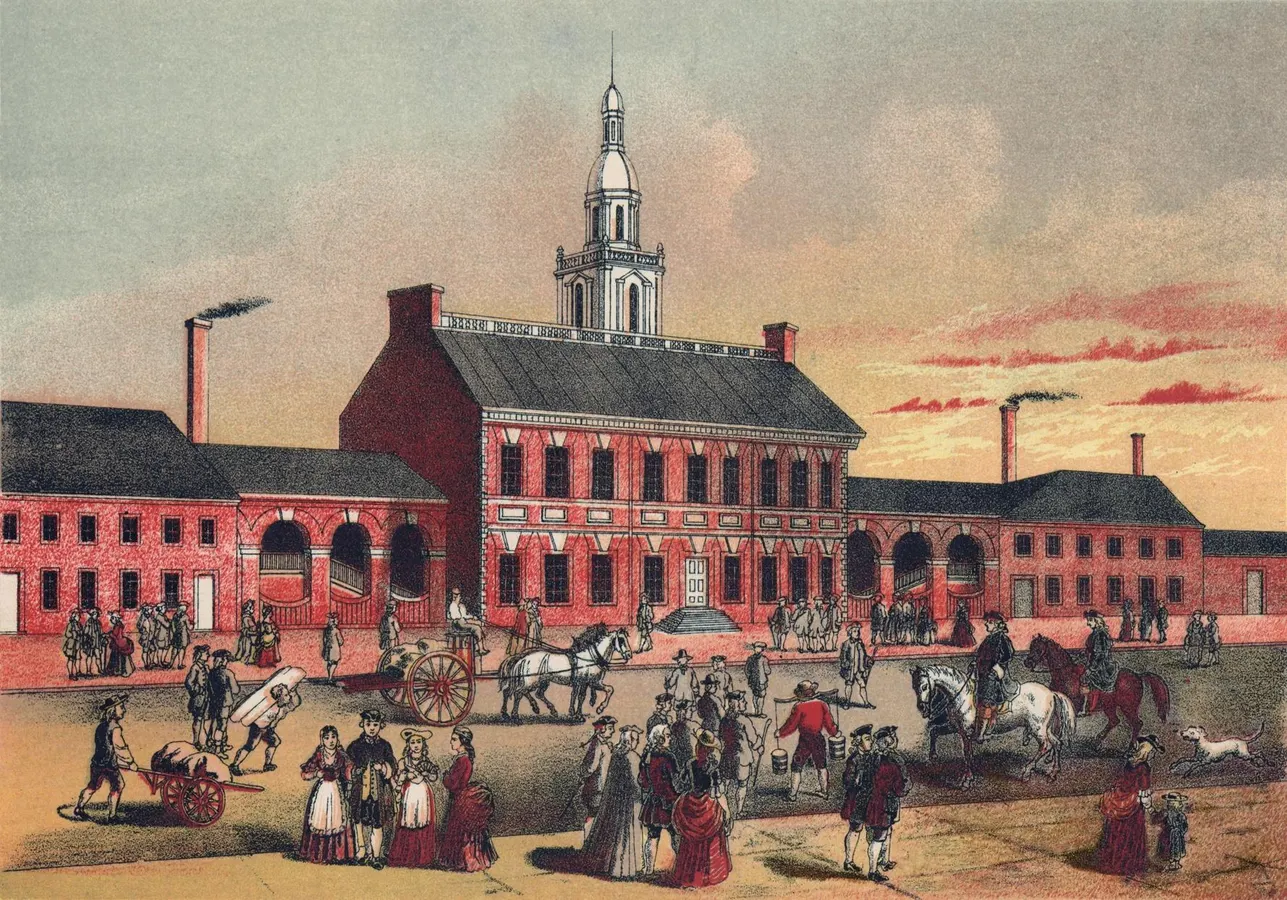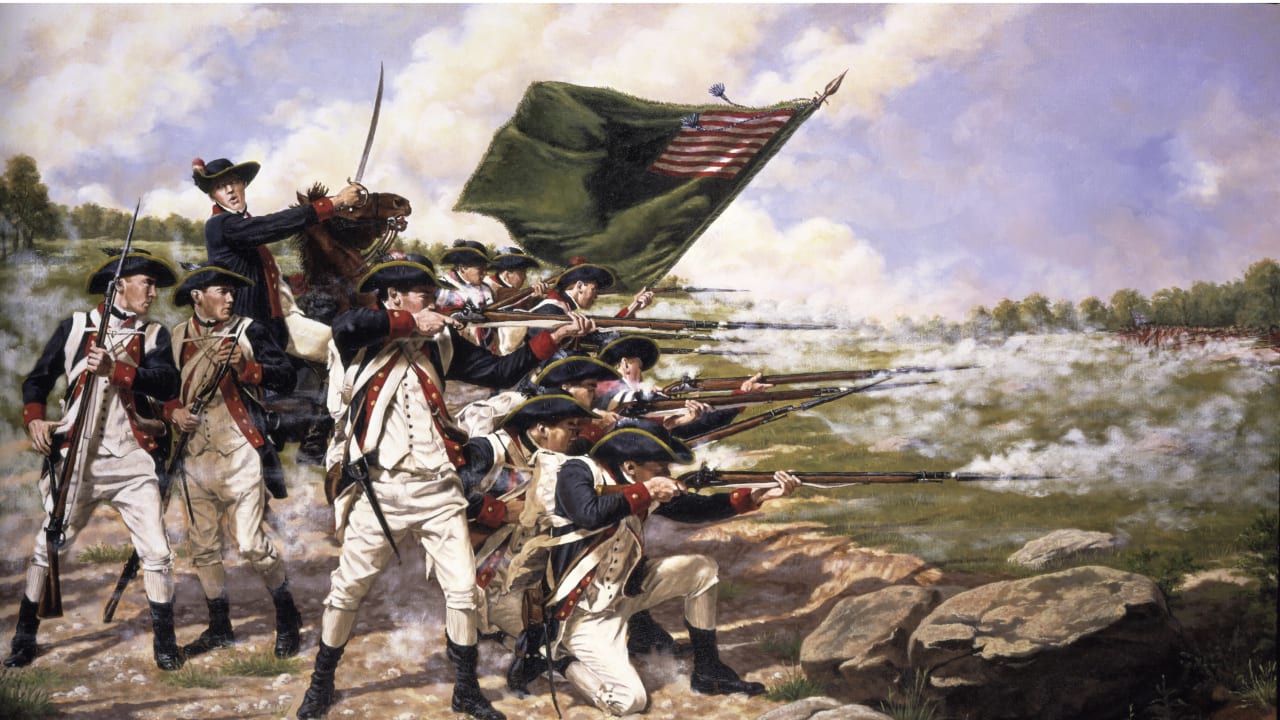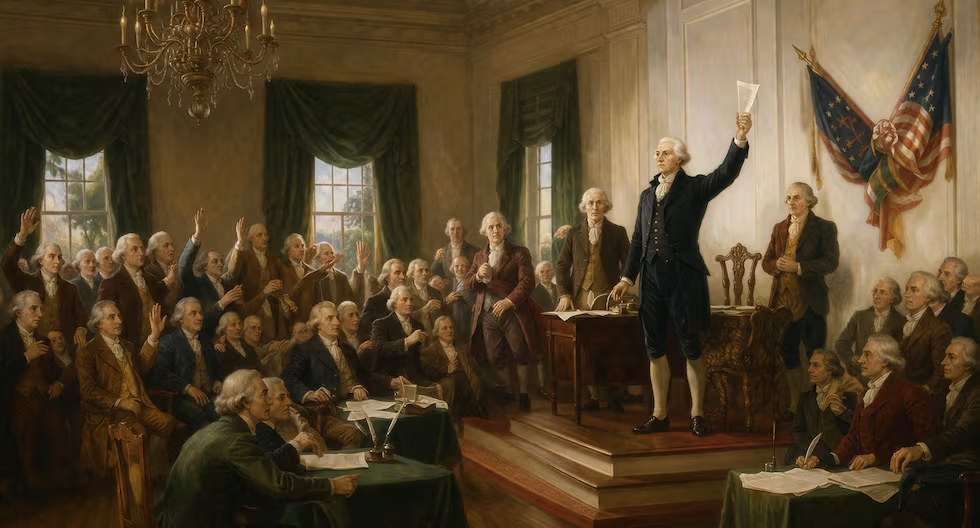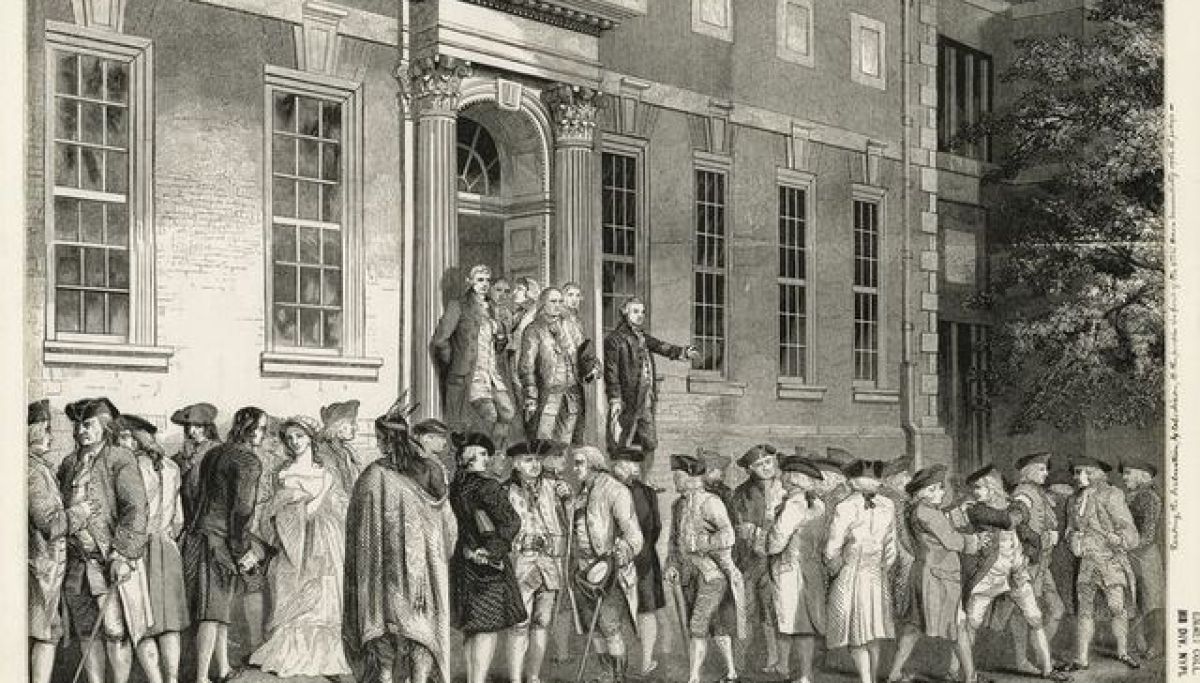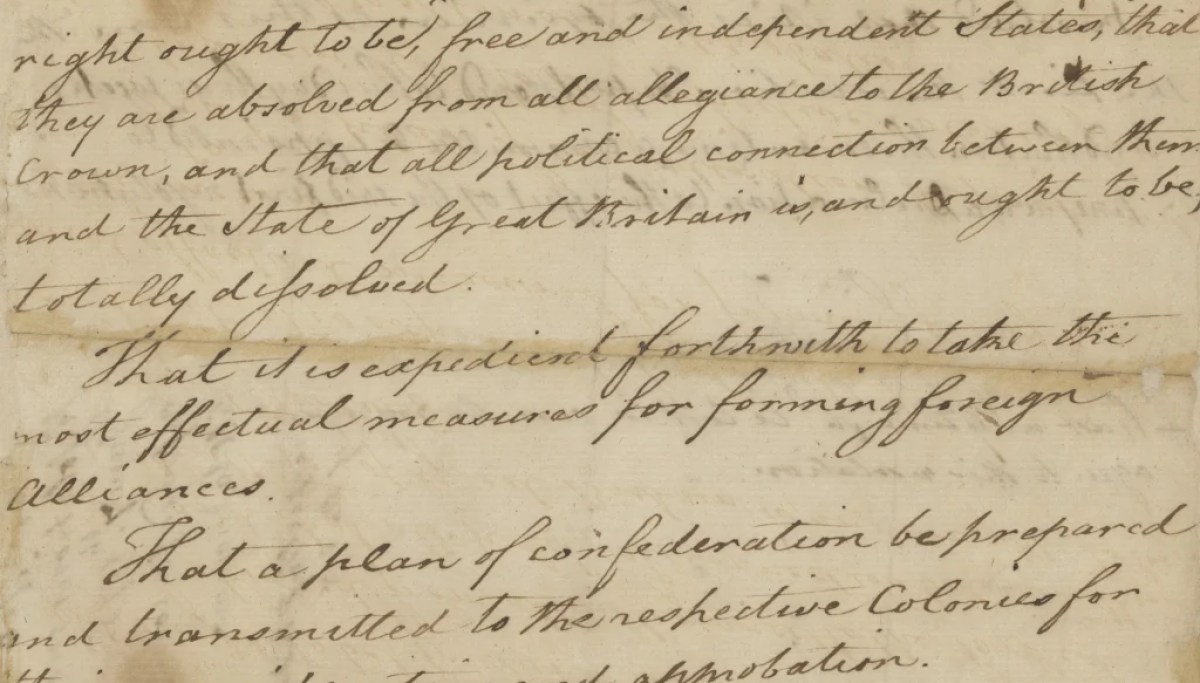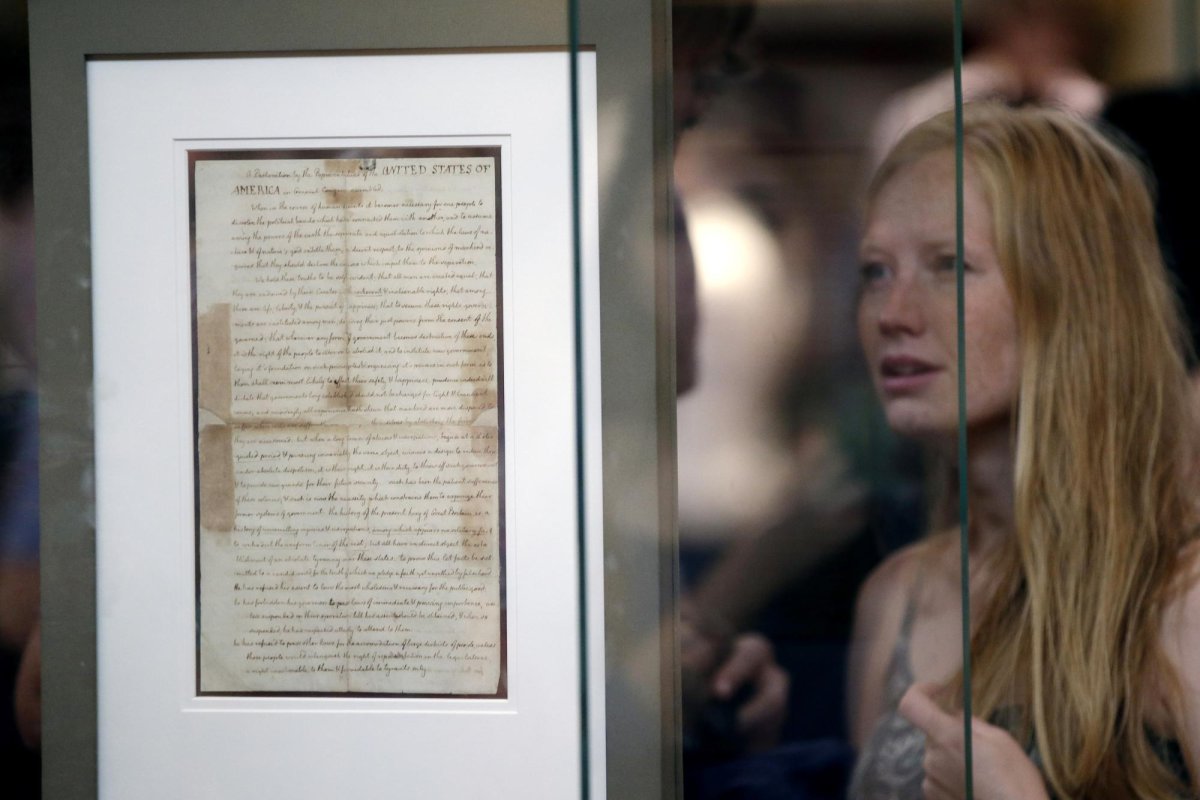
July 4 is one of history's most consequential dates, marked by events that reshaped nations, altered the course of wars and advanced political ideals. The day is most closely associated with the proclamation of American independence, but it also witnessed pivotal military victories, landmark legislation, major infrastructure projects and enduring symbols of liberty. From medieval battles and revolutionary milestones to the presentation of the Statue of Liberty and the announcement of the Louisiana Purchase, July 4 has repeatedly been the setting for developments that left a lasting imprint on world history, politics, culture and society. 1187: Battle of Hattin Muslim forces led by Saladin defeated the Crusader army at the Battle of Hattin near Tiberias in present-day Israel. The victory marked one of the defining moments of the Crusades and significantly shifted the balance of power in the region. It established Saladin's military dominance and became one of the most influential campaigns of the medieval period. 1708: Battle of Holowczyn Swedish King Charles XII secured a surprise victory over a numerically stronger Russian force at the Battle of Holowczyn. The triumph demonstrated Sweden's military capability despite facing superior opposition. The battle became one of Charles XII's notable battlefield successes during his military campaigns. 1754: George Washington abandons Fort Necessity George Washington abandoned Fort Necessity to French and Native American forces, who began looting the fort after its surrender. The event marked an early setback in Washington's military career and reflected the growing conflict between European powers and their allies in North America.1776: Declaration of Independence proclaimed According to popular legend, the Liberty Bell rang as the Second Continental Congress proclaimed the Declaration of Independence and formally declared independence from Great Britain. The decision established the United States as an independent nation and became one of the defining political milestones in modern history, shaping the country's national identity and democratic ideals. 1777: First Independence Day celebrations Philadelphia and Boston hosted the first organised Independence Day celebrations a year after the Declaration of Independence. The commemorations established a tradition of marking the anniversary of American independence. The celebrations laid the foundation for what would become one of the country's most significant annual national observances. 1779: French capture Grenada French forces successfully captured the British-held island of Grenada. The victory represented an important military success during the wider conflict involving European powers. Control of the island altered the strategic situation in the Caribbean during the period. 1789: First US tariff act signed President George Washington signed the first US tariff act into law. The legislation became one of the earliest economic measures adopted by the new federal government. It helped establish the nation's approach to raising revenue and regulating trade.1802: US Military Academy opens The first US Military Academy opened at West Point, New York. The institution became the country's principal centre for military education and officer training. Its establishment marked a significant step in developing a professional military leadership for the United States.1803: Louisiana Purchase announced President Thomas Jefferson announced the Louisiana Purchase to the American people. The announcement informed the nation of one of the most significant territorial acquisitions in its history. The purchase greatly expanded the country's territory and reshaped its future development.1804: Nathaniel Hawthorne born American author Nathaniel Hawthorne was born in Salem, Massachusetts. He later became renowned for literary works marked by profound psychological and moral insight, including The Scarlet Letter. His writing established him as one of the most influential figures in American literature.1826: Jefferson and Adams die on Independence Day Former presidents Thomas Jefferson and John Adams both died on the 50th anniversary of the Declaration of Independence. President John Quincy Adams described the coincidence as "visible and palpable remarks of Divine Favor." Their deaths on the same historic anniversary became one of the most remarkable moments in American political history.1827: Slavery abolished in New York Slavery was officially abolished in New York. The measure marked a significant step in ending slavery within the state. It reflected changing attitudes toward human freedom and represented an important development in the broader movement against slavery.1828: Baltimore-Ohio railroad construction begins Construction started on the Baltimore-Ohio Railroad, which became the first US passenger railway. The project marked a major advance in transportation infrastructure. It helped transform travel and commerce by laying the foundation for the country's expanding railway network.1829: London's first omnibus begins service George Shillibeer's first London omnibus began operating between Marylebone Road and Bank Junction. The new transport service introduced organised public bus travel in the city. It represented an important milestone in the development of urban public transportation.1863: Lee withdraws from Gettysburg General Robert E. Lee's army withdrew from the Battle of Gettysburg. The withdrawal concluded one of the most significant engagements of the American Civil War. The battle became a defining moment in the conflict and remains one of its most consequential campaigns.1865: Alice's Adventures in Wonderland published Lewis Carroll's Alice's Adventures in Wonderland was published, although its first print run was soon recalled because of quality issues. A new first edition followed later that year. The book went on to become one of the most celebrated works of children's literature.1866: Portland fire A fire started after a firecracker landed in wood, destroying half of Portland, Maine. The devastating blaze caused widespread destruction across the city. It became one of the most destructive urban fires in Portland's history.1867: Republican Party of Texas founded The Republican Party of Texas was established in Houston with the objective of regaining the state's admission to the Union following the American Civil War. The party's formation reflected the political changes taking place during the Reconstruction era.1868: Battle of Ueno The Battle of Ueno ended with the defeat of the last Tokugawa forces in Japan. The outcome marked the collapse of organised resistance by supporters of the Tokugawa shogunate. It represented a significant turning point in Japan's political transformation.1876: Electric light demonstrated publicly The first public exhibition of electric light took place in San Francisco. The demonstration introduced many people to a technology that would later transform daily life. It showcased the growing possibilities of electrical innovation during the late 19th century.1881: Tuskegee Institute established Booker T. Washington founded the Tuskegee Institute in Alabama. The institution became an important centre for education and advancement. Its establishment marked a significant contribution to educational opportunities in the United States.1884: Statue of Liberty presented France formally presented the Statue of Liberty to the United States in Paris as a symbol of friendship between the two nations and their shared commitment to freedom and democracy. The monument went on to become one of the world's most recognisable symbols of liberty and international goodwill.1886: First scheduled transcontinental passenger train arrives The first scheduled transcontinental passenger train reached Port Moody, British Columbia. The arrival marked a major transportation milestone by linking distant regions through regular rail service. It demonstrated the growing importance of railways in connecting communities and supporting travel across vast distances.1888: First organised rodeo competition The first organised rodeo competition was held in Prescott, Arizona. The event formalised a tradition rooted in ranching culture and helped establish rodeo as a recognised sporting and cultural attraction that would continue to grow in popularity.1892: Western Samoa changes the International Date Line Western Samoa changed the International Date Line, resulting in the country experiencing 367 days that year, including two occurrences of Monday, July 4. The unusual calendar adjustment became one of the most distinctive date changes in recorded history.1901: William Howard Taft becomes Governor-General of the Philippines Former US federal judge William Howard Taft was installed as the first Governor-General of the Philippines. Upon taking office, he declared amnesty for insurgents willing to take an oath of allegiance. His appointment marked a significant administrative development under US rule.1902: Swami Vivekananda dies Hindu spiritual leader and reformer Swami Vivekananda died in Calcutta. He sought to unite Indian spirituality with Western material progress, arguing that the two complemented one another. His teachings left a lasting influence on religious thought and cultural exchange.1906: Ethiopia's independence recognised Great Britain, France and Italy declared the independence of Ethiopia, while simultaneously claiming their own spheres of influence within the country. The declaration reflected the competing geopolitical interests of European powers in Africa during the period.1910: Jack Johnson wins the "Fight of the Century" World heavyweight boxing champion Jack Johnson defeated James J. Jeffries by technical knockout in the 15th round in Reno, Nevada, retaining his title. The contest became known as the "Fight of the Century" and remains one of boxing's most historic championship bouts.1910: Japan and Russia define spheres of influence Japan and Russia signed a mutual defence agreement that delineated their respective spheres of interest in Manchuria. The agreement reflected the strategic priorities of both countries and shaped their regional relationship during the early 20th century.1917: July Days unrest Troops of the Russian Provisional Government opened fire on protesters in Petrograd during the July Days of unrest. The violence highlighted growing instability within Russia during a period of political upheaval and social unrest.1918: Sultan Mehmed VI ascends the throne Sultan Mehmed VI became the final Ottoman ruler after ascending the throne. He remained in power until the monarchy was abolished in 1922, marking the closing chapter of the Ottoman sultanate.1920: Sakhalin agreement The provisional government of Siberia's Maritime Province agreed to hand over parts of the oil and coal-rich Sakhalin Islands to Japan. The decision affected control of strategically important territory and reflected changing political conditions in the region.1931: Fireworks at Cleveland Stadium Cleveland Stadium hosted its first Independence Day fireworks display. The celebration established a new holiday tradition and highlighted the growing popularity of large public fireworks events in the United States.1934: Atomic chain reaction patented Hungarian physicist Leó Szilárd patented the chain reaction design for the atomic bomb. The patent represented a major scientific development that would later play a crucial role in nuclear research and technology.1936: League of Nations lifts sanctions on Italy The League of Nations ended sanctions against Italy following its takeover of Abyssinia. The decision marked an important diplomatic development after the conflict and reflected changing international responses to the occupation.1938: France and Turkey sign friendship treaty France and Turkey signed a friendship treaty, strengthening relations between the two countries. The agreement represented a diplomatic effort to promote cooperation during a period of growing international tensions.1942: First American bombing missions over occupied Europe The United States carried out its first bombing missions over Nazi Germany-occupied Europe during World War II. The operation marked an important expansion of American military involvement in the European theatre.1944: Fourth of July salute in Normandy Allied forces in Normandy fired a coordinated Fourth of July artillery salute using 1,100 American guns against German positions. The operation symbolised the significance of the national holiday while supporting ongoing military operations during World War II.1944: Operation Windsor Canadian infantry launched Operation Windsor, attacking Carpiquet and its nearby airfield. The assault ended in a Canadian victory and formed part of the broader Allied campaign in Normandy.1944: US airstrikes on Iwo Jima US naval forces launched airstrikes against Iwo Jima and the Bonin Islands. The attacks formed part of the Pacific campaign during World War II as Allied forces intensified operations against Japanese-held positions.1946: Philippines gains independence The Philippines became an independent sovereign nation after gaining independence from the United States. The event marked the country's emergence as a self-governing state and a major milestone in its national history.1966: Beatles face backlash in the Philippines The Beatles were attacked by an angry mob in the Philippines after unintentionally insulting First Lady Imelda Marcos by declining an invitation to a state breakfast. The incident became one of the most controversial episodes of the band's career.1966: Freedom of Information Act signed US President Lyndon B. Johnson signed the Freedom of Information Act into law. The legislation established a framework for public access to government information and became a landmark measure promoting transparency.1988: Iranian airliner shot down A US Navy vessel shot down an Iranian civilian airliner over the Gulf, killing all 290 people on board. The tragedy became one of the deadliest incidents involving a civilian aircraft during a military confrontation.2009: Statue of Liberty crown reopens The crown of the Statue of Liberty reopened to visitors after remaining closed for eight years following the World Trade Center attacks. The reopening restored public access to one of the monument's most iconic features.2012: Higgs boson breakthrough announced Scientists working at CERN's Large Hadron Collider announced the discovery of a new particle consistent with the Higgs boson, often referred to as the "God particle." The breakthrough marked one of the most significant scientific discoveries of the 21st century, advancing the understanding of fundamental physics.Days celebrated on July 4 Independence From Meat Day Independence From Meat Day encourages people to explore meat-free meals and consider plant-based alternatives for a day. The observance promotes awareness of dietary choices and invites participants to experiment with different foods without requiring a permanent lifestyle change.Invisible Day Invisible Day is a light-hearted observance that playfully imagines what it would be like to be invisible. The day inspires creativity, humour and imagination through games, storytelling and activities centred on the idea of disappearing from sight.Sidewalk Egg Frying Day Sidewalk Egg Frying Day celebrates the hottest days of summer by referencing the popular saying that temperatures can become hot enough to fry an egg on the pavement. The observance is a humorous reminder of extreme summer heat and seasonal weather.Jackfruit Day Jackfruit Day celebrates one of the world's largest tree-borne fruits and highlights its culinary versatility. The observance encourages people to enjoy jackfruit in different recipes while recognising its growing popularity in a variety of traditional and modern dishes.
On This Day in History, July 4: Declaration of Independence proclaimed, Battle of Hattin, Statue of Liberty presented, Philippines gains independence, Higgs boson discovery and more
On This Day in History, July 4, the United States proclaimed the Declaration of Independence, while other landmark events included the Battle of Hattin, the announcement of the Louisiana Purchase, France presenting the Statue of Liberty, Philippine independence, the signing of the Freedom of Information Act, the death of Swami Vivekananda and CERN's announcement of the Higgs boson discovery, making the date significant across politics, science, culture and military history.
2,280 words~10 min read