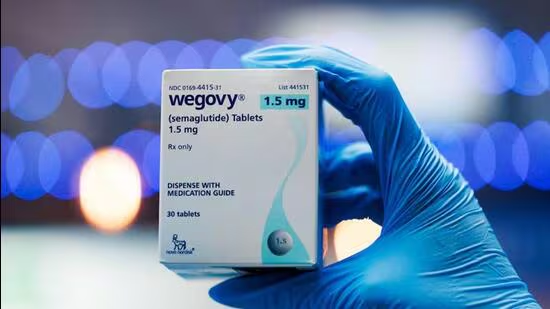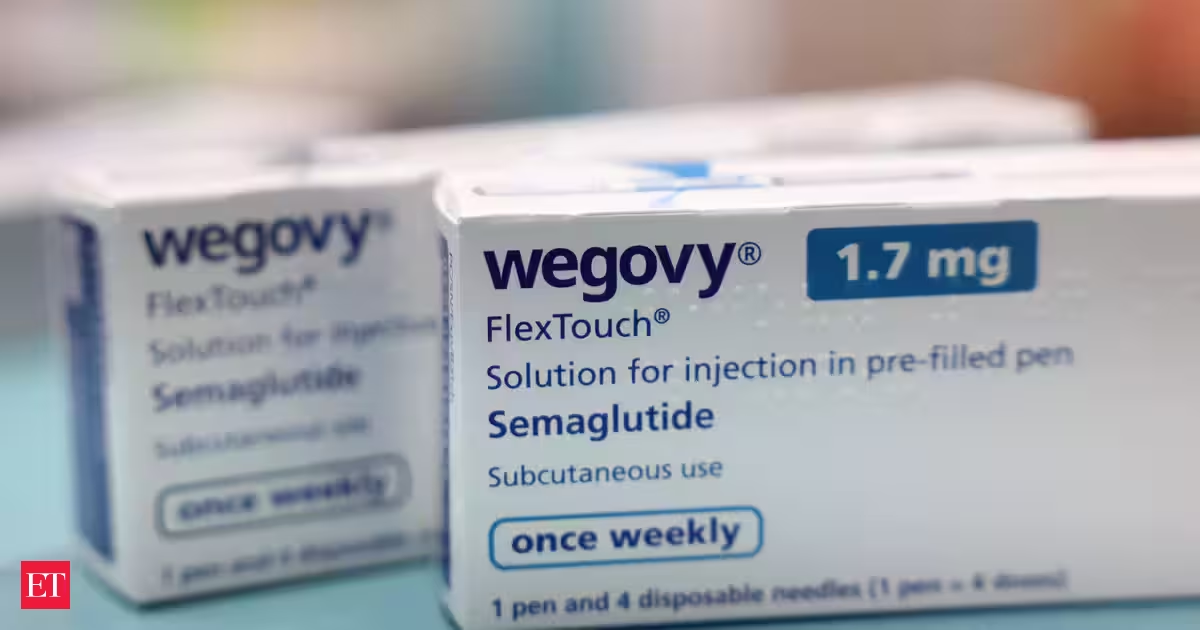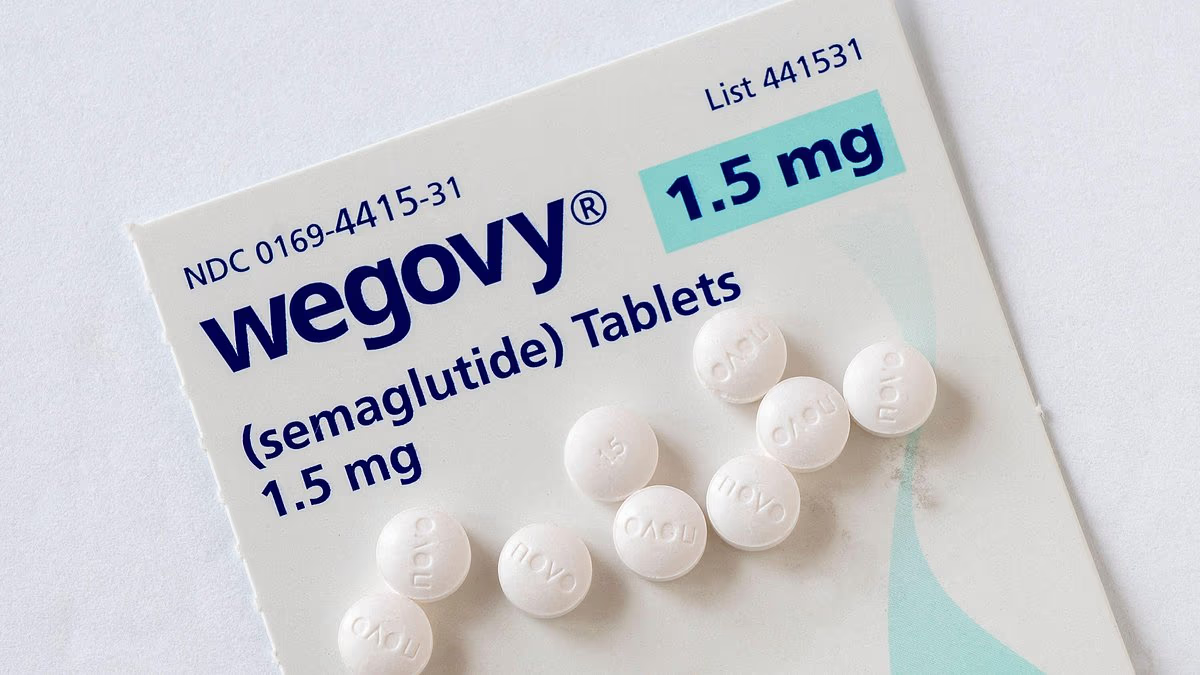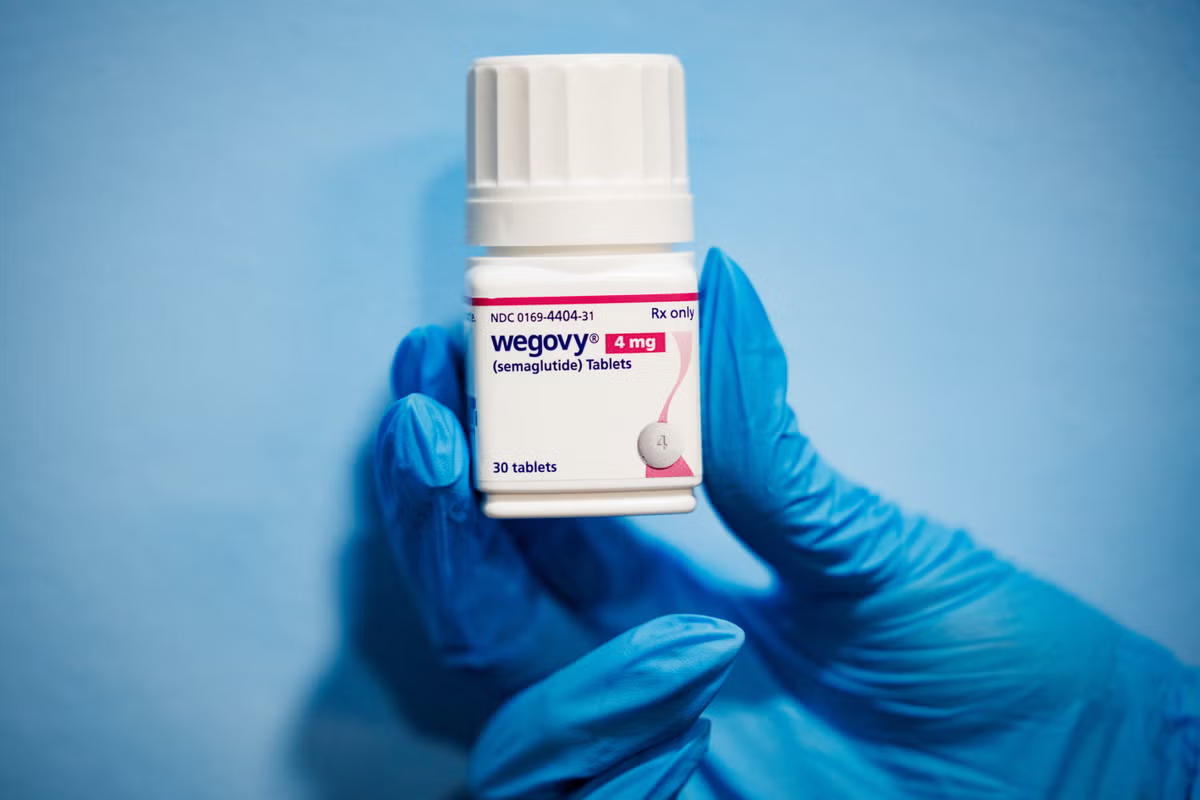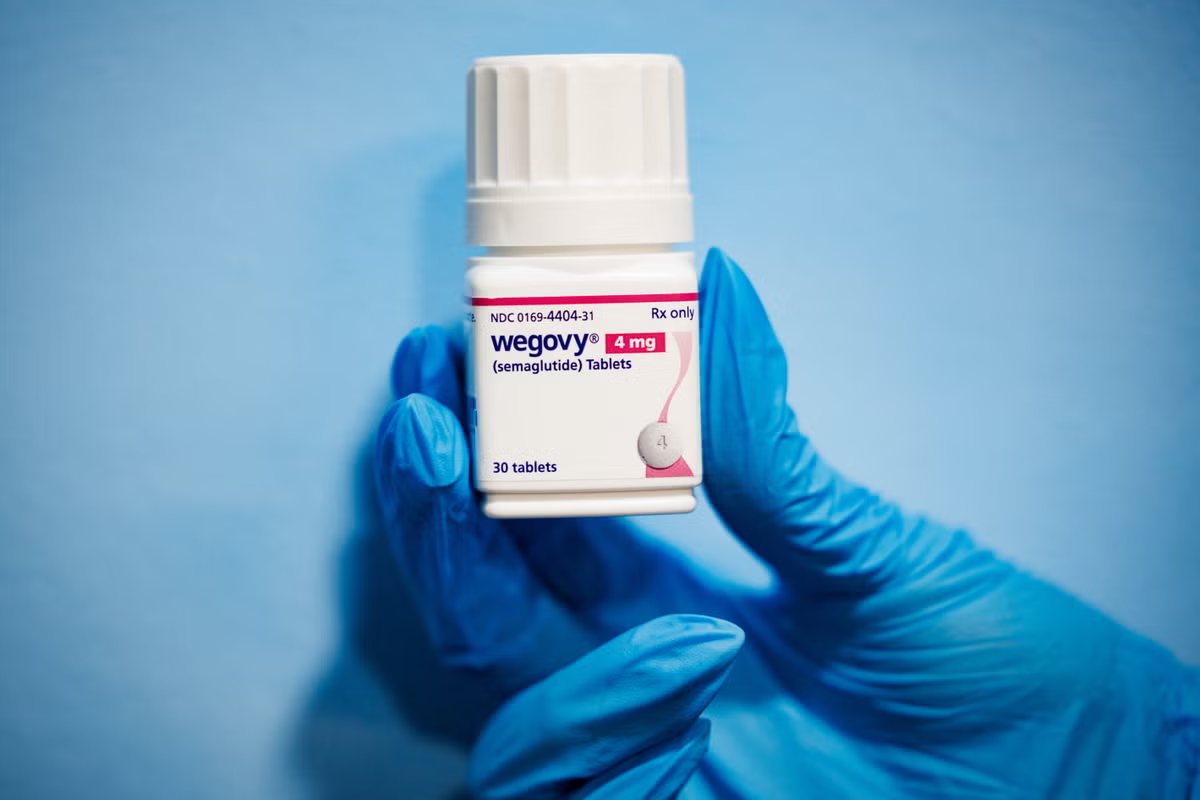
Weight-loss drug semaglutide could be prescribed to people with a serious form of fatty liver disease under new guidance announced today.The medication – sold for weight loss under the brand name Wegovy – has been approved by the MHRA to treat metabolic-associated steatohepatitis, or MASH.MASH develops when excess fat builds up in the liver, triggering inflammation and scarring. It is more common in people who are obese, have type 2 diabetes or have high levels of fat in the blood.Under the new guidance, semaglutide can be prescribed to adults with MASH who have moderate to advanced liver fibrosis – scarring of the liver caused by the condition.Julian Beach, Executive Director of Healthcare Quality and Access at the MHRA, said: 'The available evidence indicates that semaglutide is a safe and effective treatment option for patients with MASH.'As with all GLP-1 receptor agonists, this is a prescription-only medication and should only be taken in consultation with a doctor.'However, patients with MASH cannot currently get semaglutide on the NHS specifically to treat the condition and will need to obtain a private prescription.NICE is still assessing whether the drug is clinically effective and cost-effective enough to be offered routinely as a treatment for MASH and until that decision is made, it will not be available on the NHS for this use. Fatty liver disease is now one of the fastest-growing health problems globallyThe approval is also conditional, meaning regulators want more evidence before granting full marketing authorisation. Further results are expected from an ongoing study in adults with MASH and moderate to advanced liver scarring.Semaglutide is a GLP-1 receptor agonist and is prescribed alongside diet and exercise. It works by mimicking a hormone released after eating, helping people feel fuller for longer, reducing cravings and supporting weight loss.It is already authorised for weight management in adults and adolescents, and for reducing the risk of cardiovascular events in adults.Treatment usually starts at a low dose of 0.25mg once a week, before gradually increasing to 0.5mg, 1mg and 1.7mg, with patients spending around four weeks on each dose. The usual maintenance dose is 2.4mg once weekly.For patients with obesity, defined as a BMI over 30, the dose may be increased to 7.2mg once weekly after at least four weeks on the 2.4mg dose.The MHRA said it will review new information on semaglutide at least once a year, and update the product information if needed.As with all medicines, the regulator will continue to monitor the drug’s safety and effectiveness. The most common side effects are gastrointestinal problems, including nausea, diarrhoea, constipation and vomiting.Anyone who thinks they may be experiencing side effects is advised to speak to a doctor, pharmacist or nurse, and report them through the MHRA Yellow Card scheme.Liver disease is one of the fastest-growing causes of death in the UK, and often develops silently, leaving many unaware until serious and sometimes irreversible damage has already occurred. Incidents of the disease have soared in recent decades, with deaths increasing more than fourfold since the 1970s - even as outcomes for many other major illnesses have improved.
Thousands with liver disease set to be prescribed fat jab Wegovy
Weight loss medication can be prescribed to people battling liver disease under new guidelines announced today.
849 words~4 min read