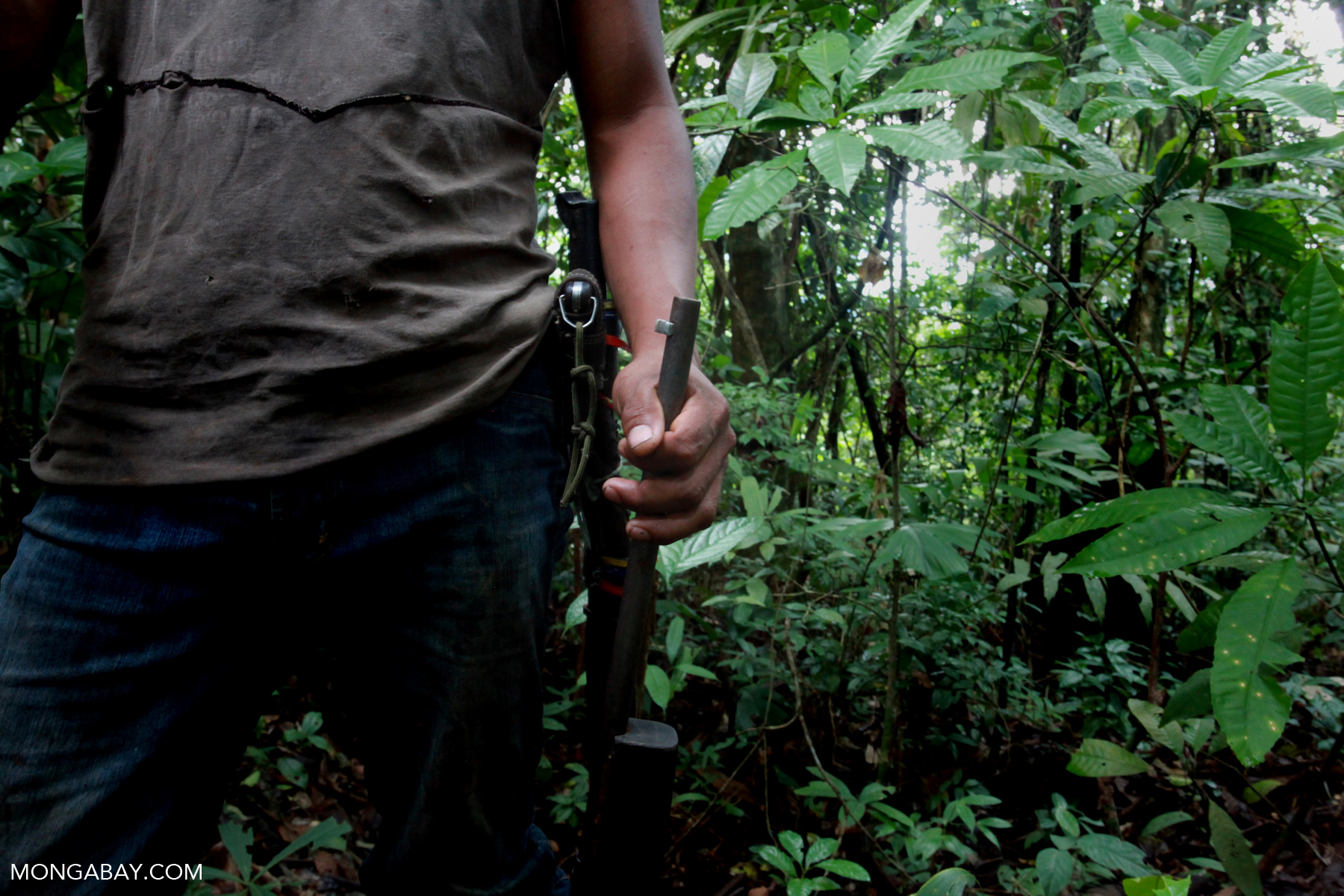
The latest tally from Global Witness is a grim ledger. In 2024, at least 146 people were killed or disappeared while defending land, water and forests. That brings the total to at least 2,253 deaths and disappearances since 2012, a steady toll that turns local acts of stewardship into mortal hazards. The organization’s report reads less like an activist’s briefing than a casualty list from a slow-moving war.
Latin America remains the deadliest region. Of the 117 killings documented there last year, 48 took place in Colombia, which has led the world in such murders for three years running. Guatemala recorded 20 deaths, Mexico counted at least 18, Brazil 12, and the Philippines seven. Four people—one each in Chile, Honduras, Mexico, and the Philippines—vanished without a trace. Around a third of those attacked were Indigenous, though Indigenous peoples make up only about 6% of the global population.
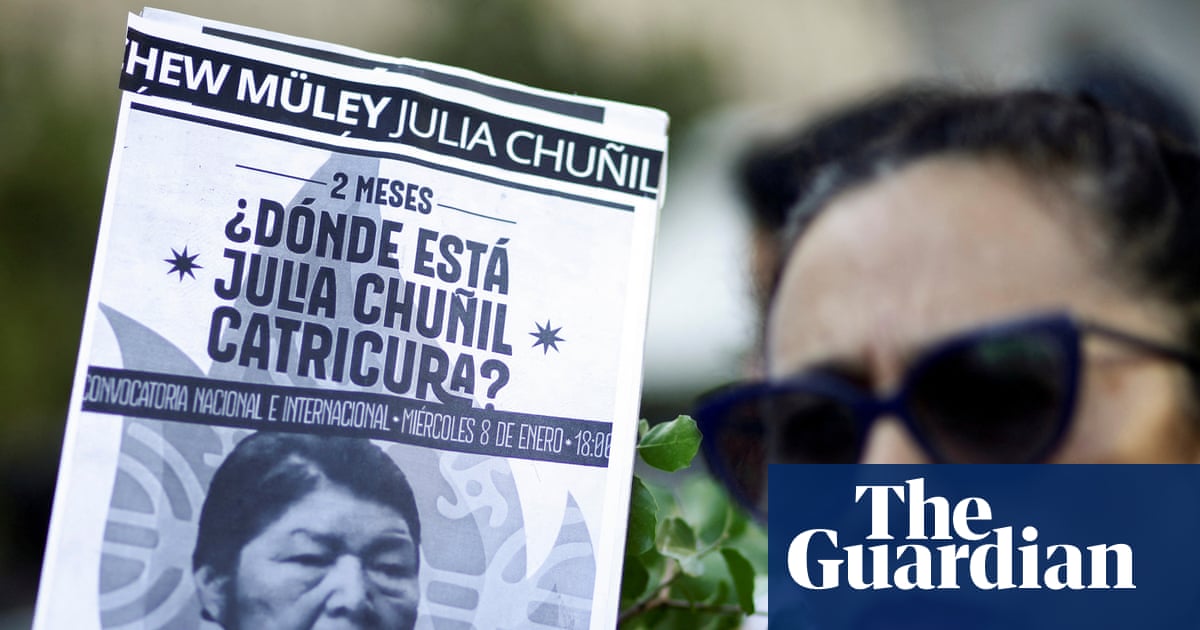
Behind the numbers are lives abruptly cut short or left in limbo. Julia Chuñil, a 72-year-old Mapuche leader from southern Chile, spent years fighting to secure her community’s ancestral land rights. She disappeared last November after setting out from her cabin in the Valdivian forest; her dog returned, but she did not. Her family has faced harassment and suspicion even as they search for answers. Julia’s absence now hangs over a community whose forests are being eaten away by plantations and whose defenders feel unprotected by the state.