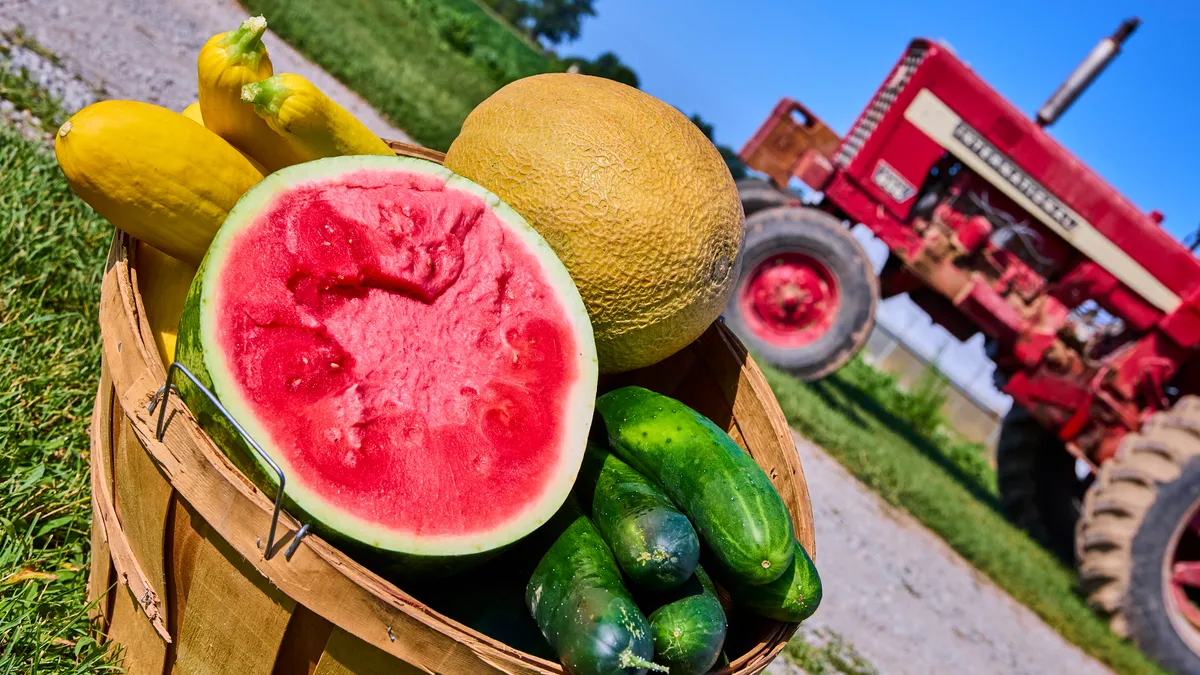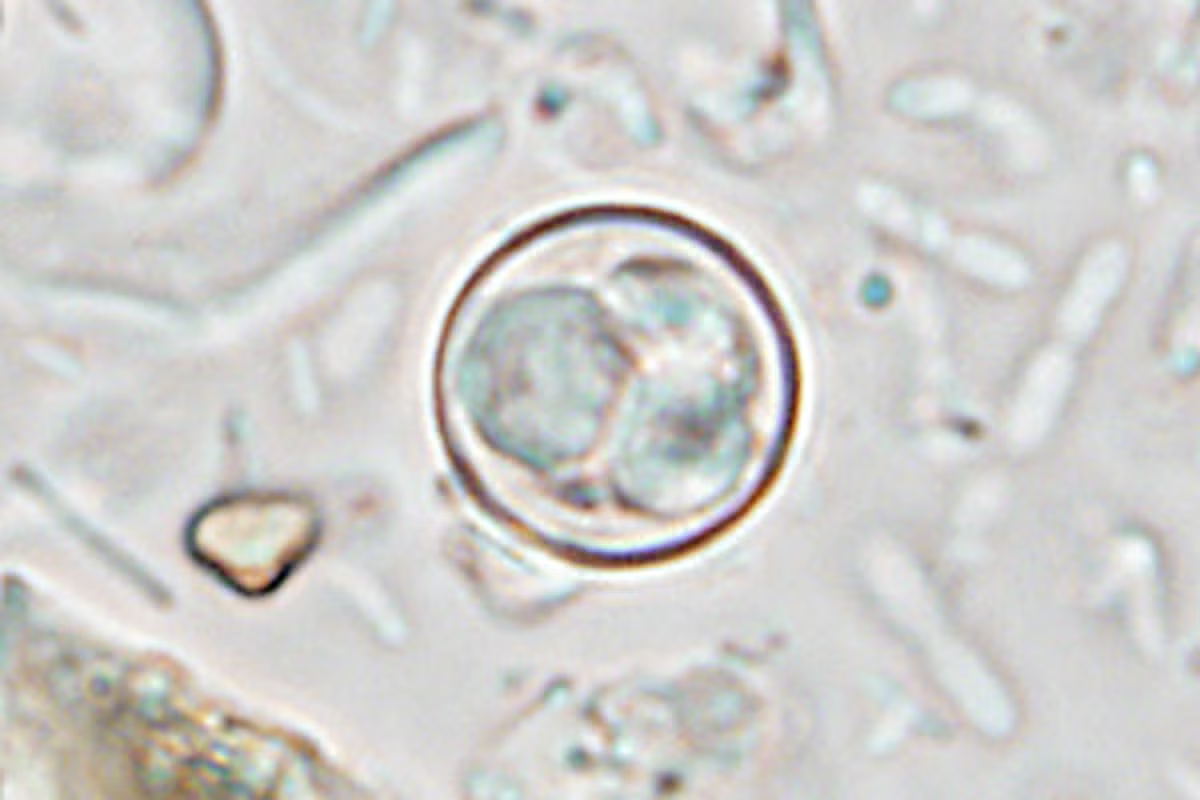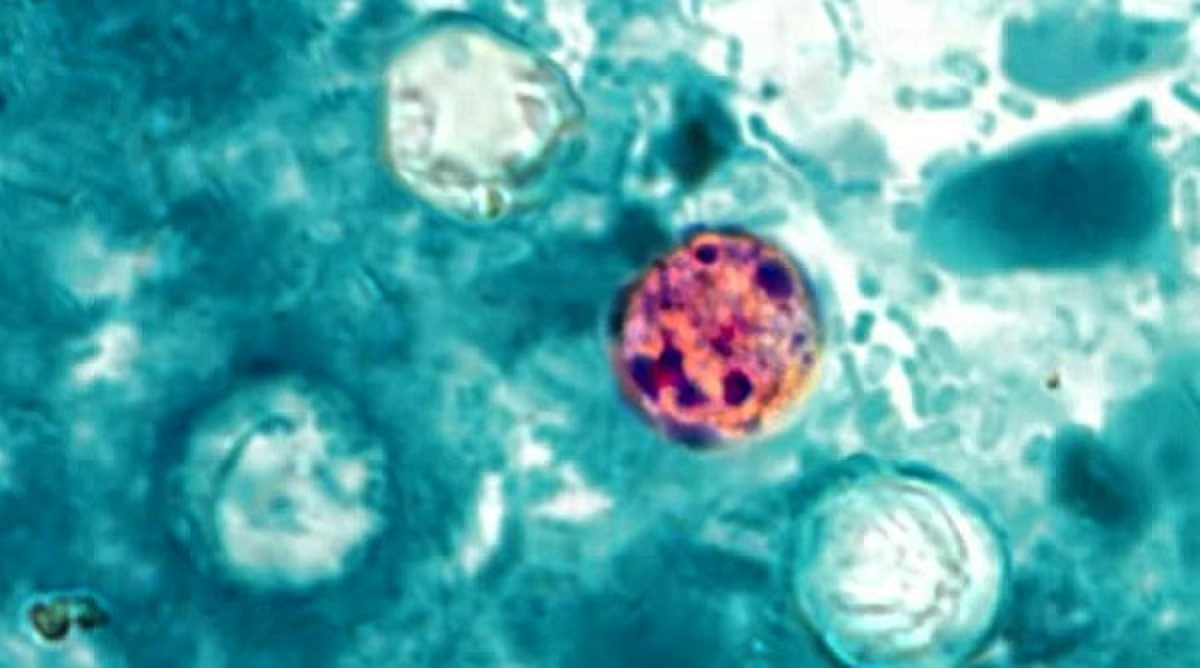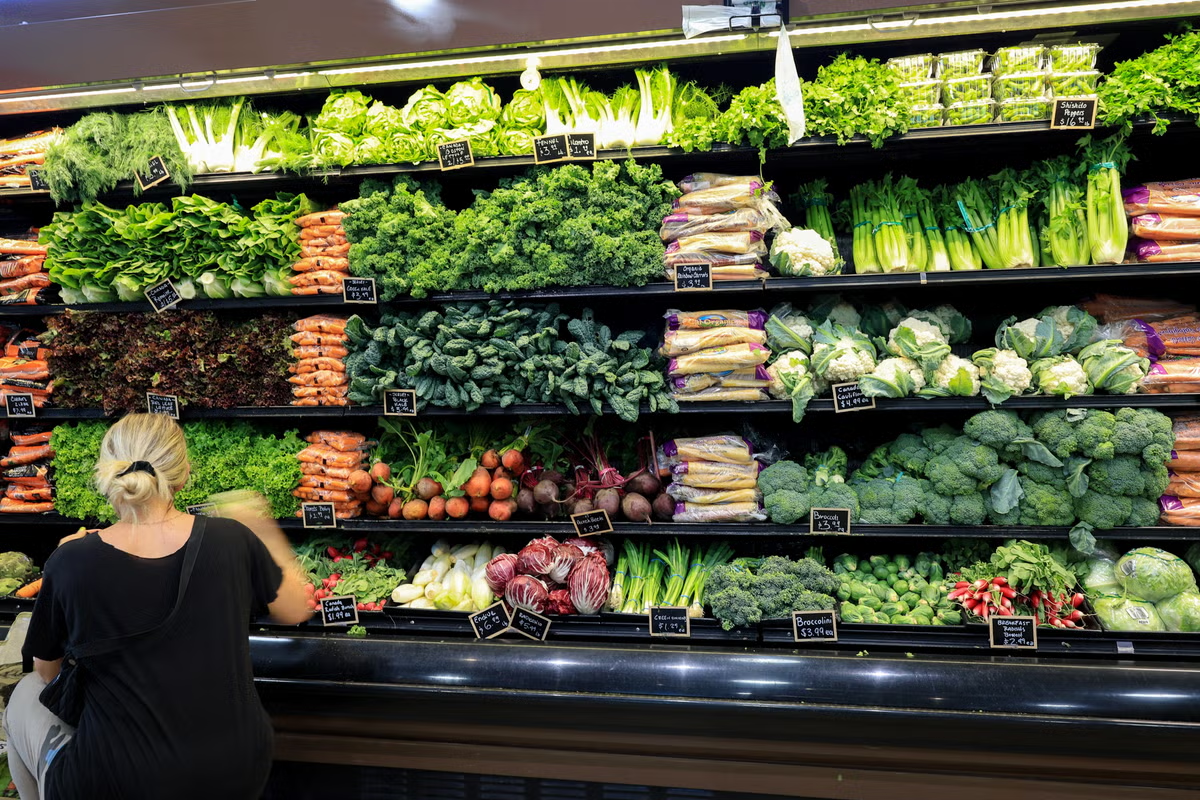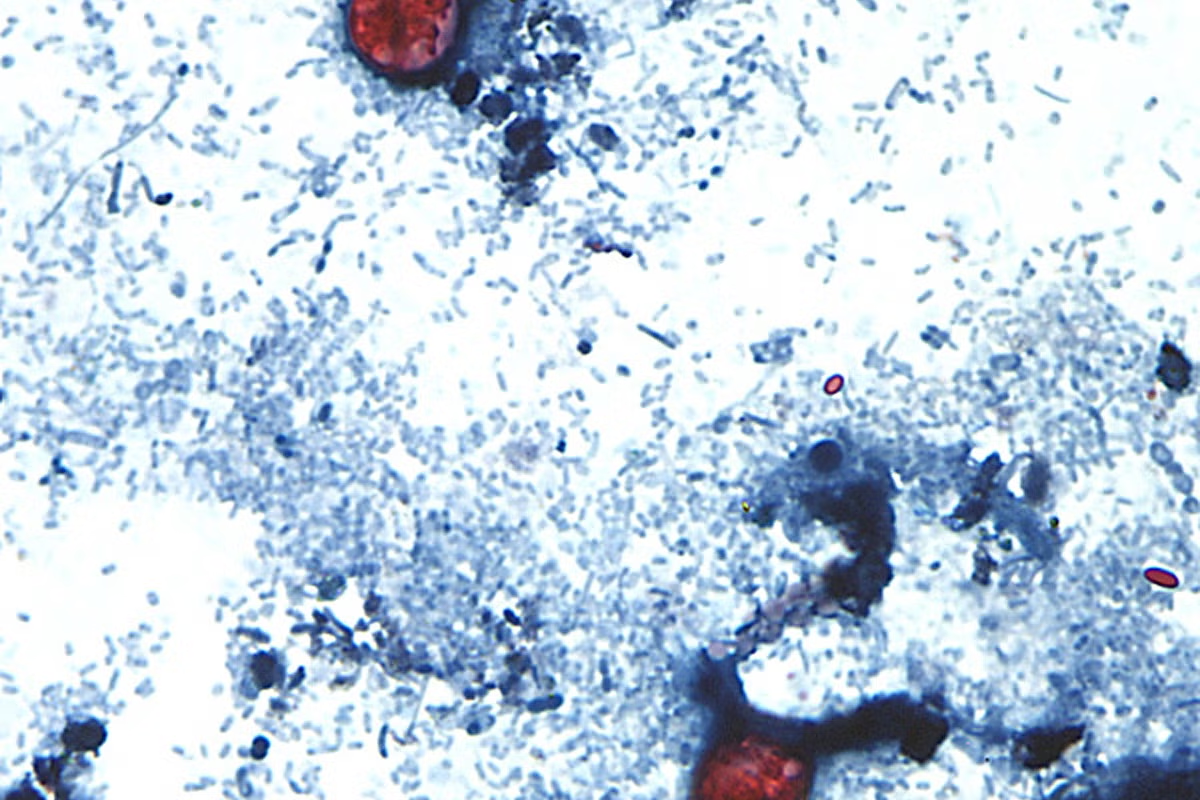
The CDC is urgently trying to find the source of the outbreak which has sickened hundreds of people across the U.S. since the beginning of May.gettyA parasitic infection has sickened hundreds of people across 17 states, prompting a nationwide investigation by the U.S. Centers for Disease Control and Prevention (CDC). The fast-growing outbreak involves at least 145 cases, as well as hundreds more reported by individual states and the CDC is urgently trying to find the source of the outbreak, likely to be fresh produce contaminated with human feces.According to the CDC’s latest surveillance update on July 2nd, the reported illnesses occurred in people who became sick between May 1st and June 16th of this year. No deaths have currently been reported, but 20 people have been hospitalized. CDC Investigators are working with state health departments and the U.S. Food and Drug Administration (FDA) to try and find the source of the infection. The officials are investigating whether there might be several potential sources of the contamination and have been unable to pinpoint anything so far.The infection called cyclosporiasis is caused by a tiny parasite called Cyclospora cayetanensis which infects the gut after people consume contaminated food or water. People with cyclosporiasis experience watery diarrhea which can be severe and last for several weeks. Other symptoms include loss of appetite, bloating, nausea, stomach cramps, fever, weight loss and muscle pain. The parasite cannot spread directly from person to person.Symptoms generally appear about a week after exposure, but can appear as soon as 2 days or as late as 2 weeks after ingesting the parasite. Although most healthy people recover without treatment, it can take several weeks for recovery. Treatment is available with an anti-parasitic drug called trimethoprim-sulfamethoxazole which is effective for most patients. In the U.S. cyclosporiasis has repeatedly been linked to contaminated fresh produce that has come into contact with feces, rather than contaminated meat or person-to-person spread. Previous outbreaks have been associated with imported and domestically grown leafy greens, basil, cilantro, raspberries and packaged salad mixes, often eaten raw.MORE FOR YOUThe CDC warns that although washing fresh fruit and vegetables may help remove some of the parasite and reduce the risk of infection, because Cyclospora is microscopic, can stick tightly to produce surfaces and may be able to “hide” in crevices, it is difficult to remove entirely by washing. Cooking is the only reliable way to kill the parasite.The current national investigation comes as Michigan experiences an unusually large surge in cases. State health officials have identified more than 170 infections across at least seven counties, already more than three times the state’s typical annual total of around 50 cases. Officials have not yet determined whether the Michigan illnesses are connected to the broader CDC investigation or represent a separate outbreak linked to a different food source.Although cyclosporiasis remains relatively uncommon in the U.S., compared to more common sources of food poisoning caused by bacteria or viruses, large foodborne outbreaks have occurred repeatedly over the past decade. In 2018, 761 laboratory-confirmed illnesses across multiple states were linked to contaminated fresh produce, including pre-packaged vegetable trays and restaurant salads sold ad McDonalds. In 2020, another multistate outbreak was traced to bagged salad mixes.Until investigators identify the source of this year’s illnesses, the CDC is encouraging healthcare providers to consider cyclosporiasis in patients with persistent diarrhea and reminding people to seek medical attention if symptoms develop after eating fresh produce.
Poop Parasite Causes Hundreds Of Cases Of Explosive Diarrhea
Hundreds of people across 17 states have been sickened by the parasitic infection, often transmitted by consuming produce contaminated with human feces.
570 words~3 min read