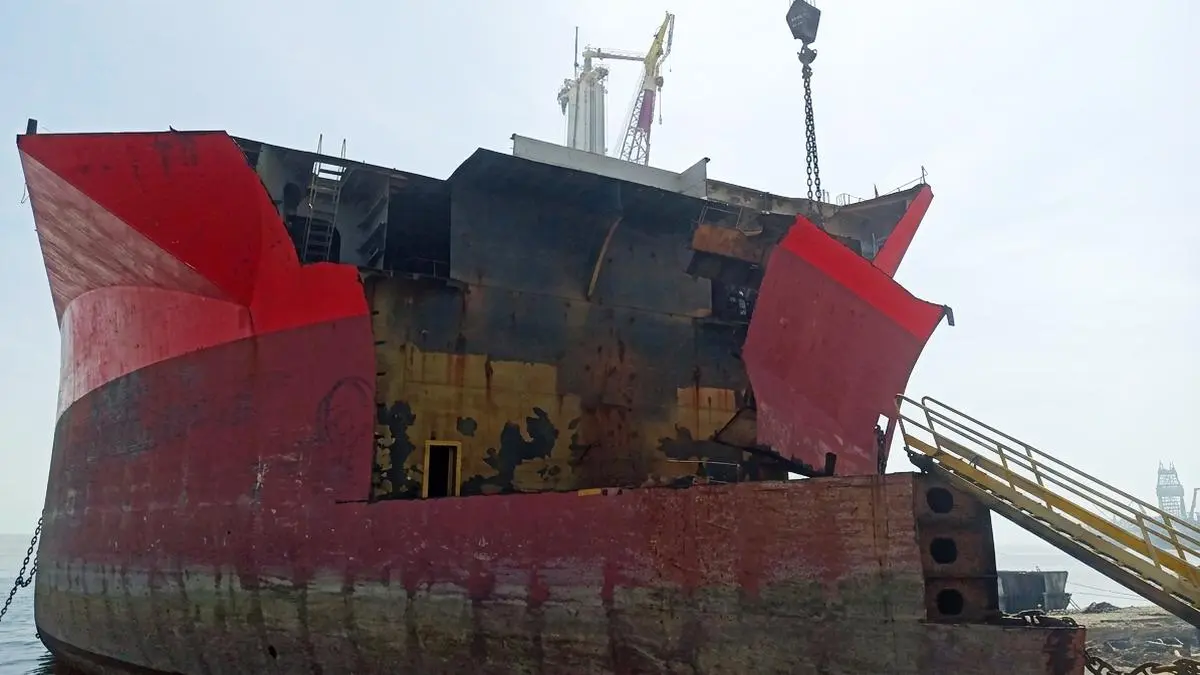
A tanker being recycled at Alang in Gujarat
| Photo Credit:
Supplied
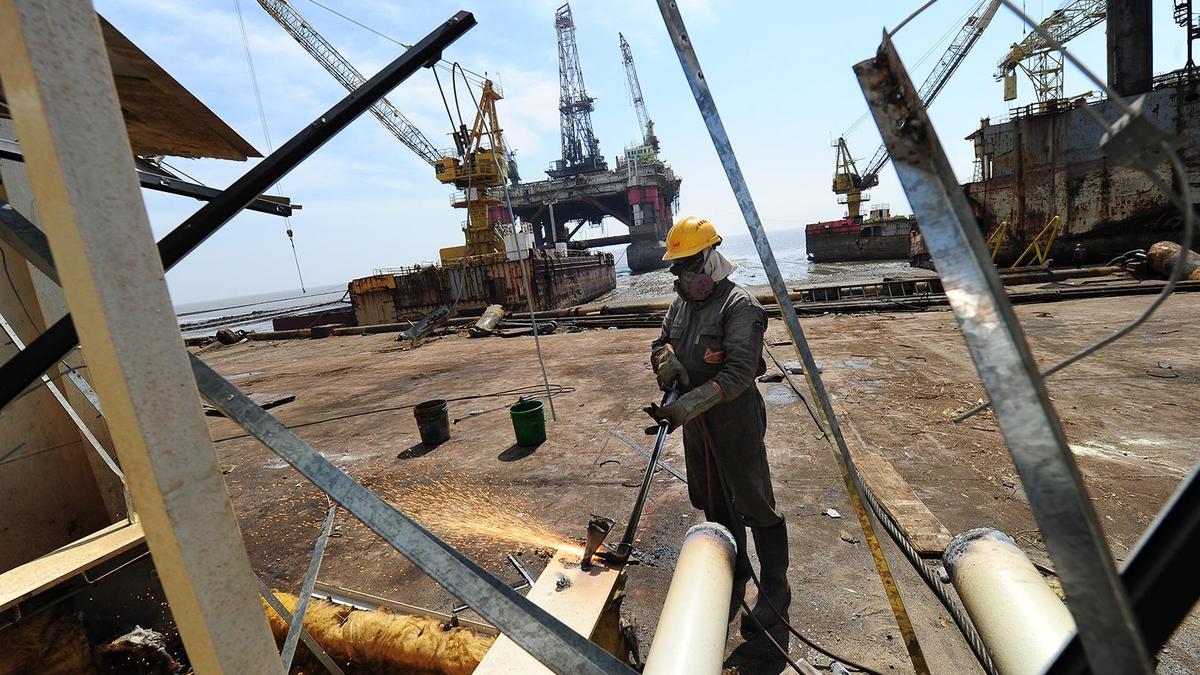
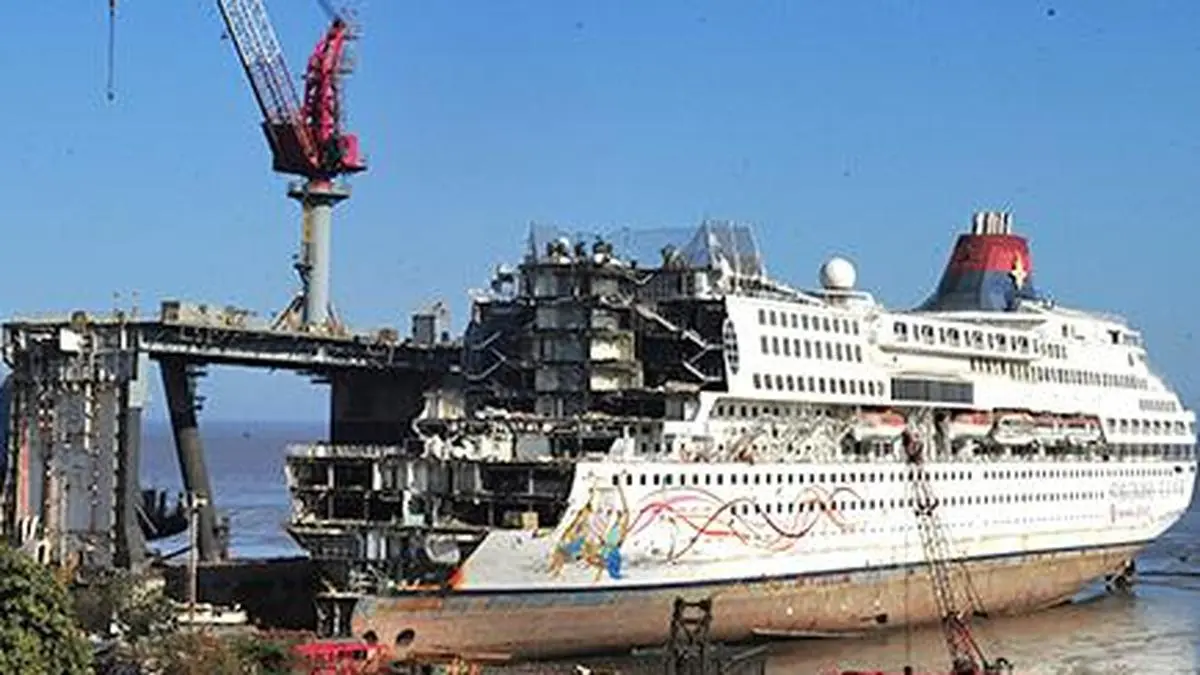
India’s ship recycling industry is seeing growth one year since the Hong Kong International Convention for the Safe and Environmentally Sound Recycling of Ships (HKC) came into force. The Indian recycling yards are making significant investments to comply with the Hong Kong Convention (KHC), which establishes global standards for safe and environmentally sound ship recycling.India’s ship recycling volumes increased to 2.99 million gross tonnes (GT) in 2025 from 1.86 million GT in 2024, a 60 per cent rise, as per UNCTAD data. Stakeholders note that India now has an opportunity to move beyond being the world’s largest ship recycling destination by volume and establish itself as a global hub for high-value, environmentally compliant and sustainable ship recycling.At Alang in Gujarat, the world’s largest ship recycling cluster, 115 of the 130 operational yards are HKC compliant. Each yard invested between ₹3 crore and ₹6 crore, taking the industry’s cumulative investment to an estimated ₹350-700 crore, according to Anand Hiremath, Chief Sustainability Officer, GMS, Dubai, the world’s largest buyer of ships and offshore vessels for recycling.Vidhyadhar Rane, General Secretary of the Alang Sosiya Ship Recycling and General Workers Association, said, “With HKC in force, compliant Indian yards are better placed to handle responsible international tonnage with proper systems, training and worker welfare. If more such vessels are channelled to India through approved and transparent pathways, it will support steady employment and strengthen India’s leadership in responsible ship recycling,” he said.The next phase of growth will depend not only on the normal replacement cycle of ageing vessels but also on India’s ability to attract higher-value international tonnage through transparent and compliant channels, Hiremath said.GMS became the first ship buyer globally to receive licences from the US Office of Foreign Assets Control to acquire and recycle sanctioned vessels under a formal approval framework.Many sanctioned and shadow-fleet vessels are approaching the end of their operational lives but lack transparent recycling pathways. As sanctioning authorities begin issuing licences for approved recycling, India could emerge as a preferred destination, provided robust compliance mechanisms remain in place, Hiremath added.Vishaal Raj Soni, CEO of Leela Group of Ship Recycling Yards, said Indian facilities have invested heavily in infrastructure, worker safety and environmental systems to meet Hong Kong Convention standards.“We have the capacity to handle much more responsible international tonnage. Faster approvals, wider recognition of compliant Indian yards and better access to EU-linked and legally cleared vessels can help India sustain its leadership, improve yard utilisation and support circular economy and green steel goals,” he said.Published on July 3, 2026