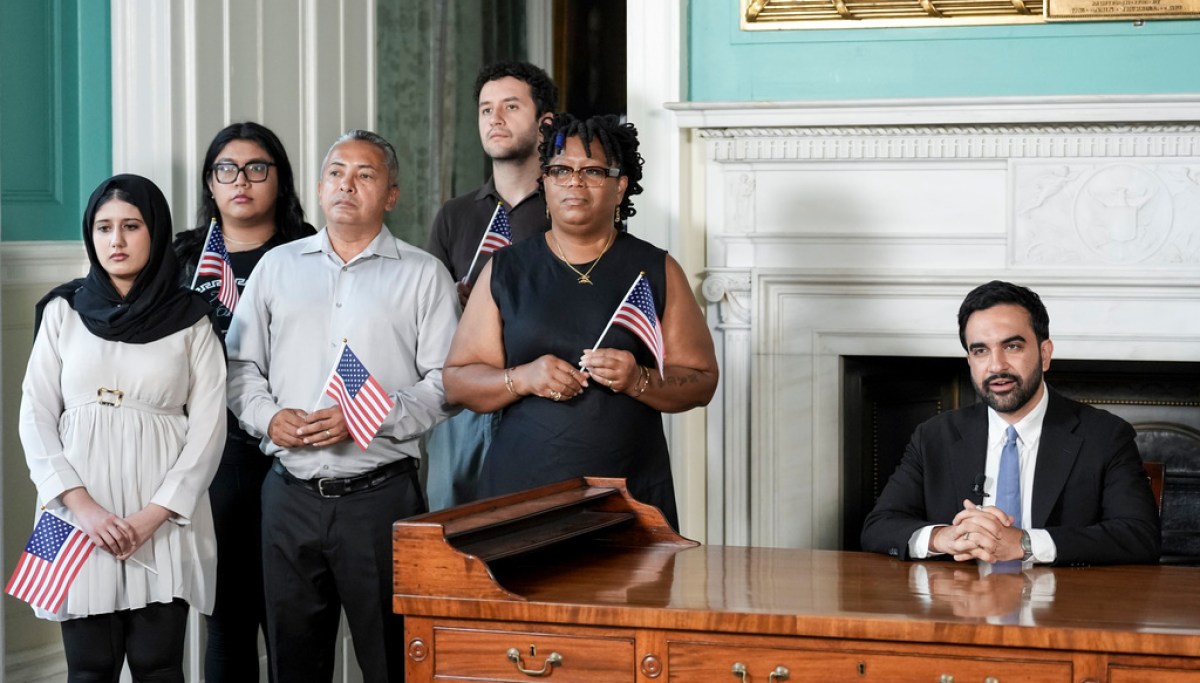
Good morning, my fellow Americans. Season after season, year after year, the tides have come in and out of New York Harbor long before the name New York had ever been spoken; Lenape dugouts crossed these currents.It was on these waters, tall masts crested the horizon, captained by explorers like Verrazzano and Hudson, after whom we’ve named our bridges and rivers. And ever since, ships full of travelers, weary from long journeys, have passed through the narrows, the winds of the Atlantic at their backs. When those passengers lifted their heads to glimpse what lies just beyond the waves, what did they see? They saw land, lush and teeming with life. They saw men waiting at the docks to take them into bondage. They saw tenements rife with squalor. They saw industry rumbling with activity, steam and smoke rising, a city on the move. They saw a towering monument to freedom, her torch glowing worldwide welcome. They saw New York City. They saw America.
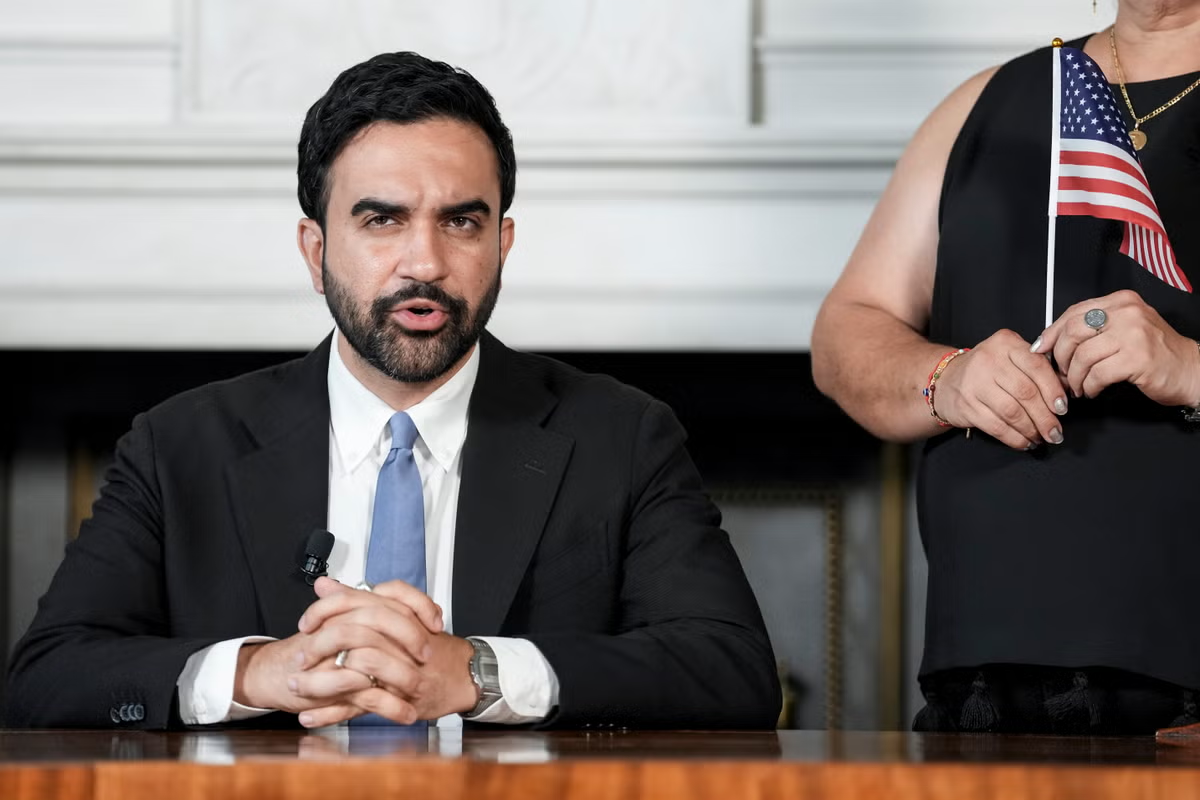
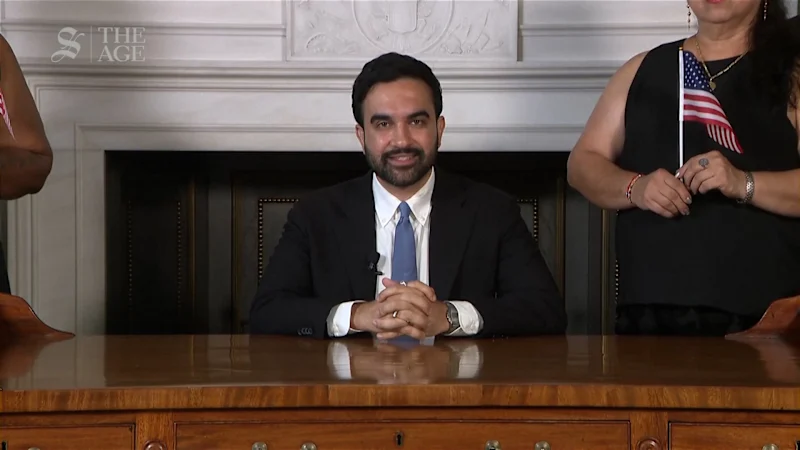
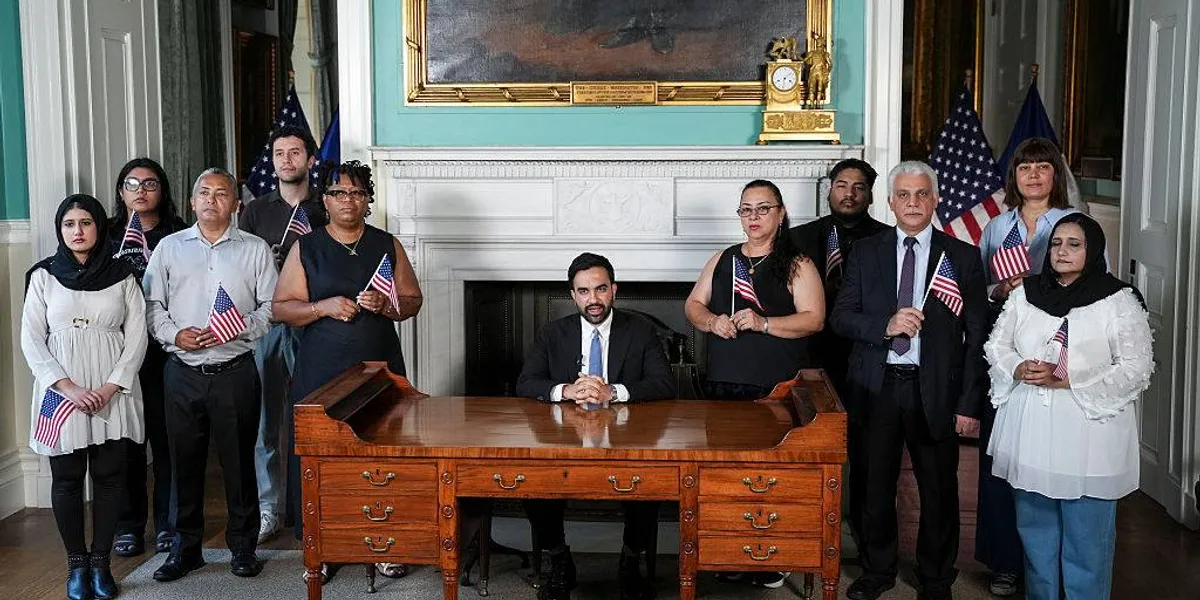
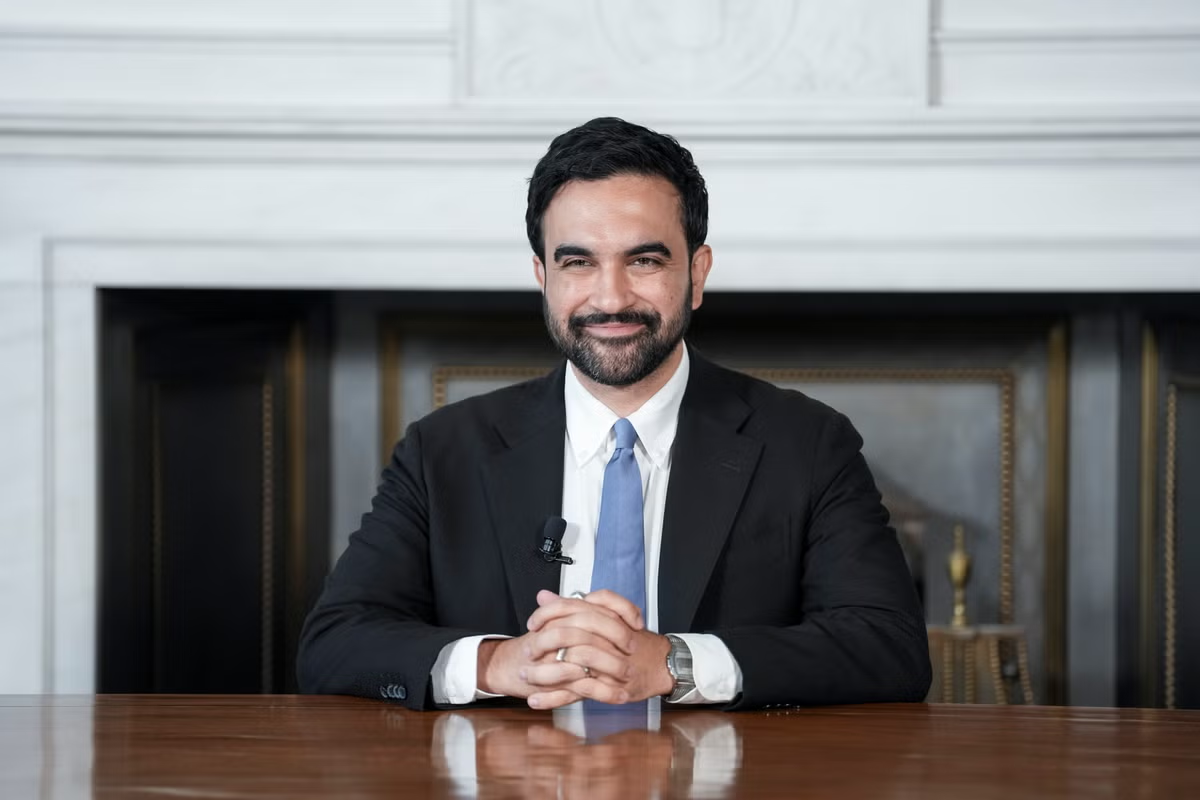
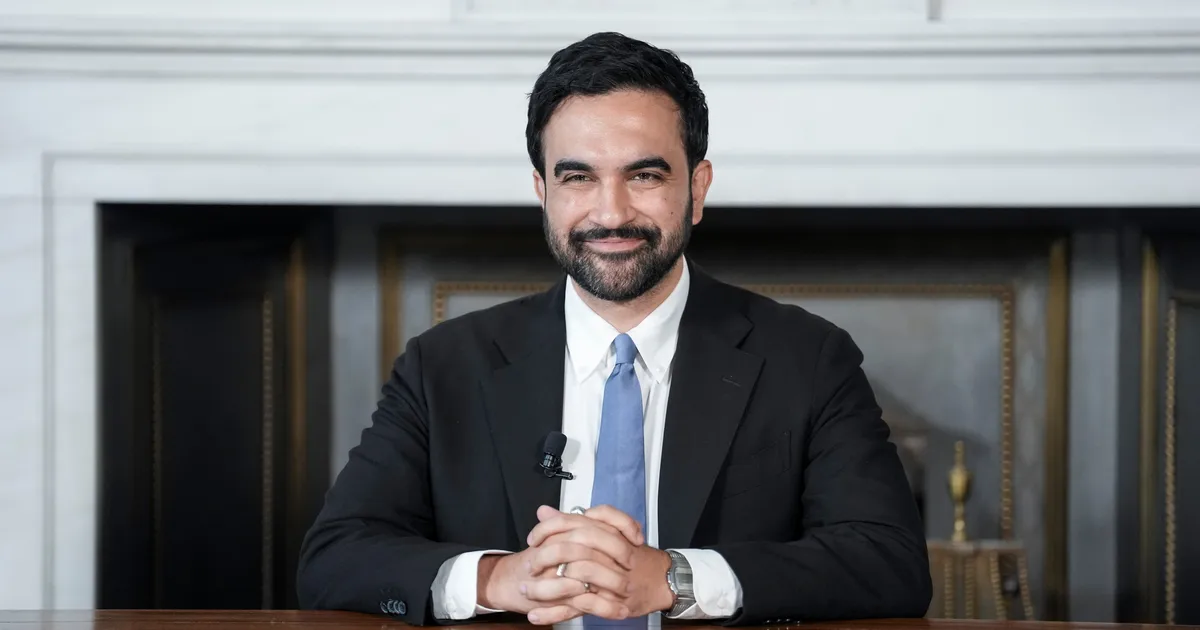
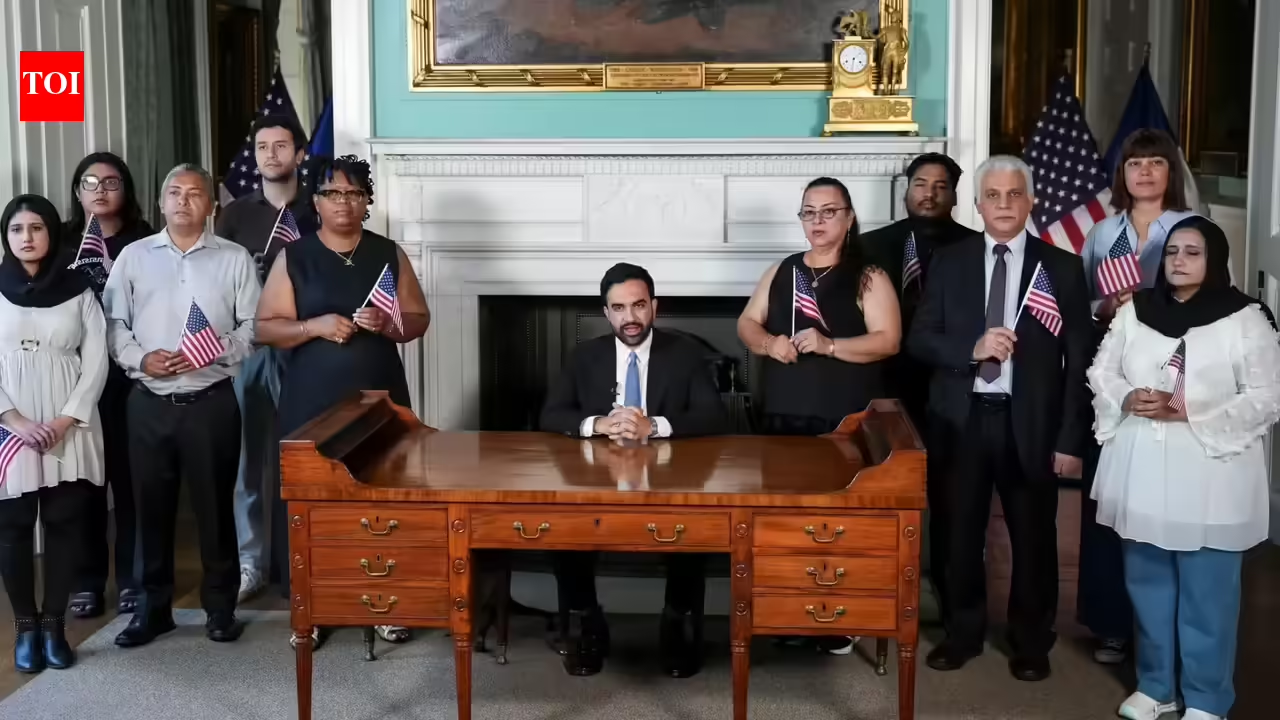
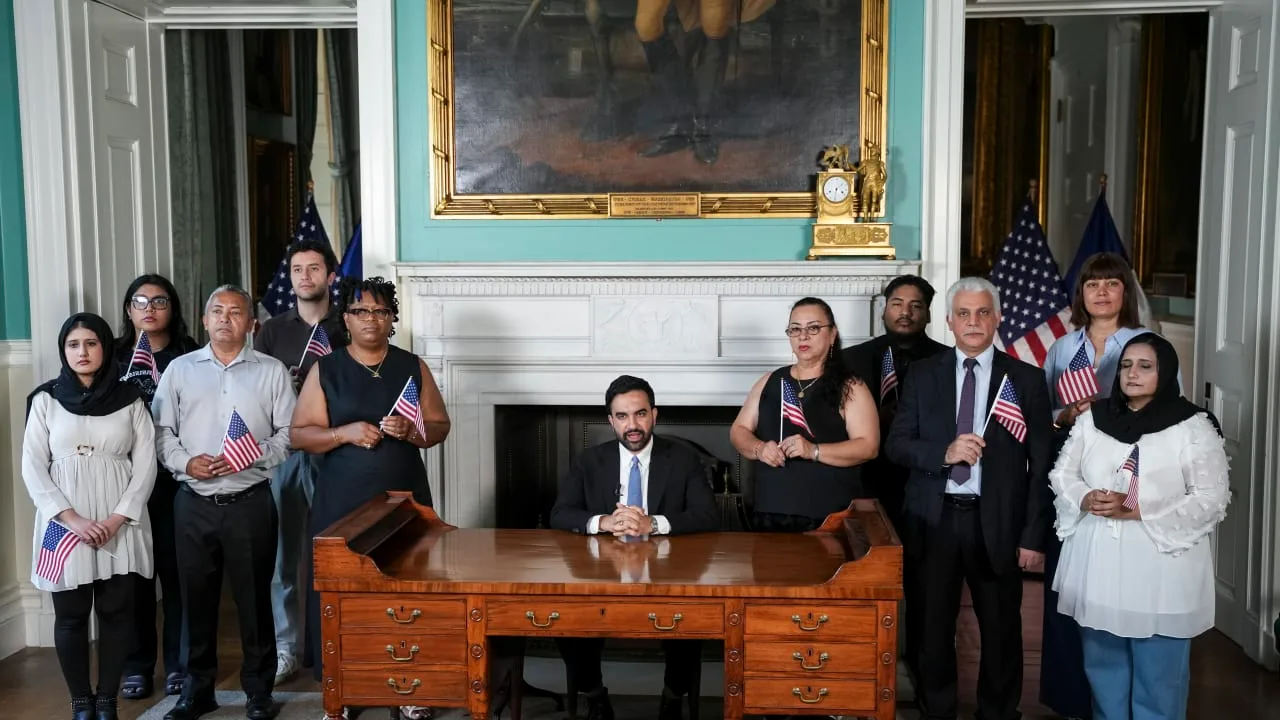
Tomorrow, our nation marks 250 years since we declared our independence. Two hundred fifty years of a grand experiment in self-governance, an experiment so audacious that some in 1776 doubted it would last more than a few years, let alone a quarter of a millennium, from Lexington to Los Angeles, Selma to Seneca Falls, Morrisania to Midwood. Americans will come together for a day, just as we do each year. Families will gather around the grill, fireworks will fill the night sky.This will be no ordinary day of celebration. 250 years presents a rare opportunity for more than 340 million people to turn together, both towards one another and towards ourselves, to take measure of who we are as a nation. When we look at America, what do we see? Here at City Hall, as I sit behind George Washington’s desk alongside new Americans who came to this country, I cannot see all of America, but like so many who came before, I can see New York City.The city I see today looks very different than the one that greeted George Washington in July of 1776 Our city simmered under the yoke of oppression. The British had imposed a colonial rule so repressive that 250 years ago, 80 miles south, a small group of newspaper editors, farmers, and soldiers signed their names on a document declaring truths that feel self-evident now, but were revolutionary then, establishing the ideals our nation still strives to fulfill.