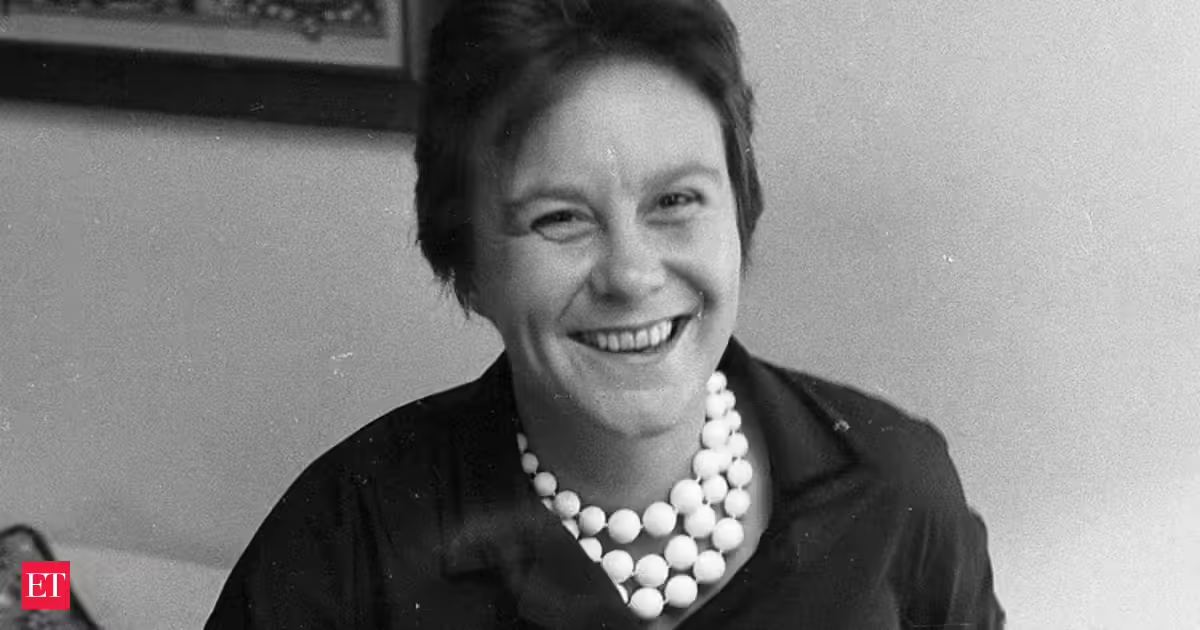
Quote of the Day by Aretha Franklin: Every person is a combination of experiences, achievements, strengths, and imperfections. While mistakes are an inevitable part of life, they should never overshadow the kindness, dedication, and positive contributions that define a person's character. True fairness comes from looking at the complete picture rather than allowing one disappointment or failure to erase years of good deeds and meaningful accomplishments.Her powerful quote, “You cannot define a person on just one thing. You can't just forget all these wonderful and good things that a person has done because one thing didn't come off the way you thought it should come off,” highlights the importance of compassion, balanced judgment, and forgiveness. In today's world of instant opinions, social media criticism, and public scrutiny, this quote remains deeply relevant. It reminds us that everyone deserves to be judged by the totality of their character rather than a single mistake or unmet expectation. Aretha Franklin's words continue to inspire conversations about empathy, fairness, second chances, and the value of recognizing the good in others despite their imperfections.Quote of the Day Today: Aretha Franklin on empathy, judgement and second chancesQuote of the Day by Aretha Franklin: “You cannot define a person on just one thing. You can't just forget all these wonderful and good things that a person has done because one thing didn't come off the way you thought it should come off”, as per Brainy QuoteMeaning of Aretha Franklin’s Quote About Fairness and Judging OthersAretha Franklin’s quote, “You cannot define a person on just one thing. You can't just forget all these wonderful and good things that a person has done because one thing didn't come off the way you thought it should come off,” explores the importance of fairness, compassion, and balanced judgment. The phrase “define a person on just one thing” symbolizes judging someone solely by a single mistake, failure, or disappointing moment while ignoring their positive qualities, achievements, and good intentions. Aretha Franklin suggests that a person's true character should be measured by the whole of their life rather than one imperfect experience.However, the deeper meaning of the quote emphasizes that everyone deserves understanding, forgiveness, and the opportunity to grow beyond their mistakes. Instead of allowing one setback to erase years of kindness, hard work, or positive contributions, we should recognize the complete picture of a person's character. A fair and compassionate perspective values consistency, integrity, and personal growth, reminding us that no individual should be defined by a single moment of imperfection.Why Nobody Is PerfectPerfection is an impossible standard because every person experiences mistakes, setbacks, and moments of weakness. These imperfections do not define who we are; instead, they provide opportunities to learn, grow, and become wiser. Expecting perfection from ourselves or others often leads to disappointment and unfair judgment. Accepting that nobody is perfect encourages patience, empathy, and forgiveness, helping us build stronger relationships and healthier communities. Every individual possesses a unique combination of strengths and flaws, and it is this balance that shapes true character. Rather than focusing on isolated failures, we should recognize consistent effort, kindness, and positive contributions over time. Embracing imperfection allows people to improve without fear of being permanently judged, reminding us that growth, resilience, and compassion matter far more than achieving an unrealistic ideal.Early Life of Aretha FranklinAretha Franklin was born on March 25, 1942, in Memphis, and was raised primarily in Detroit. She grew up in a family deeply connected to music and faith. Her father, C. L. Franklin, was a renowned Baptist minister and influential preacher, while her mother, Barbara Siggers Franklin, was a talented gospel singer. Surrounded by gospel music from an early age, Aretha developed remarkable vocal abilities as a child and began singing in her father's church. These formative experiences nurtured her passion for music and laid the foundation for her extraordinary career.Musical Development and Early CareerAlthough Aretha Franklin did not pursue a traditional college education, she received an invaluable musical education through church performances, professional recordings, and guidance from experienced musicians. She recorded her first gospel album as a teenager and soon attracted the attention of major record labels. Her early exposure to gospel, soul, blues, and jazz helped her develop a unique vocal style distinguished by emotional depth, technical excellence, and powerful expression. These experiences prepared her for a career that would transform the landscape of popular music.Rise to Fame and Musical SuccessAretha Franklin rose to international fame during the 1960s, becoming one of the most influential voices in soul music. She earned worldwide recognition through timeless hits such as "Respect," "Think," "Chain of Fools," and "(You Make Me Feel Like) A Natural Woman." Her extraordinary voice, emotional performances, and ability to blend gospel, rhythm and blues, soul, and pop music earned her the title "Queen of Soul." Throughout her career, she received numerous awards and became one of the best-selling and most celebrated recording artists in music history.Achievements, Influence, and Personal StrengthBeyond her musical accomplishments, Aretha Franklin became an important cultural figure whose work inspired generations of artists and audiences. Her songs often reflected themes of dignity, respect, perseverance, equality, and personal empowerment. She supported humanitarian and civil rights causes and used her platform to advocate for justice and opportunity. Her resilience, professionalism, and commitment to artistic excellence earned her admiration both within and beyond the music industry, making her an enduring symbol of strength and authenticity.Legacy and Lasting InfluenceAretha Franklin passed away on August 16, 2018, leaving behind one of the greatest musical legacies in history. She is remembered as one of the most influential singers of all time, whose voice transformed soul music and inspired countless performers across generations. Her timeless songs, powerful performances, and thoughtful words continue to encourage people to value compassion, fairness, resilience, and respect. Today, Aretha Franklin's legacy lives on through her music and her enduring message that every person deserves dignity, understanding, and appreciation.Life Lessons from Aretha Franklin’s Famous QuoteAretha Franklin’s quote teaches that people should be judged by the whole of their character rather than by a single mistake or disappointing moment. Every individual experiences failures, but these should not erase years of kindness, dedication, integrity, and positive contributions. The quote highlights the importance of compassion, forgiveness, and balanced judgment instead of making quick assumptions based on one event. In today’s fast-paced world, where people are often criticized for isolated incidents, this message is especially valuable because fairness requires understanding the complete picture. Aretha Franklin’s words continue to remind us that empathy, second chances, and appreciation for a person’s overall character create stronger relationships and a more compassionate society.Why This Quote Still Matters TodayAretha Franklin’s quote remains highly relevant today because people are frequently judged by one mistake, one social media post, or one unsuccessful moment. In a world driven by instant opinions and public criticism, it is easy to overlook a lifetime of hard work, kindness, and meaningful contributions. This quote reminds us that no one should be defined solely by a single failure or unmet expectation. Instead, we should evaluate people with fairness, empathy, and perspective. Aretha Franklin’s message continues to encourage understanding, forgiveness, and balanced judgment, helping us build healthier relationships and communities based on respect rather than quick conclusions.Wisdom on Empathy and PerspectiveAretha Franklin’s quote, “You cannot define a person on just one thing. You can't just forget all these wonderful and good things that a person has done because one thing didn't come off the way you thought it should come off,” reflects a timeless truth about fairness, compassion, and human understanding. Every person is more than their mistakes, and true character is revealed through consistent actions, values, and positive contributions over time. This wisdom remains relevant because it encourages people to look beyond isolated failures and recognize the complete story of someone's life. By practicing empathy and balanced judgment, we create stronger relationships and a more understanding society.
Quote of the Day by Aretha Franklin: “You cannot define a person on just one thing…” – Inspiring lessons on forgiveness, character, fairness, compassion and everyone deserves a second chance by the Queen of Soul known for her powerful voice, timeless music and deep insights into dignity, respect and human nature
Quote of the Day by Aretha Franklin: Aretha Franklins quote, “You cannot define a person on just one thing. You can't just forget all these wonderful and good things that a person has done because one thing didn't come off the way you thought it should come off,” explores the importance of fairness, compassion, and balanced judgment. The quote suggests that a person's character should be measured by the entirety of their actions, values, and contributions rather than by a single mistake, failure, or moment that falls short of expectations.
1,314 words~6 min read