Since local interior build firm Ngee Koon & LFA Studio introduced a common weekly work-from-home day last month, Ms Stacy Zuo, 41, has found it much easier to collaborate with colleagues from across the company. Previously, when different departments worked from home on different days, the marketing and communications director never knew whether the colleagues she needed from the design or project management teams would be in the office. Small questions that could have been resolved with a quick conversation often took longer than necessary, and when it came to more complex discussions, she felt nothing quite replaced meeting in person.Momentum on projects would stall and small misunderstandings quickly became roadblocks, creating unnecessary stress and making it harder for teams to collaborate.Employee feedback soon prompted management to realise its well-intentioned flexible work policy had inadvertently created silos.The company, one of Singapore's small- and medium-sized enterprises (SMEs), responded by introducing a common work-from-home day across all departments, alongside weekly cross-team touchpoints to improve communication."It felt like the company listened to and understood what we wanted. It's not just about being productive, but also feeling a sense of belonging," said Ms Zuo. Since the change, she said, it has also become easier to organise bonding activities such as post-work runs and Friday learning lunches. This relatively simple change shows that organisations do not always need sweeping reforms to help employees feel more connected, supported and heard at work.
How these companies improved employee engagement through listening, not wellness perks
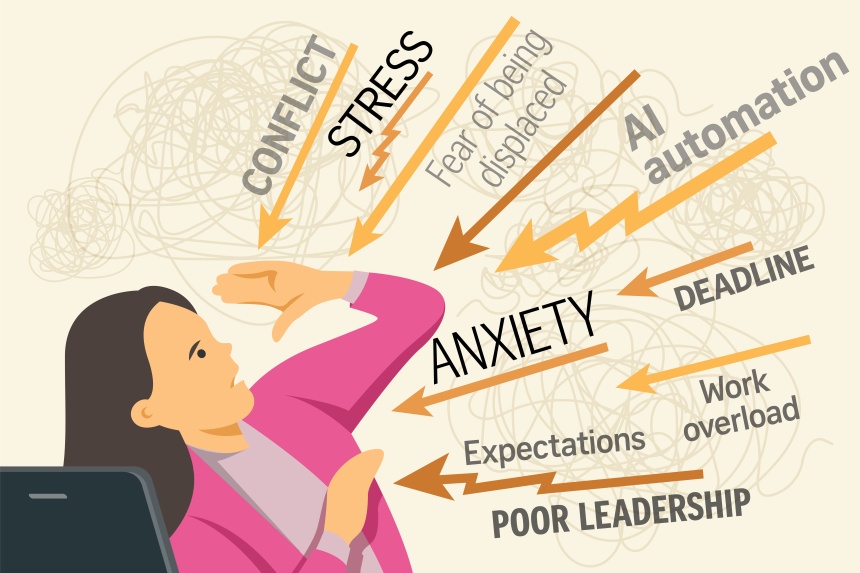
As Singapore grapples with talent shortages, an ageing workforce and rapid AI disruption, its persistently low employee engagement is becoming an economic concern, experts say.
3,497 words~16 min read