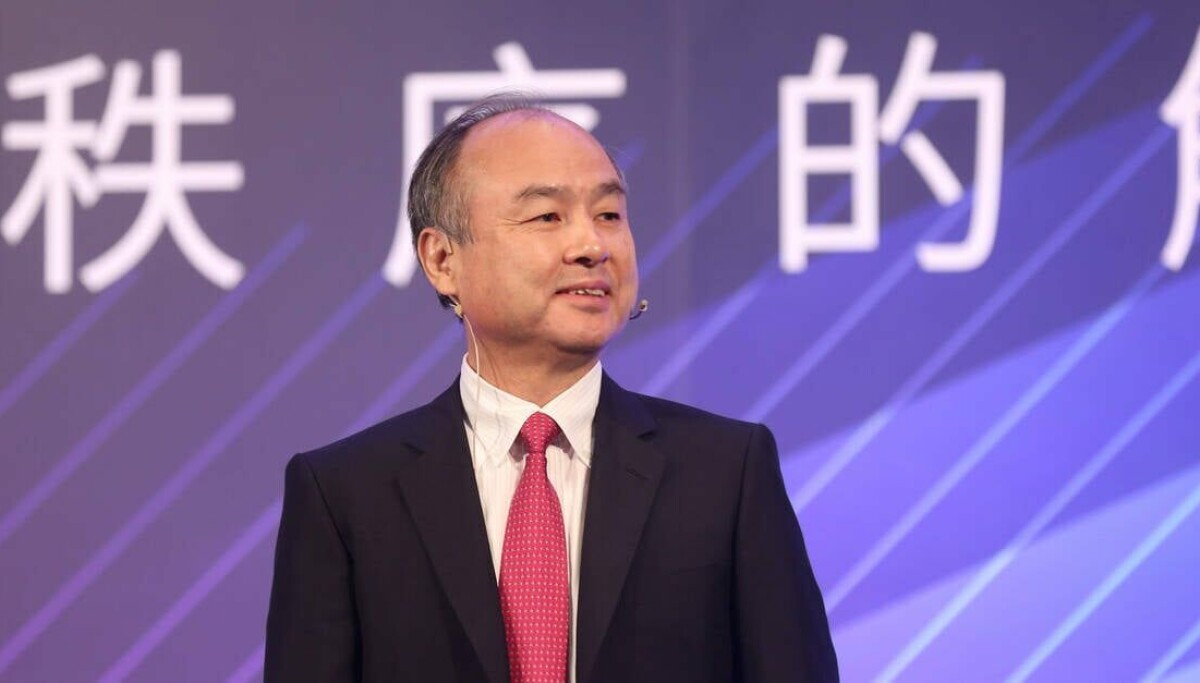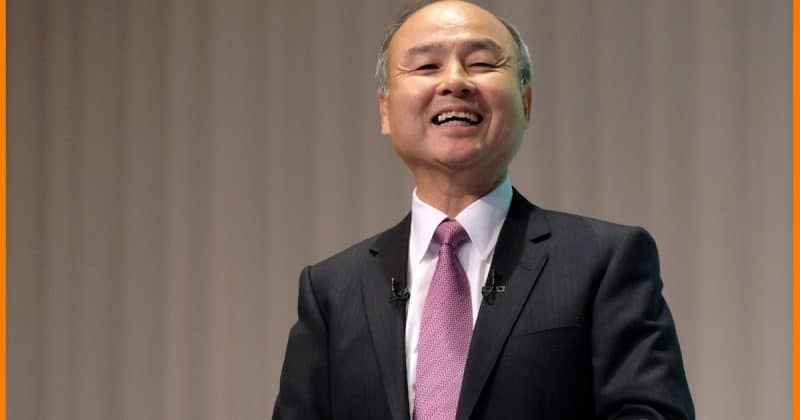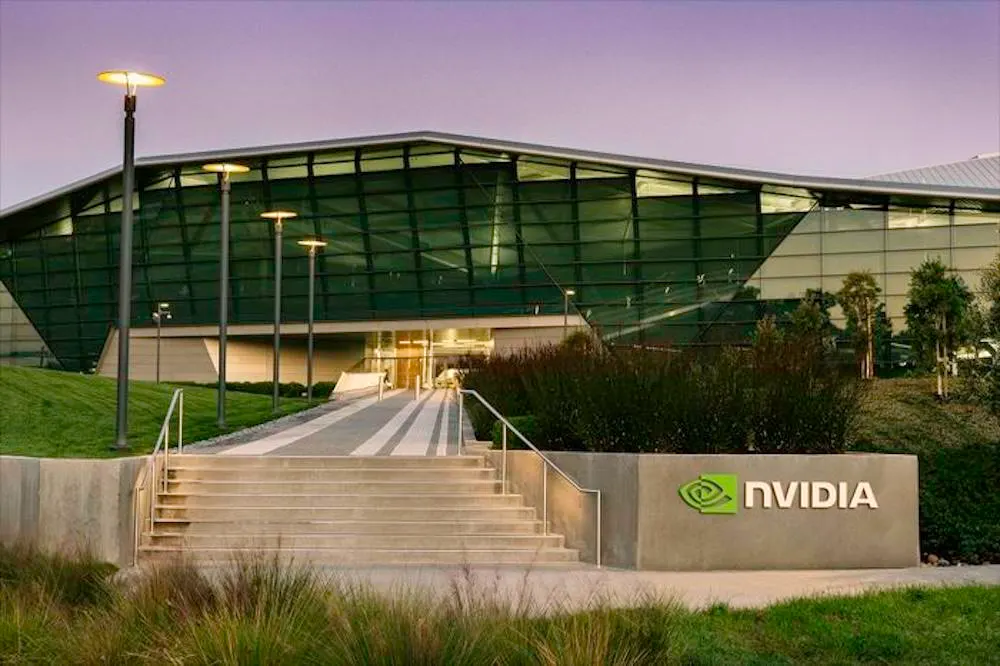
NVIDIA Endeavor BuildingNvidiaOn July 1, Nvidia introduced a revenue-sharing and credit-support model that lets AI cloud providers deploy its GPUs without carrying the full capital expenditure. Sharon AI and Firmus are the first partners. A day later, SoftBank and its parent group announced SB Neo, a company that will run a neocloud business in the United States. The venture will draw on 10 gigawatts of energy and AI infrastructure now under development.The same week, Together AI raised $800 million in a round led by Aramco Ventures. Days earlier, Baseten closed a $1.5 billion Series F. Four deals in 10 days point to the same shift - the capital funding the neocloud buildout no longer comes from venture firms writing equity checks. Chip vendors, telecom operators and sovereign-linked energy money are now underwriting it, and each carries a different theory of return.Inside Nvidia's Financing ModelAt its core, the Nvidia program converts an ad hoc practice into a repeatable capital product. Participating AI clouds procure Nvidia infrastructure and sell GPU-powered services to their own customers. Nvidia collects its standard product revenue from hardware sales, then earns a recurring, usage-linked share of the cloud revenue generated on that capacity. The credit-support side addresses a financing gap that Nvidia itself has identified, in which even signed long-term customer commitments failed to convince lenders to fund large deployments.The first two partners show the intended scale. Sharon AI disclosed in a regulatory filing that its six-year agreement covers new Australian capacity scaling to up to 40,000 Grace Blackwell GB300 GPUs. Firmus reported that its campus in Batam, Indonesia, is expected to house up to 170,000 Nvidia GPUs. Both deployments follow the DSX AI factory design, which keeps the hardware, the facility blueprint and the financing inside a single Nvidia-defined package.To understand the significance, we need to look at how Nvidia financed its customers before this week. In 2024, the company committed to purchasing CoreWeave's unsold data center capacity through 2032 under a backstop agreement with an initial value of $6.3 billion. It later joined funding rounds for OpenAI, xAI and Nebius, arrangements that drew repeated circular-financing criticism. With this program, Nvidia is converting those bespoke deals into a named product that any qualifying cloud can apply for. Nvidia has moved from equipment vendor to lender.The New Money TableSoftBank brings a different balance sheet to the same market. SB Neo, a consolidated subsidiary majority-owned by SoftBank Corp., will launch services in the fiscal year ending March 2028 and plans to scale toward the full 10 gigawatts in phases. The group has invested roughly $65 billion in OpenAI, which gives the new cloud a plausible anchor customer from day one. Bloomberg reported that the venture will compete directly with CoreWeave and Nebius.Aramco Ventures leading the Together AI round signals that energy capital wants exposure to compute rather than to any single model. Together reported annual bookings above $1.15 billion as customers such as Cursor and Decagon moved workloads to open models. Baseten told investors its revenue grew roughly 20 times year over year, with more than 1 billion inference calls served daily. Demand at the inference layer is genuine. That demand is what makes vendors and outside capital willing to finance the buildout ahead of proven unit economics.The Challenges AheadThe model introduces three risks: circularity, stacked obligations, and timing. Circularity comes first because Nvidia is now financing demand for its own chips. If AI-native demand cools, the company absorbs the slowdown twice - first through hardware sales and again through shared cloud revenue. Neither Nvidia nor its partners has disclosed the revenue-split percentages, so the true cost of this capital remains opaque.Stacked obligations compound the risk for the smaller clouds. Sharon AI separately holds a revenue-share facility of up to $200 million with investor Digital Alpha. Portions of its future income are now pledged in two directions. A neocloud that layers vendor financing on top of investor financing has narrowed its margin for error before serving its first token.Timing works against the newest entrant in this group. SB Neo will not launch until fiscal 2027, while CoreWeave, Nebius, Together AI and Baseten are operating and signing contracts today. Power procurement and construction schedules, not capital, remain the binding constraints on every gigawatt-scale plan.What Enterprise Buyers Should AskThe takeaway for a decision maker starts with counterparty diligence. The first question for enterprise buyers is solvency. Who backstops the provider if utilization falls short, and for how long does that support run? The second question for buyers is pricing. A provider that owes a vendor a share of its revenue must recover that cost somewhere, and customers should ask whether long-term rates carry that obligation. Vendors under pressure face their own test, since AMD and the hyperscalers will need comparable financing instruments to compete for capital-constrained clouds.If utilization across these vendor-financed sites remains above the thresholds assumed by the contracts, Nvidia will have added a recurring revenue stream to the largest hardware franchise in computing. The program is a calculated risk rather than a giveaway. Its early proof points will come from filings by Sharon AI and Firmus over the next four quarters. For enterprises, the immediate benefit is real, since more financed capacity means more negotiating room on inference pricing across the market.
Why The Neocloud Gold Rush Is Now Vendor-Financed
Nvidia's revenue-share model, SoftBank's SB Neo, Aramco backing Together AI and Baseten's $1.5B round show the neocloud buildout is now financed by vendors, not VCs.
874 words~4 min read