Survivors of aortic dissection are at lifelong risk for adverse events that are strongly influenced by blood pressure control and physical activity patterns.In a pilot study, there were no deaths, aortic operations, or recurrent dissections in survivors of Type A and B aortic dissection randomized to exercise or usual care.Given the substantial attrition in the study, however, larger prospective trials are needed to determine long-term effects on cardiovascular outcomes.
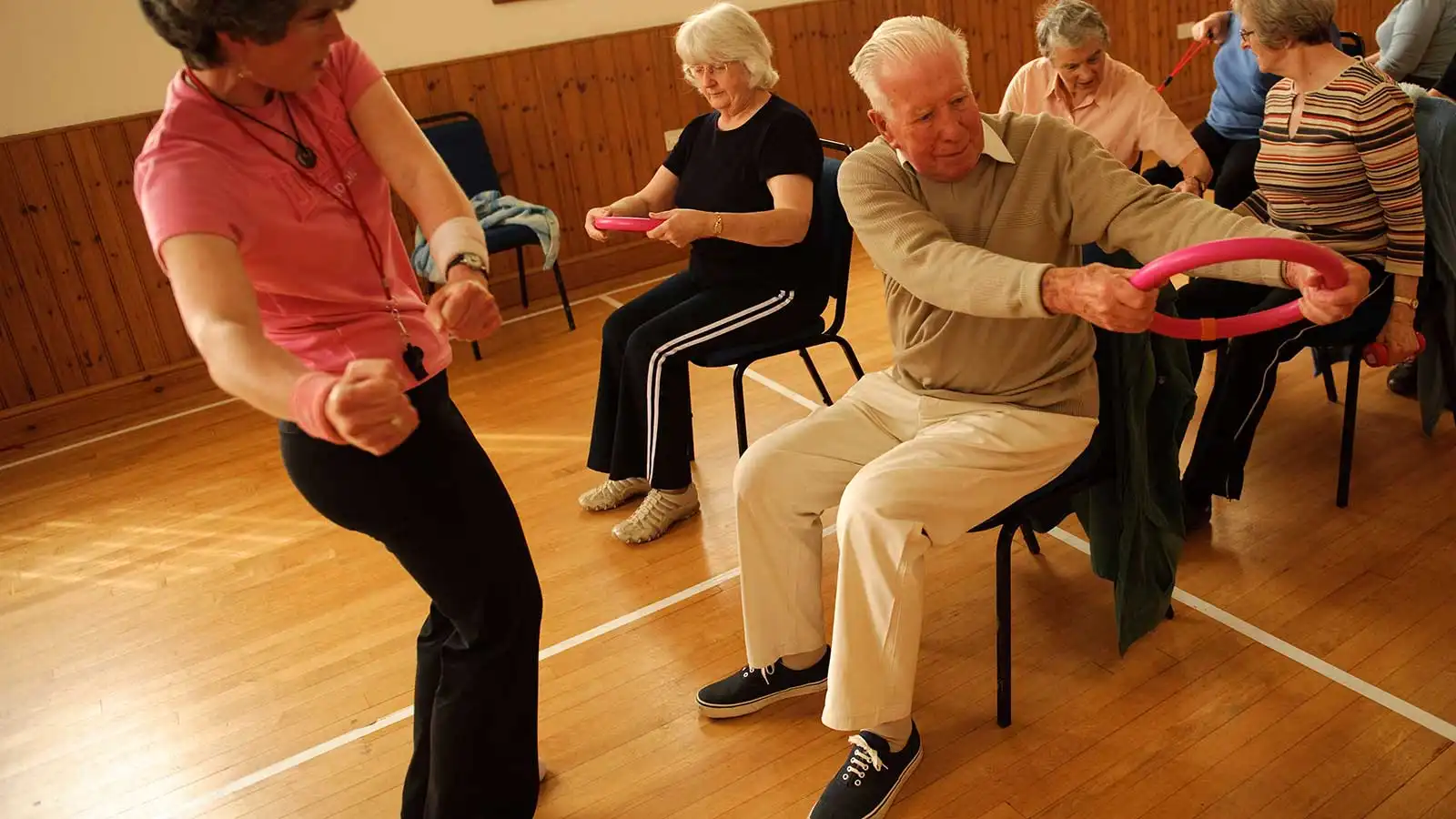
It was feasible for survivors of thoracic aortic dissection (TAD) to engage in a structured exercise program, according to a pilot study.
Among 93 adults post-Type A or B TAD, there were no deaths, aortic operations, or recurrent dissections in participants randomized to guided exercise, consisting of introductory training on a six-exercise circuit and 12 months of subsequent moderate-intensity home exercise, or those assigned to usual care.
And while supervised training did result in exertional hypertension in 39% of cases (defined by systolic blood pressure >180 mm Hg or diastolic blood pressure >100 mm Hg during more than one exercise), this was mitigated by exercise modification, reported Siddharth Prakash, MD, PhD, of the University of Texas Health Science Center at Houston, and colleagues.