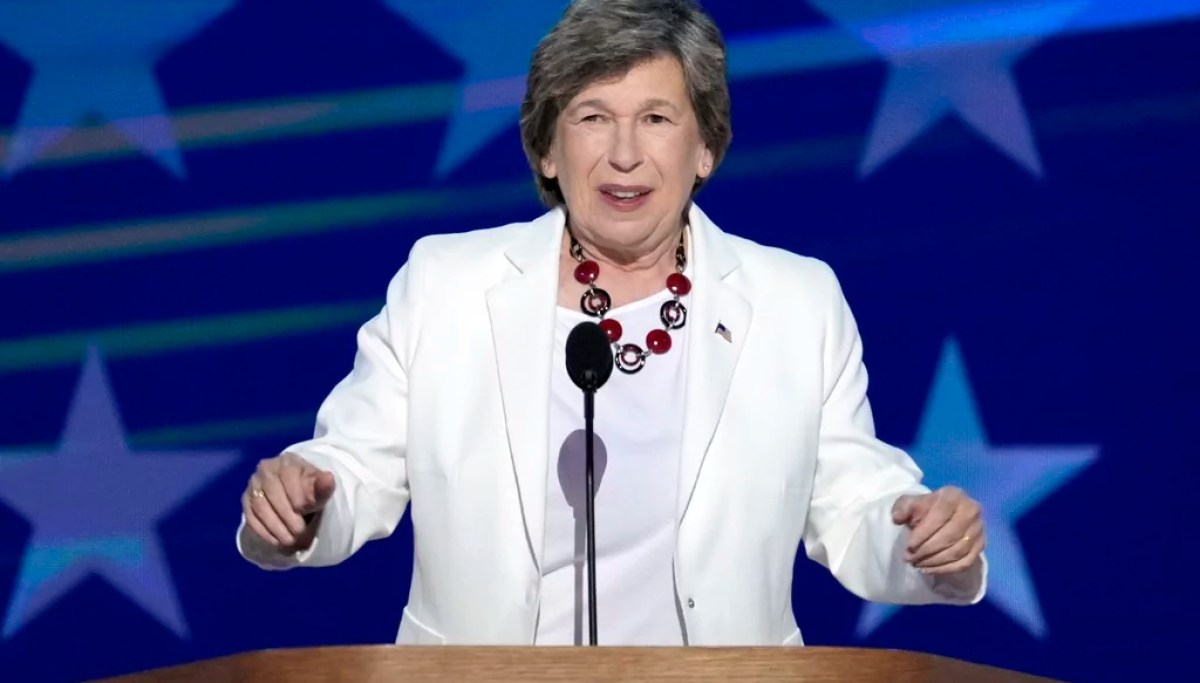
For generations, the leaders who represented American workers in unions earned their positions the hard way, whether it be on the job site, in the classroom, or at the bedside. And that’s because the promise of the American labor union was simple: workers standing together who understood the job, the risks, and what it meant to punch a clock or pull a shift. Skilled tradespeople, nurses, teachers, and electrical workers organized because they had skin in the game. That covenant is now a fiction. The leaders running many of today’s major unions didn’t rise from the ranks. They came from political science programs, law schools, and organizing offices. They have never felt the physical toll of the jobs they claim to champion. And because they haven’t, they don’t seem to lose much sleep over the gap between what their members take home and what they collect. That gap, in some cases, is more than $400,000 a year.Take Randi Weingarten, who has led the American Federation of Teachers since 2008. Her members are classroom teachers who spend careers building young minds for salaries that average around $74,000 a year, according to the National Education Association.
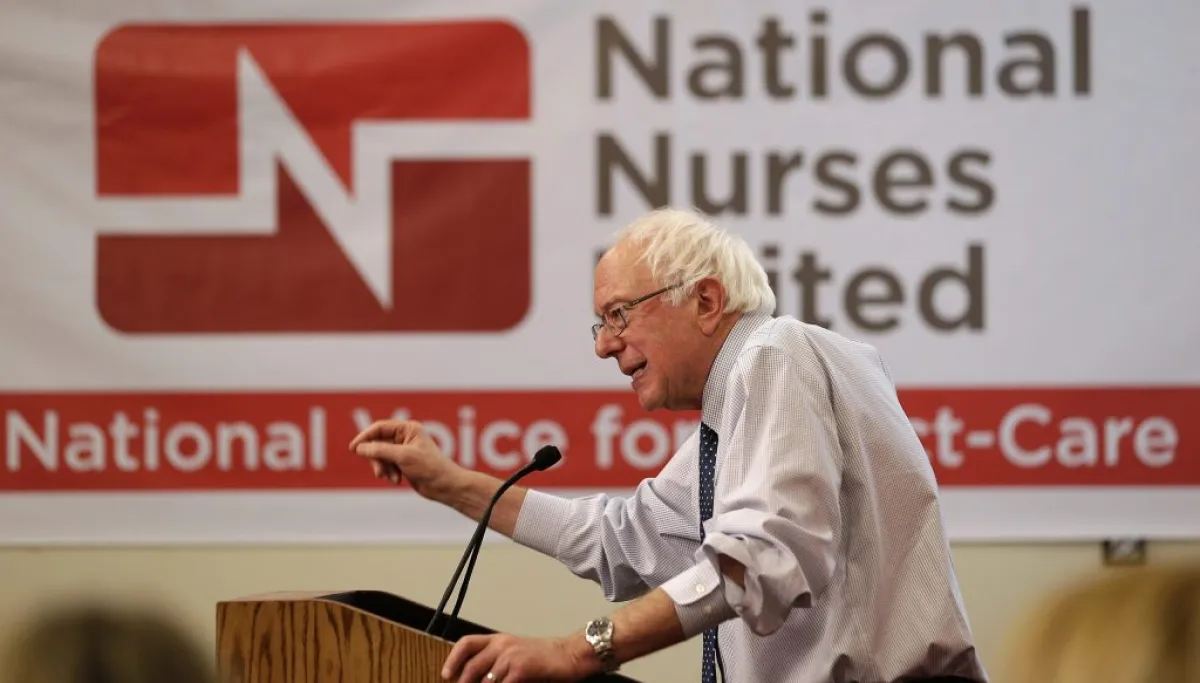
Weingarten is a lawyer. She briefly taught social studies at a Brooklyn high school while simultaneously serving as the New York City United Federation of Teachers’ full-time chief counsel. The teaching credential served its purpose, but her tenure was limited. She spent just three years as a full-time teacher, three as a per diem substitute, and has been on union leave from her teaching position for the past quarter-century. Her total compensation from the second-largest teachers union in the country now exceeds $500,000 annually, nearly seven times the average take-home pay of a teacher in the United States. As one of the highest-paid labor officials in the country, Weingarten hasn’t seen the inside of a classroom in decades — and she is not an anomaly.Puneet Maharaj leads the National Nurses United, the largest nurses union in the U.S., representing more than 225,000 registered nurses who spend their days and nights in emergency rooms and in intensive care units doing some of the hardest, most demanding work in America. There is one thing Maharaj has never done: worked as a nurse. She has no clinical background, no nursing license, no experience in the profession she now leads. She is a political science graduate and a career labor activist who climbed the union’s political operations ladder.Her reward for leading a union of workers she’s never been in? Close to $300,000 a year, roughly three times the median salary of the nurses writing her paychecks. The nurses pulling overnight shifts in understaffed ICUs are funding that life. They deserve to know it.Then there is Liz Shuler, president of the AFL-CIO, the federation that sits atop the entire American labor movement. Shuler’s background is not in any of the 50+ unions under her umbrella. She is a journalism graduate who went straight from college into union administration, eventually landing at the International Brotherhood of Electrical Workers, not as an electrician or a lineman, but as an organizer and administrator. She now earns over $357,000 a year as labor’s top voice in Washington, which is nearly four times what the linemen she claims to represent earn.This pattern is not new. Andy Stern built the Service Employees International Union into the largest union in the country without ever working a janitorial shift, a hospital floor, or a food service line. Here is what connects these union bosses: They have never done the work of the people they represent. And because they have never done the work, their instincts are not shaped by it. A leader who has ever worked a double in a trauma unit, graded papers until midnight, or worked a scaffold in January thinks differently about what a union is for. These leaders don’t have that instinct. What they have instead is a very comfortable institution to protect, political allies to fund, and a lifestyle their members will never approach.That is the real story inside the modern union movement. It is no longer about solidarity. It is about a professional class that has learned to commodify worker identity without sharing worker experience. The dues keep flowing. The salaries keep climbing. And the people at the top keep getting further from the people they claim to represent.The labor movement was built on a simple promise: The person standing up for you knows what you’re up against. BIG LABOR TORCHING WORLD CUP TOURISM WITH SKY-HIGH HOTEL PRICES AND LOOMING LAYOFFSToday’s union bosses have broken that promise twice. They never did the work. And they are getting very rich making sure you don’t notice. That is not solidarity. That is a business model. And the workers bankrolling it deserve better than union leaders who can’t answer the most basic question: Have you ever actually done this job?Gene Hamilton is a Coalition to Protect American Workers senior adviser.